The Secret to a Cohesive Home: Tonal Paint Schemes Explained
Most people treat their colour chart like a menu - pick one thing you like, go home. But the designers who get genuinely stunning results? They're using it differently.
They're building tonal schemes. And once you understand how, it changes everything.

What Is a Tonal Colour Scheme?
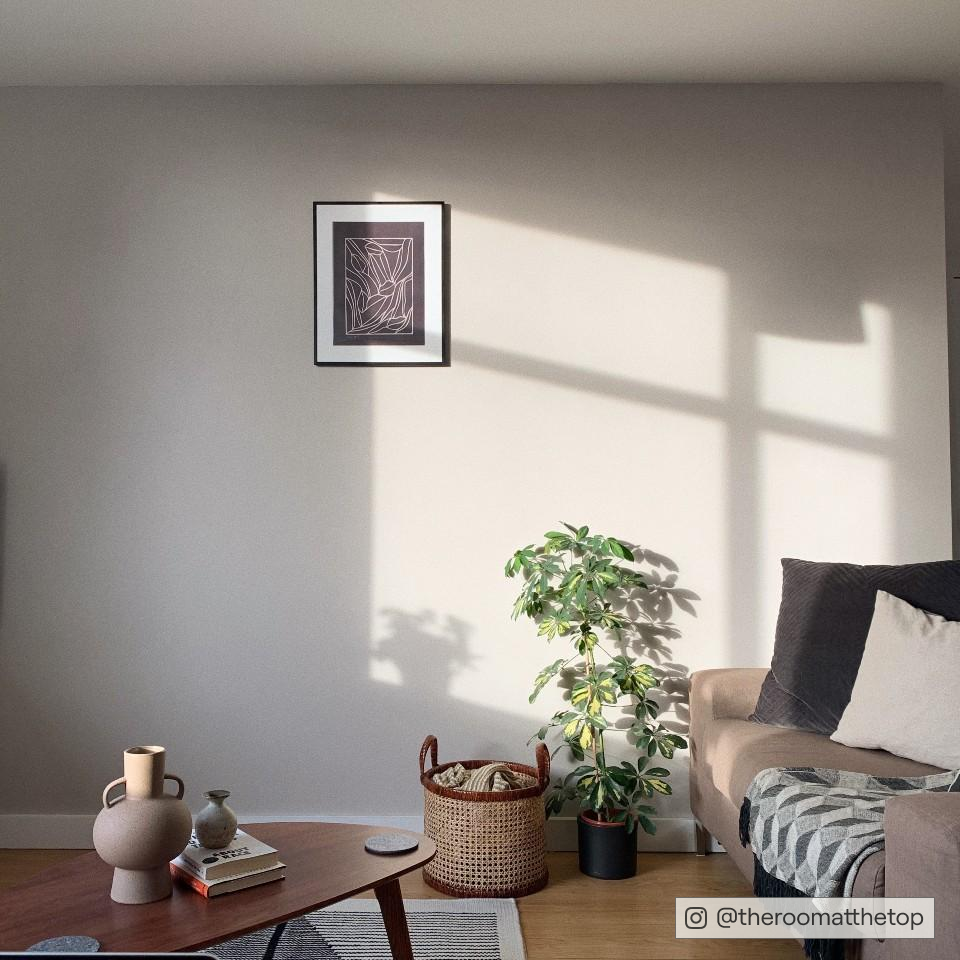
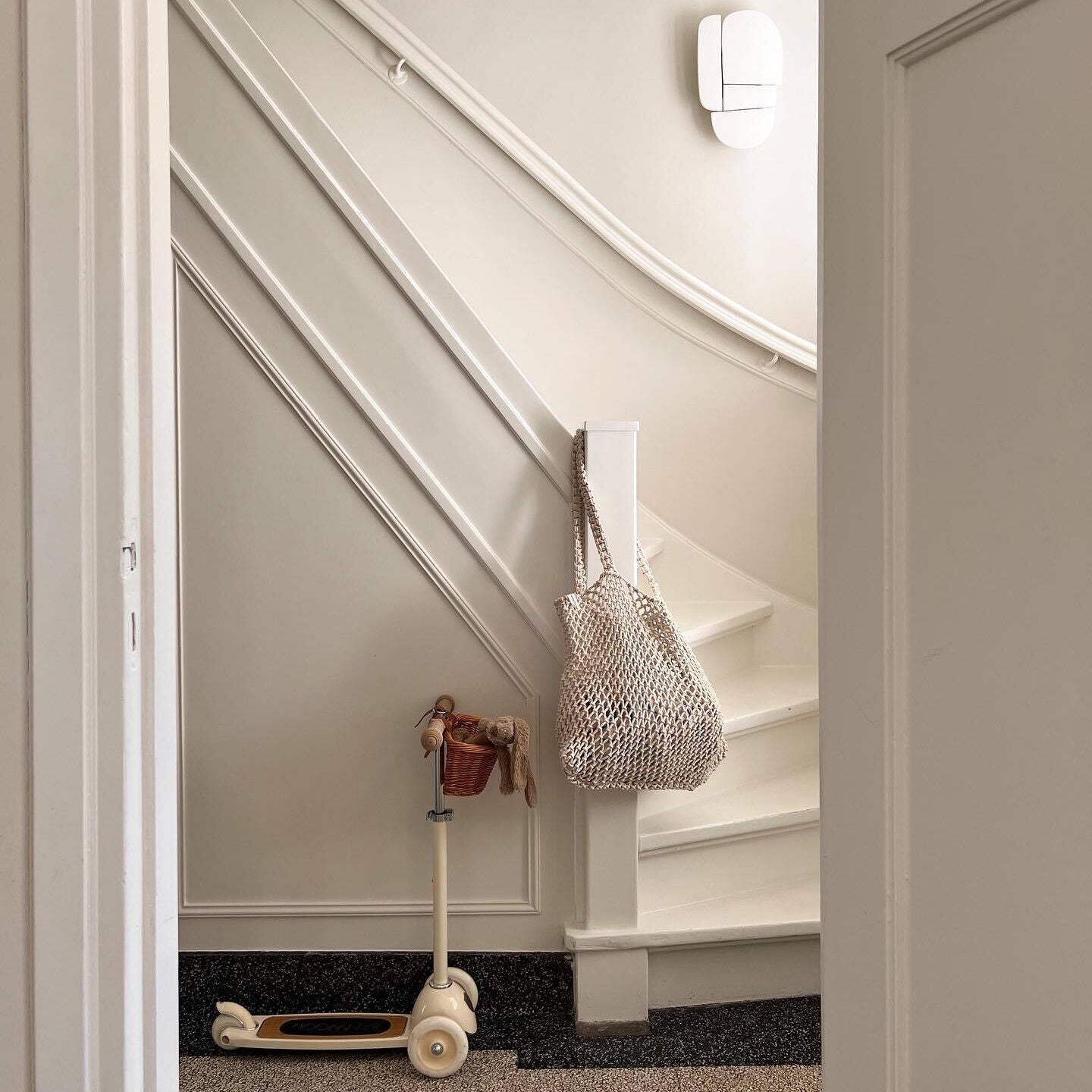
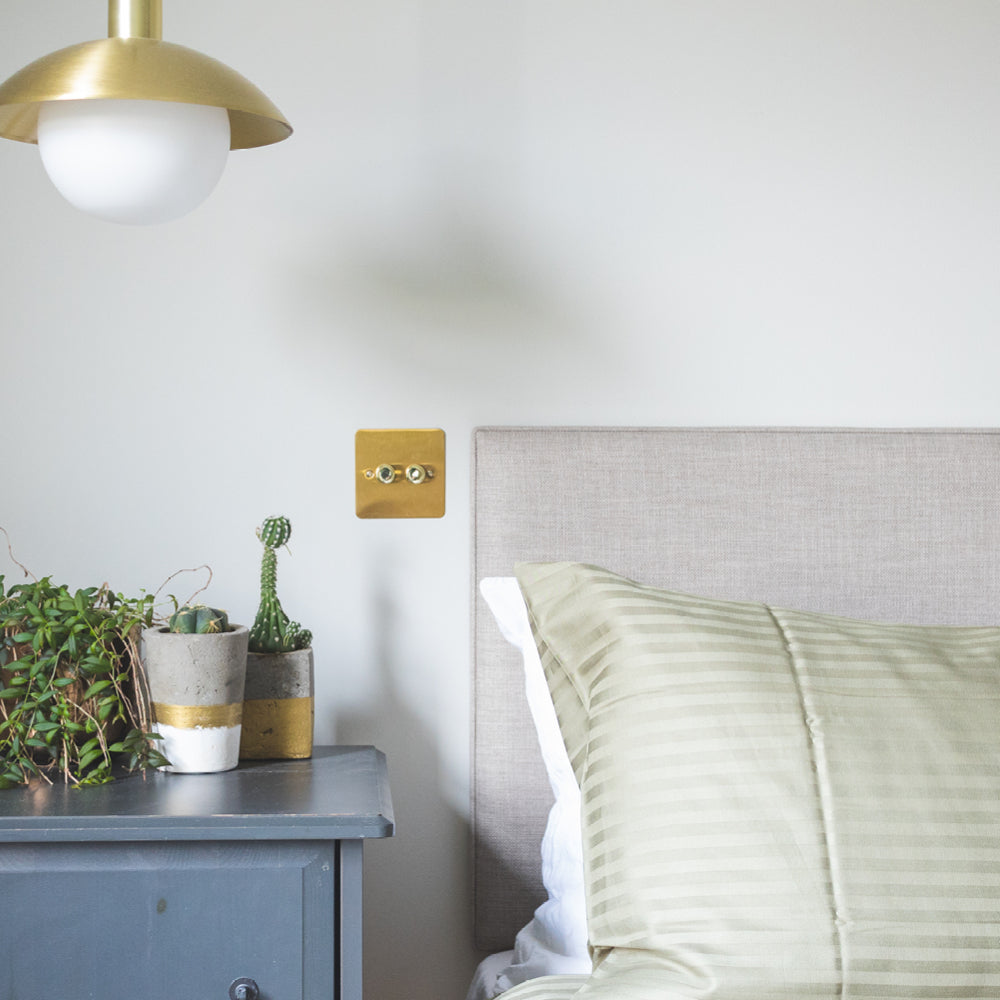
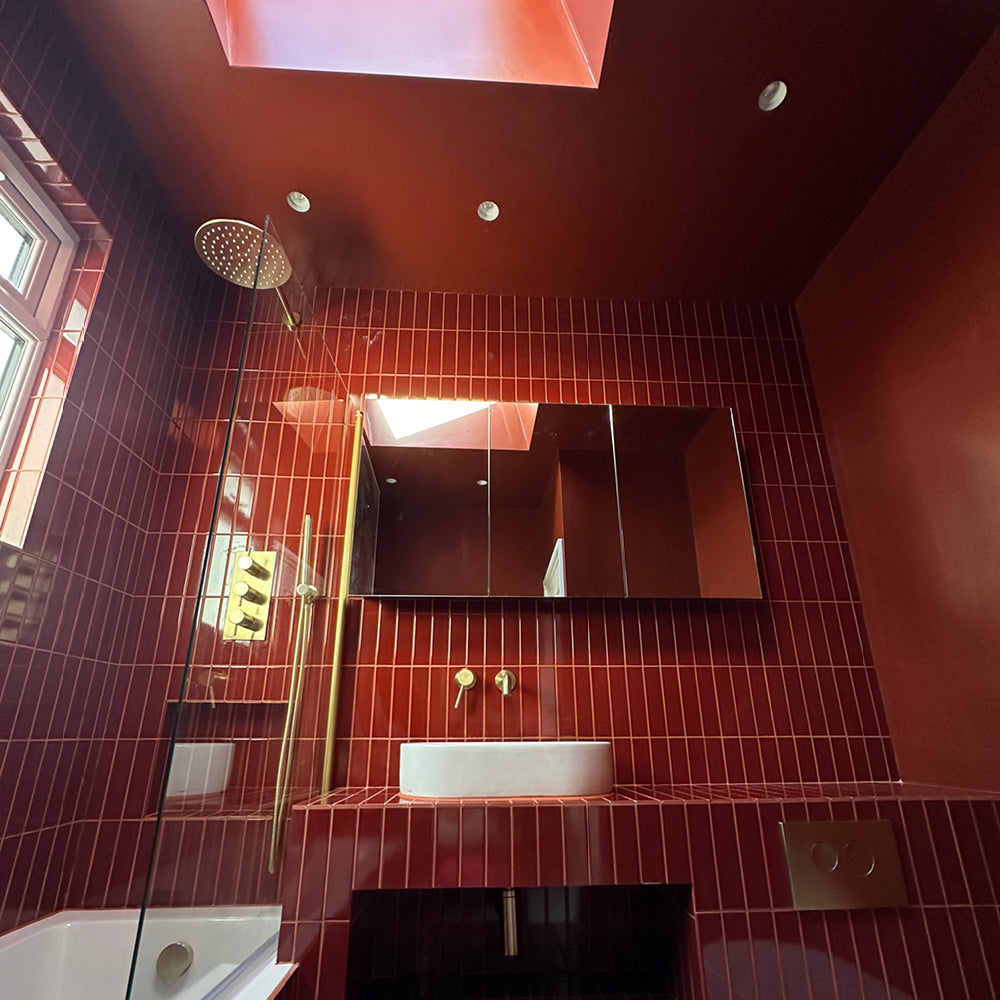
A tonal scheme uses shades from the same colour family - moving from lighter to darker across walls, woodwork, ceilings, or rooms. Think of it as a gradient for your home: cohesive, layered, and effortlessly considered.
It's the reason some rooms feel finished before a single piece of furniture goes in. The colour does the work.
Interior designers use this approach constantly. It creates depth without drama. It makes a space feel intentional without looking rigid. And unlike mixing clashing colours from opposite ends of a chart, it's almost impossible to get wrong.

The Structure That Makes It Easy
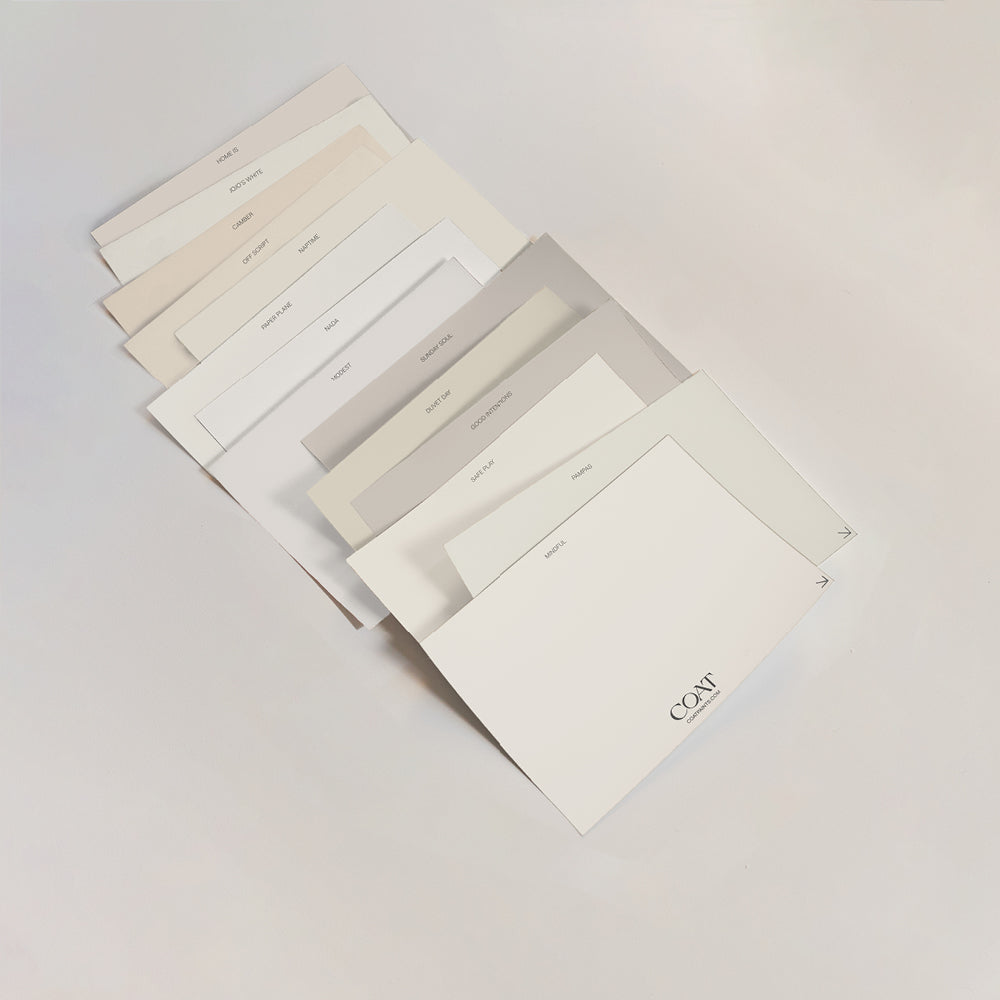
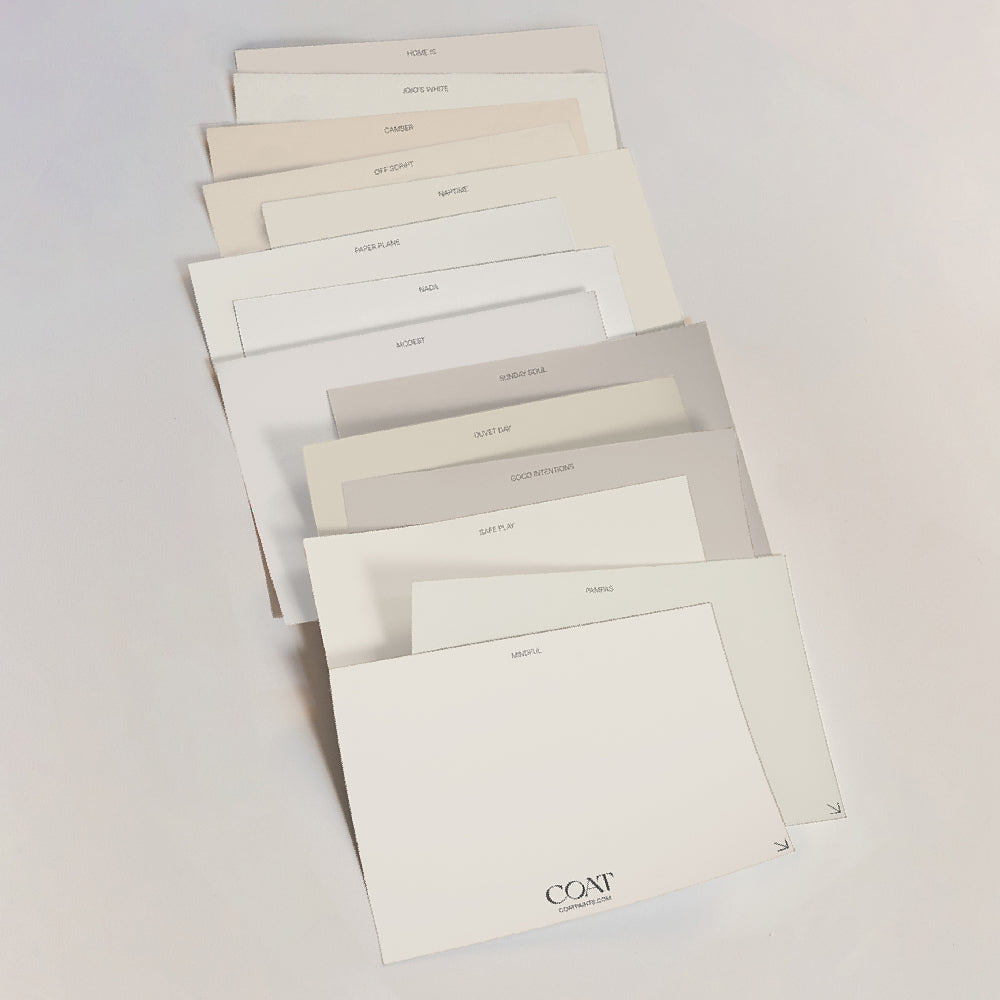
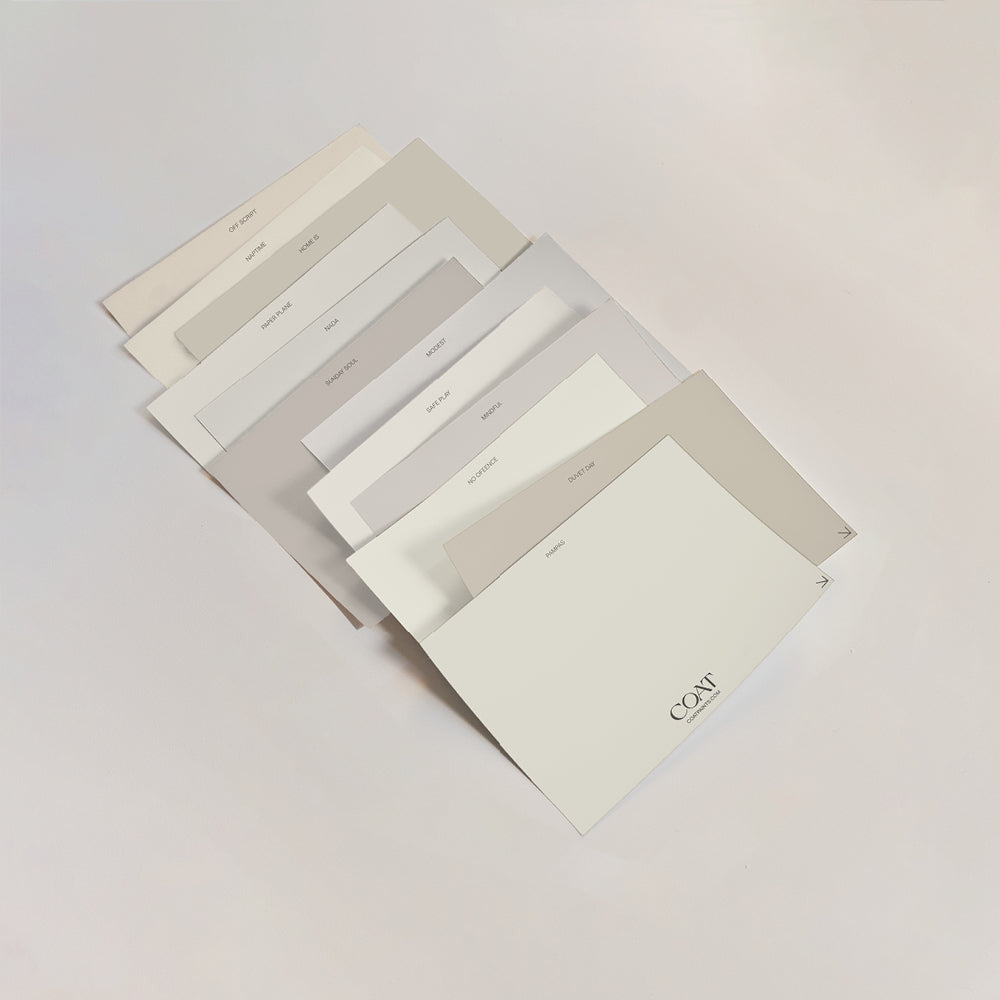
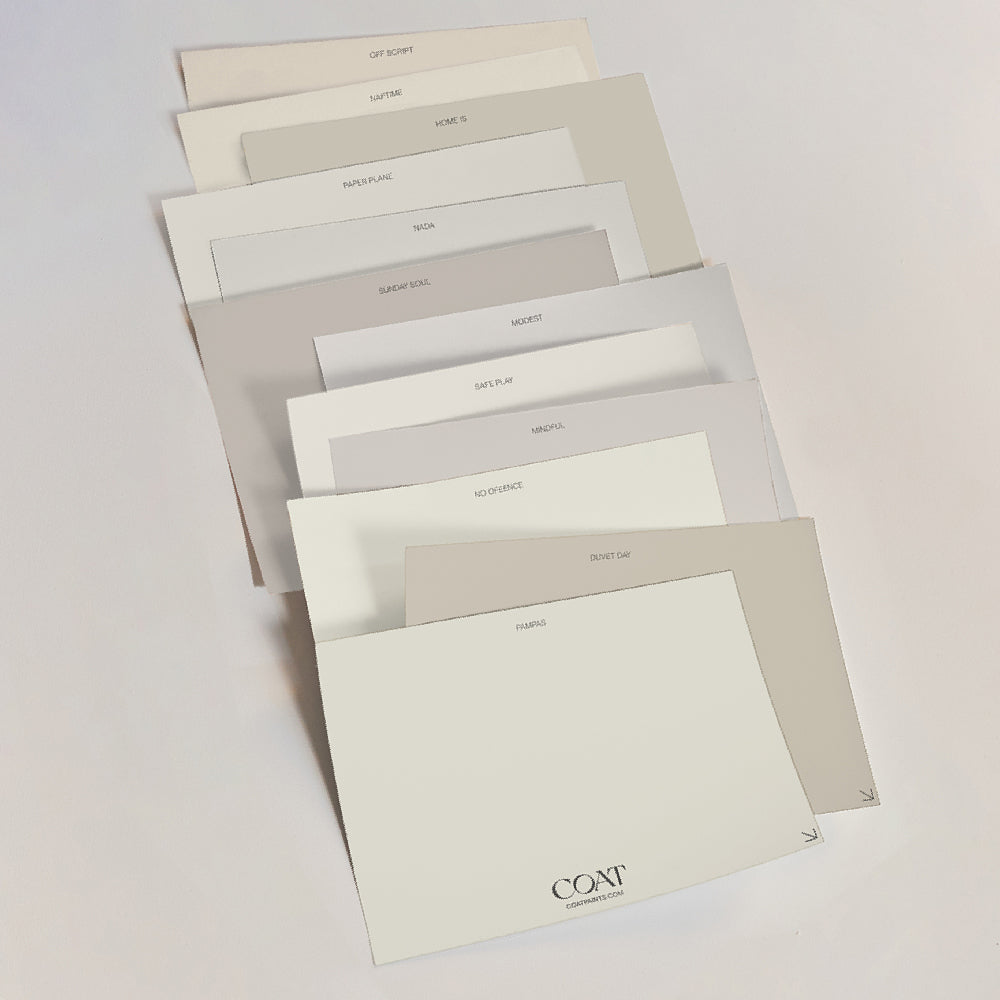
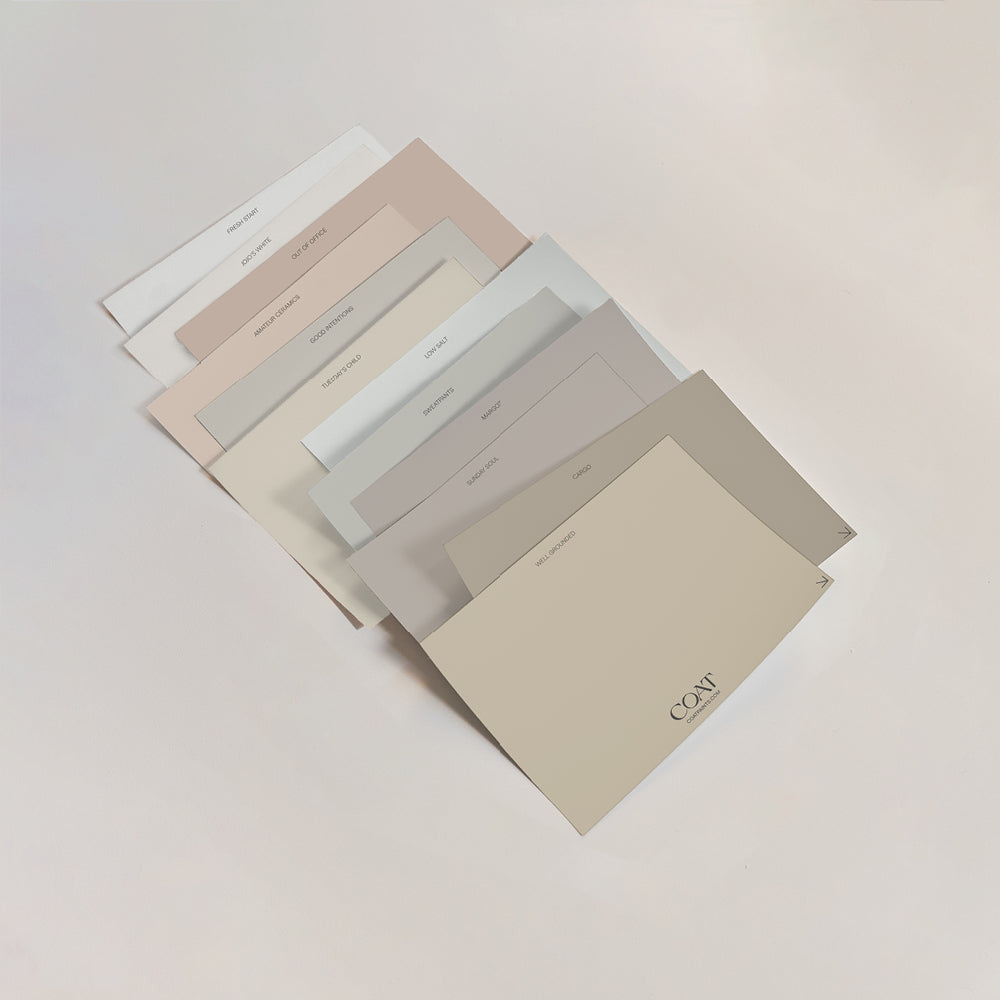
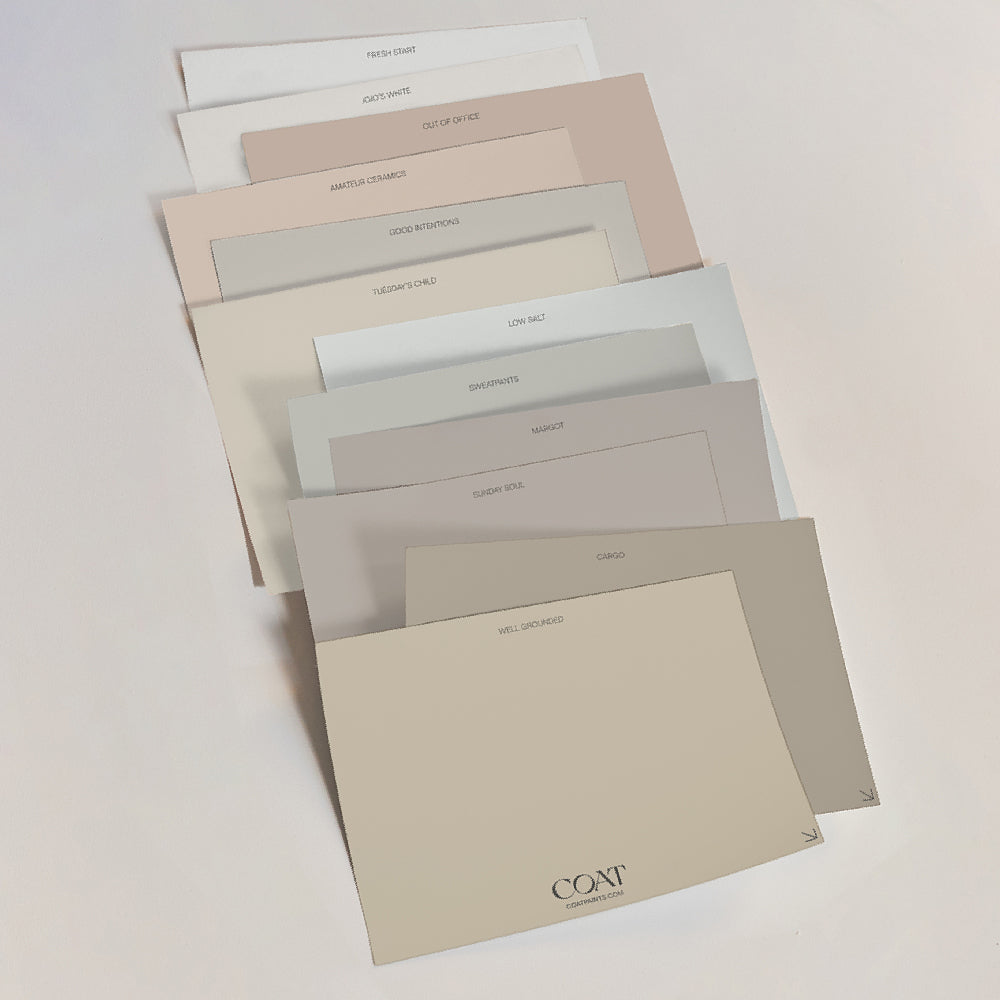
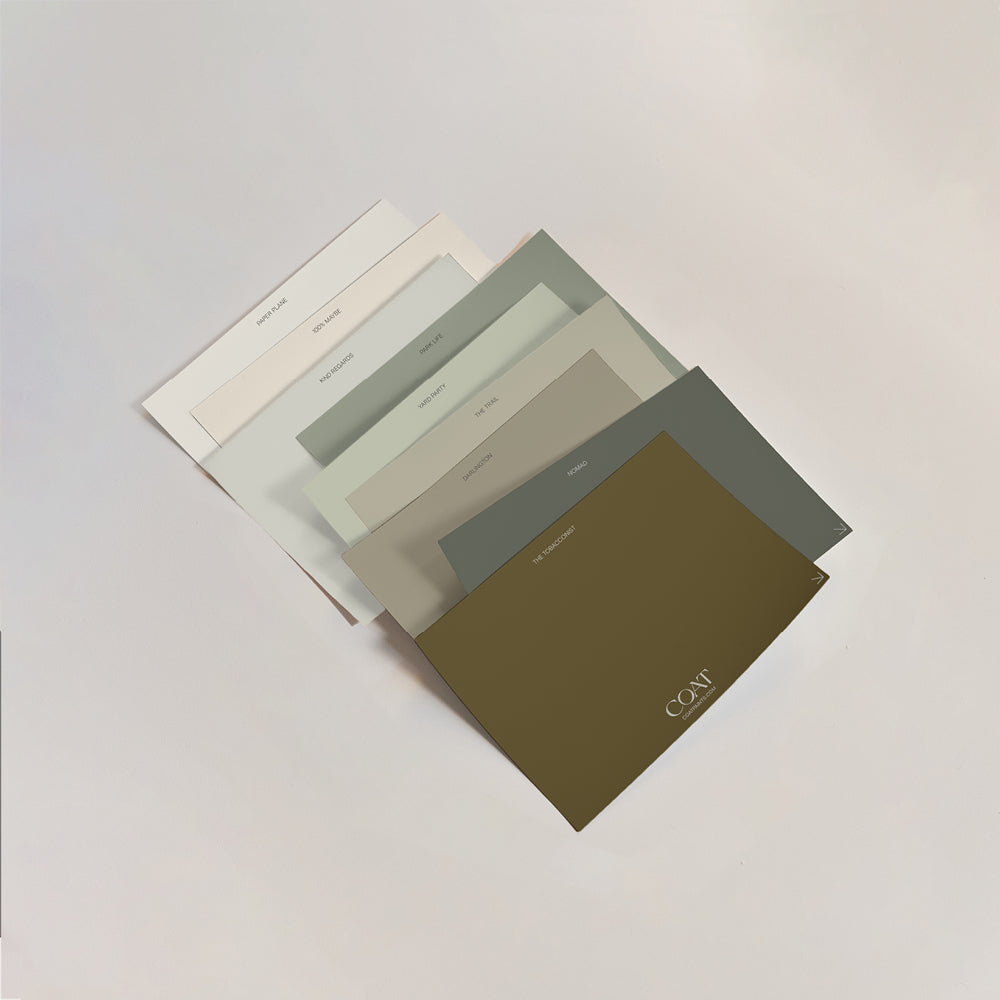
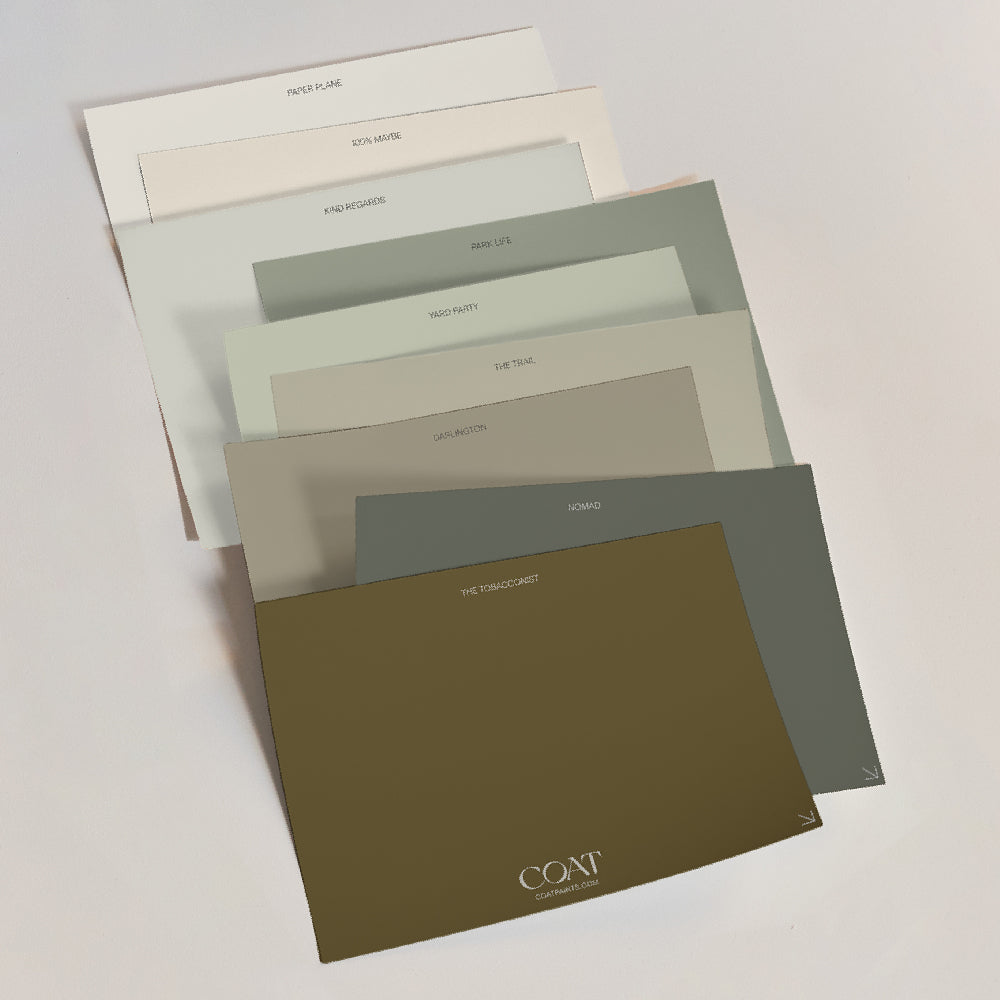
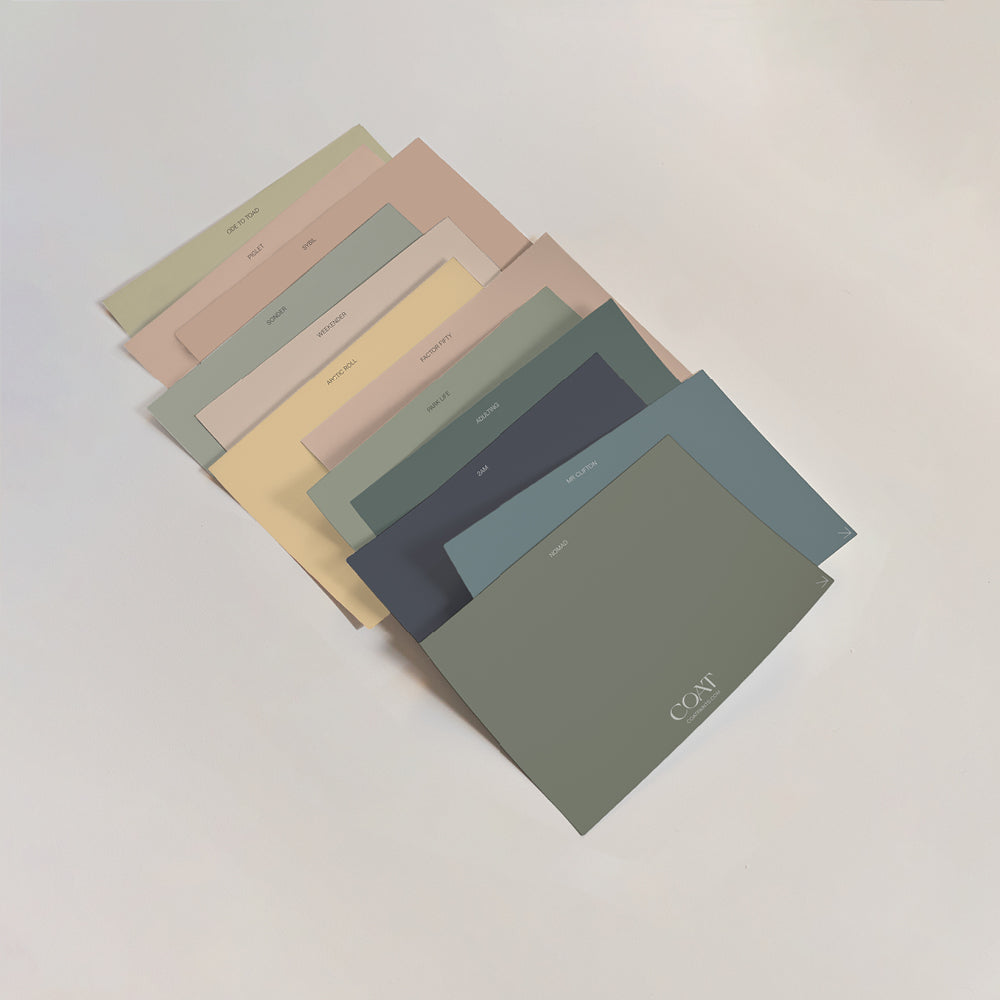
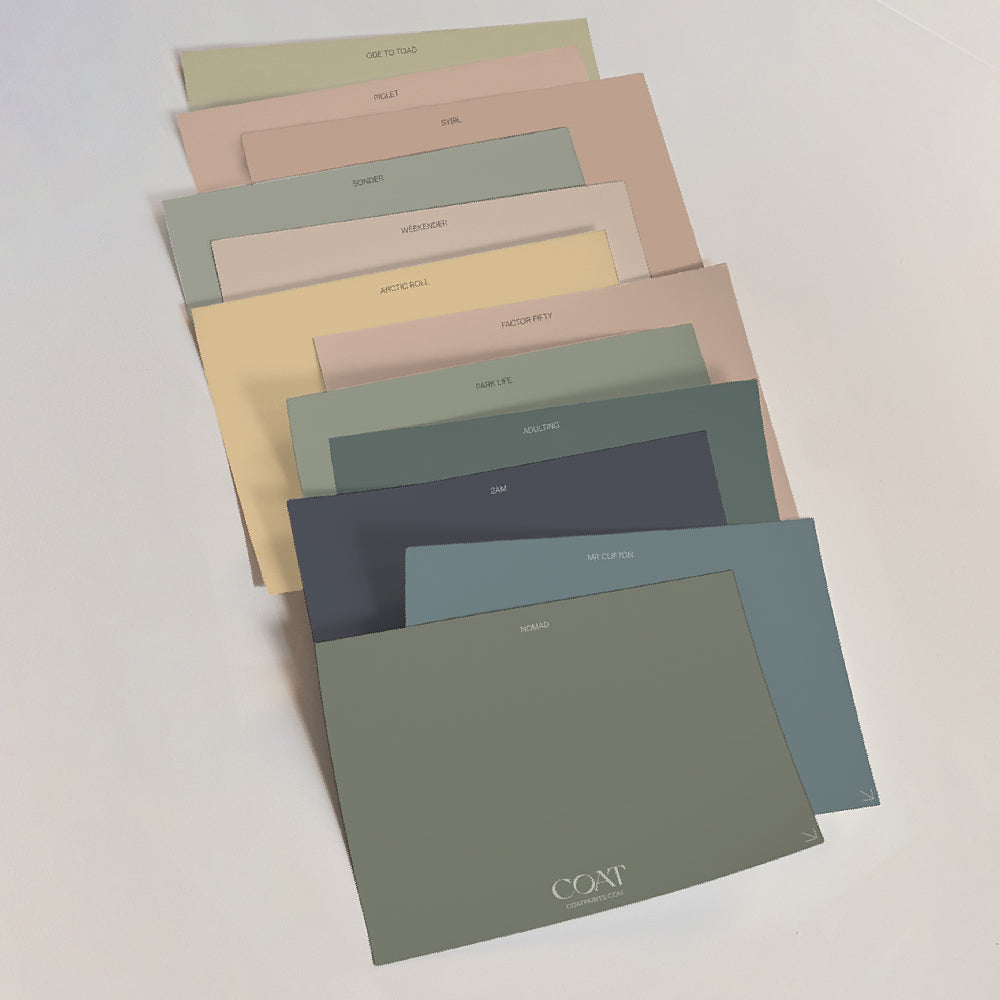
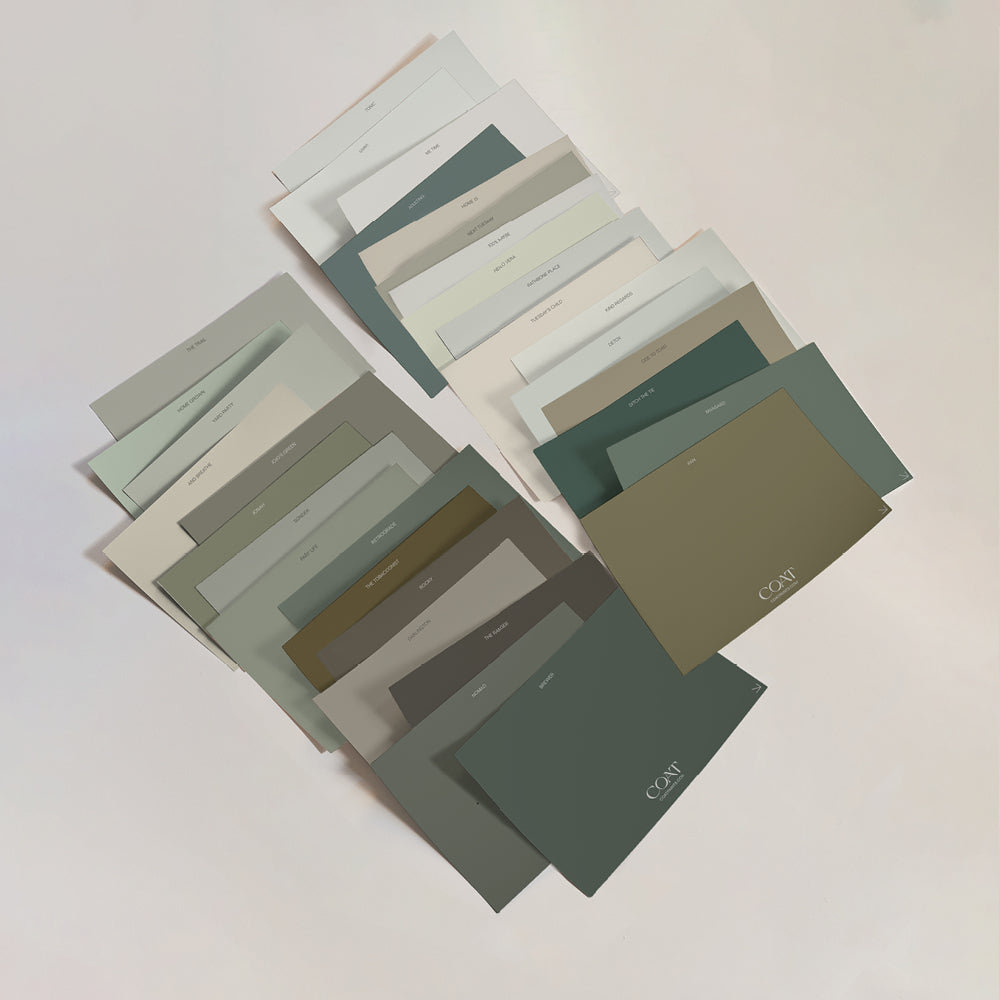
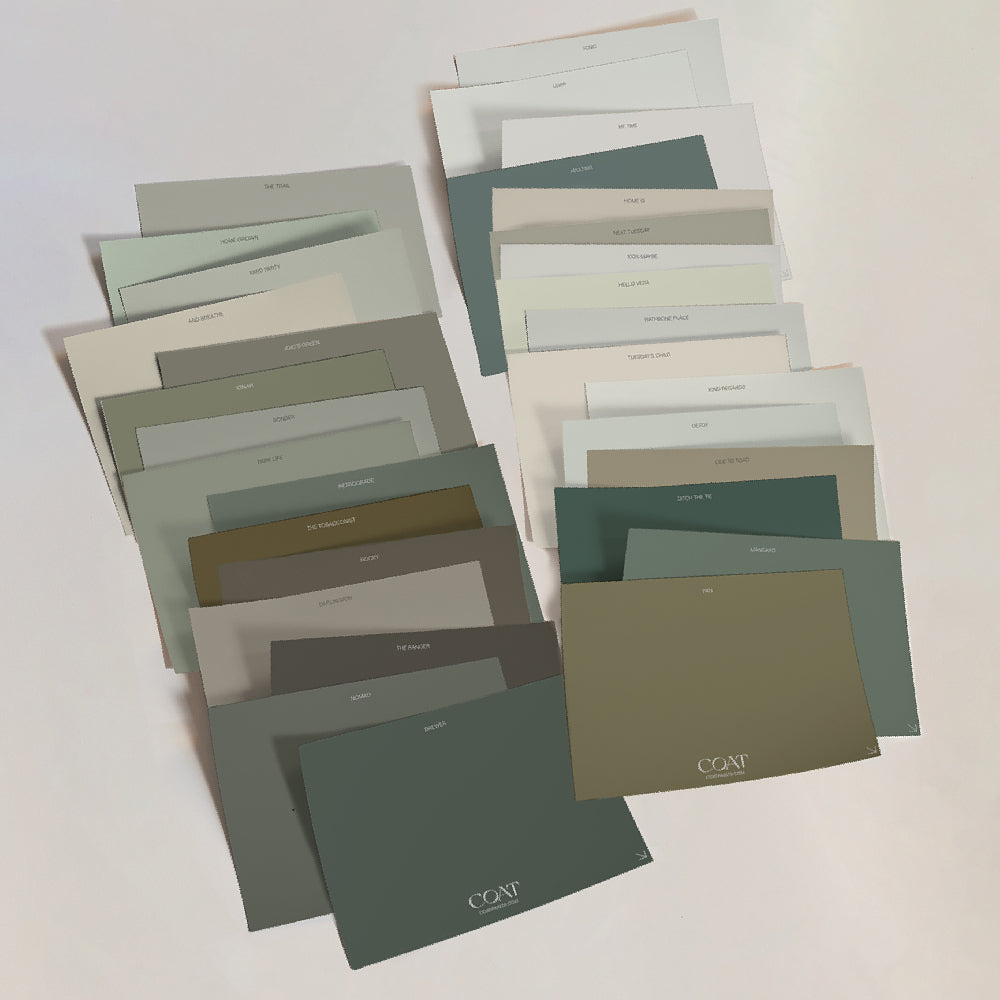
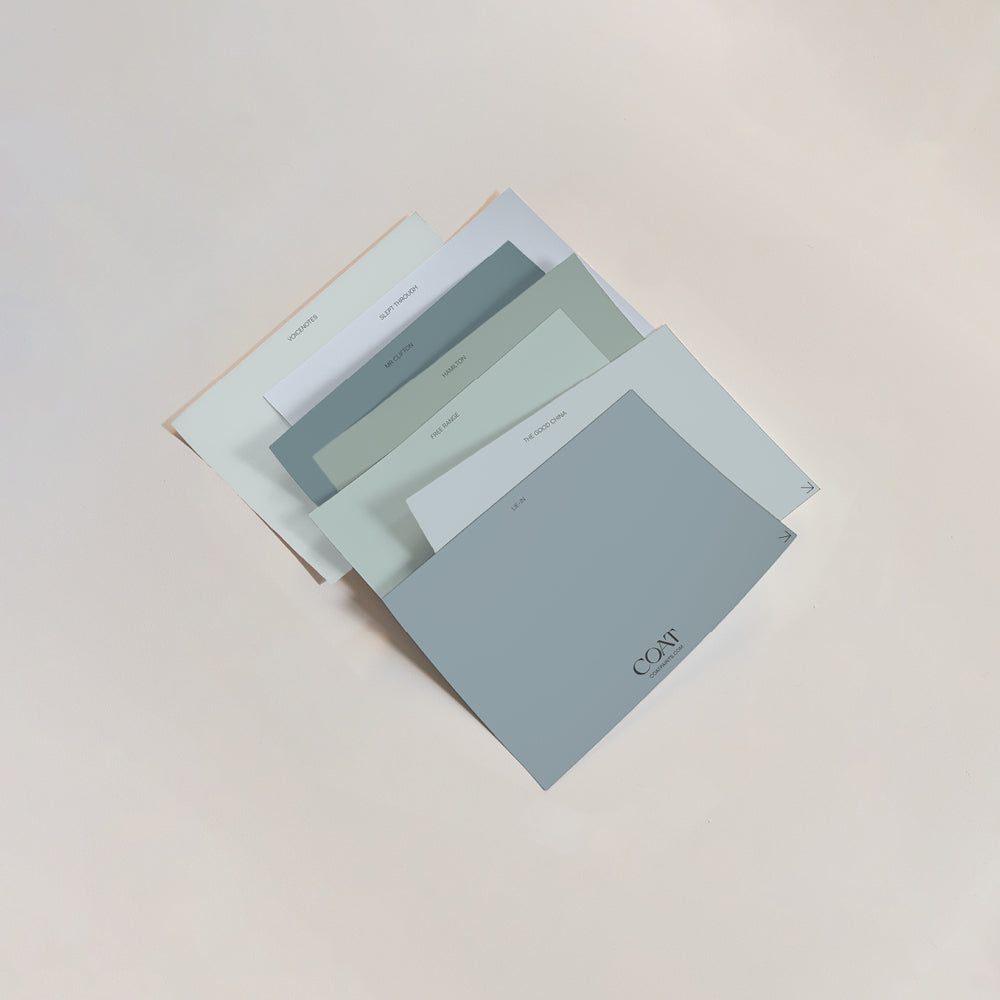
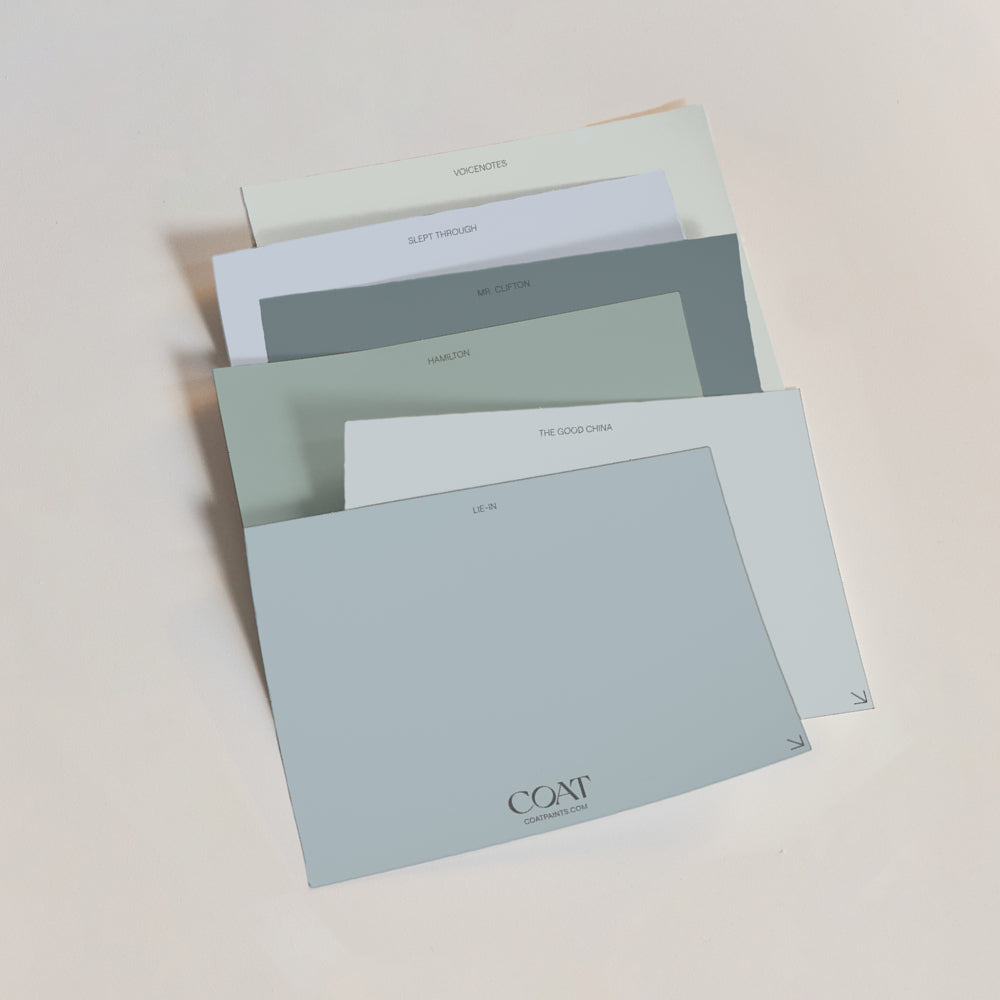
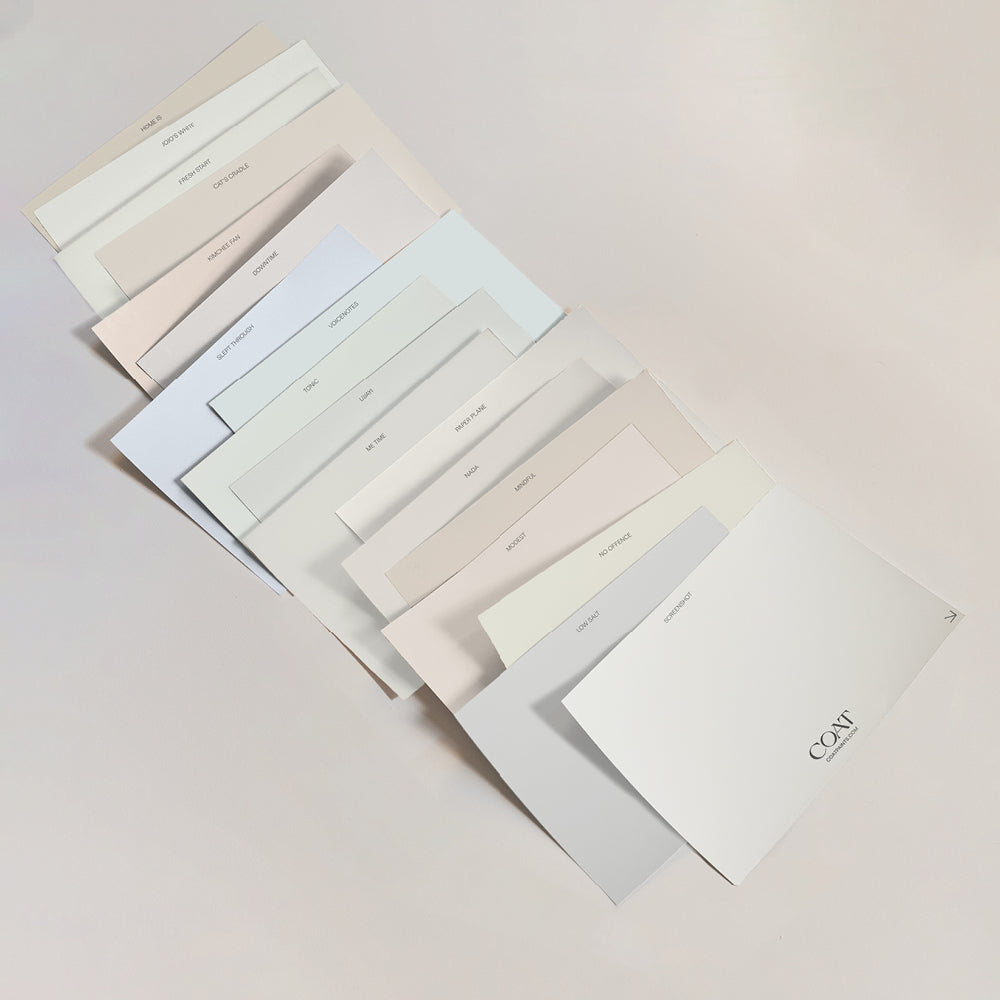
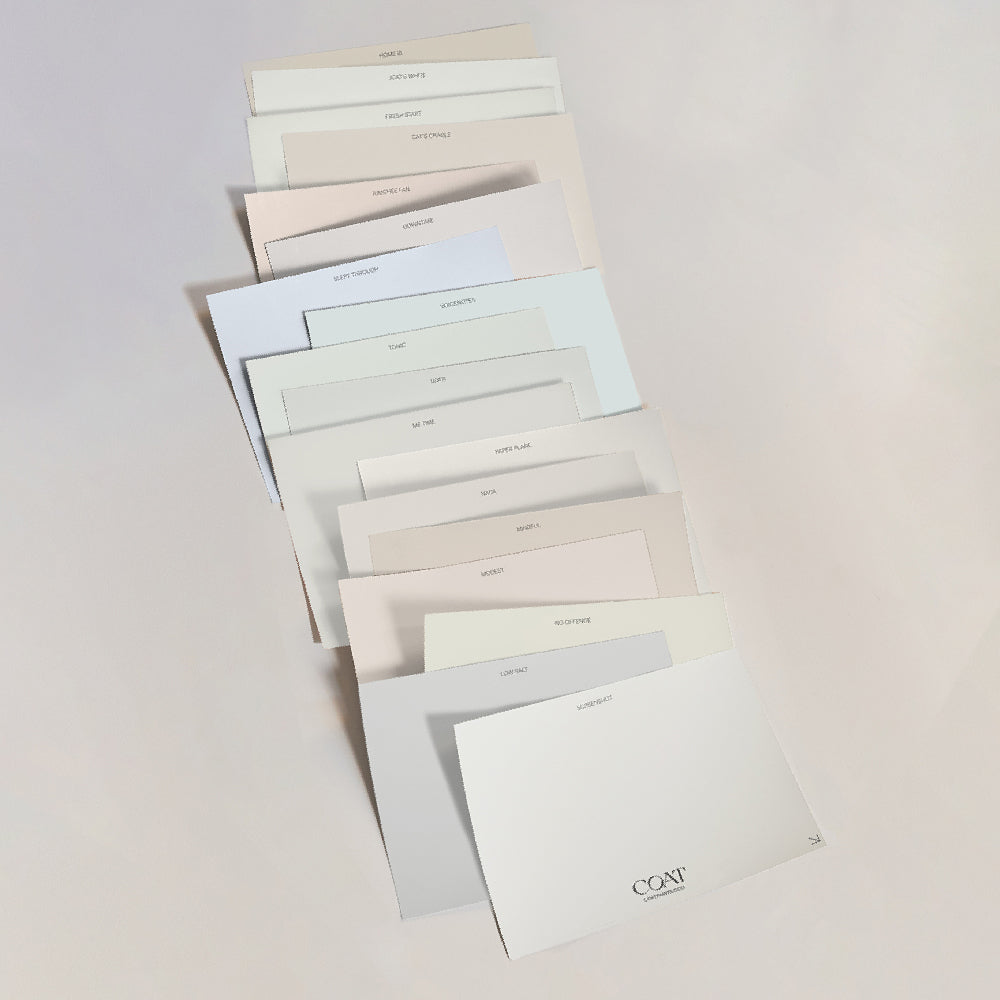
COAT's colour chart isn't organised randomly. Every shade sits within a tonal scale -arranged deliberately from light to dark within each colour family. It's a grid on purpose.
"Creating schemes is a science, but we've done that part. We wanted to make it super easy for people to create designer schemes in their own homes - this hack gets you the expensive designer look, without the cost." says Rob Abrahams, COAT Founder.
The closer together two shades sit on the chart, the more subtle the contrast between them. The further apart, the more drama. You choose the mood.

Three Tonal Combinations to Try
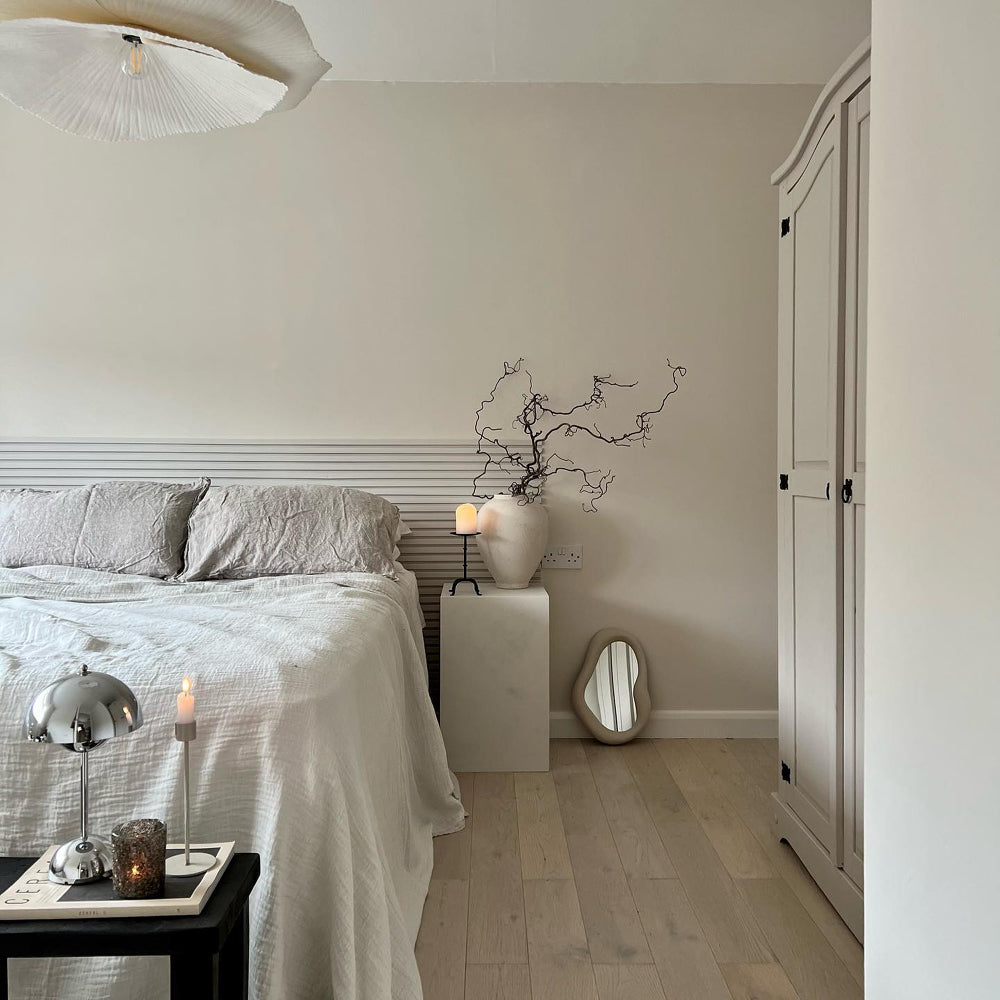
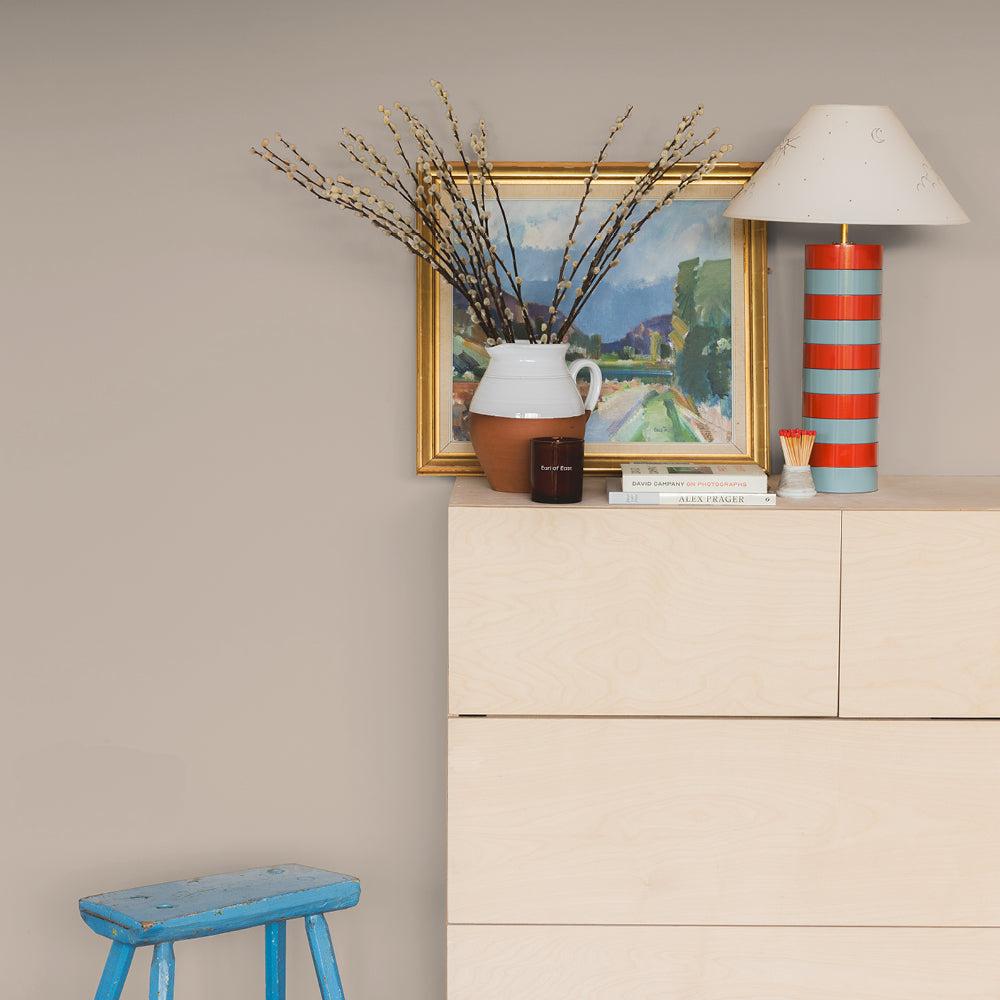
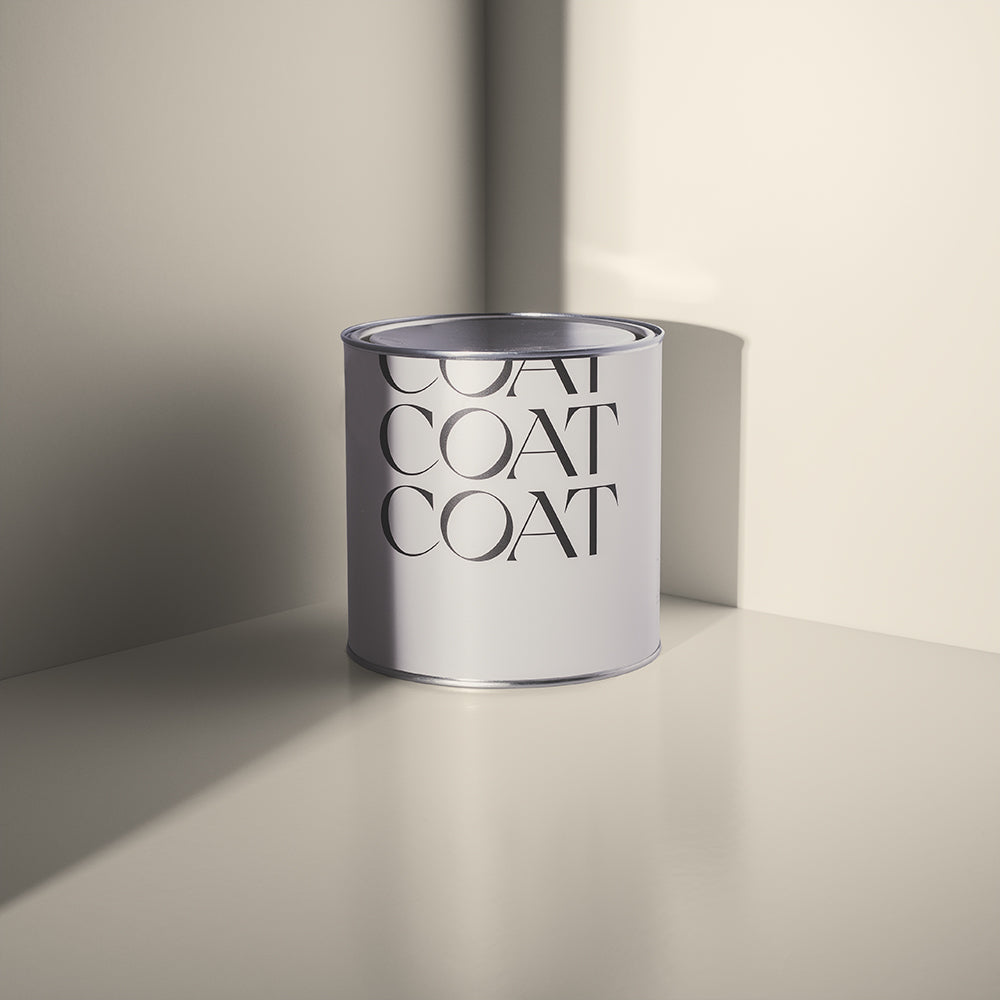
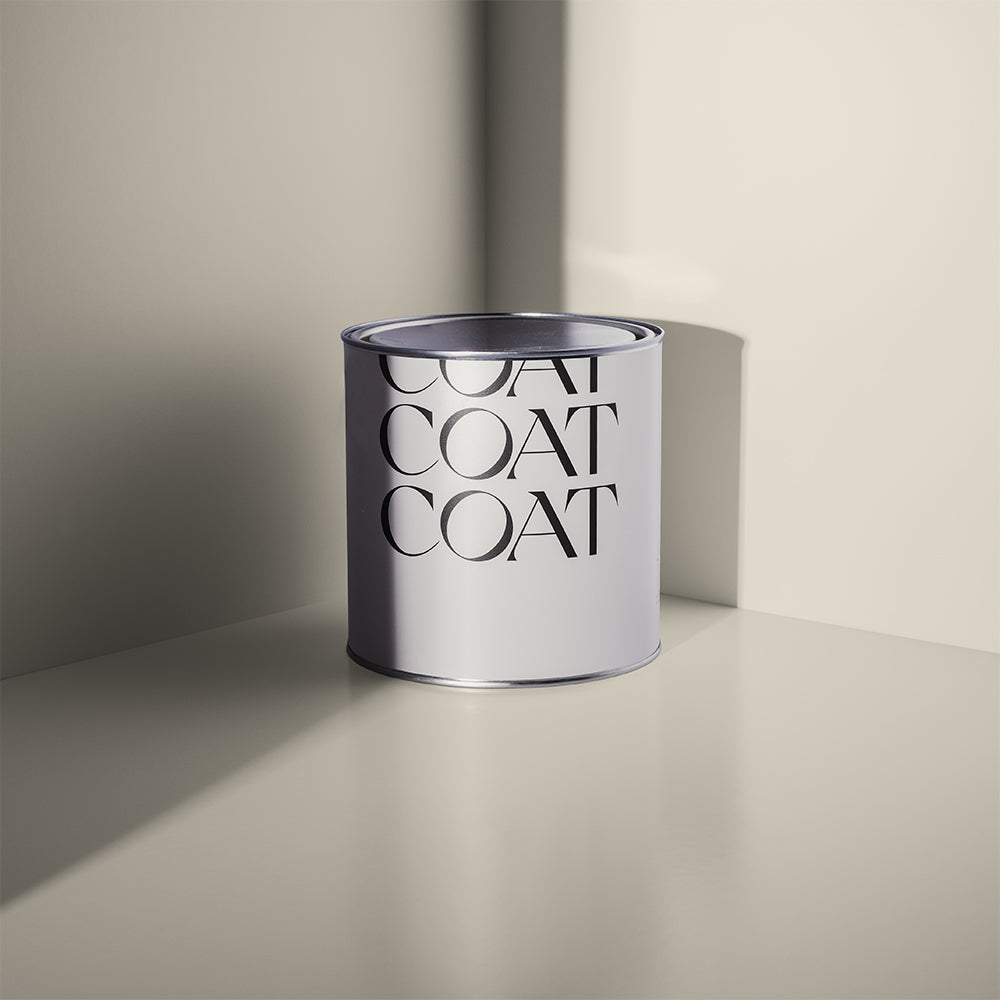
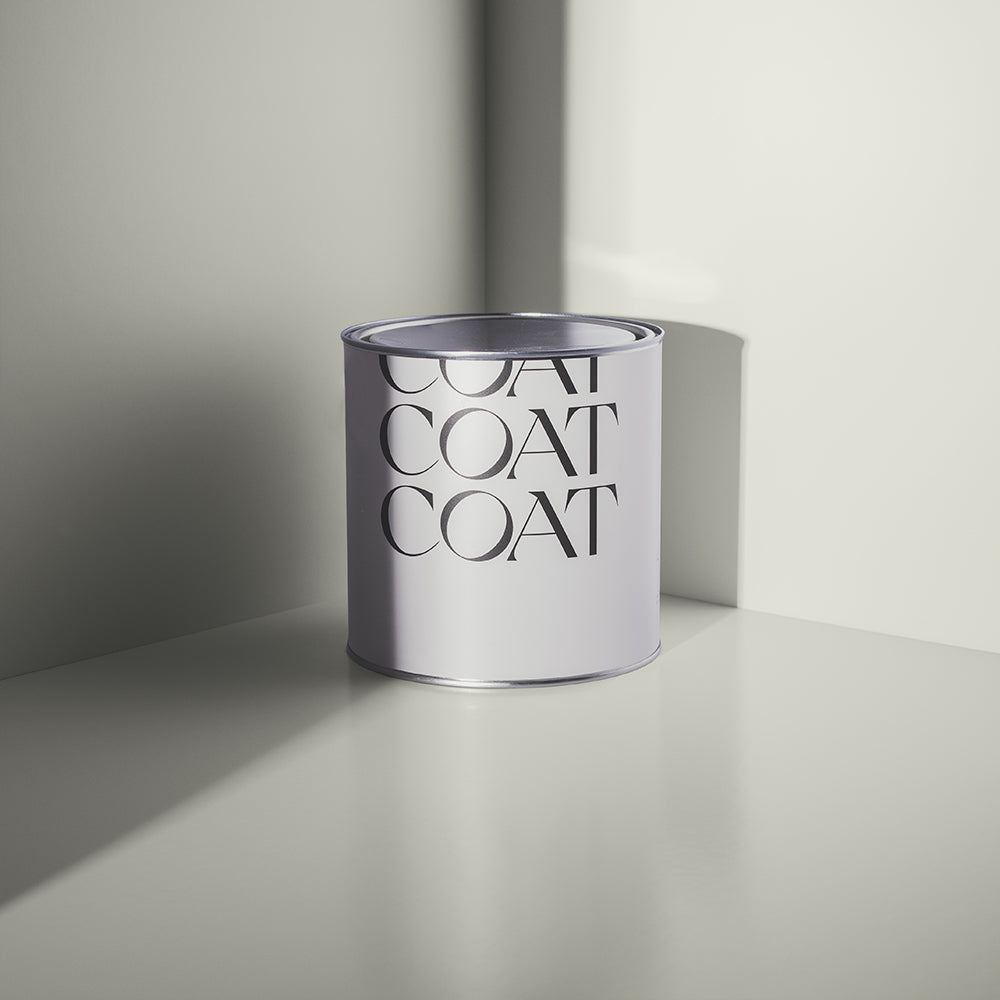
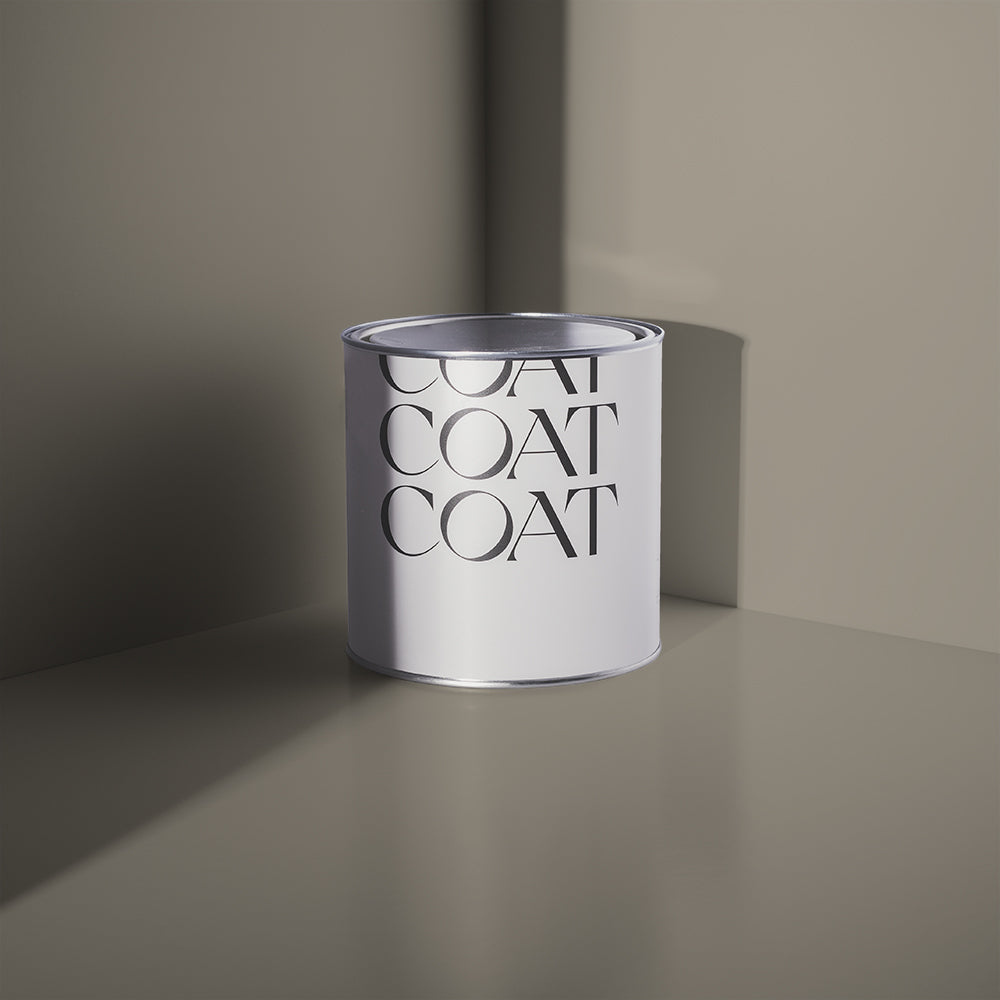
Warm Neutrals: Nada, Modest, Mindful
This is one of the most versatile tonal families in the range — and consistently among our best-loved.
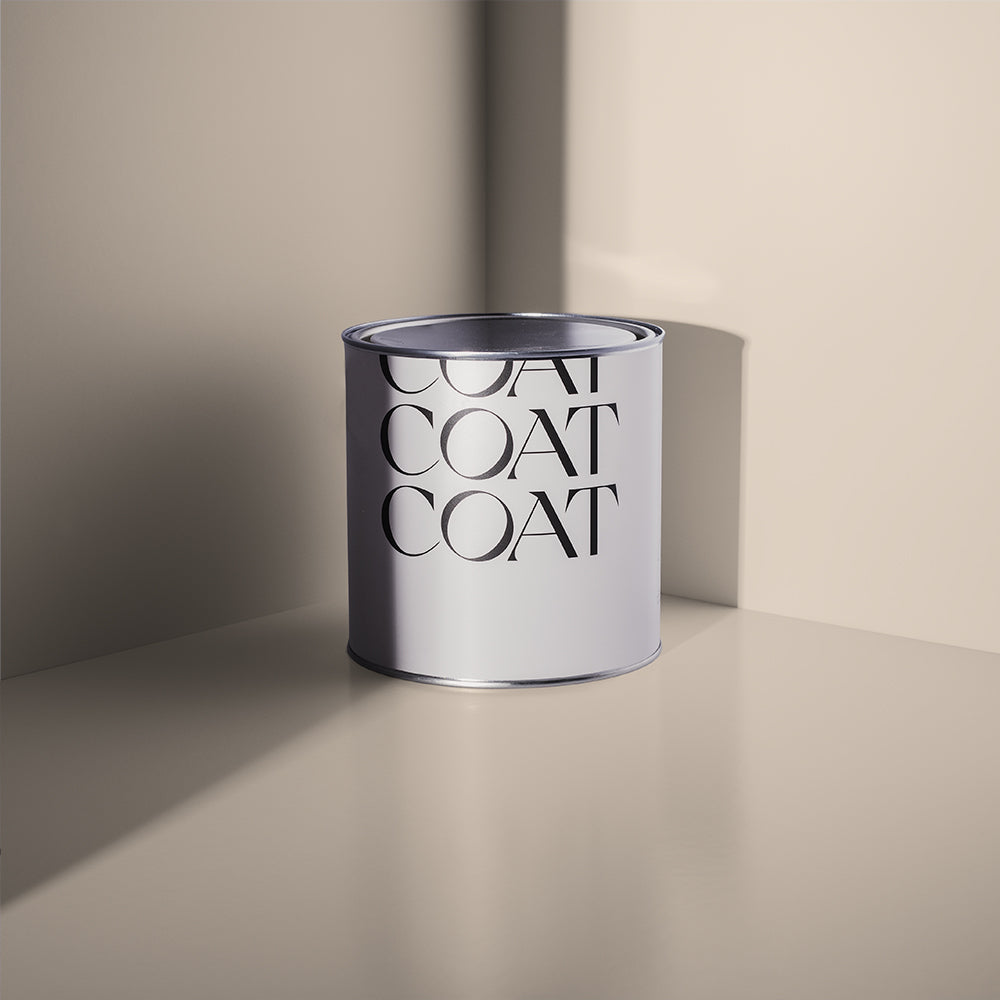
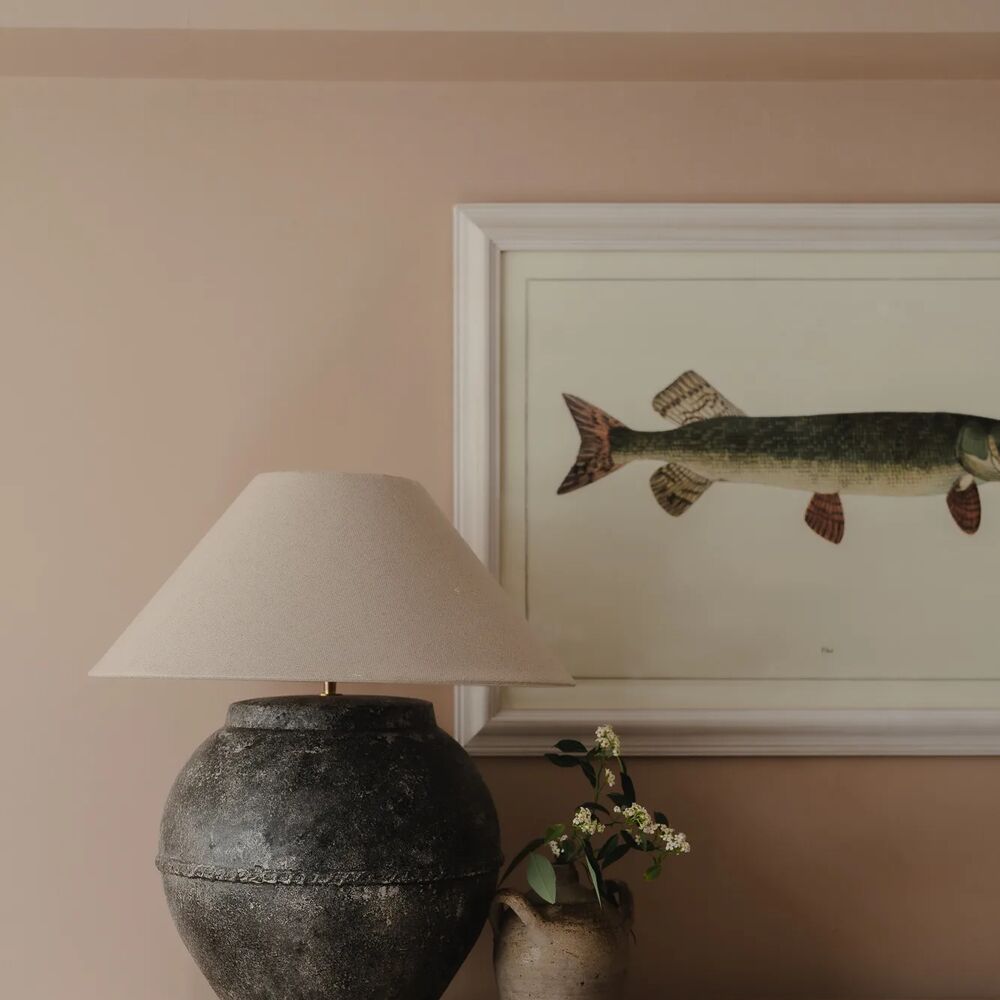
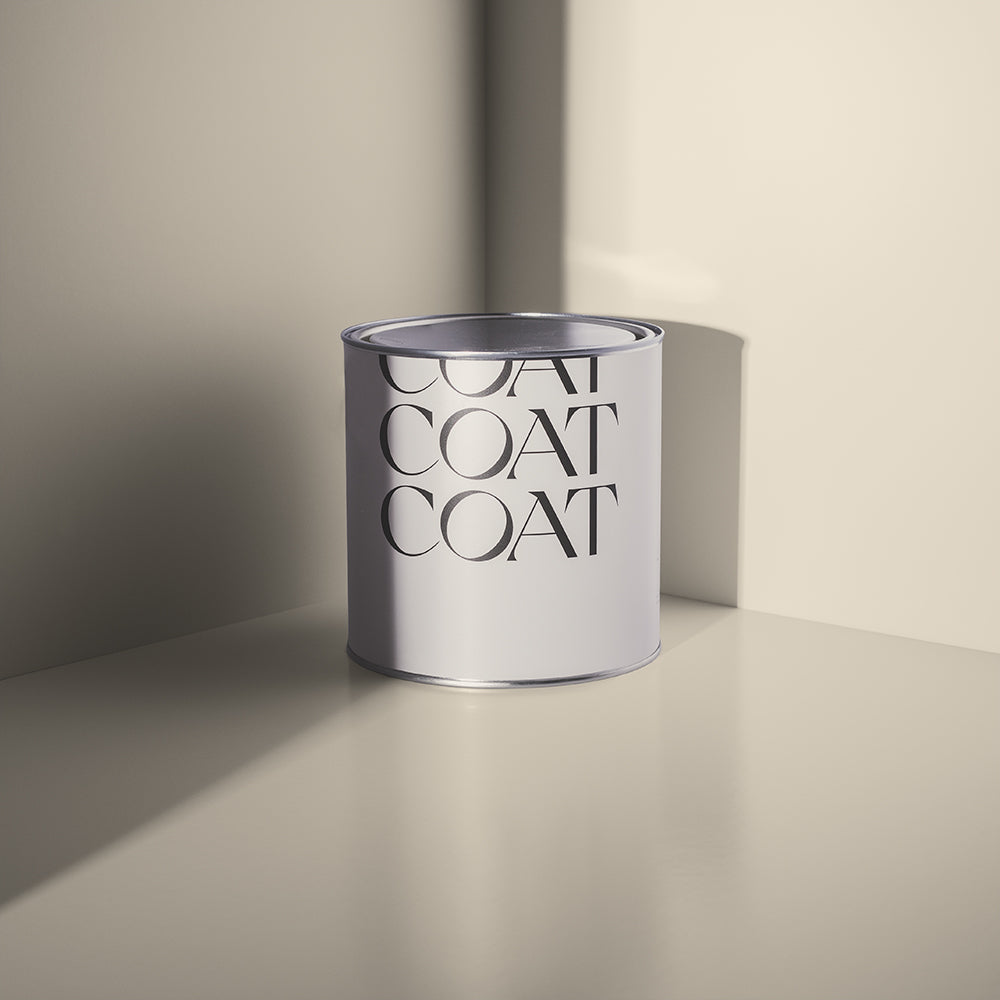
Nada is a natural taupe white — warm, grounded, and the lightest anchor of the three. Use it on ceilings or as a trim colour for a seamless, layered feel.
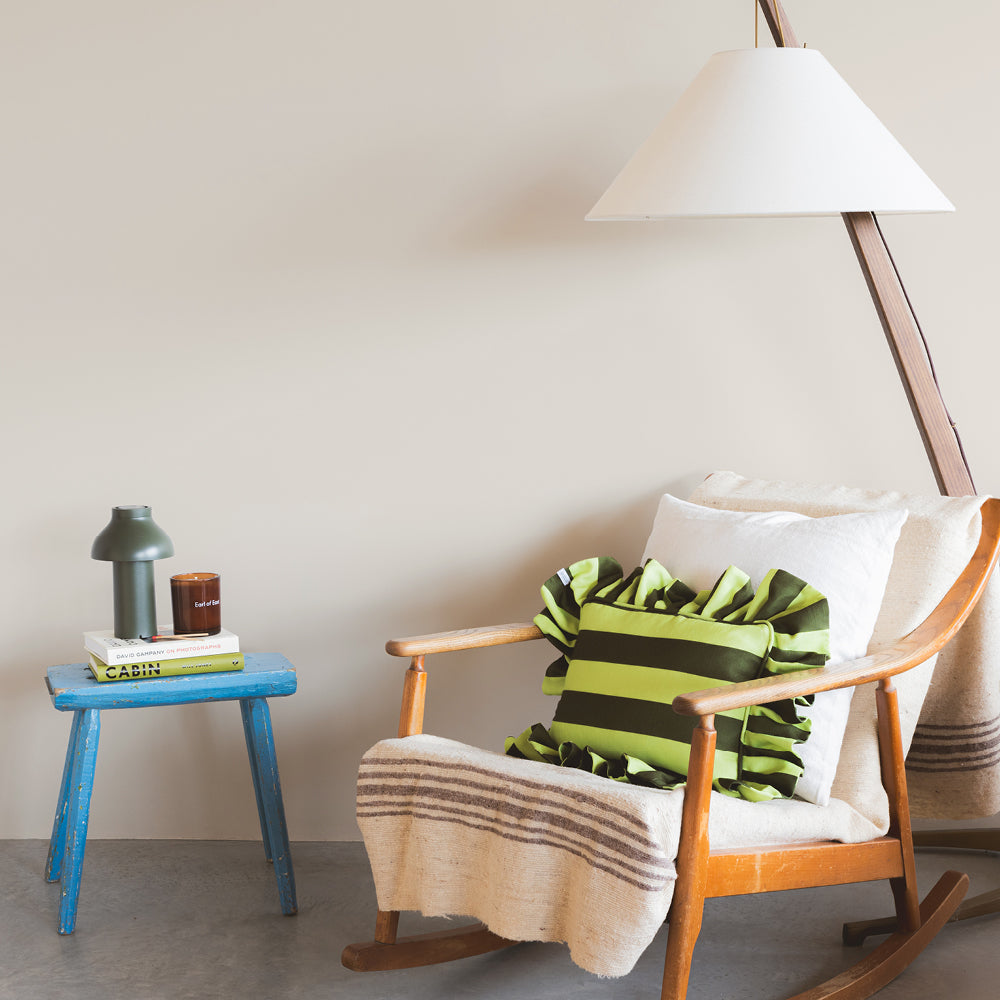
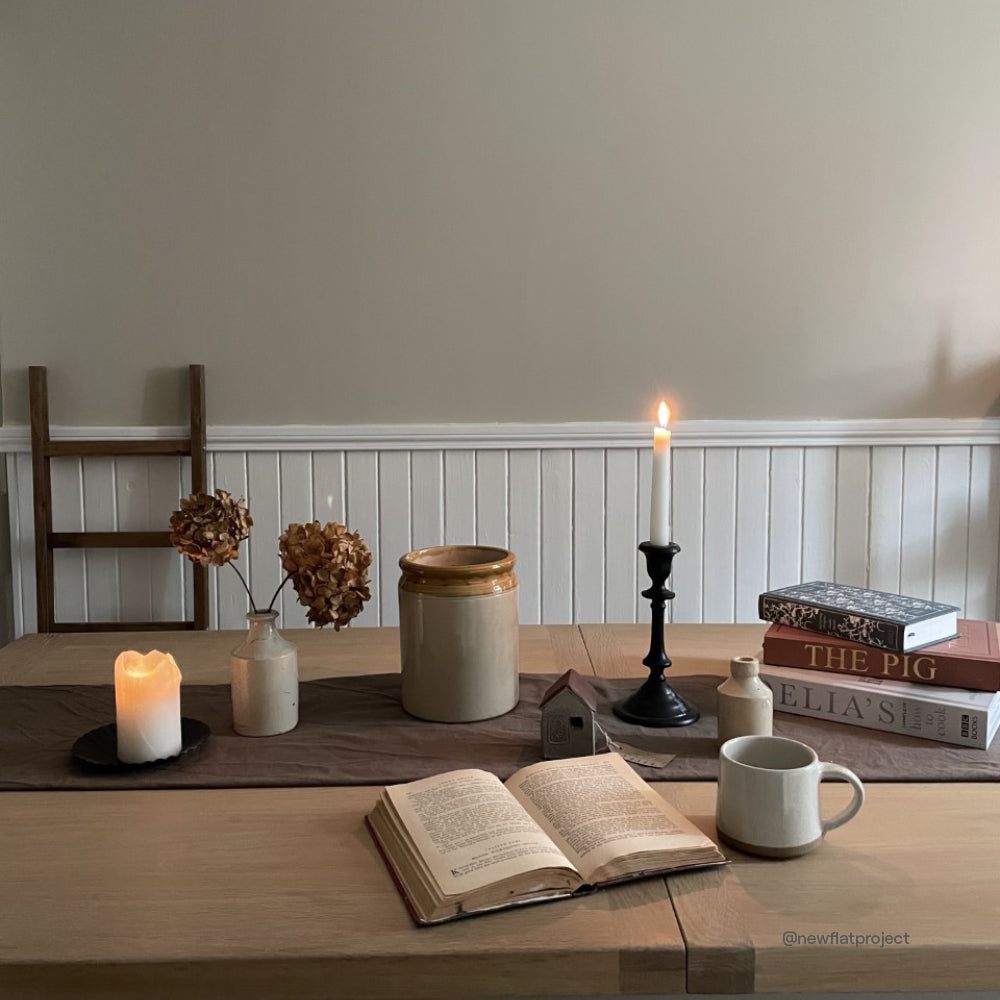
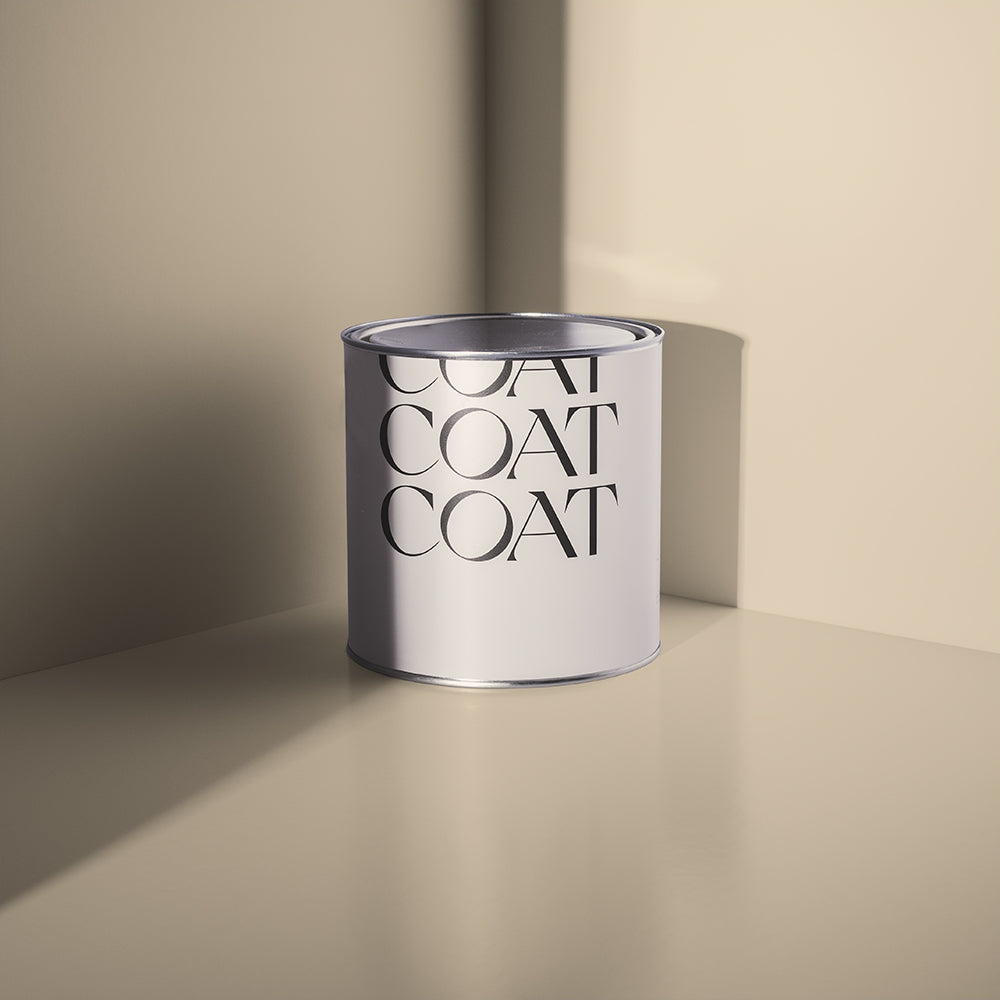
Modest steps up in depth — a grounded off-white that holds its warmth in any light. A confident main wall colour that never overwhelms.
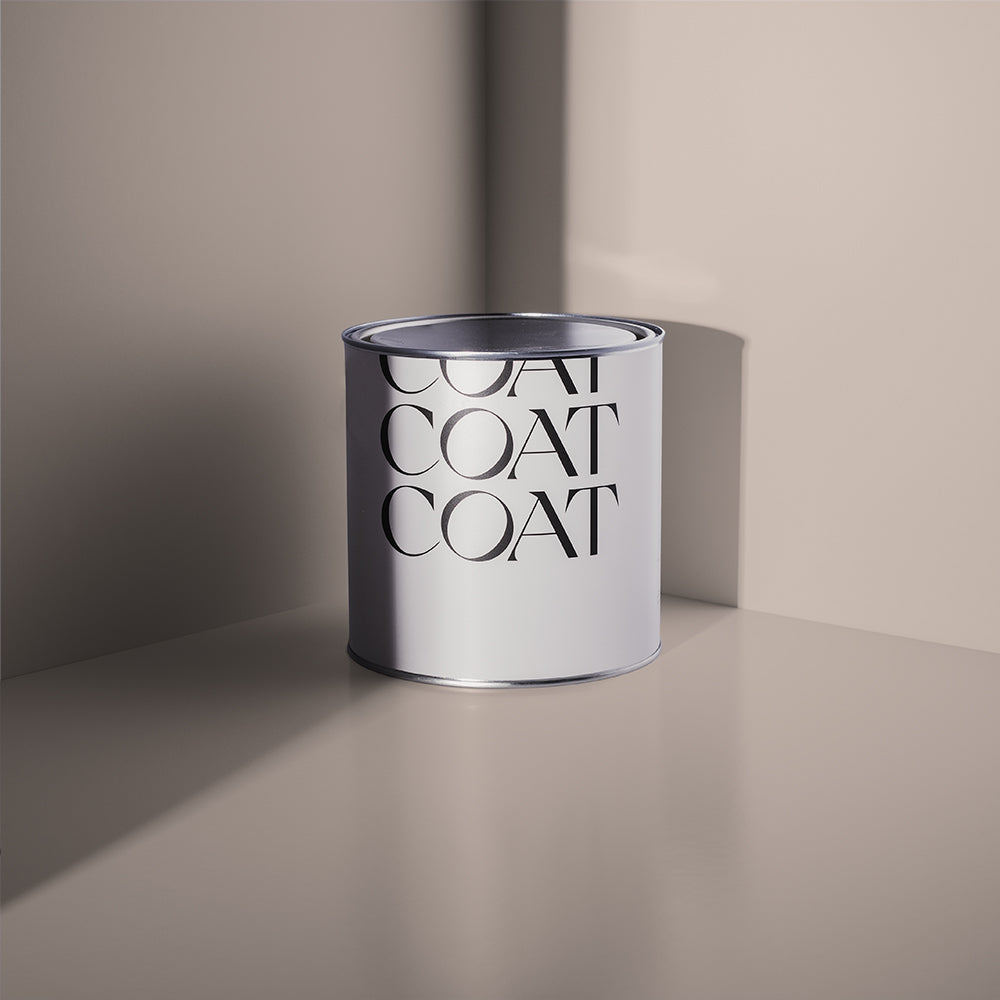
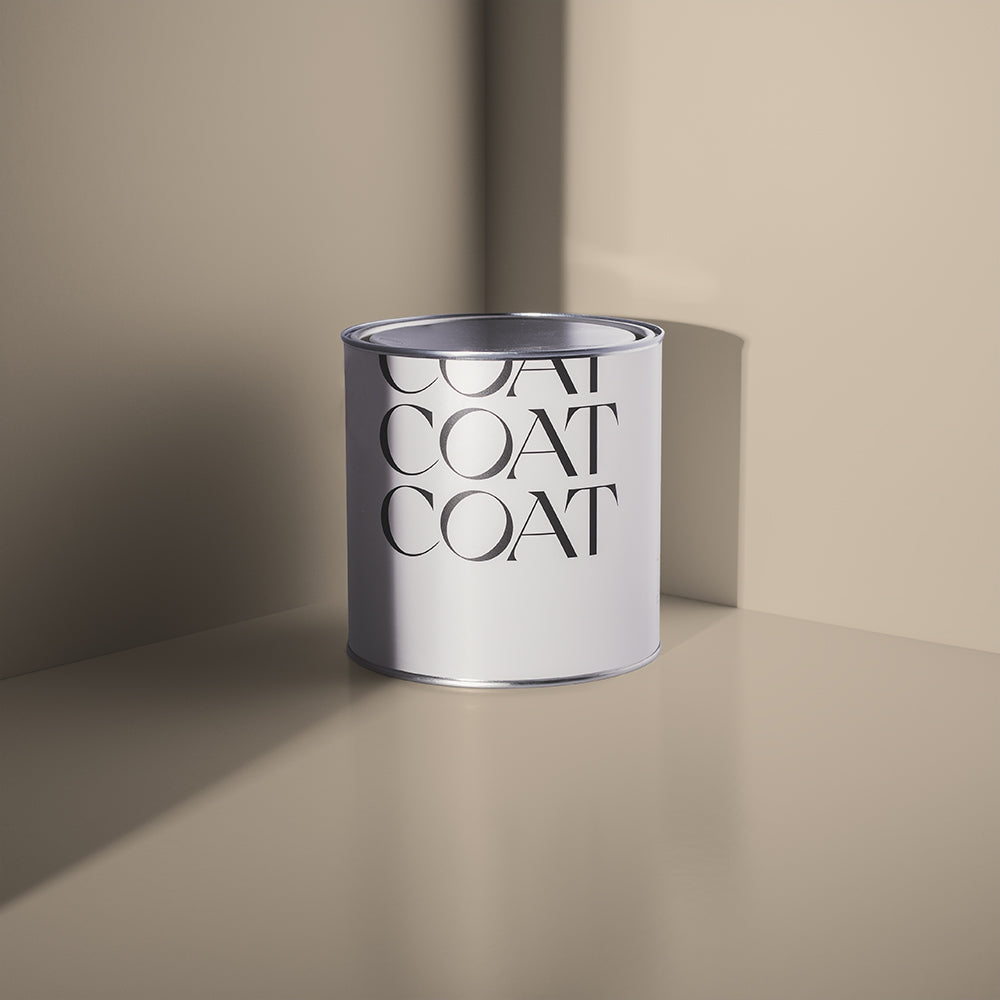
Mindful brings the grounding. A bright yet earthy pale taupe that adds presence without weight. Use it on a single wall, on built-in joinery, or in an adjacent space for a pulled-together flow.
Together, these three create the kind of tonal warmth that feels genuinely expensive — because it's considered, not accidental.

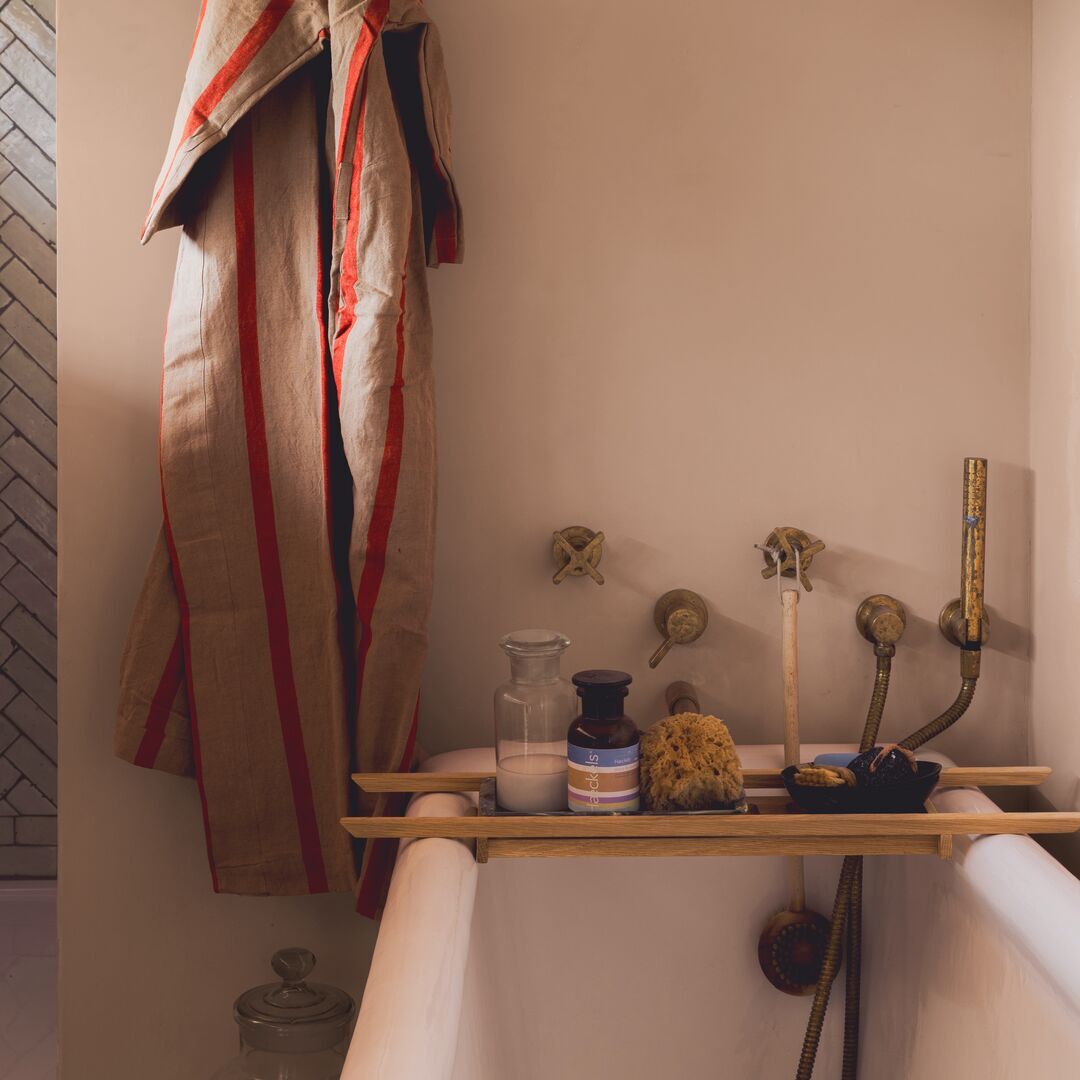
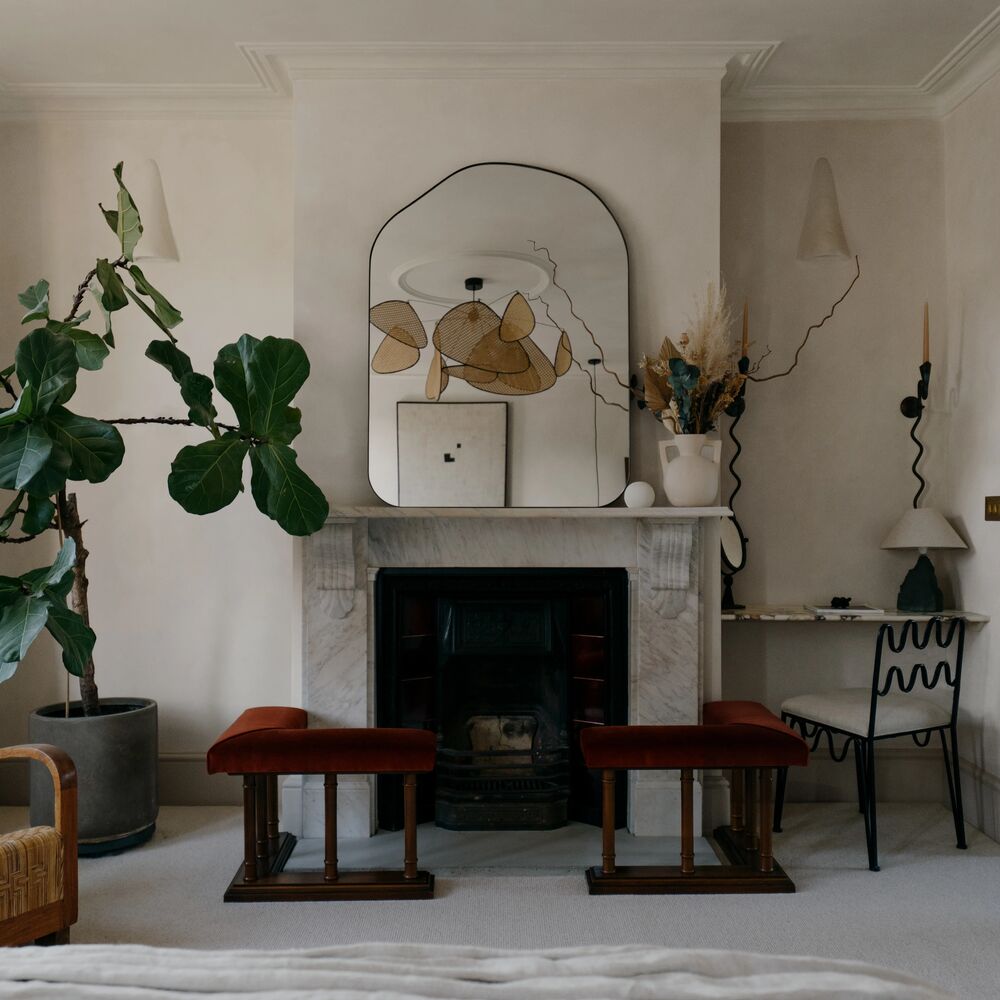
Plasters: Cat's Cradle, Amateur Ceramics, Weekender
Plaster tones have had a moment — but done well, they're timeless rather than trendy.
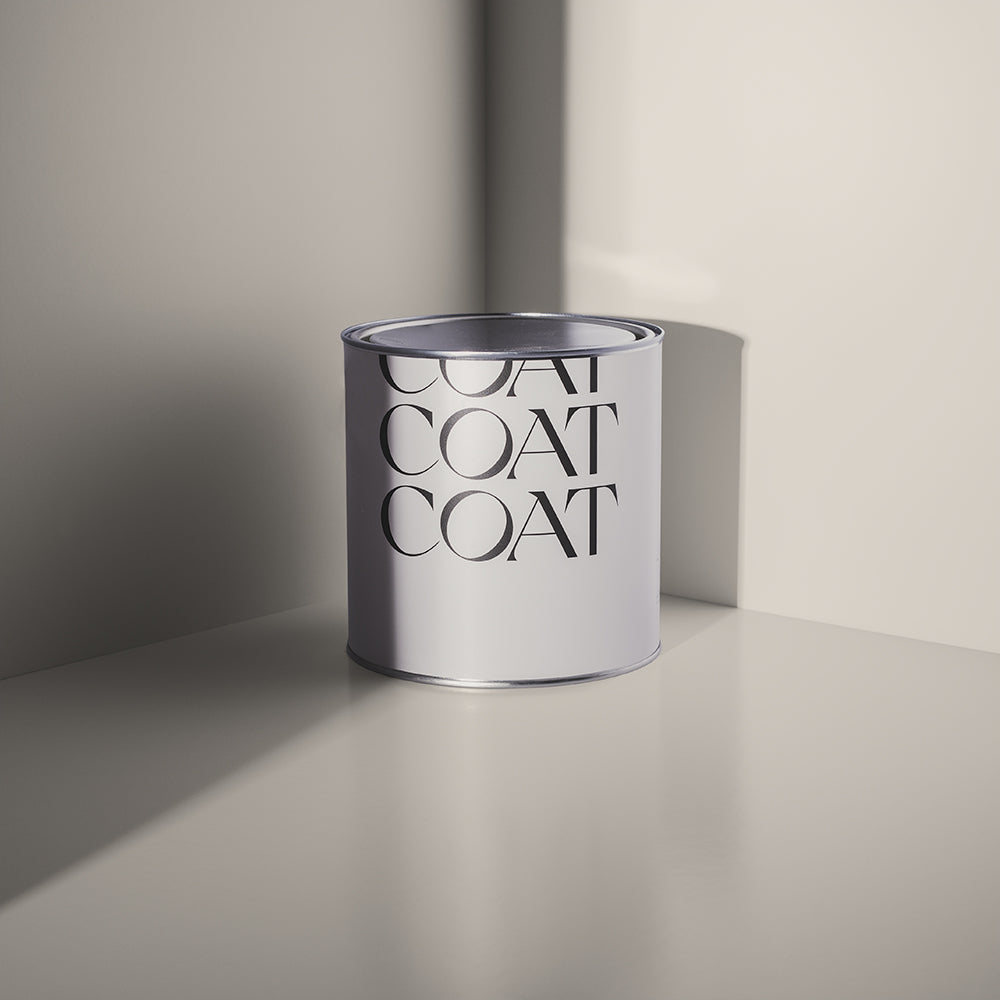
Cat's Cradle is the quiet opener: a soft plaster white with a touch of stone. Elegant, airy, and works anywhere without effort.
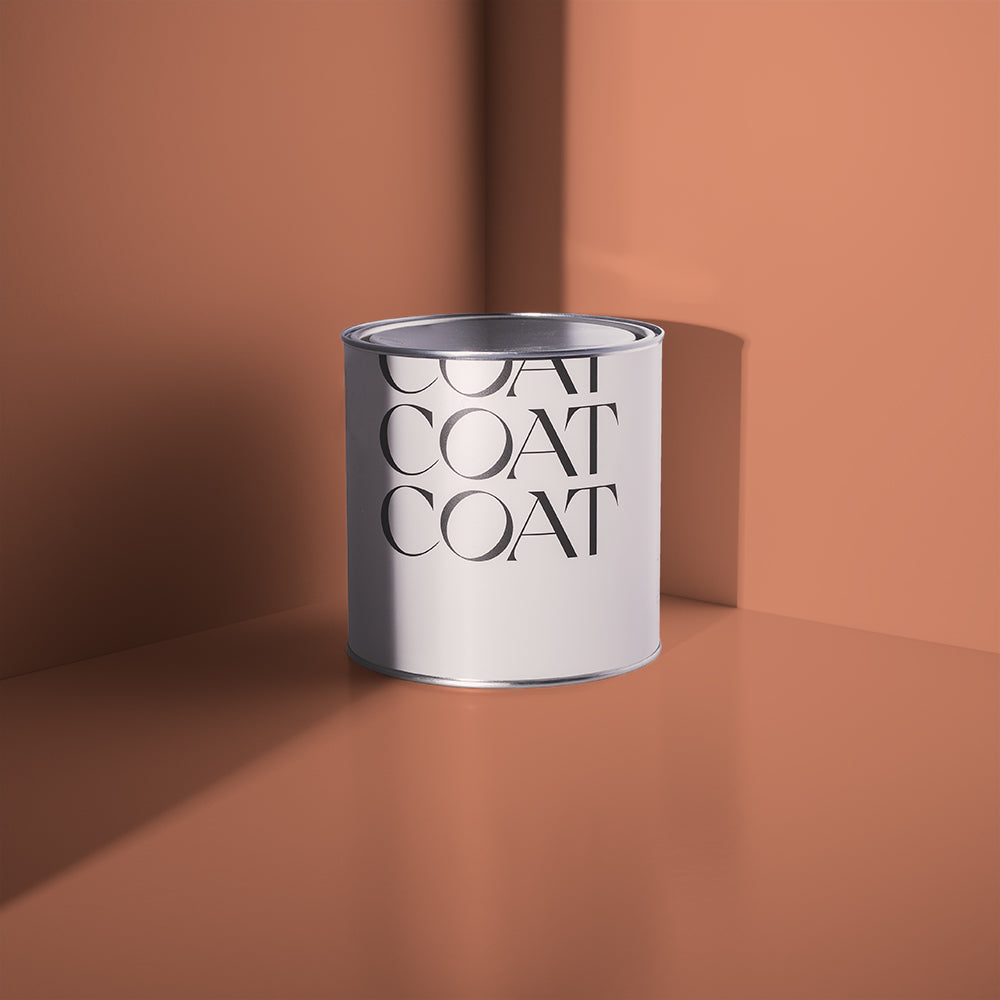
Out of Office adds the subtlest terracotta warmth - organic, sophisticated, with enough character to hold its own on a main wall.
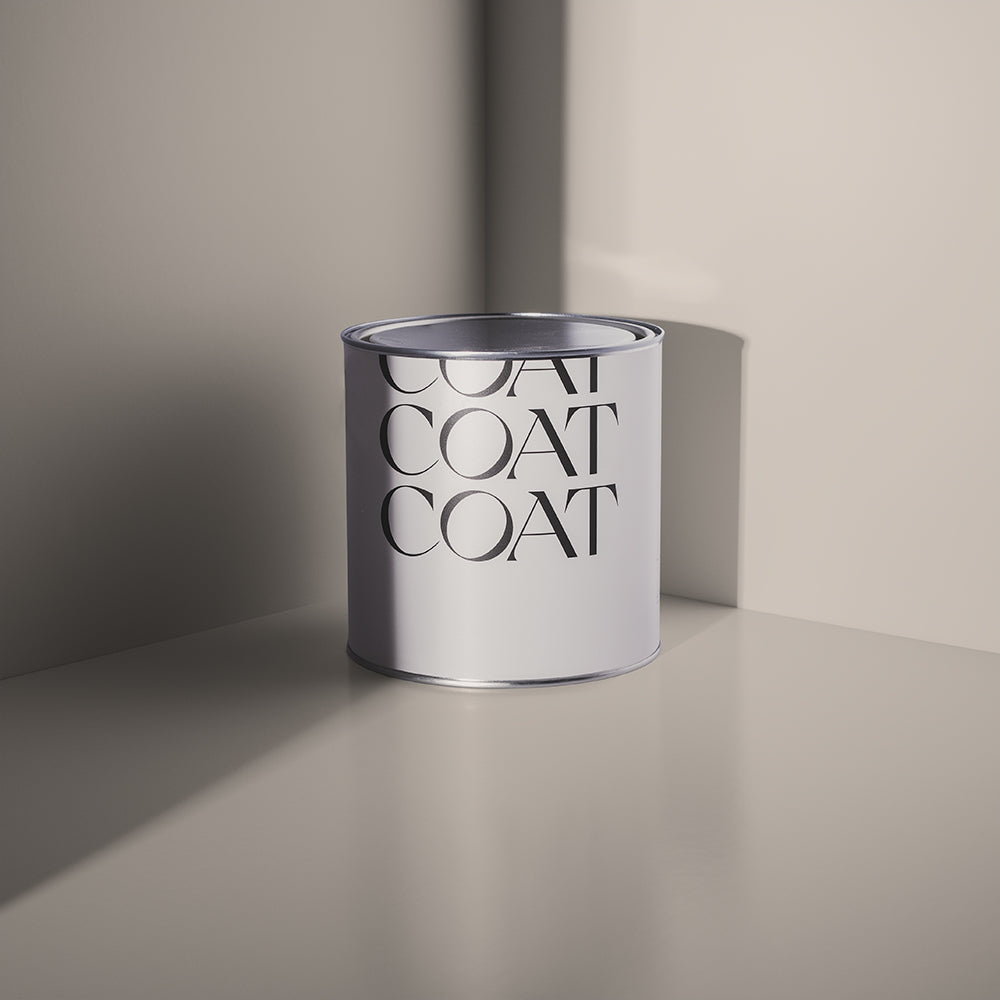
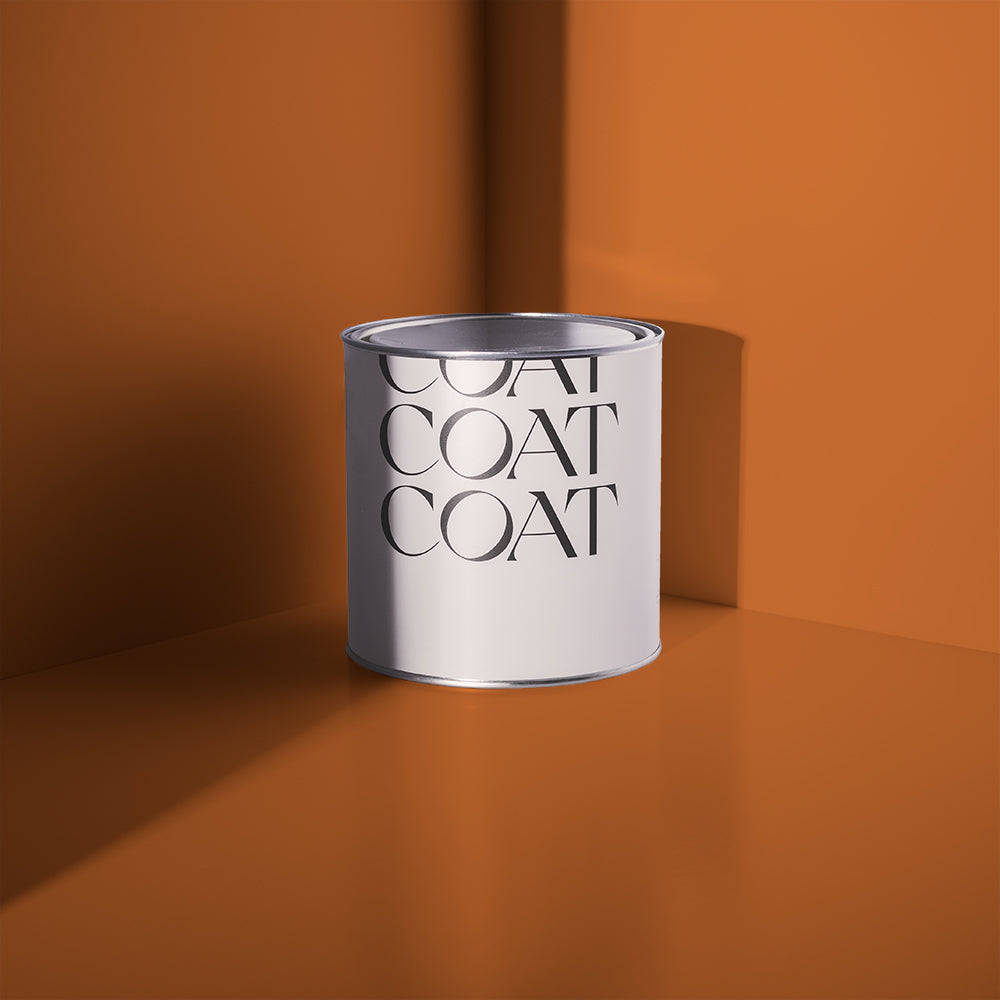
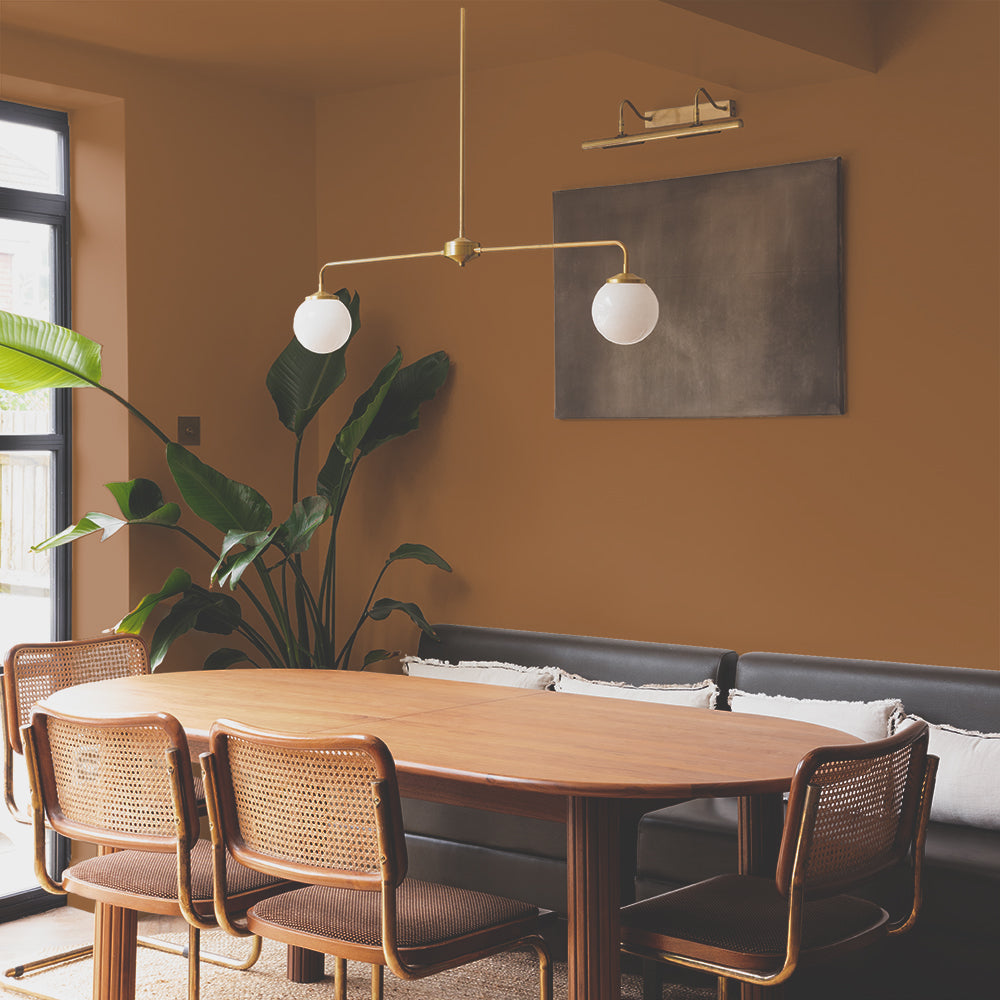
Weekender is the deepest of the trio: baked-in warmth with that same plaster vibe, but richer. Use it in a snug, a dining room, or on lower panelling to add depth and a properly luxurious feel - without a bold colour in sight.

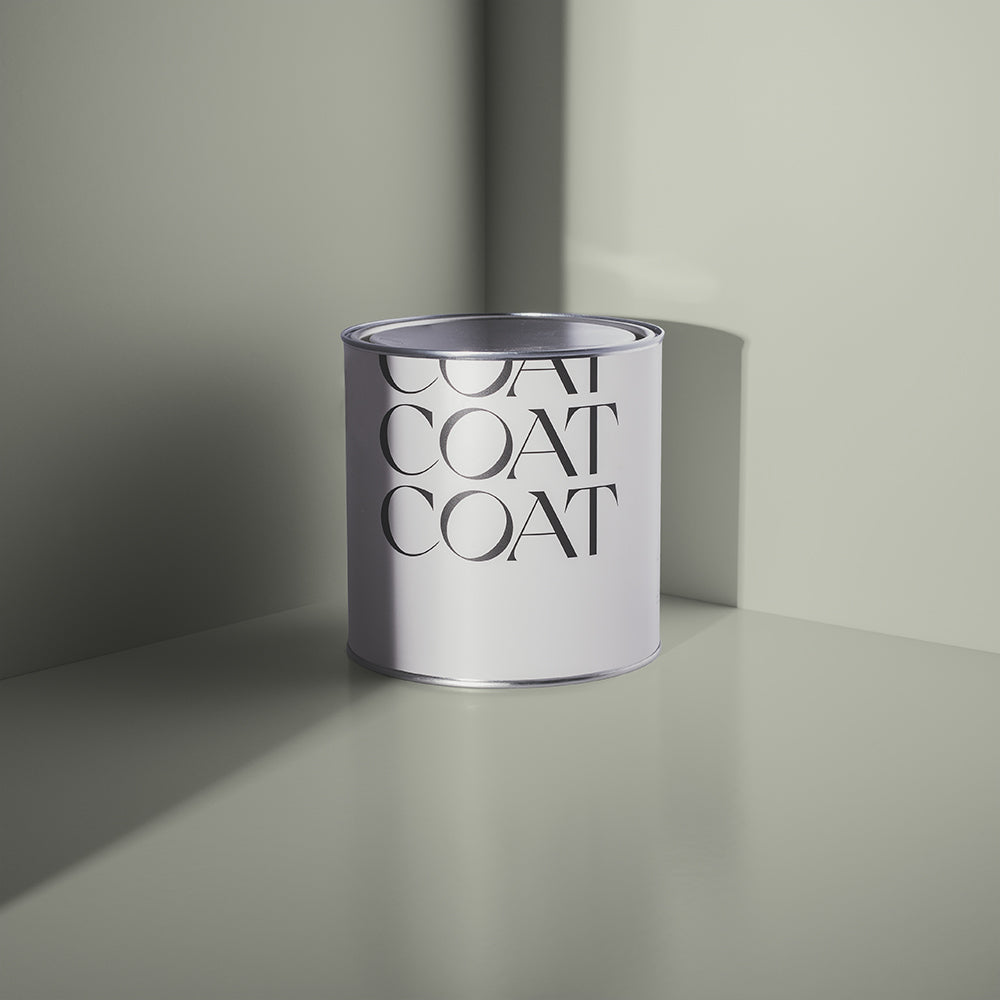
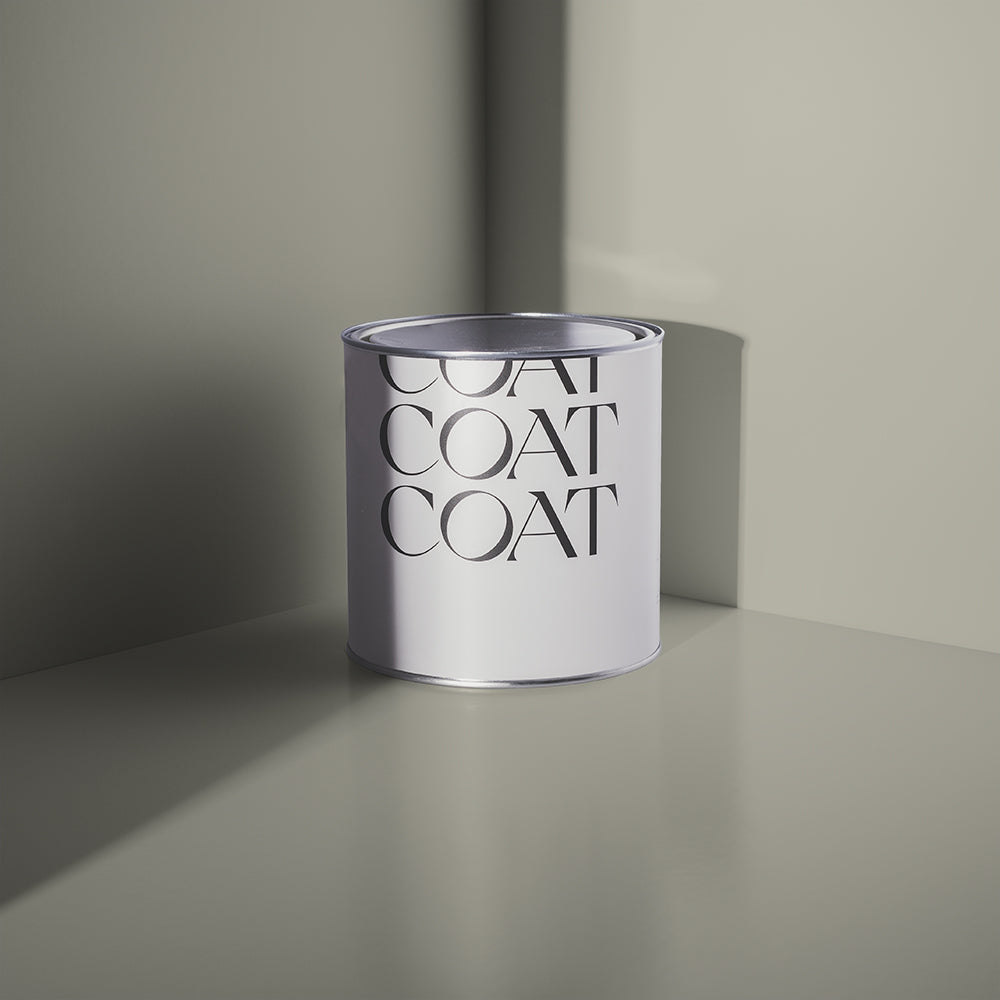
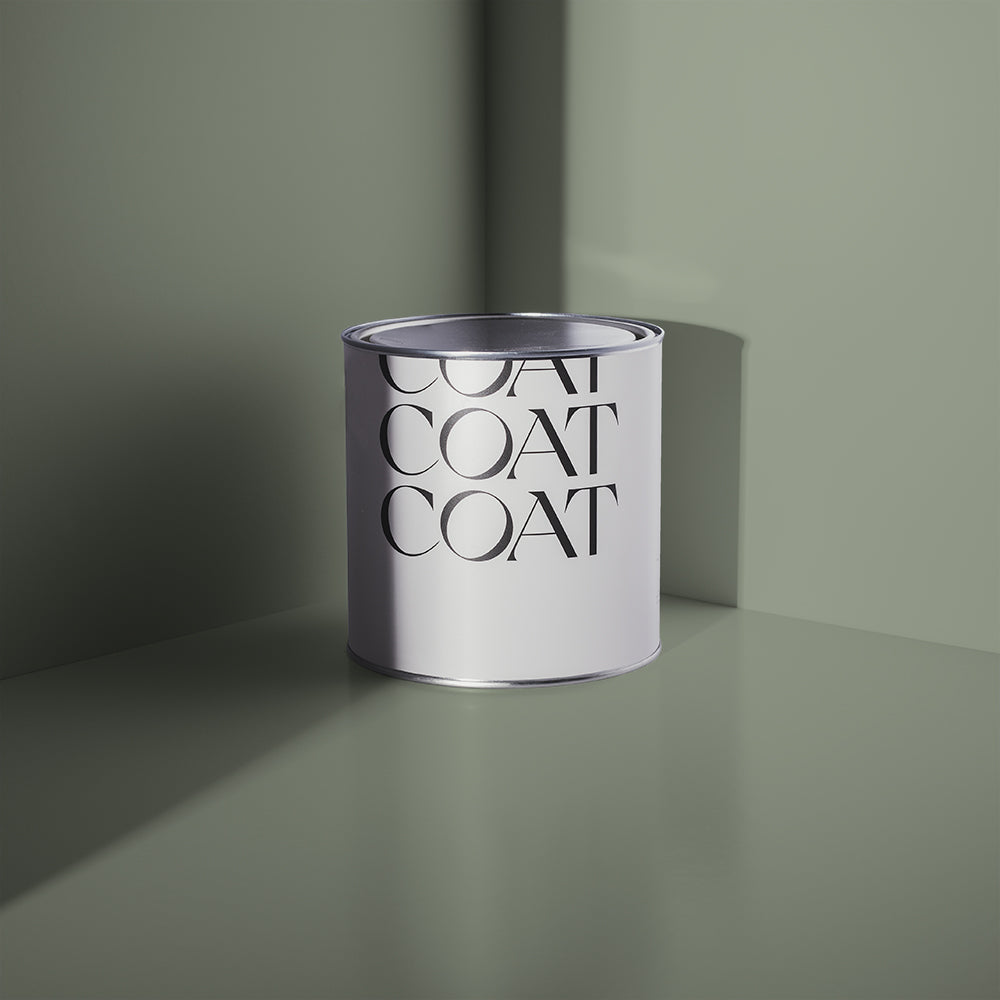
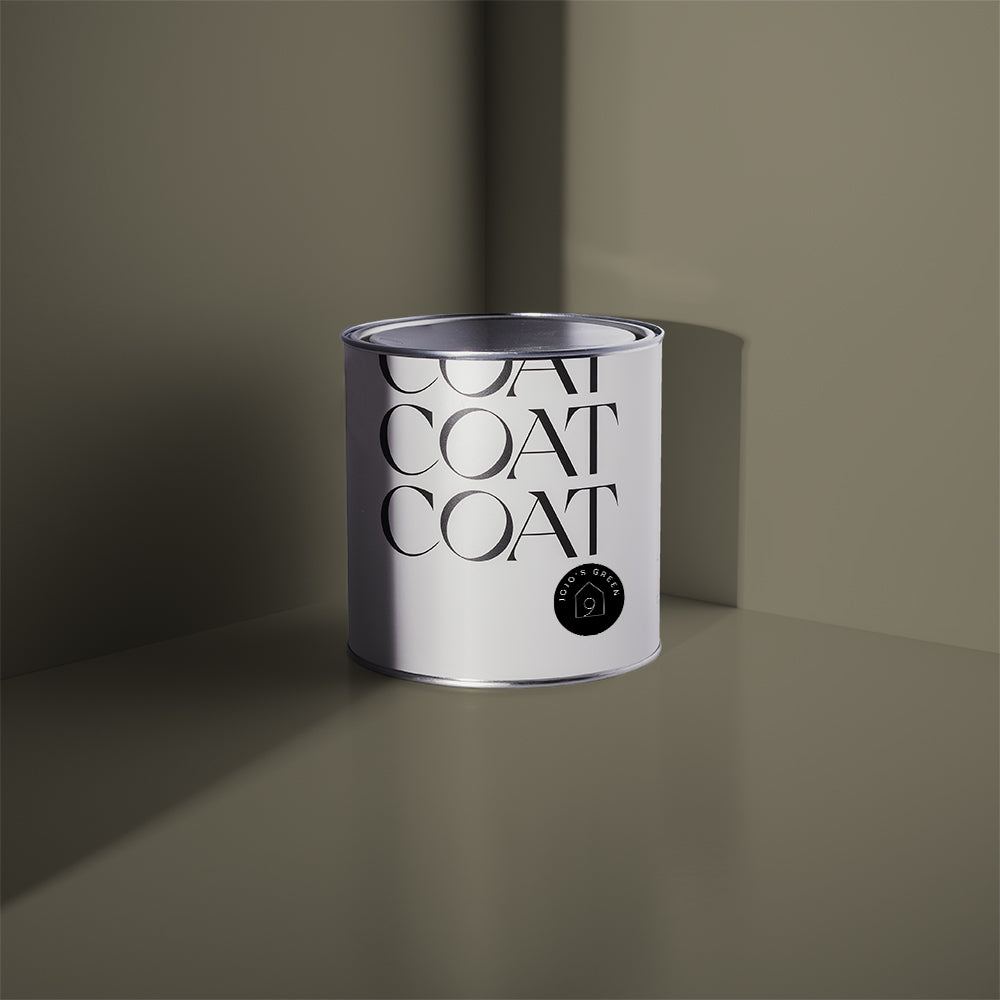
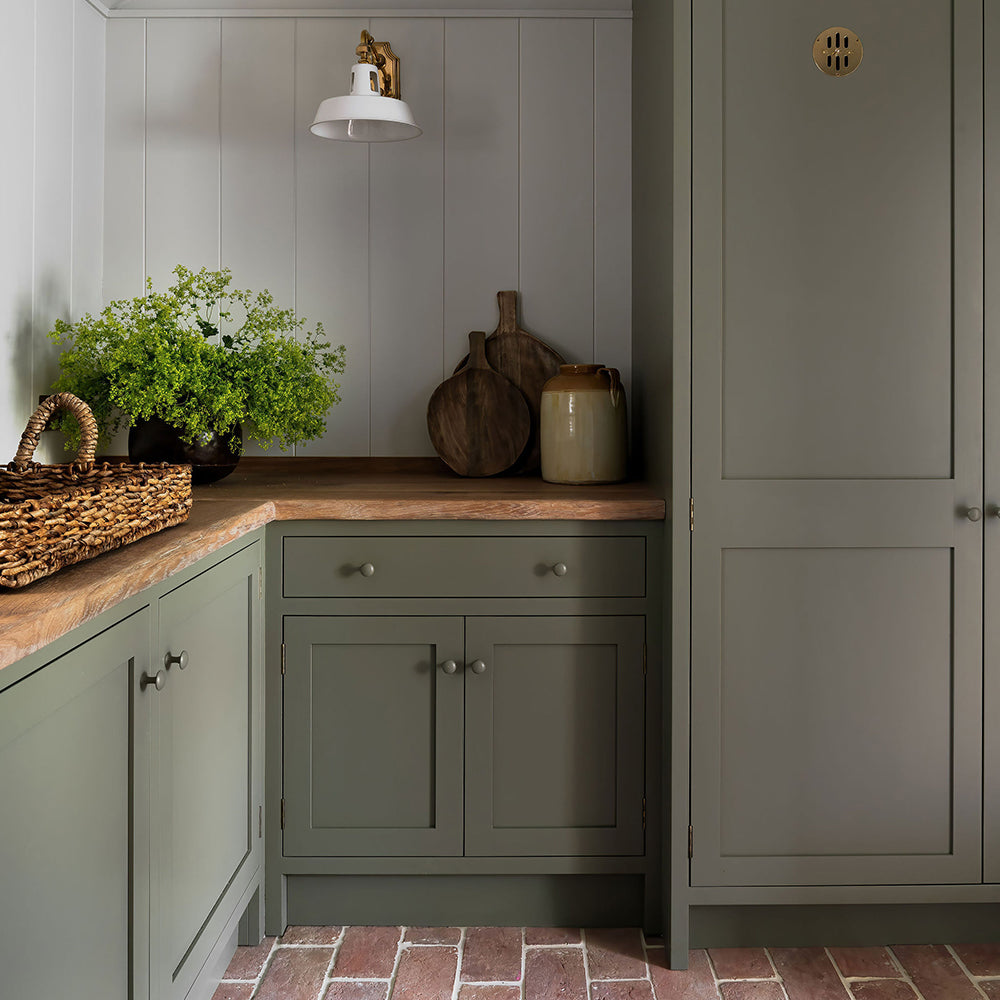
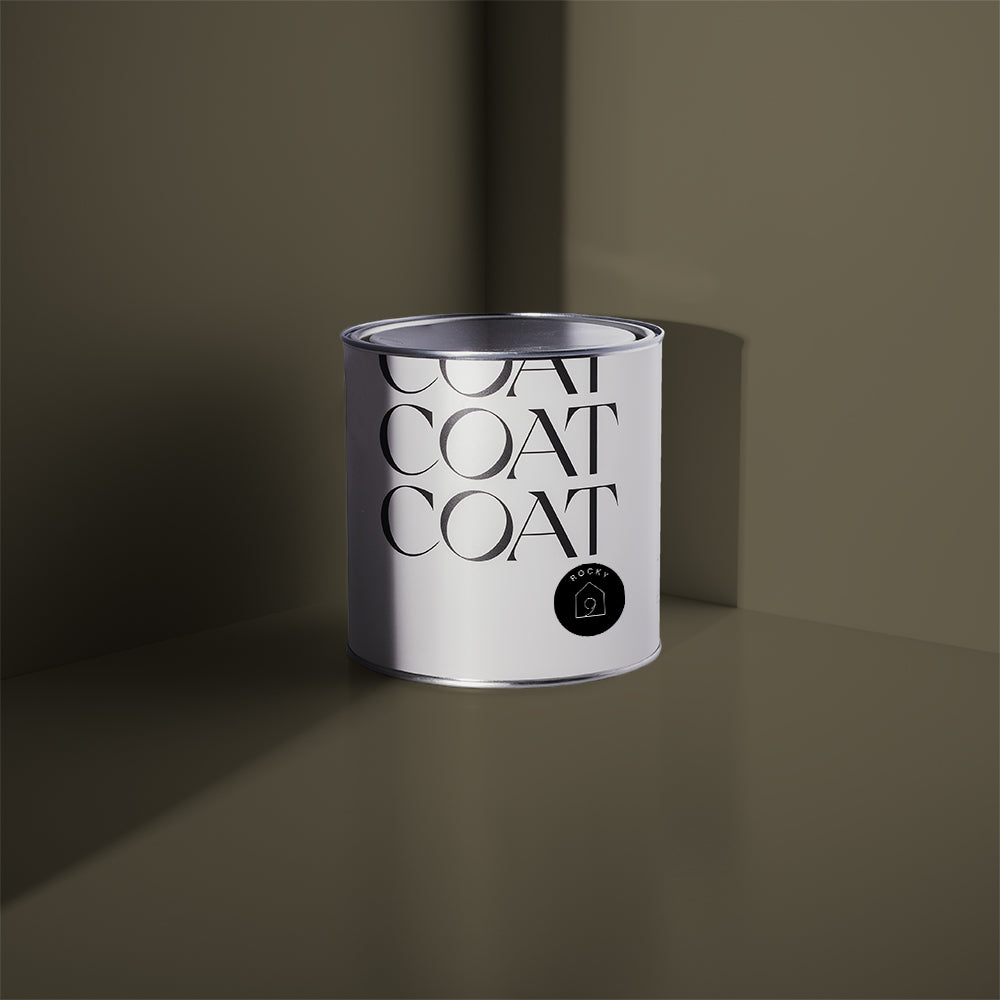
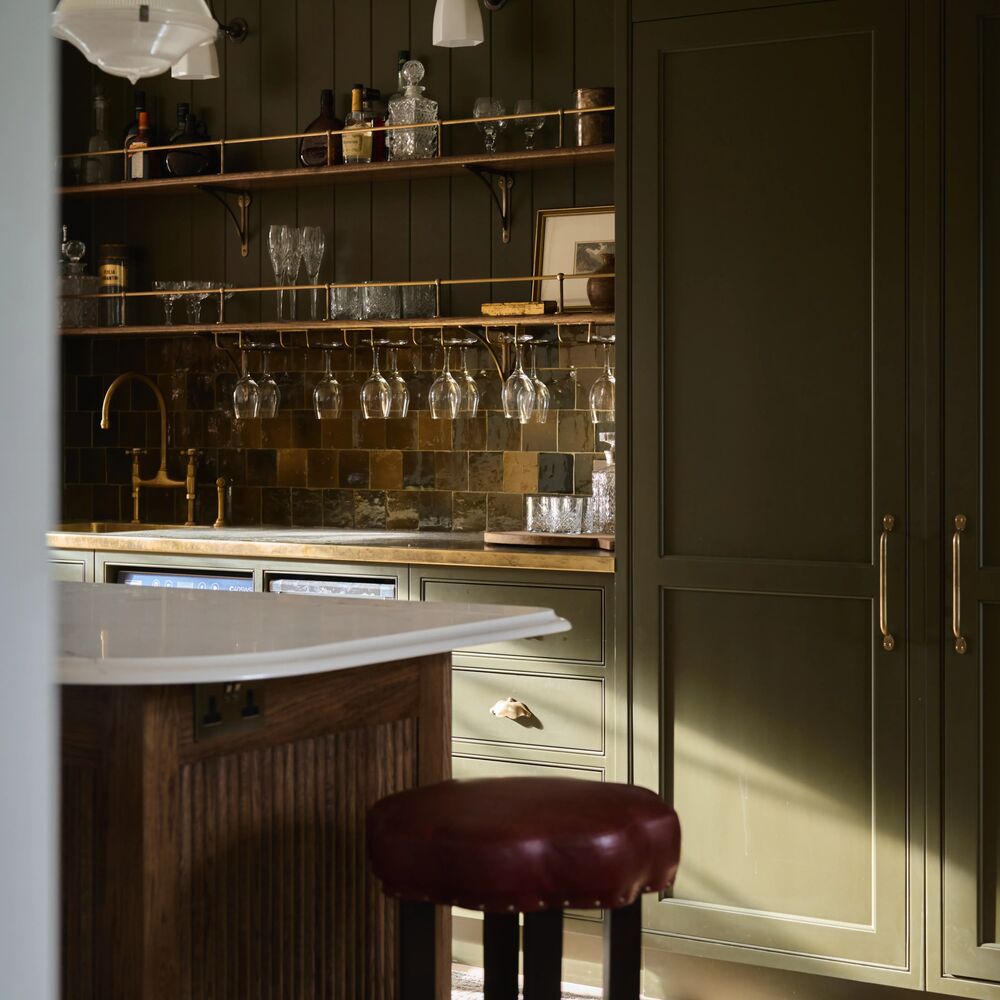
Greens: Kind Regards, Yard Party, Next Tuesday
This combination works particularly well in spaces that need life without loudness — kitchens, studies, or any room that benefits from a botanical lift.
Kind Regards is the palest of the three — a warm greige with a green lean, calm enough to act almost like a neutral.
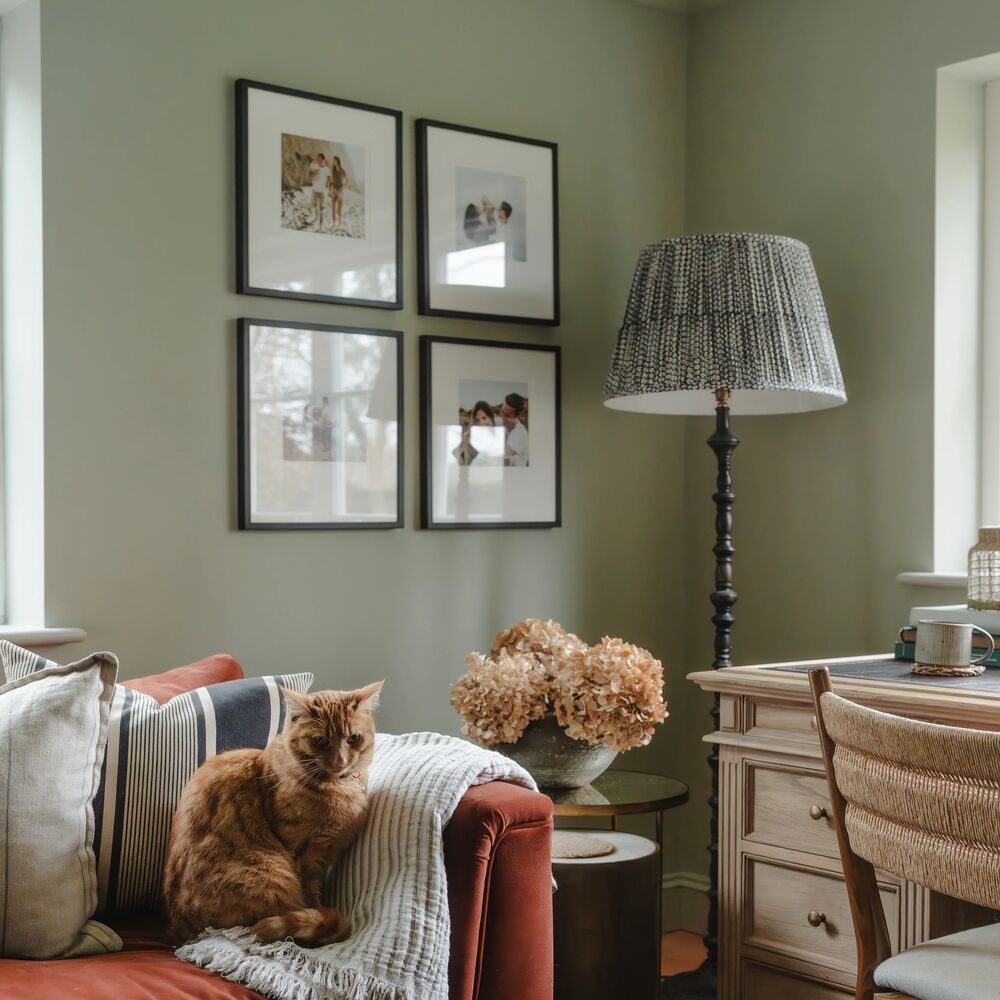
Yard Party lifts the energy. An uplifting grey-green that's bright without being brash. The kind of colour that looks great in morning light and even better in the evening.
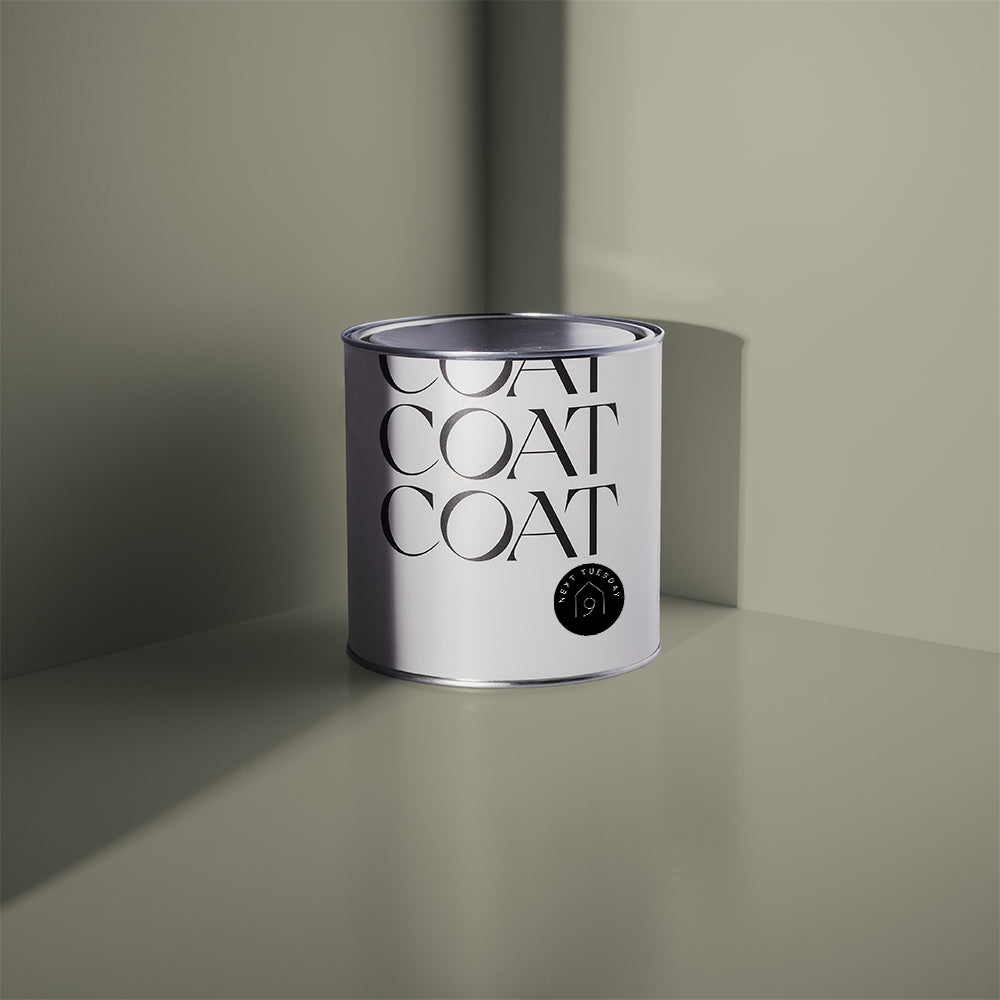
Next Tuesday brings depth. A warm, greyed green that feels mellow and refined. Pair it with Yard Party on the walls and Kind Regards on the ceiling for a room that genuinely feels designed.

How to Apply a Tonal Scheme
There's no single right approach, but here are a couple that consistently work:
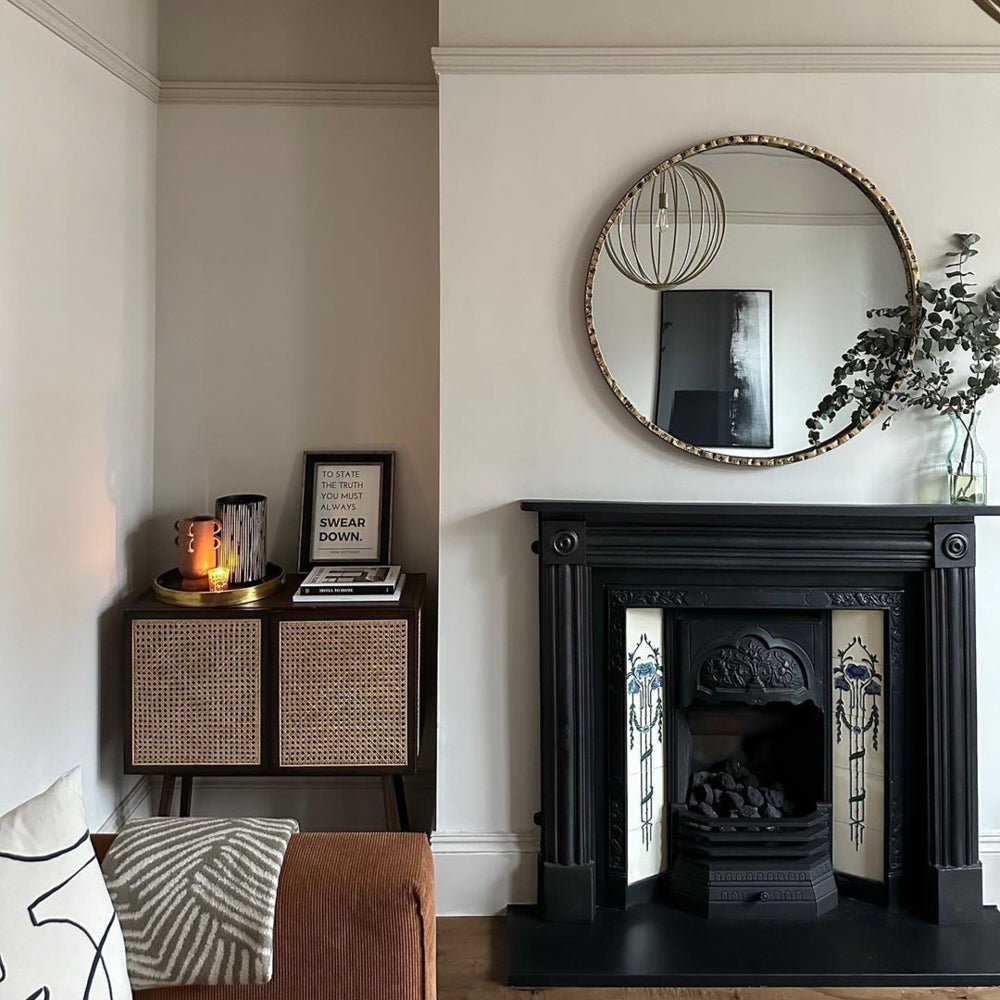
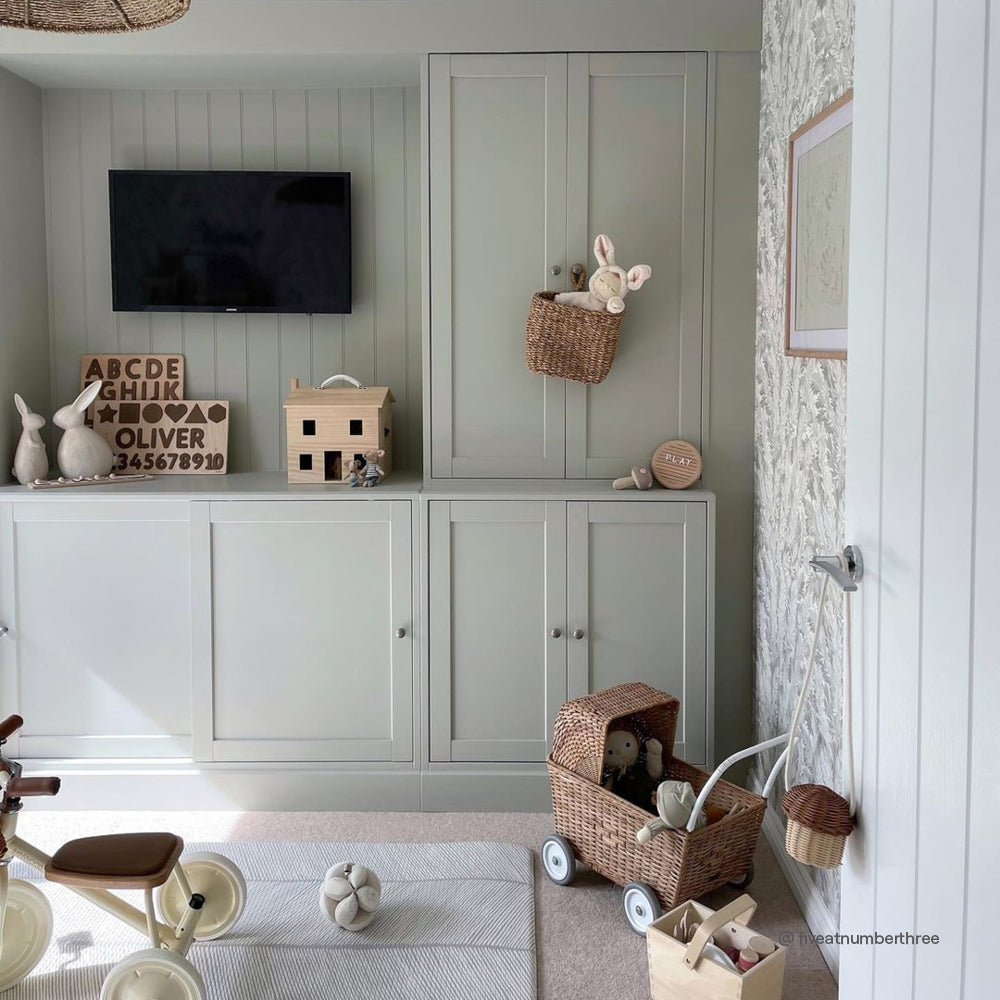
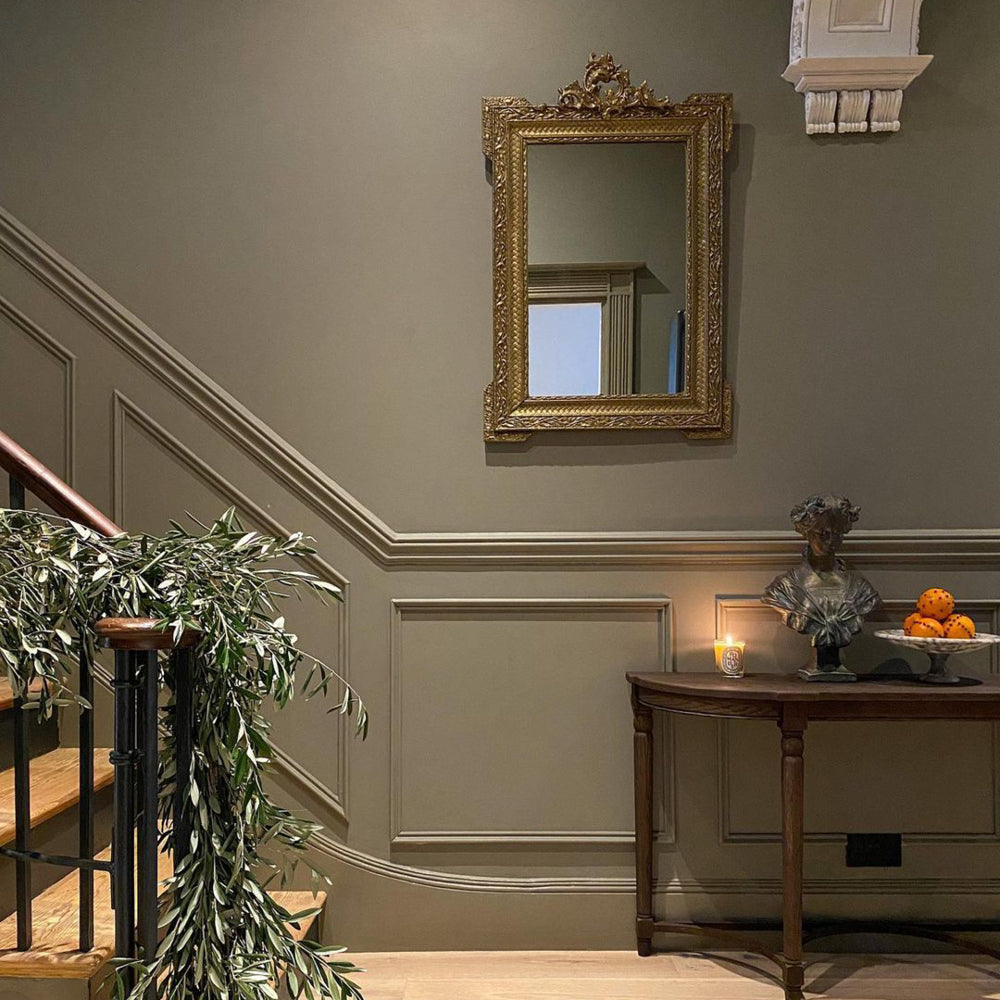
Light to dark, low to high. Use darker shades lower (panelling, dado, floor-level joinery) and lighter shades higher (walls and ceiling). This grounds a room, whilst making ceilings feel taller.
Tonal flow between rooms. Use the lightest shade in a hallway, the mid-tone in the main room, and the deepest in a more intimate adjoining space. The transition feels natural and deliberate.
Take it by surface. If you've got a room with doors, cabinetry, or windows - then you can pick these out with a darker or a lighter shade than the walls. This feels deliberate and classy - our personal favourite at COAT.
How Many Shades Is Too Many?
For most rooms, two to three tones from the same scale is enough. More than that and the coherence starts to break down — it begins to look busy rather than considered. If you want to bring in a contrast, step outside the tonal family but stay within the same warmth palette. A warm green tonal scheme pairs beautifully with a warm neutral, for example, without disrupting the overall feel.

The Simplest Way to Start
Order Peel & Stick Samples for two or three shades from the same tonal family. Stick them side by side on your wall - then separately, on adjacent walls. See how they relate in your specific light. You'll know quickly whether you want to close or widen the gap.
Made with real COAT paint, the samples show you exactly what you'll get. No guessing. No wasted tins.
The colour chart is already structured to help you. All that's left is to use it.
Explore the full COAT colour range
Publish Date
Author