What Influences Paint Pricing (And Why Cheaper, Isn’t Always Cheaper)
A £25 tin of paint and a £60 one are not just the same product in different packaging. And whilst the broad composition may be similar - water, resin, binders and pigment - the unique formation and ingredient quality is what drives the gap between premium paints and mass market ones.
Let’s be real - COAT sits firmly with the premium priced paints out there. And we stand by that, having prioritised high-quality, made-fresh paints from day one - with 15,000+ five-star customer reviews to prove it.
Most paint pricing content online is often just brand comparison in disguise. But we don’t need to do that. Instead, we’re going to be typically honest in explaining a number of things that affect the cost of your paint, so you can judge one tin from another.
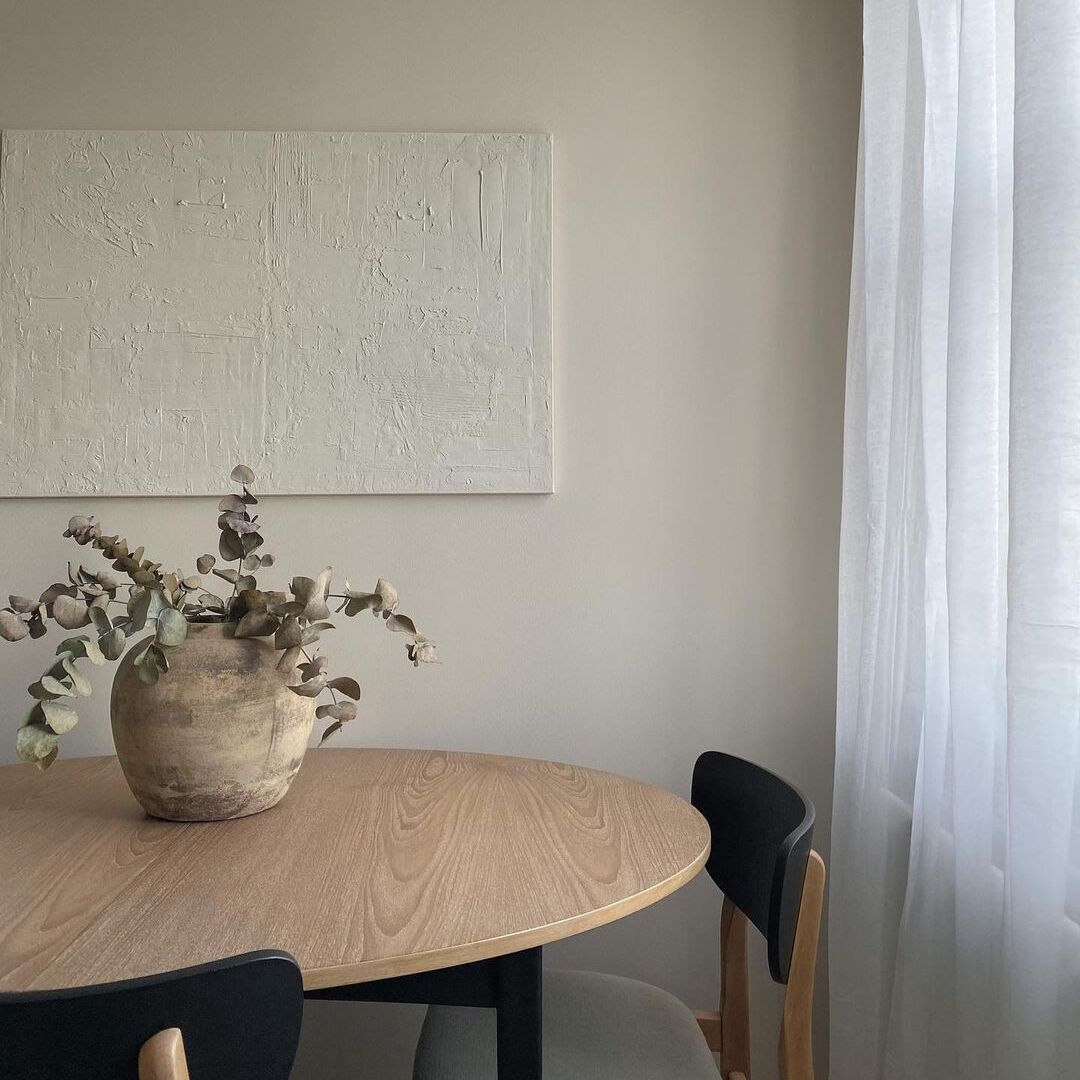
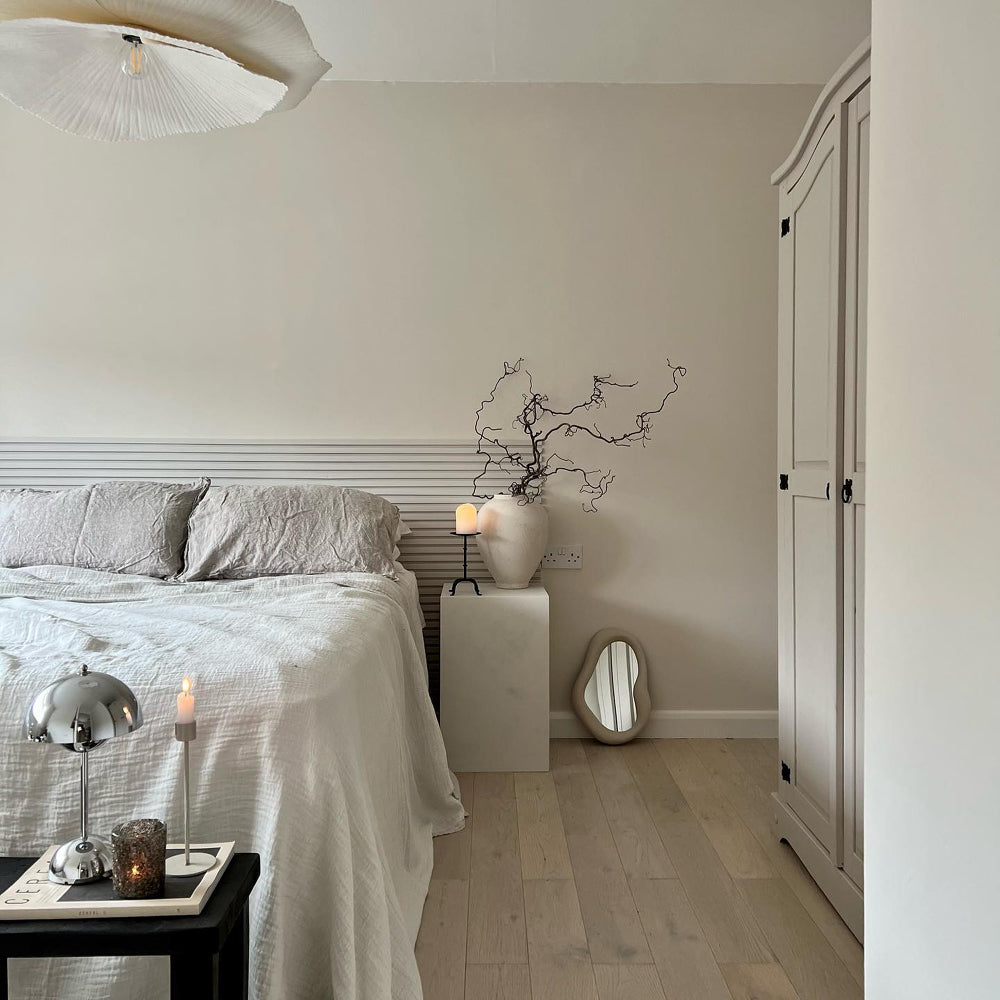
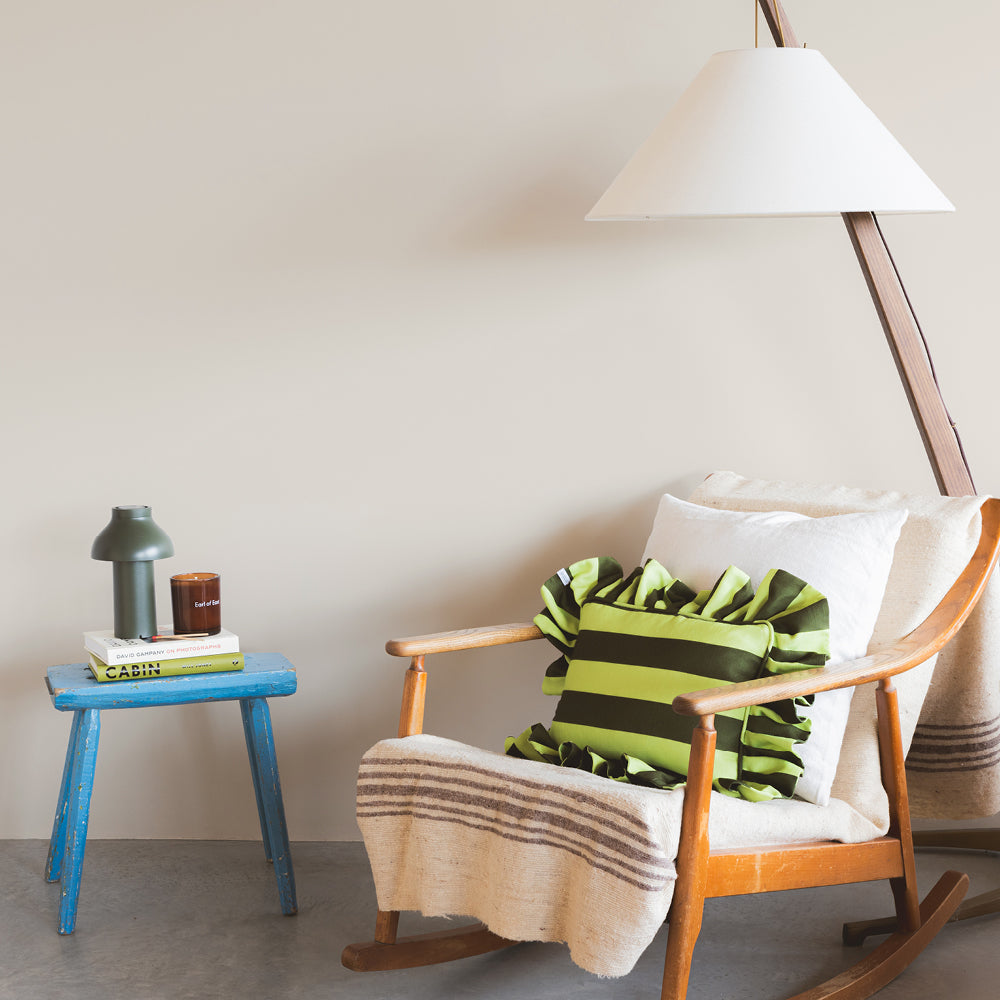
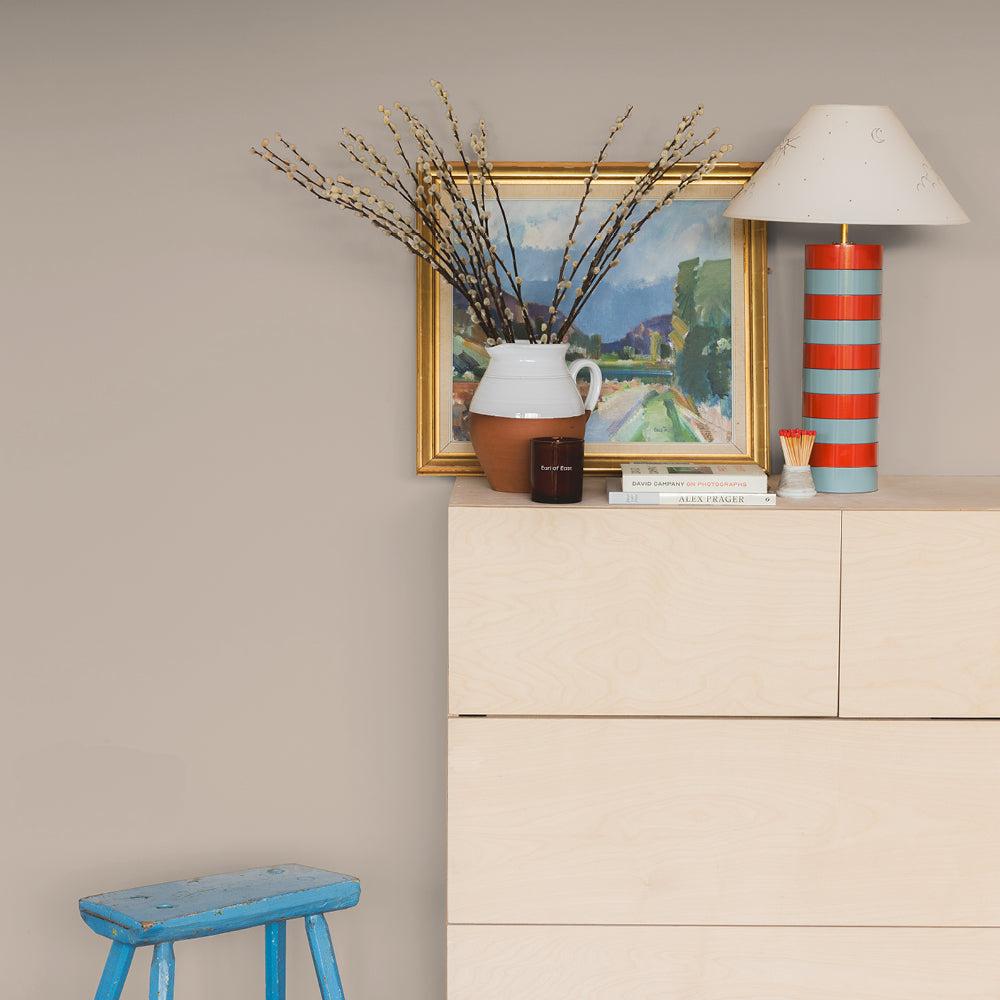
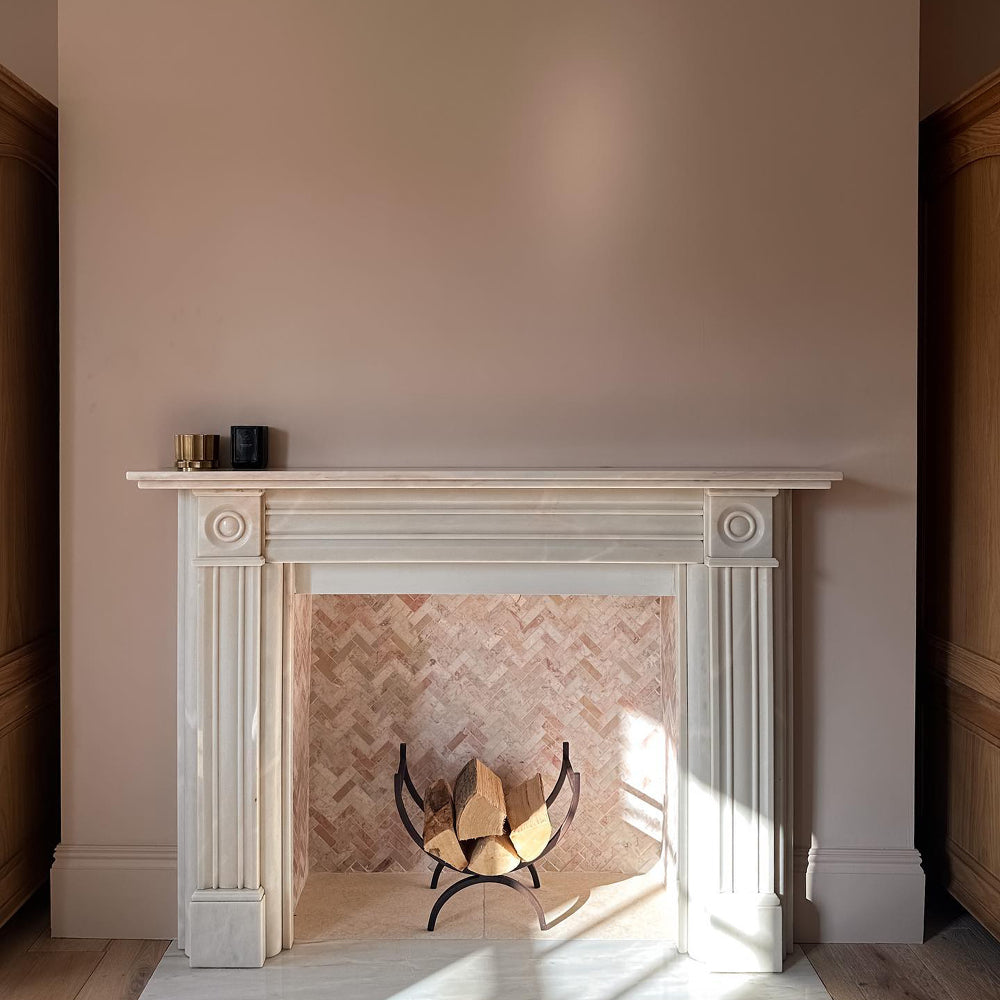
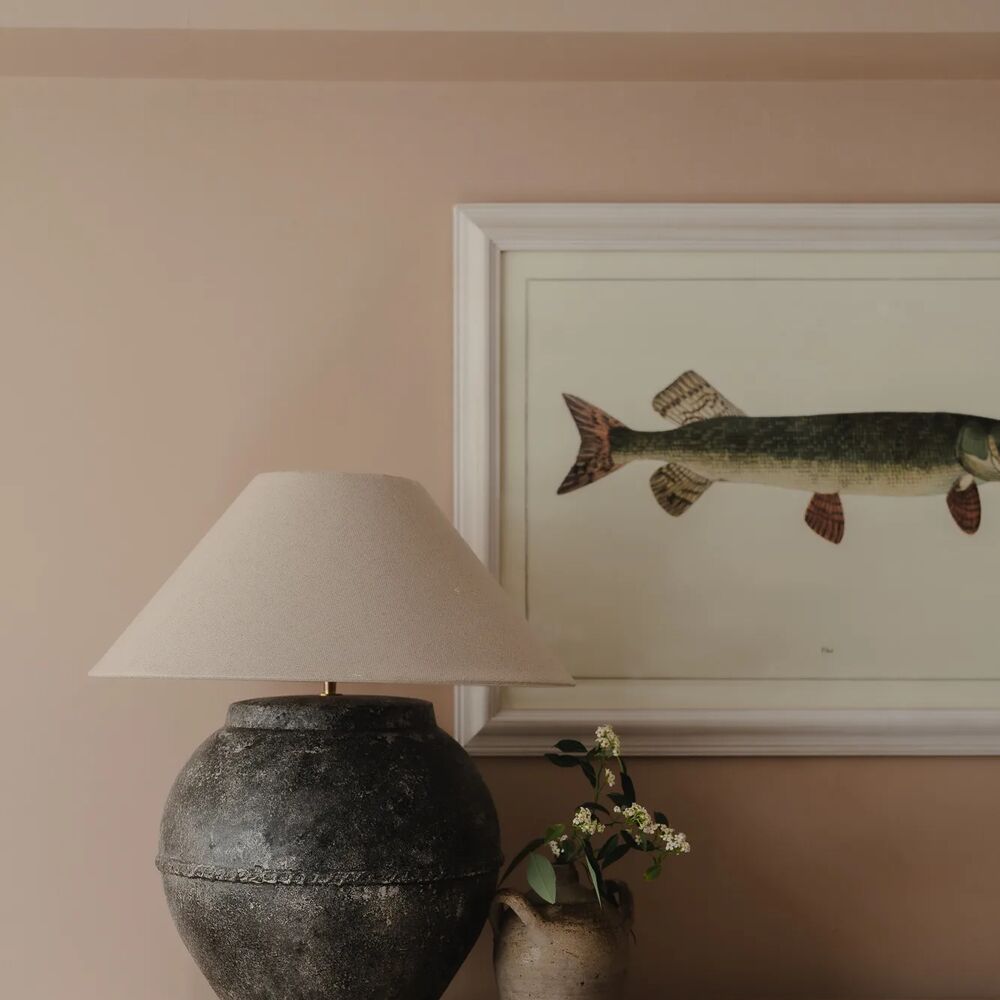
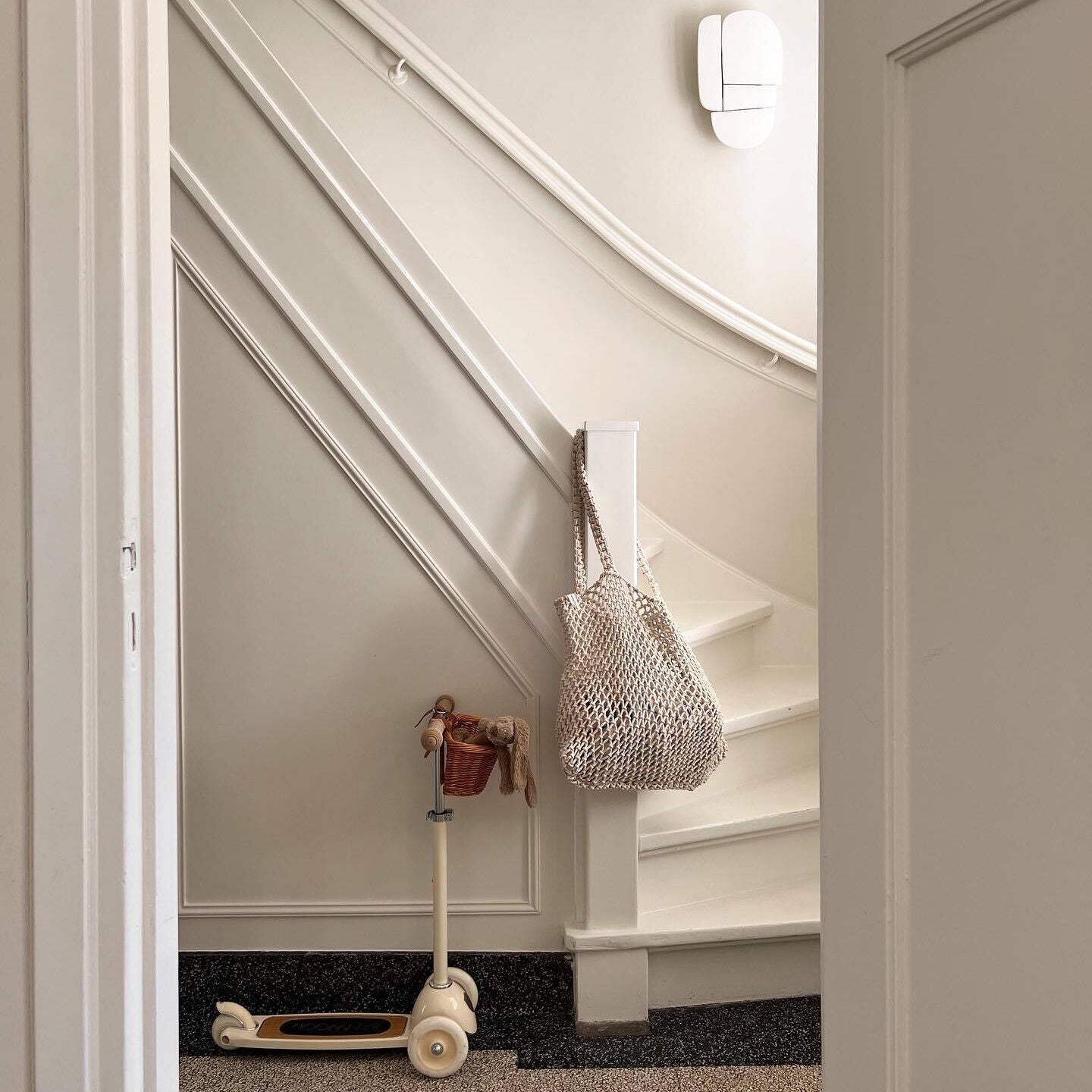
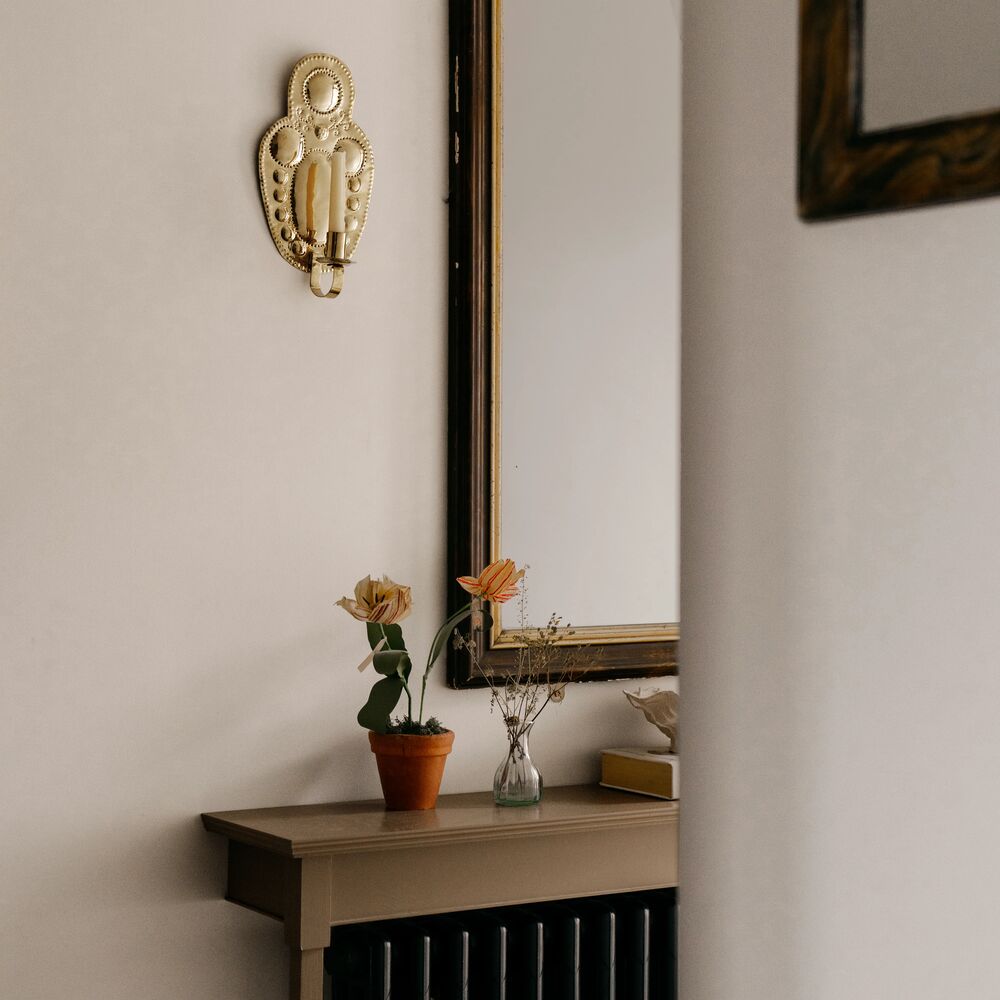
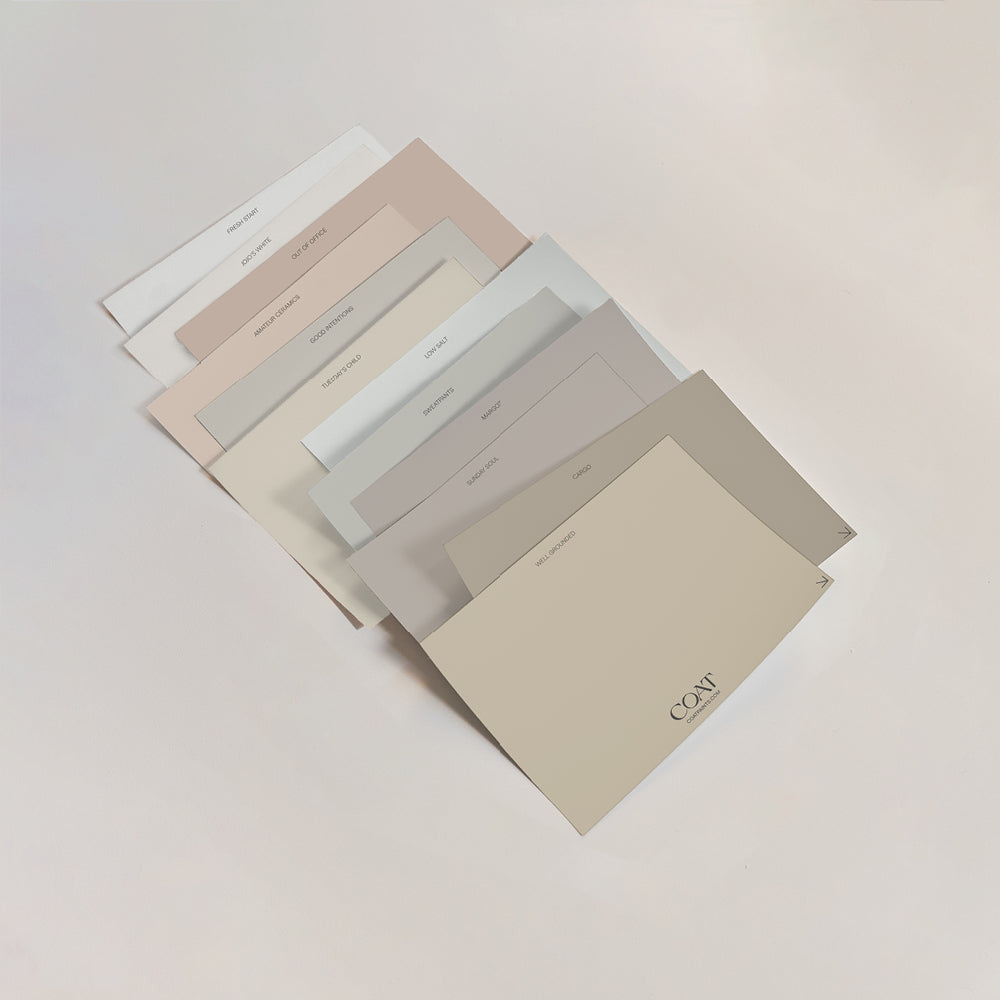
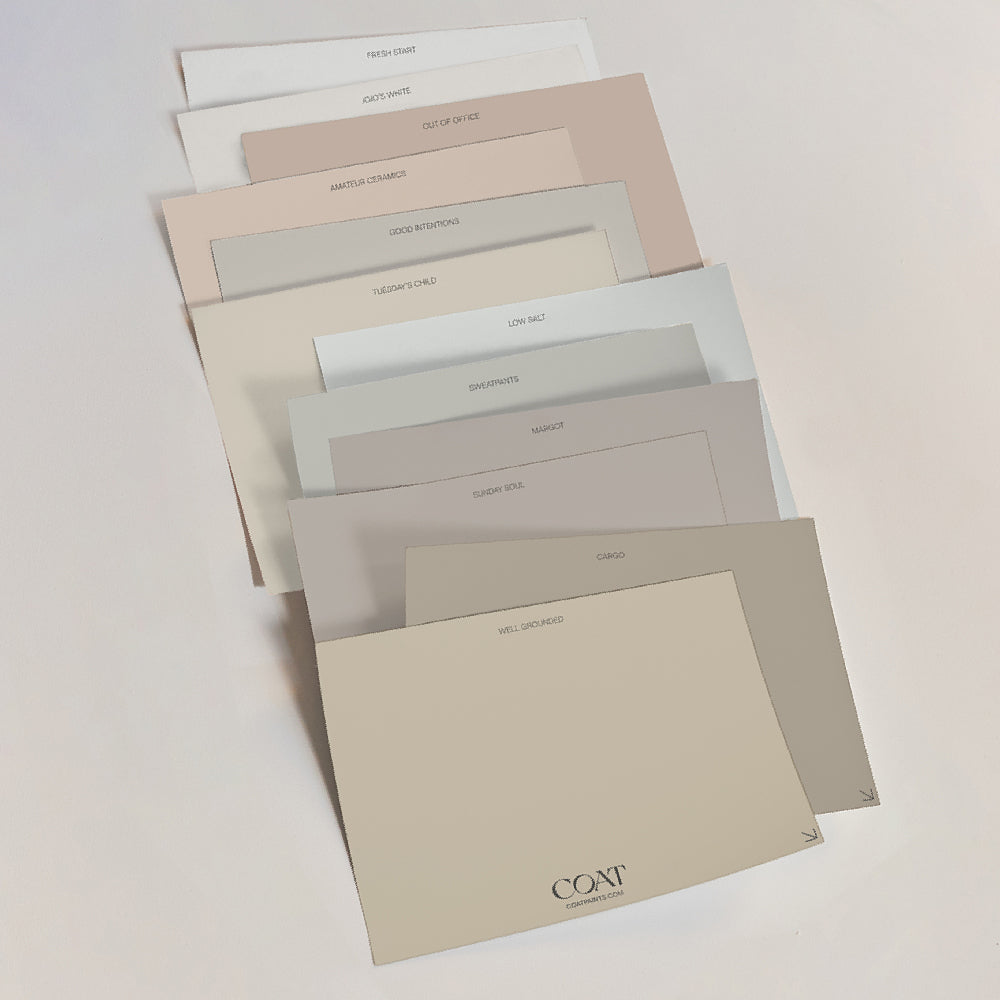
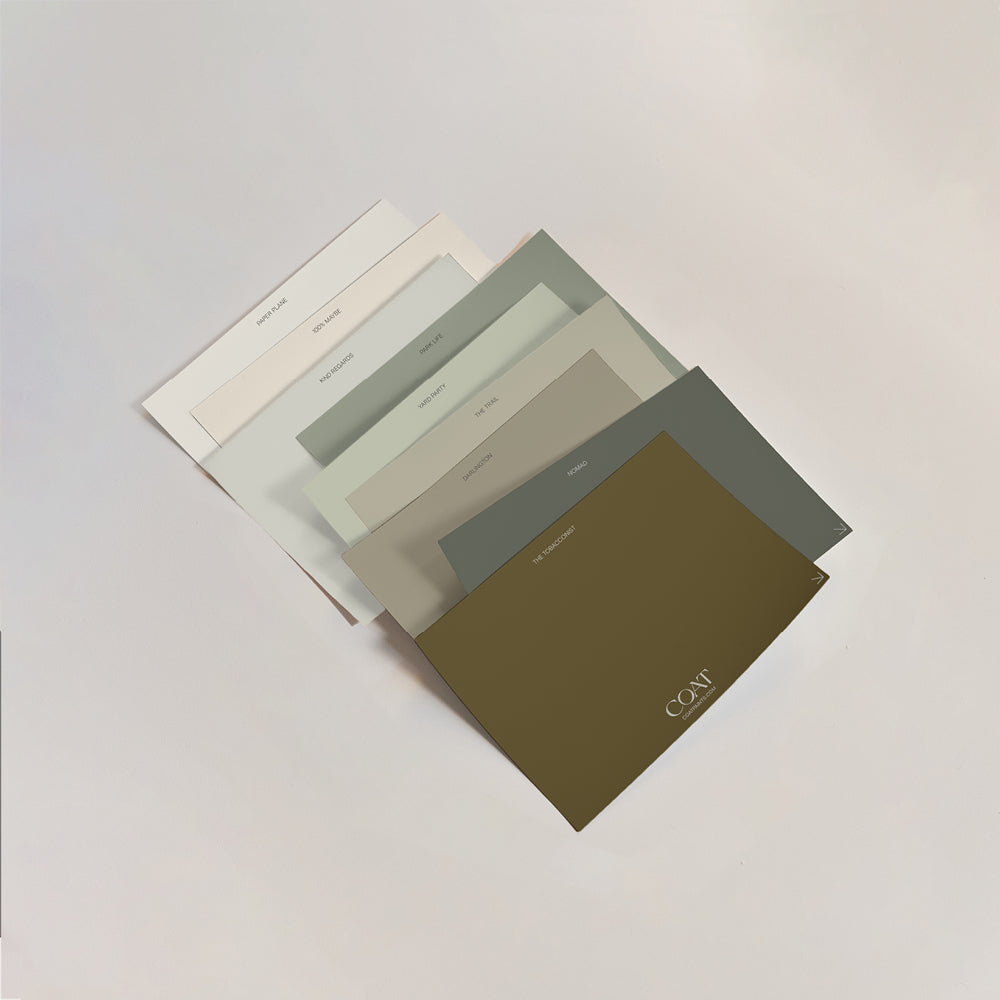
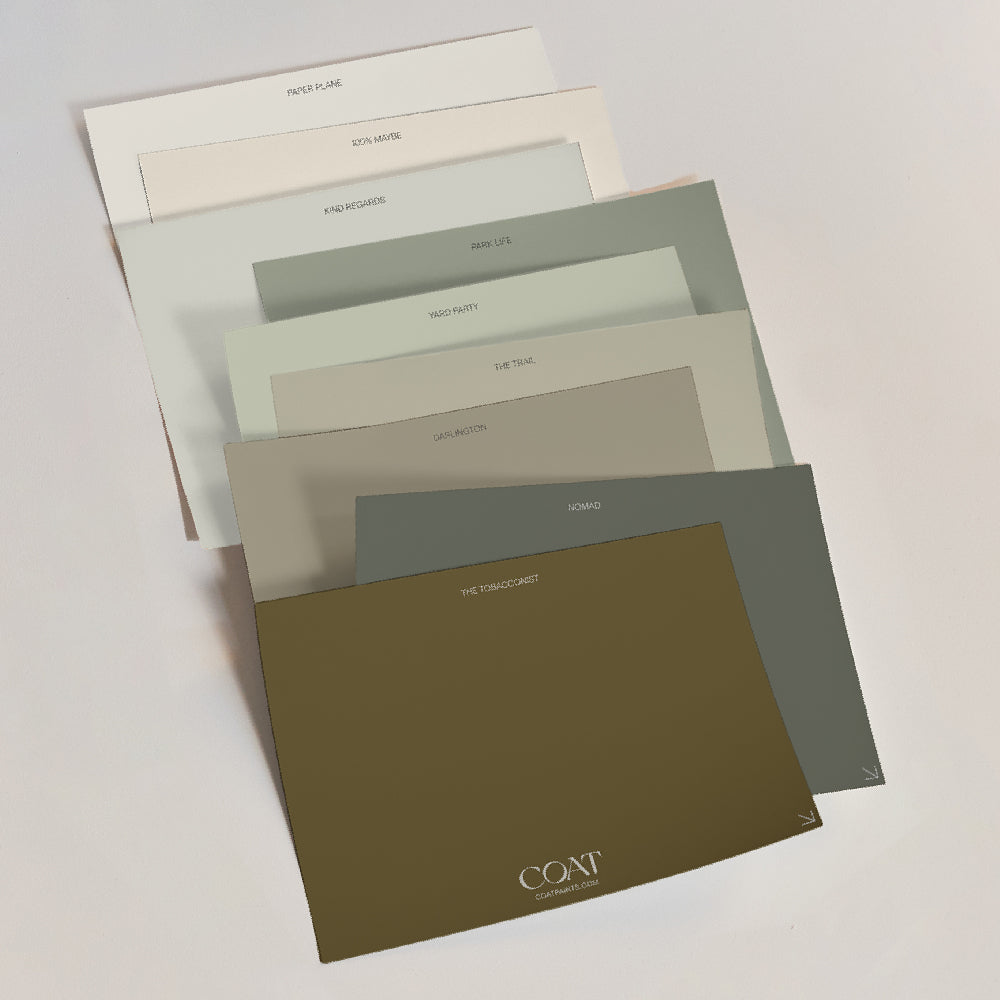
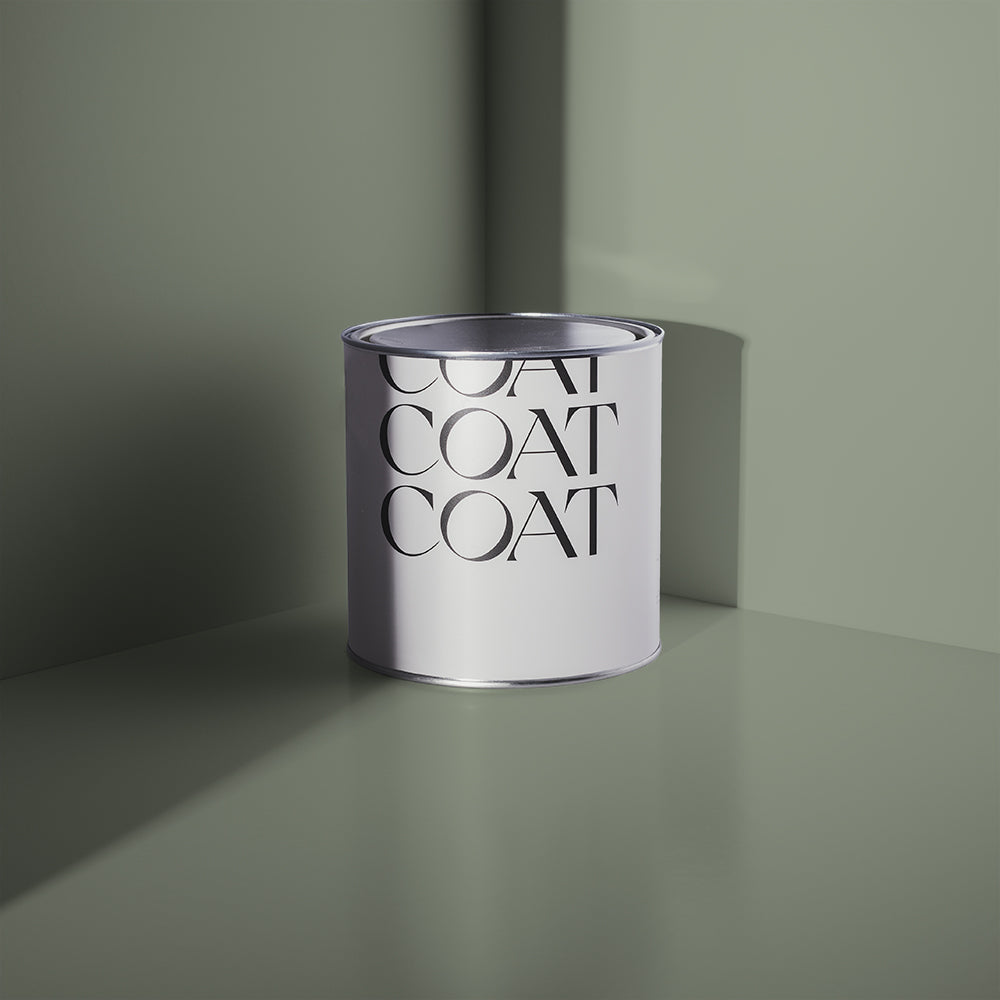
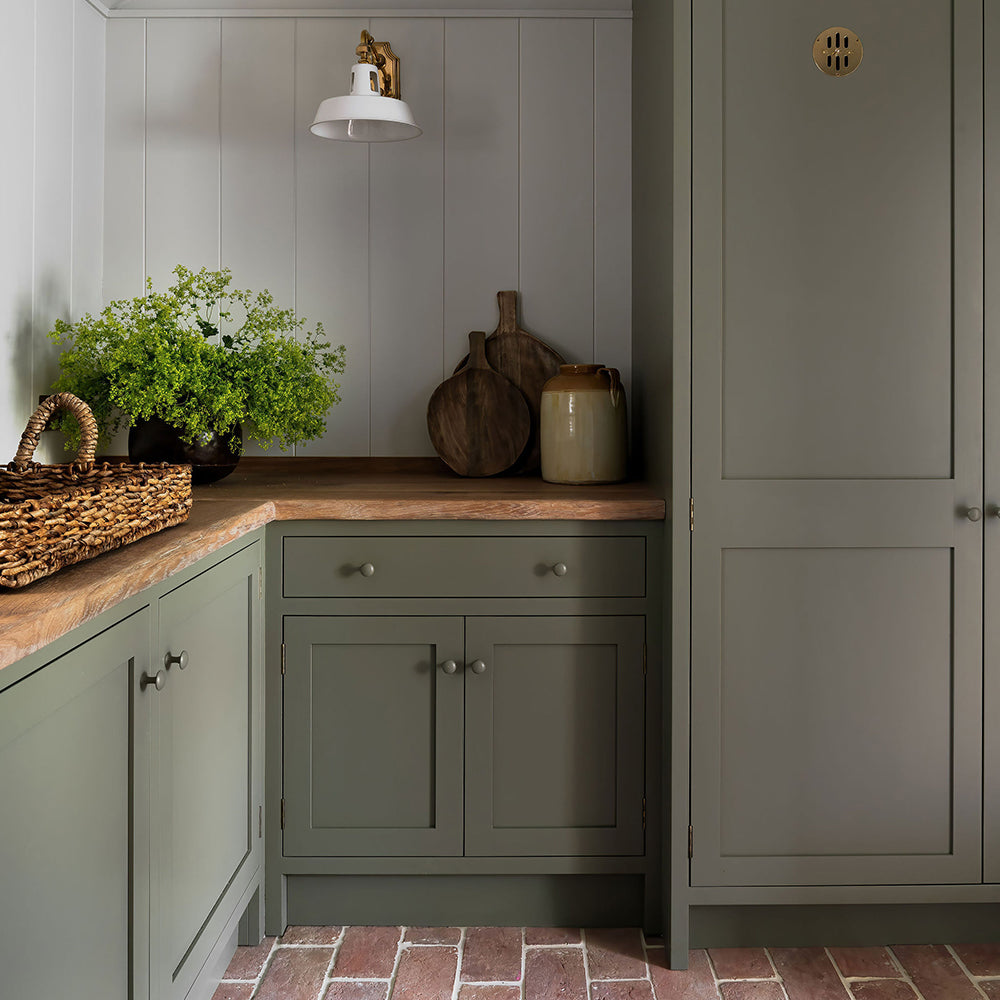
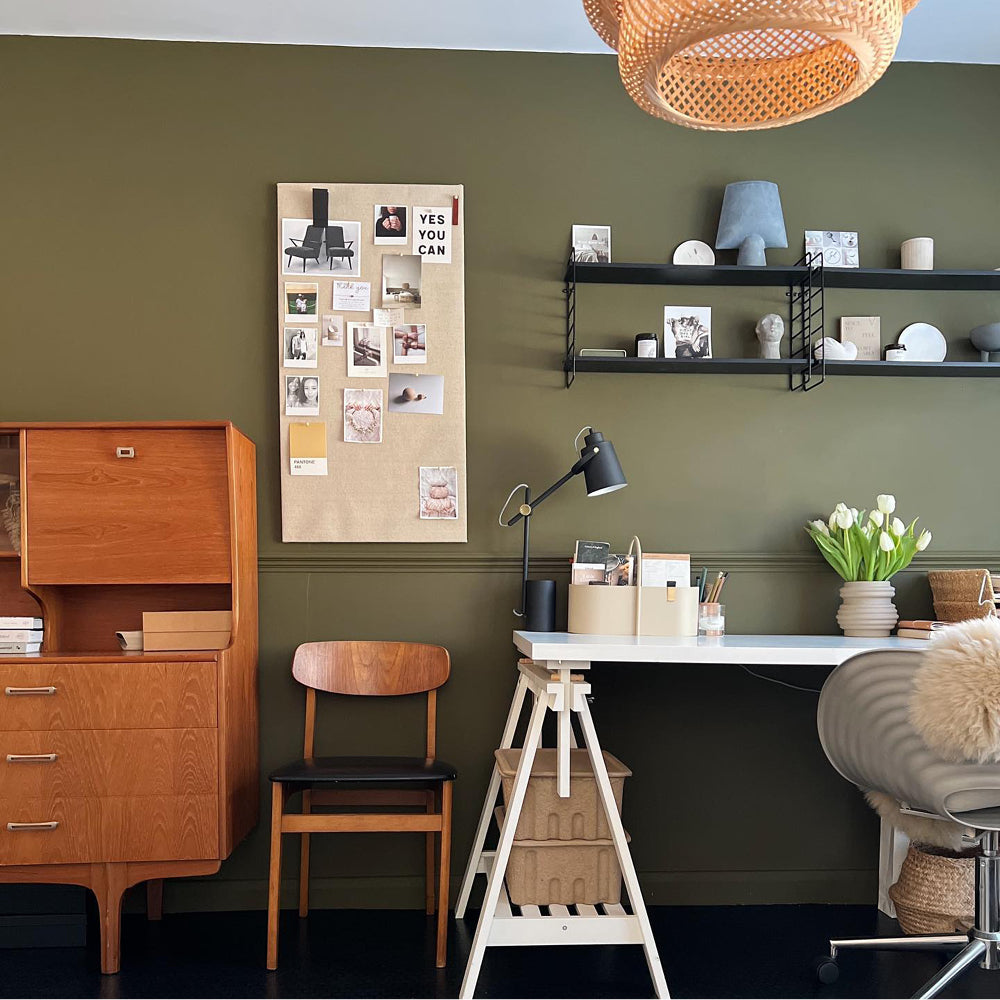
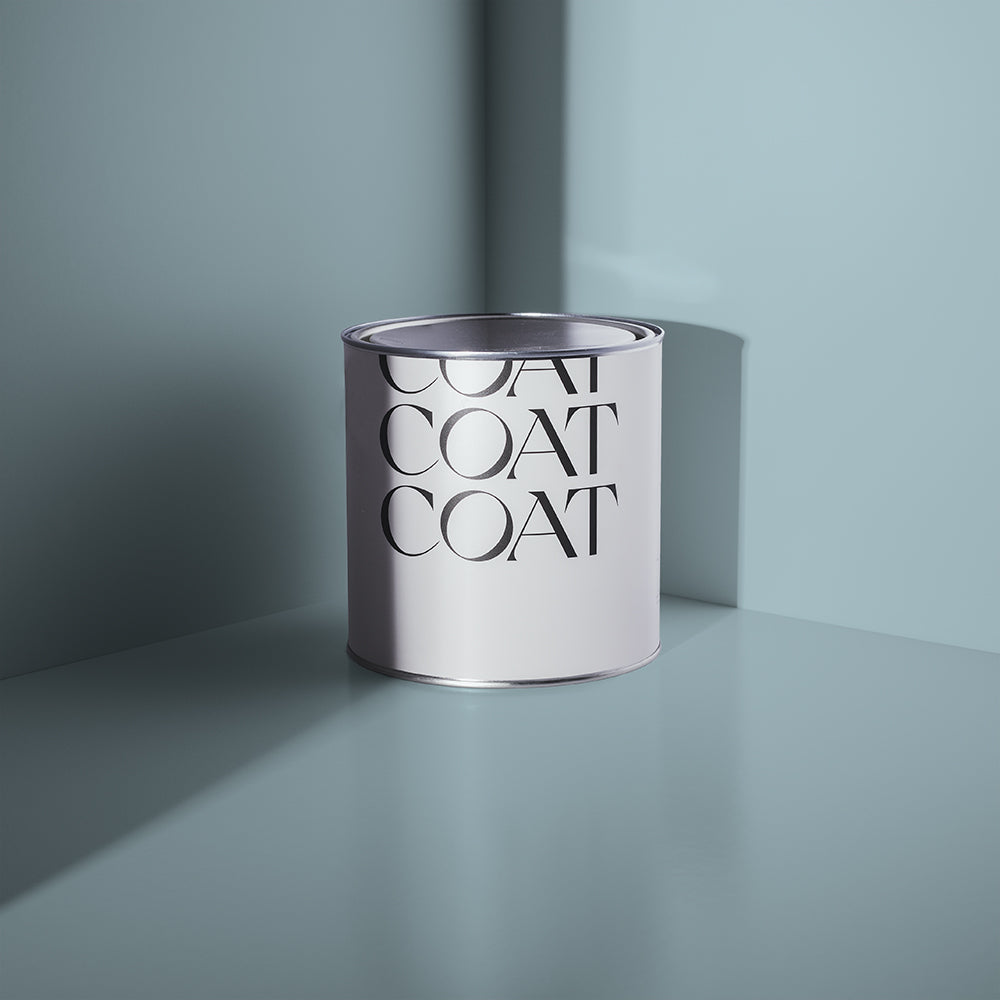
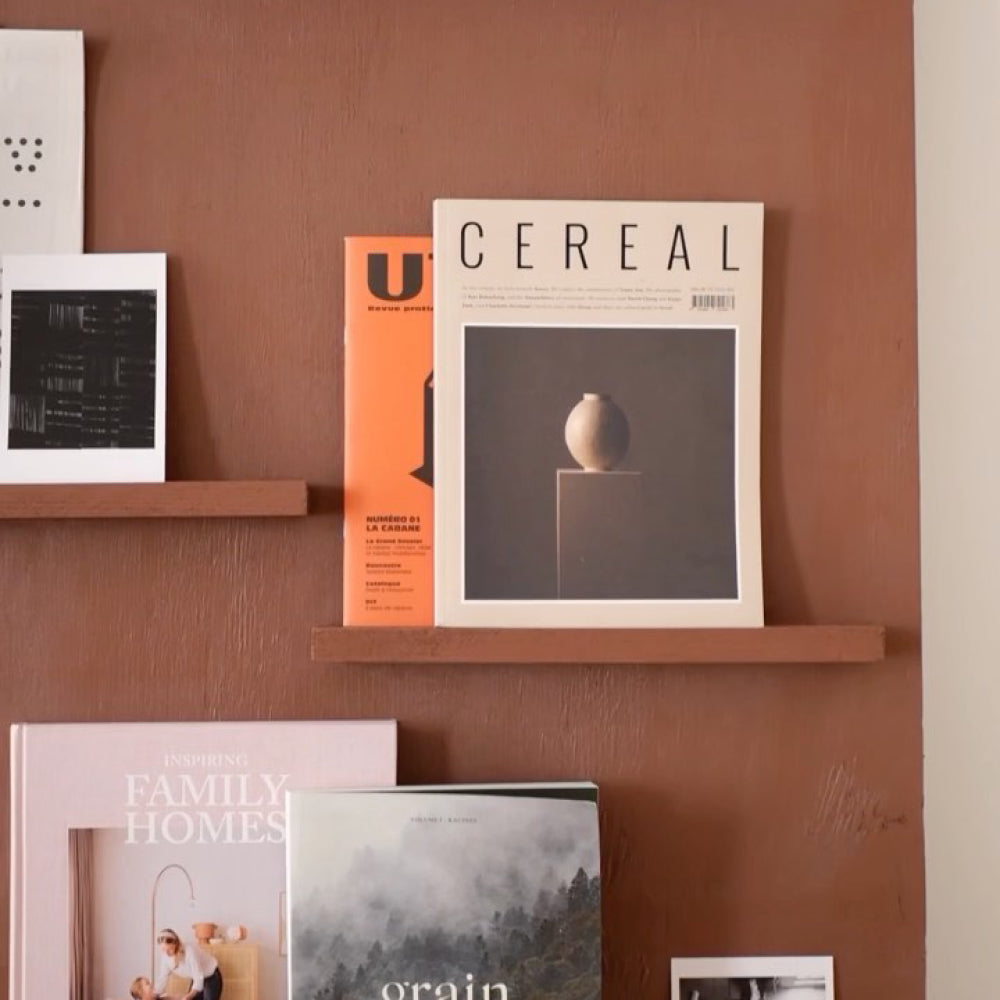
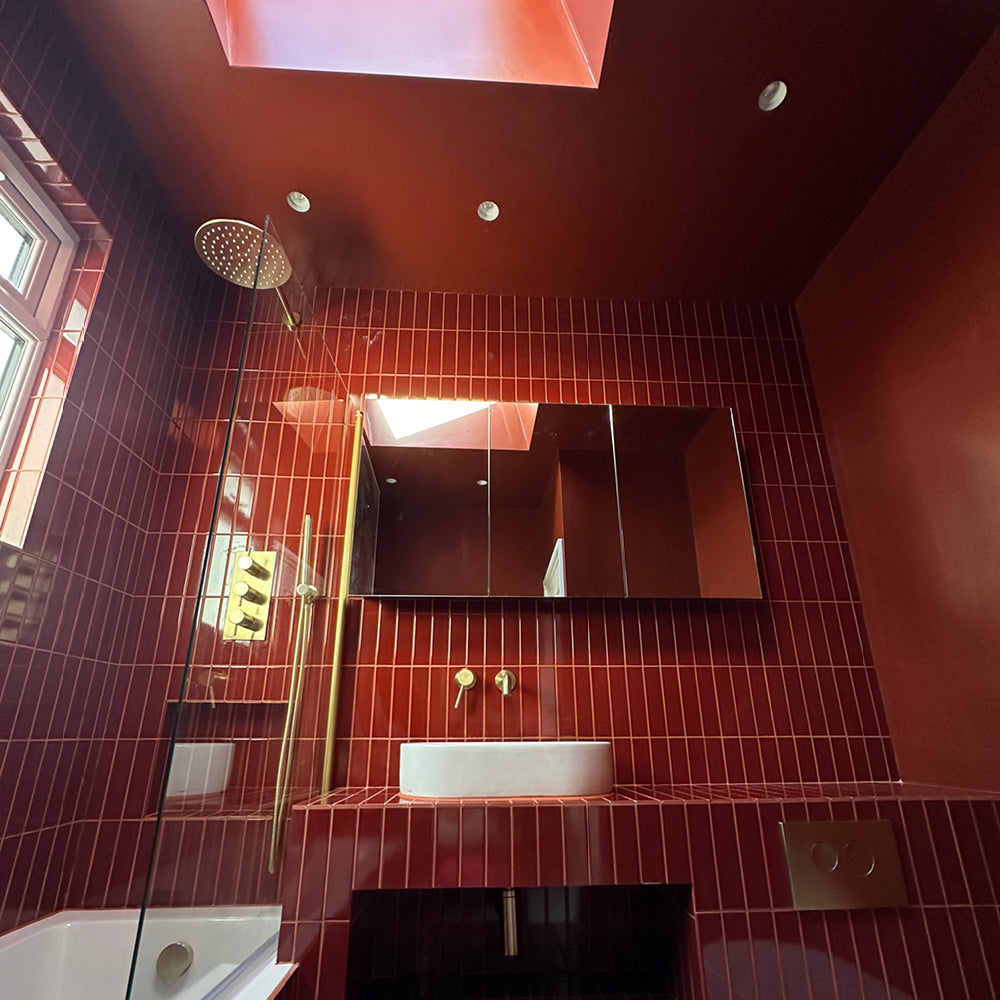
 The price of the tin is almost irrelevant - you need the cost per square meter, and coats required. Colour: Humble.
The summary version
The cost of painting your room is driven by five things, and some are more obvious than others. Pigment load, binder quality, water composition, production & distribution model, and coverage per litre.
Note that we said ‘the cost of painting your room’ and not ‘the price of the tin’ here. That’s deliberate, because when you calculate the price of your paint it’s worth looking at all the factors that influence that cost to get the job done.
1) Pigment Load (the pigments that give the paint it’s colour)
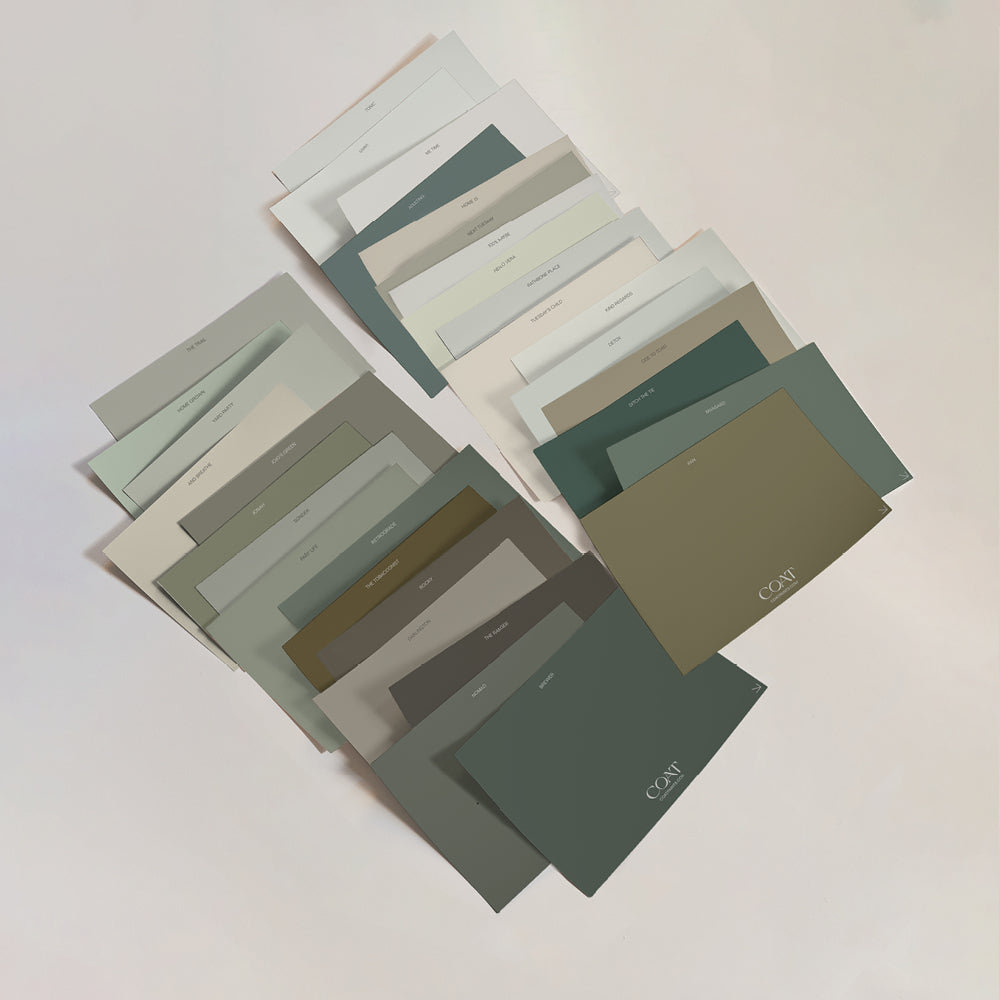
Pigments can be the biggest cost driver in a tin of paint. A paint with a high pigment load covers in fewer coats, holds its colour robustly under direct light, and reacts in a beautifully dynamic way that inexplicably feels expensive. On the other hand, paints with a low pigment load are bulked out with cheaper fillers which keeps the cost of the tin down, but inevitably passes that cost on to you with the number of coats needed. A false economy, if you like.
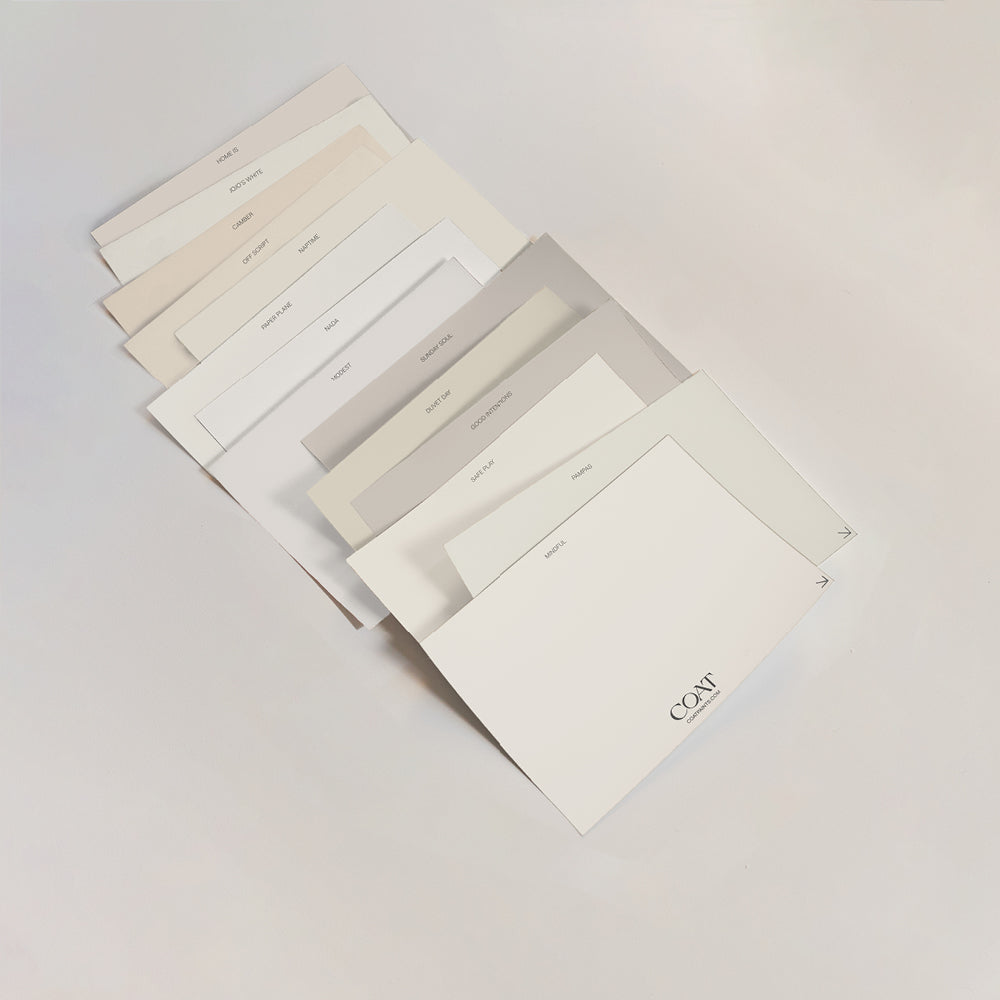
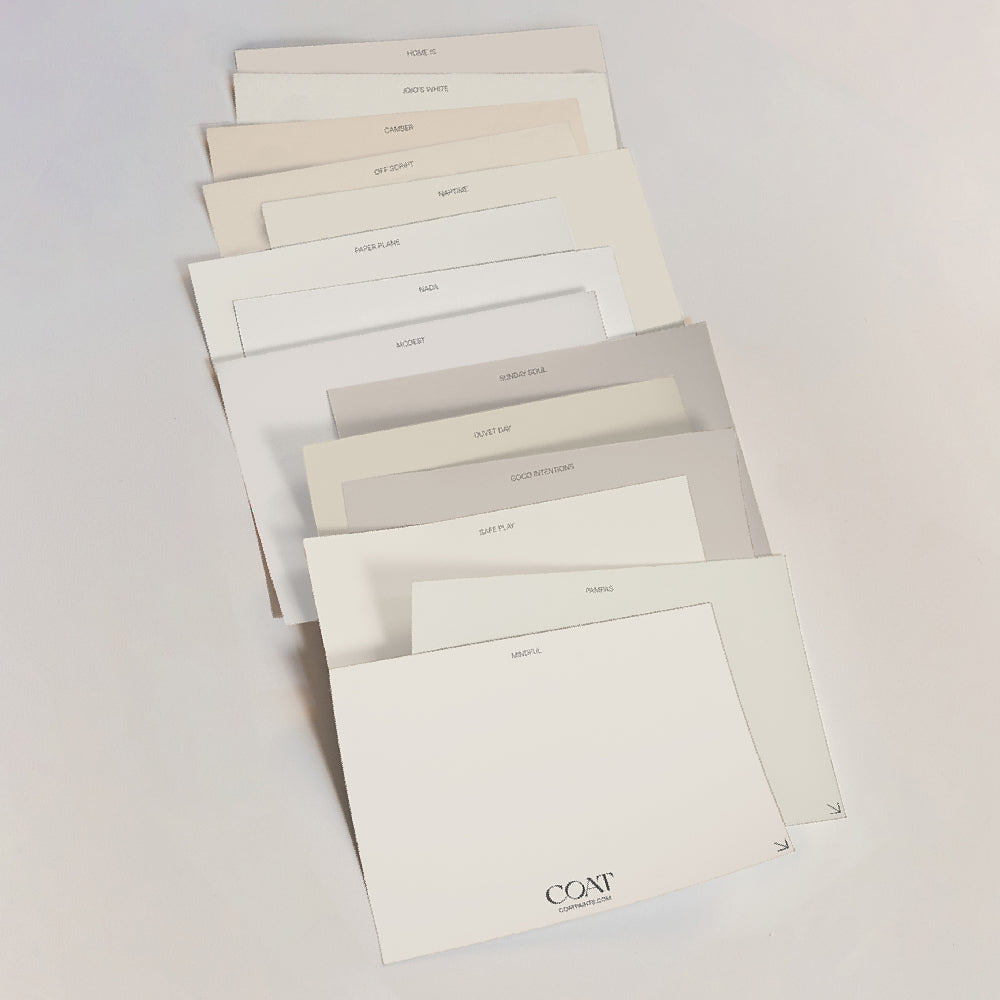
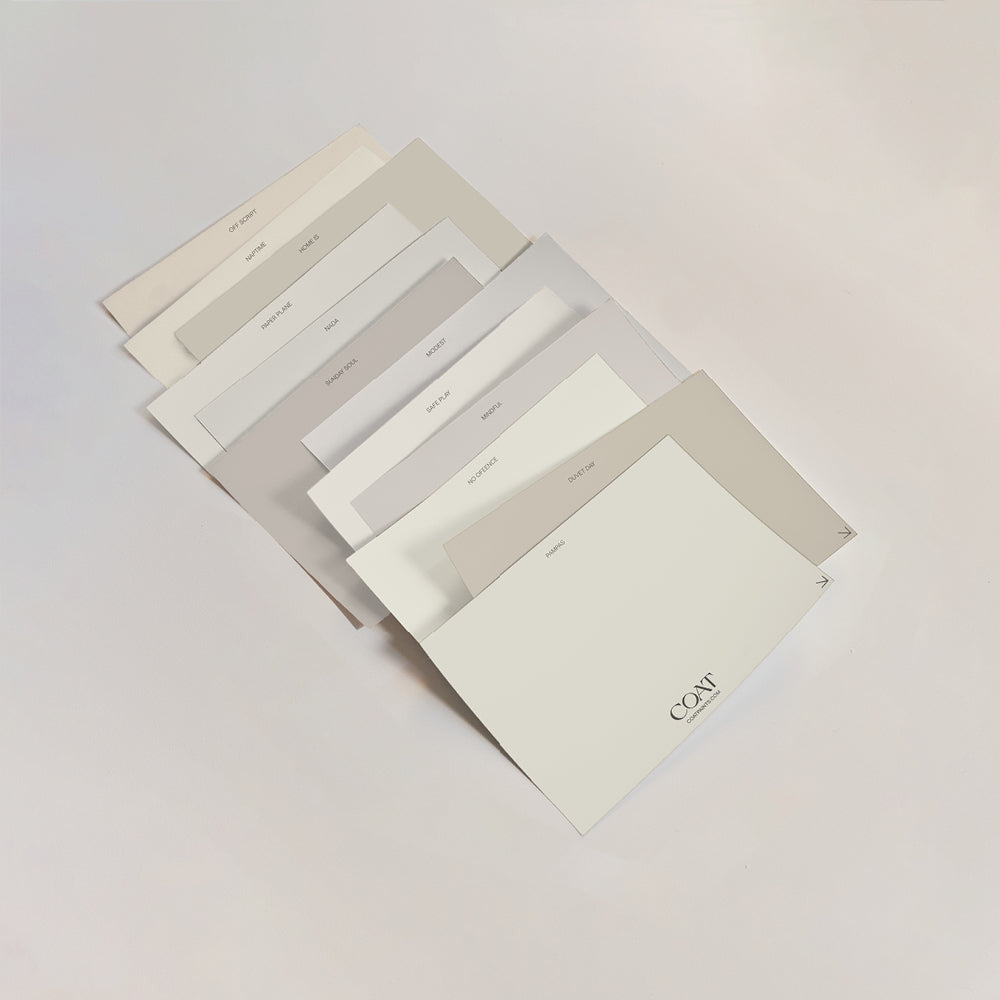
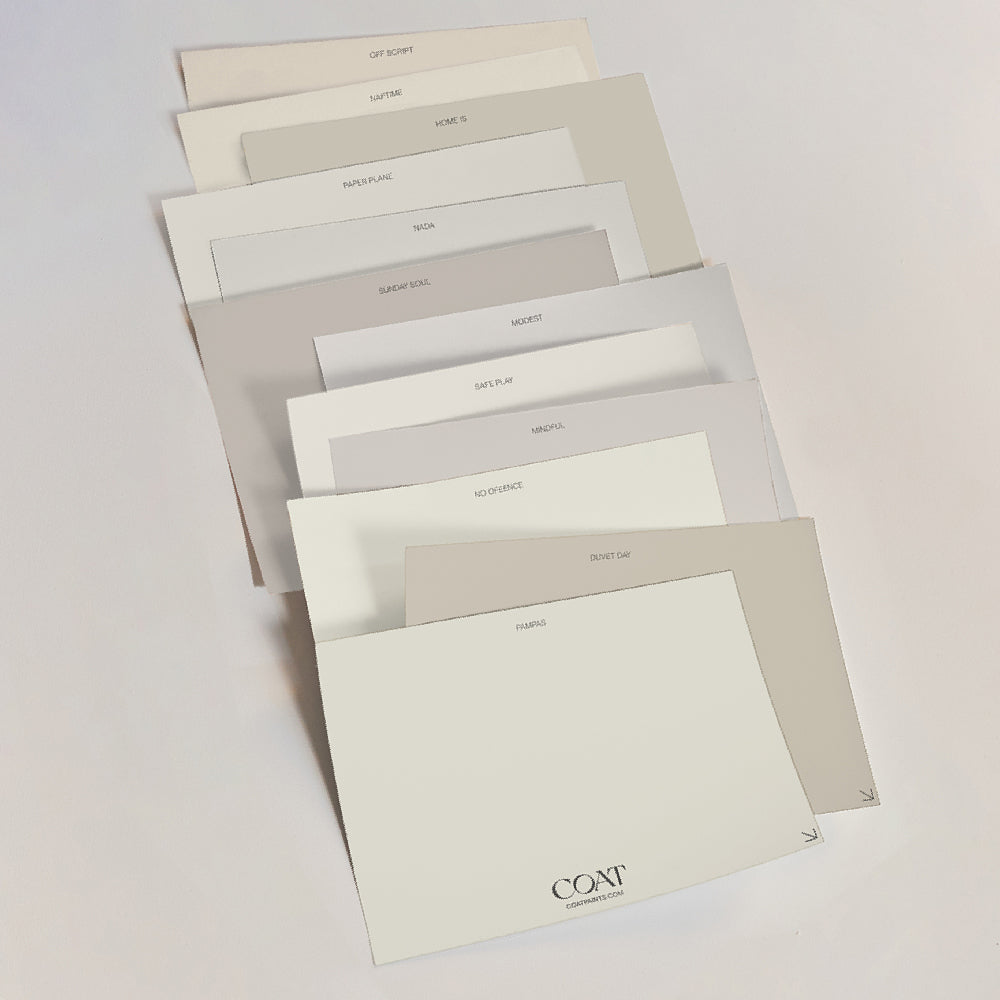
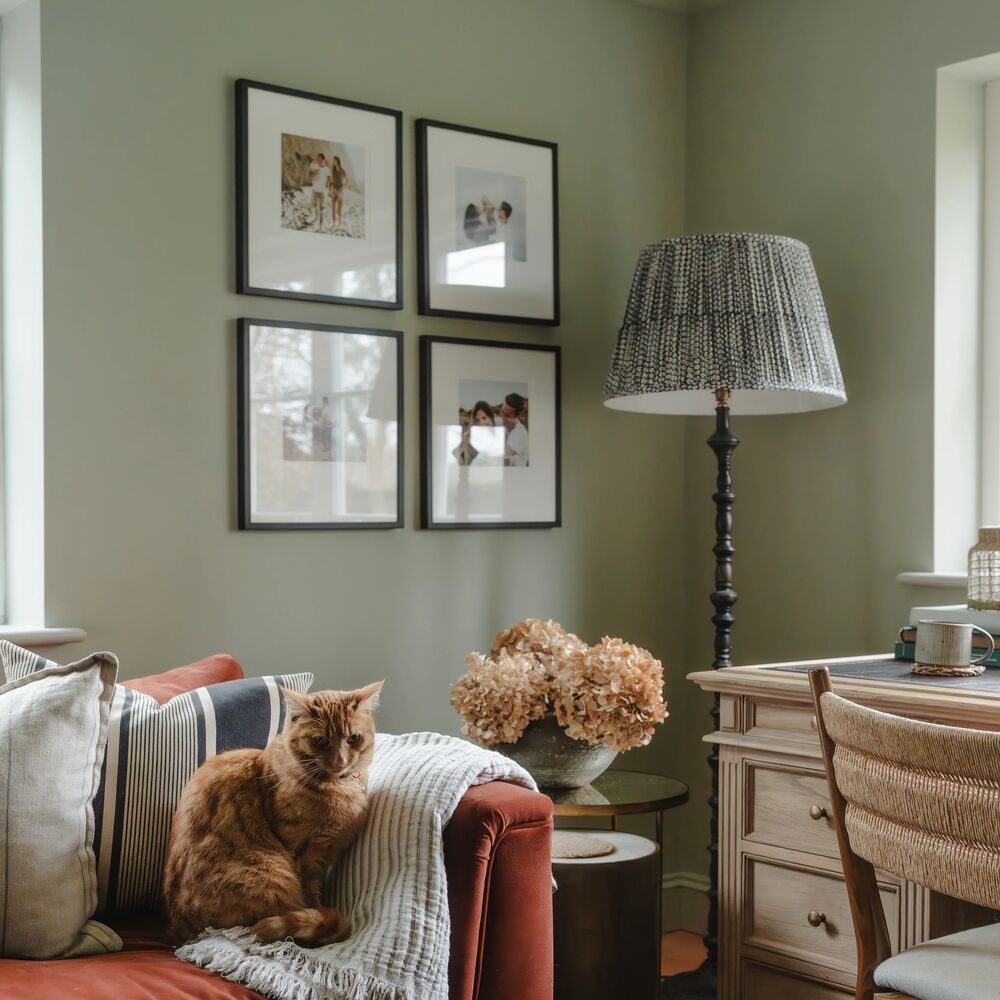
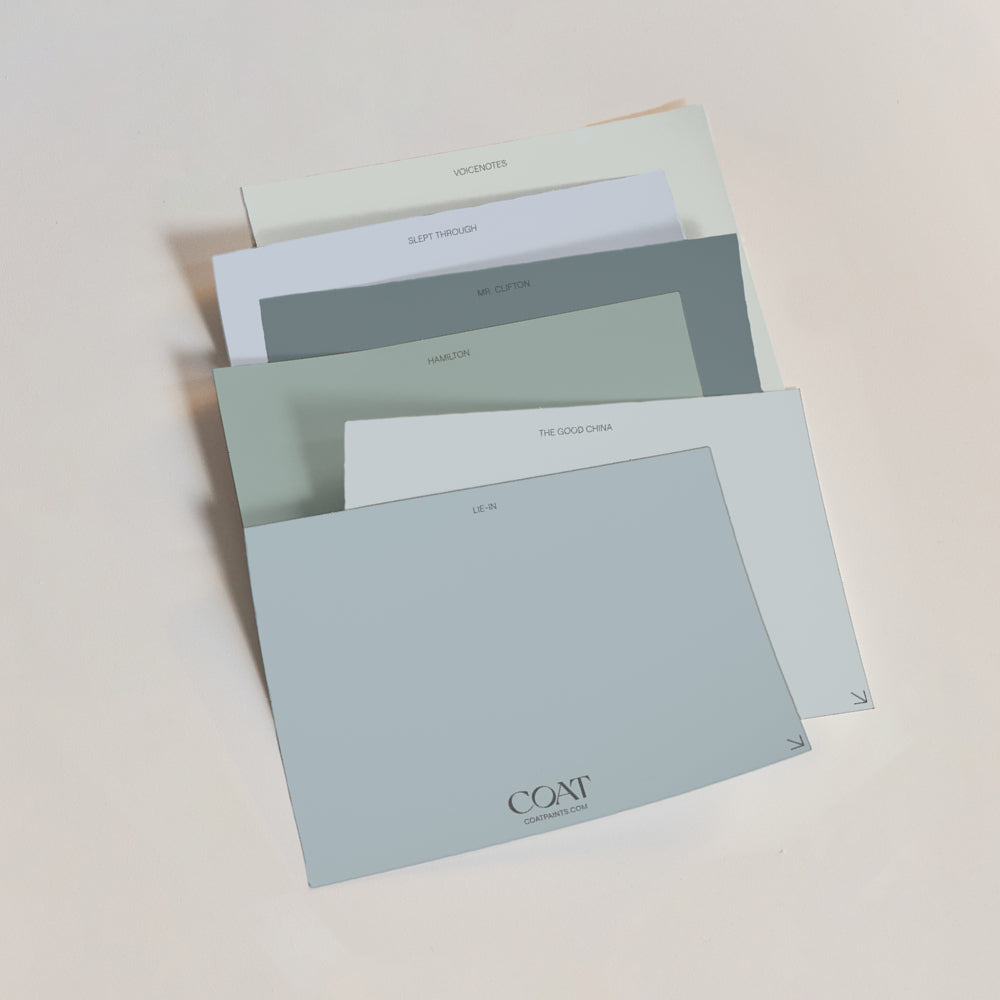
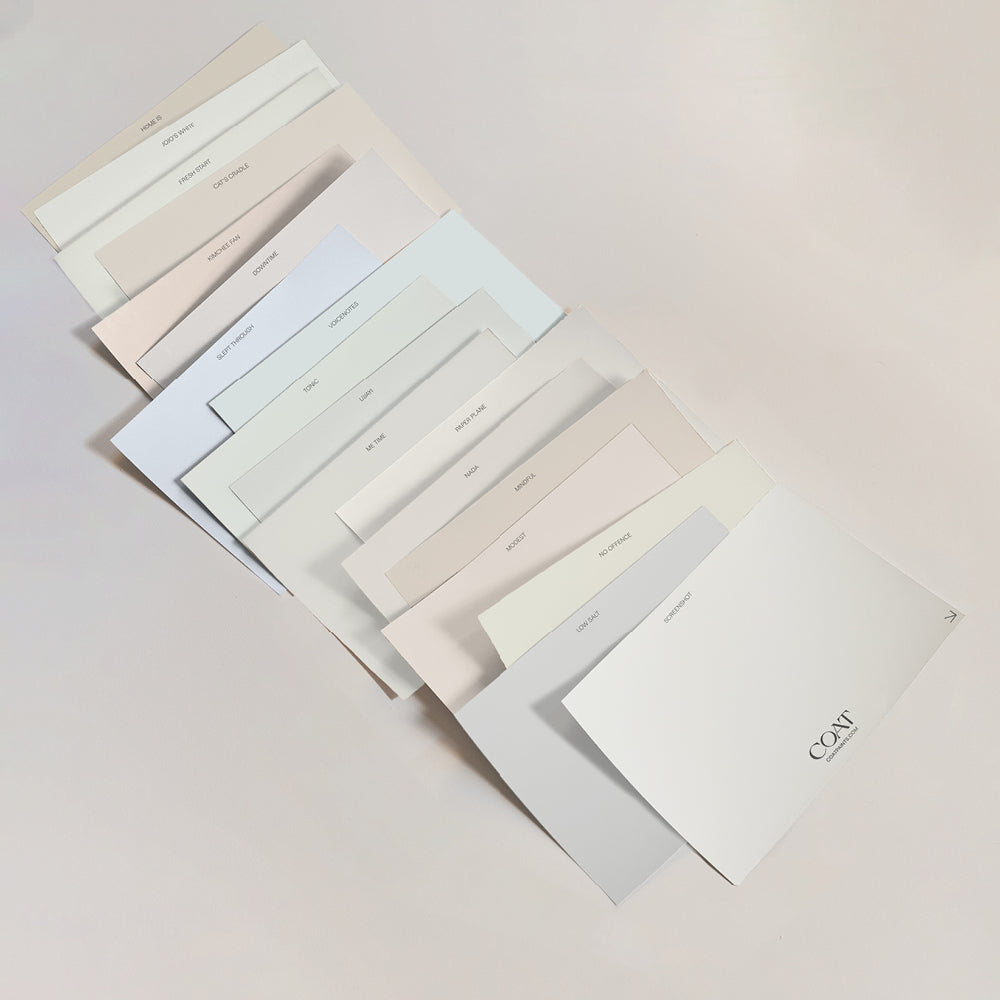
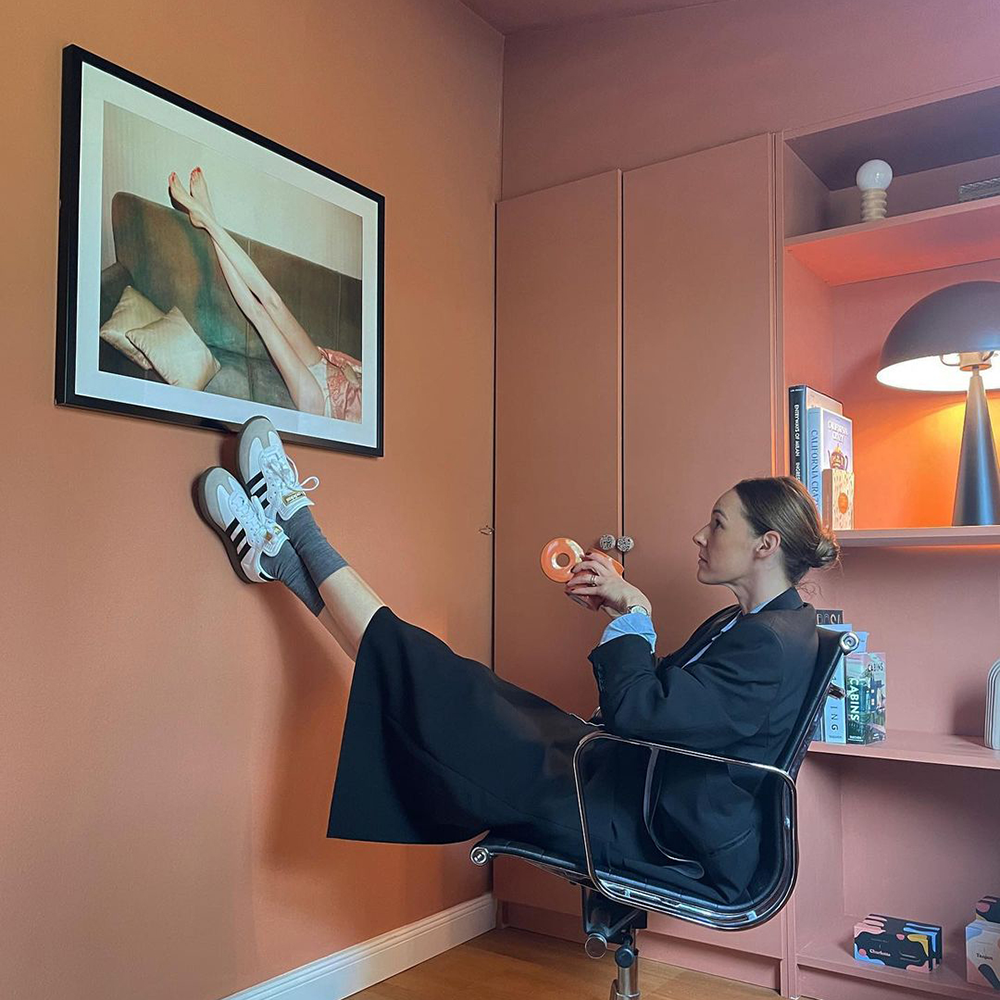
It's why rich shades like Sunday Soul or nuanced neutrals like Mindful need a genuinely high pigment load to do their job properly. Scrimp here and even a beautiful colour will look patchy and washed-out on the wall.
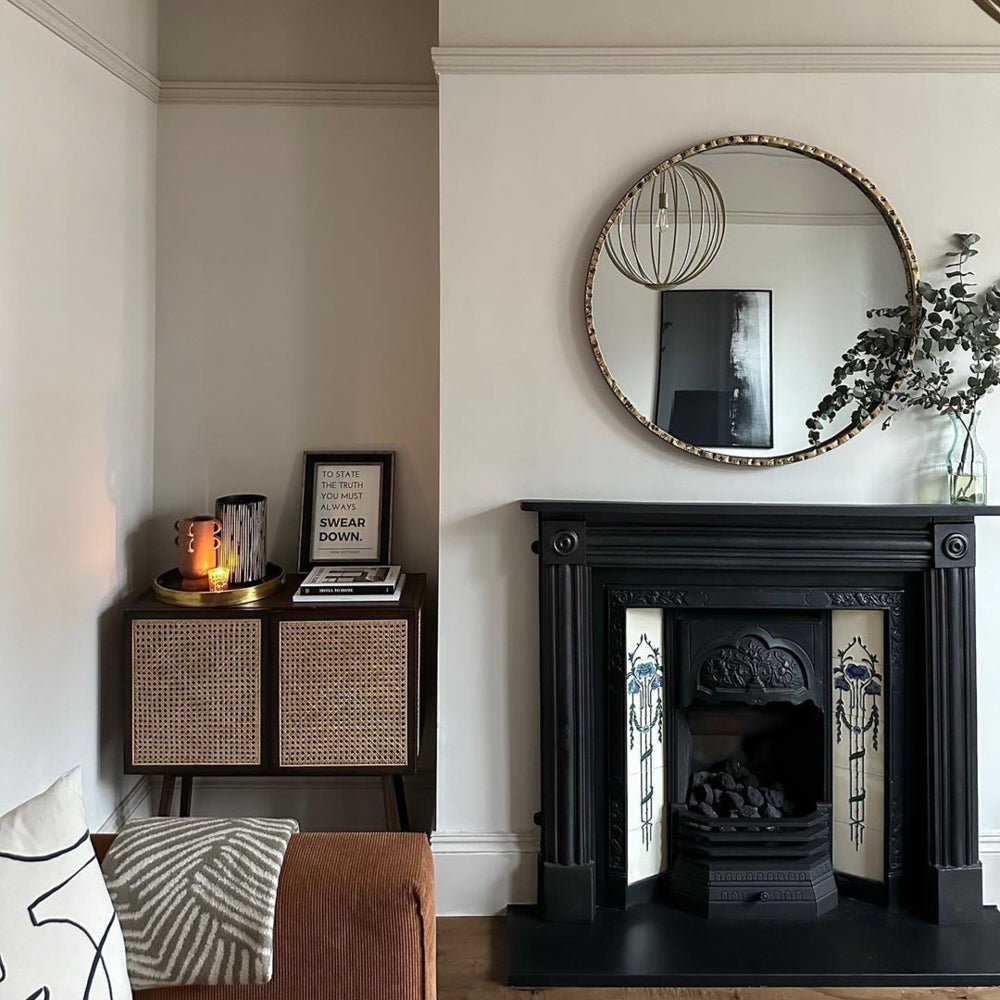
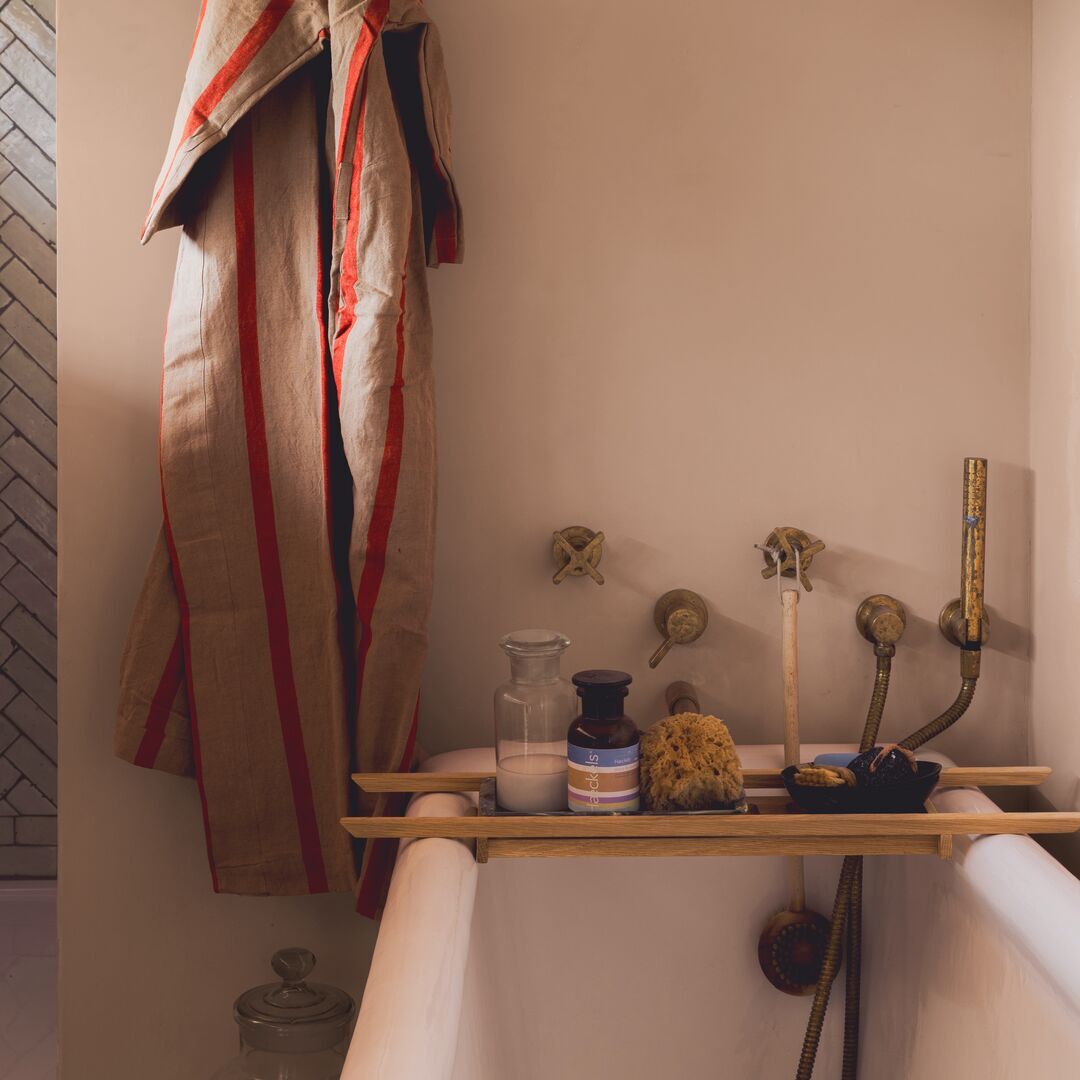
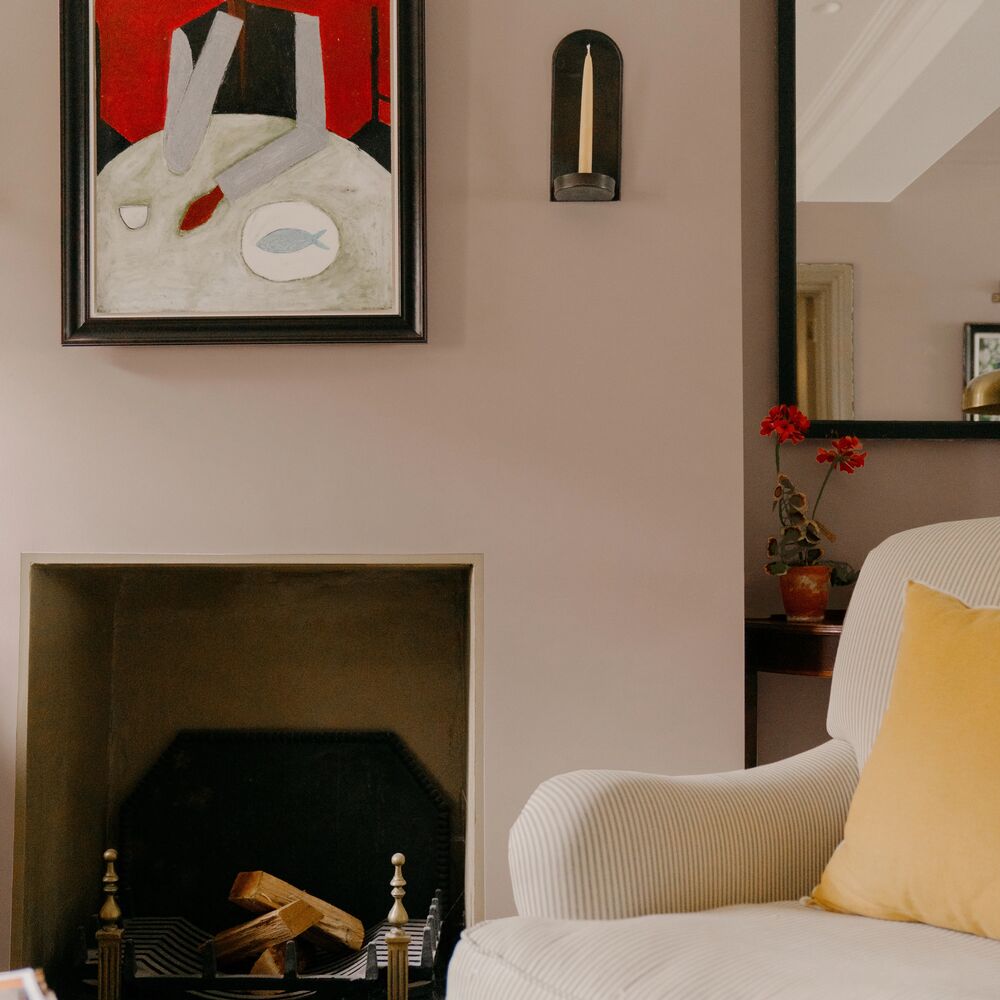
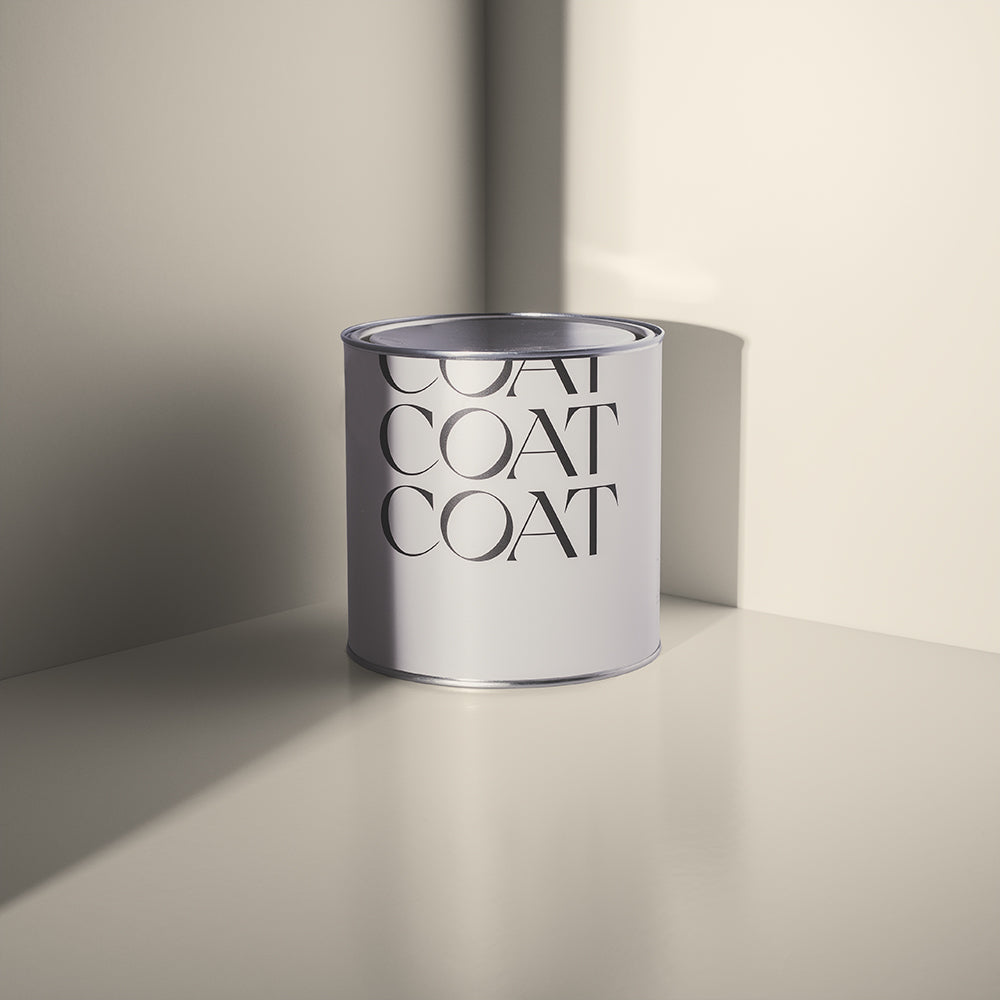
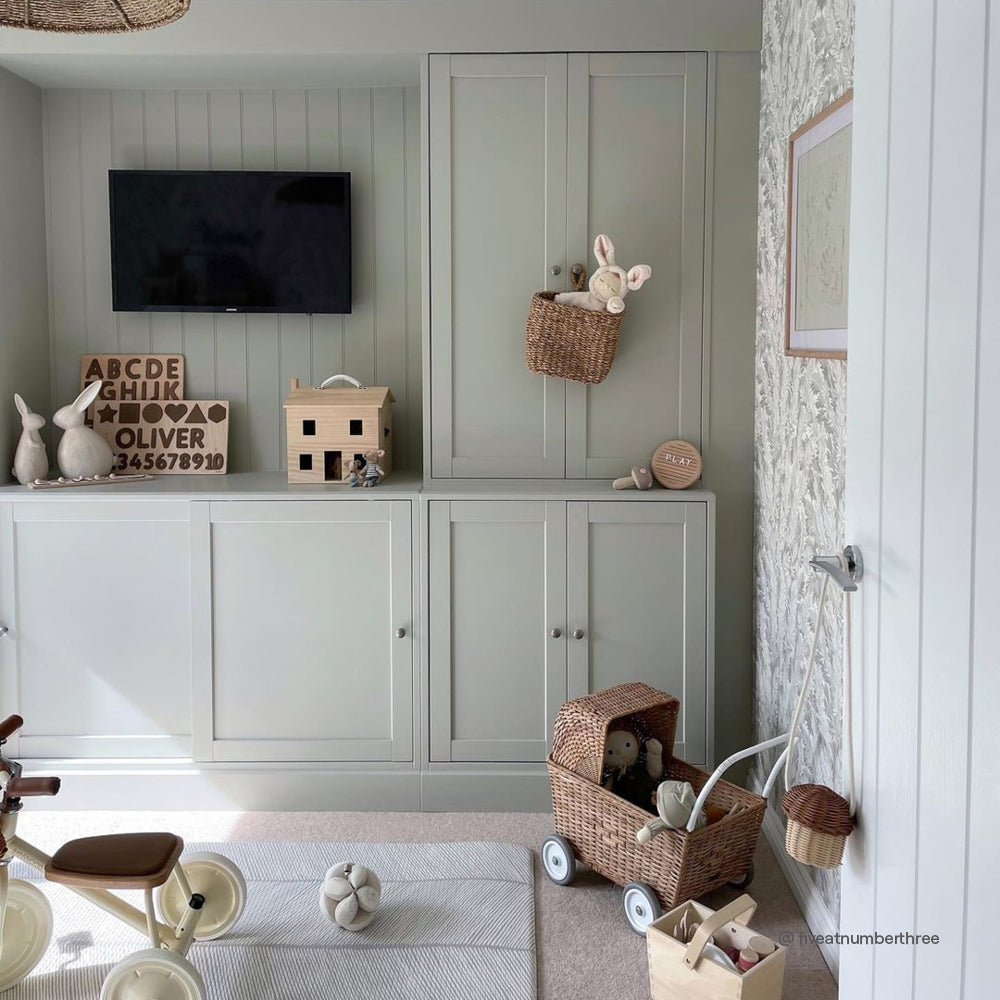
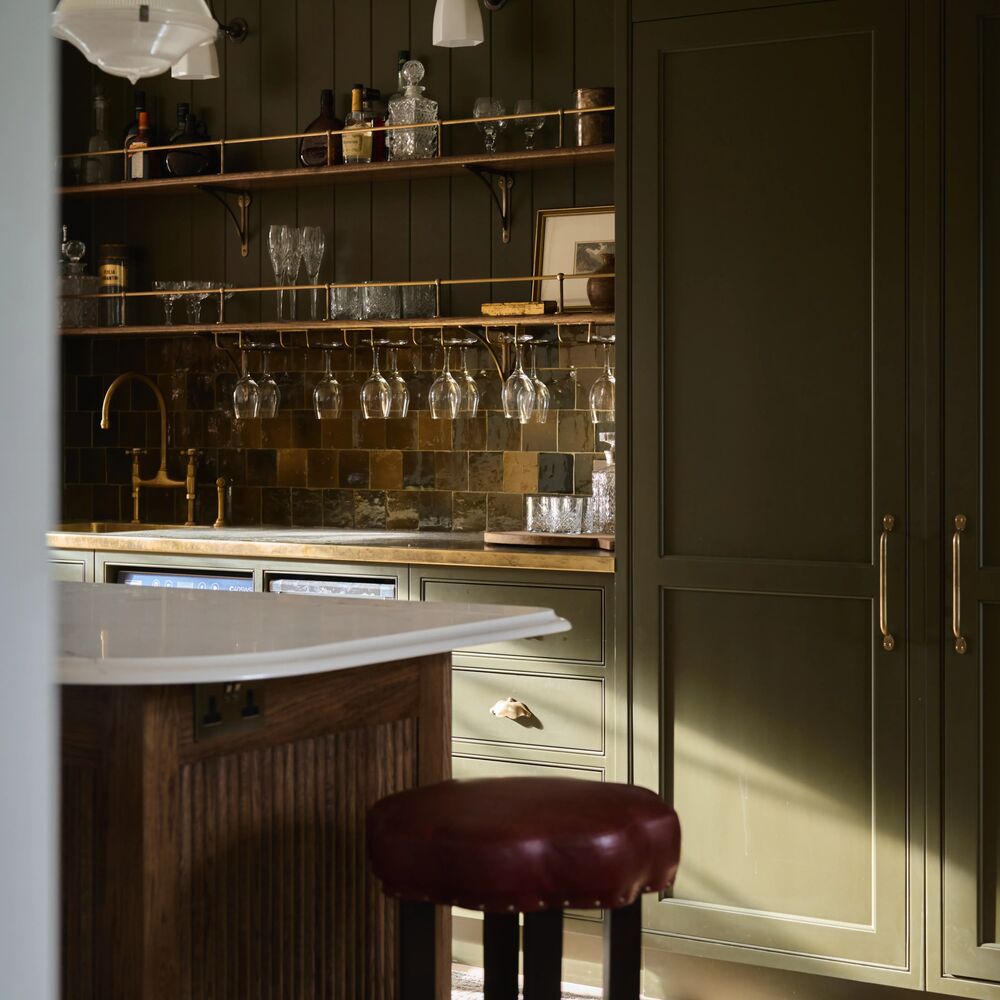
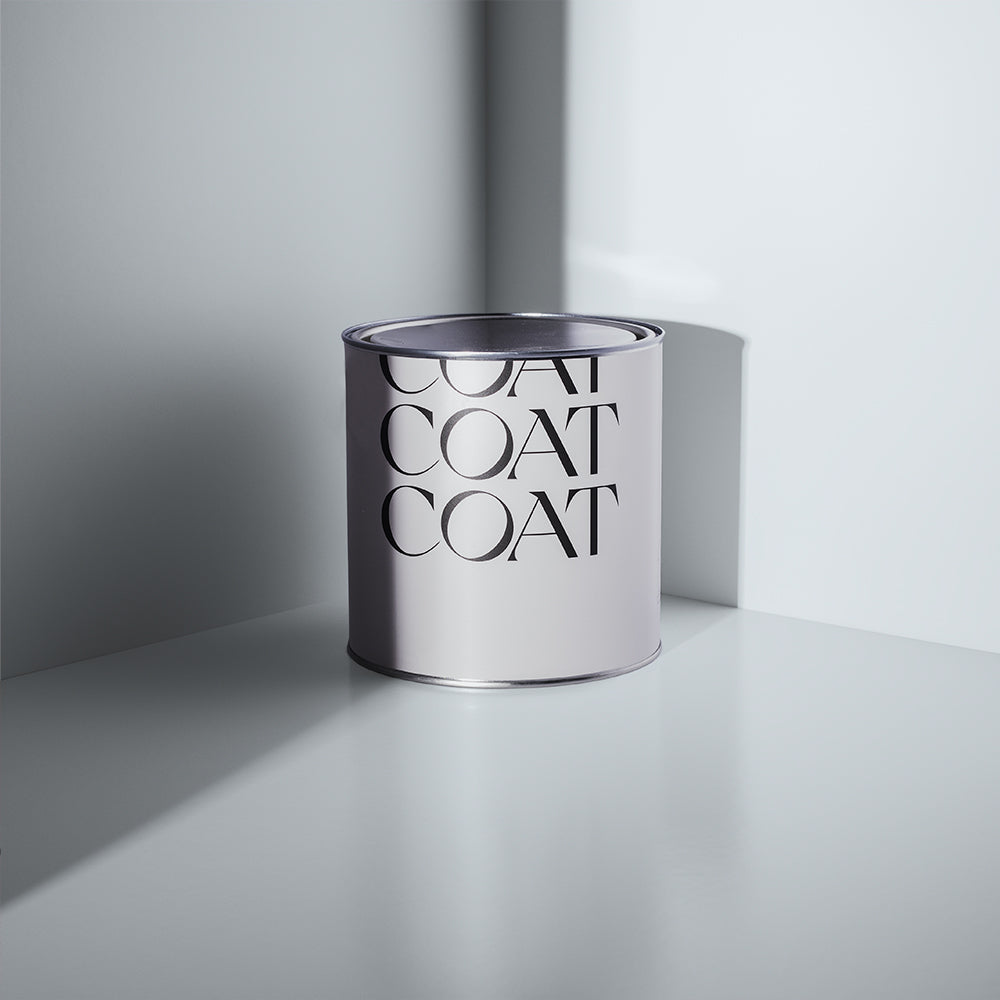
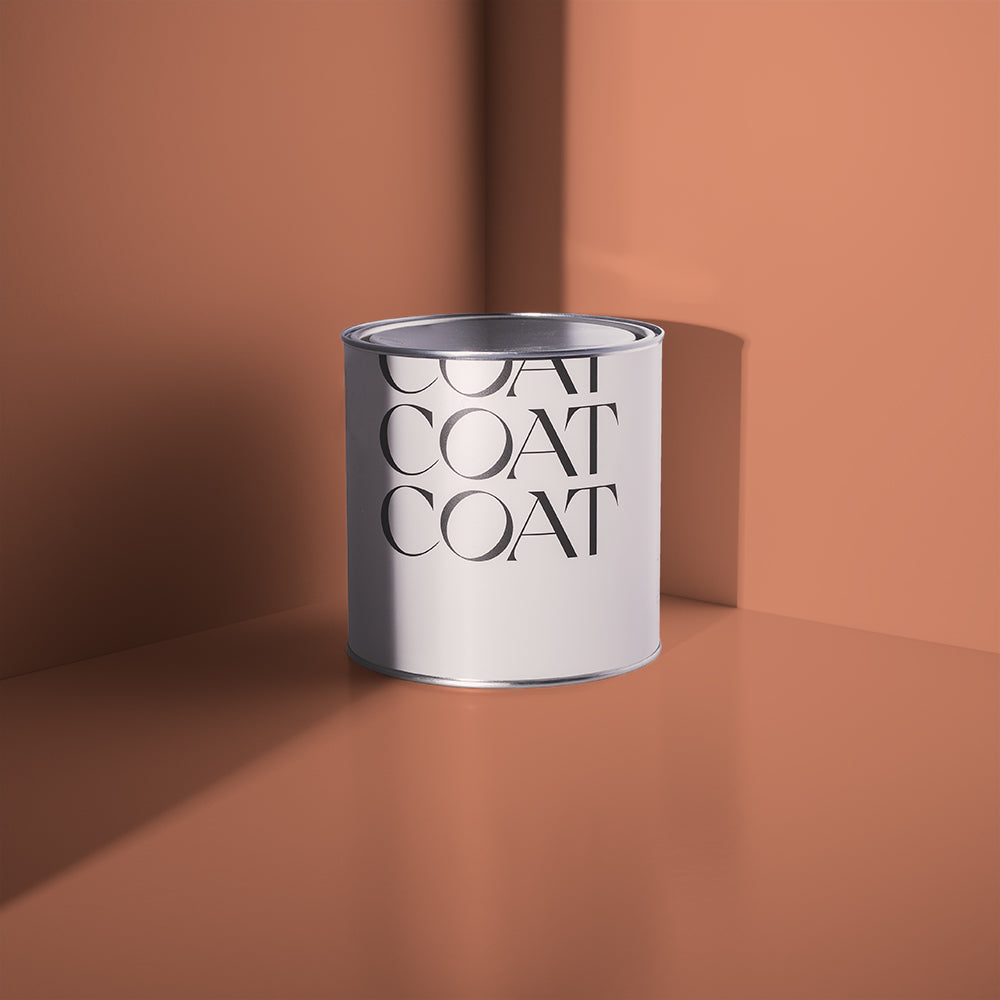
 Paint with a high pigment-load will hide the colour below effortlessly. Colour here is Pudding.
2) Binder Quality (the ingredient that holds the paint together)
Pigment is the colour. Binder is what turns that pigment into a coating, and one that can survive being wiped, scuffed and generally stands up to everyday life. High-grade binders cost more to formulate, but they also give paint its durability and stop it from looking tired and dirty very quickly.
More expensive paints perfect the art of balancing durability and a matt finish. Cheaper paints can’t achieve the same balance with lower-grade ingredients, so the output is often a shiny paint that looks and feels cheap.
3) Water content (the main ingredient)
Paints of the past were often solvent based - and not great for the planet or people. Today, almost every emulsion paint you would use at home is water-based. But the real question is how much water, and what’s dissolved in it?
A well-formulated paint uses water as the ‘carrier’ for high-grade pigment and binder. A cheaply made paint - one that’s designed to ‘stretch’ further - uses water to increase volume, so the good ingredients are diluted further. That’s why budget paints often feel thin, and need extra coats to cover. So remember, you could end up paying double the price on the tin if you need double the coats - not to mention the effort involved.
4) Production & Distribution model (don’t nod off - this bit is important…)
Paints sold via DIY stores have to pay margins to those stores. So if the paint is being sold cheaply, it’s unlikely to mean that the paint brand and DIY store are sacrificing that profit margin - but more likely to mean that the quality of the ingredients matches the low price of the paint. Low quality ingredients means worse opacity, more coats needed, and a less durable finish.
Online paint companies that sell directly to the end customer, retain control of their profit margins. That means it’s more likely they can offer high-grade paints and a lower price point and still operate effectively. No fancy stores to pay for, or retailer margins to make.
“We think selling directly, and producing paint on a made-to-order basis, is much better for people, and the planet” says Rob Abrahams, co-founder at COAT Paints. “We can use the best ingredients, and choose exactly where to price the paint based on its quality and sustainability credentials - not based on having to pay the DIY stores a cut.”
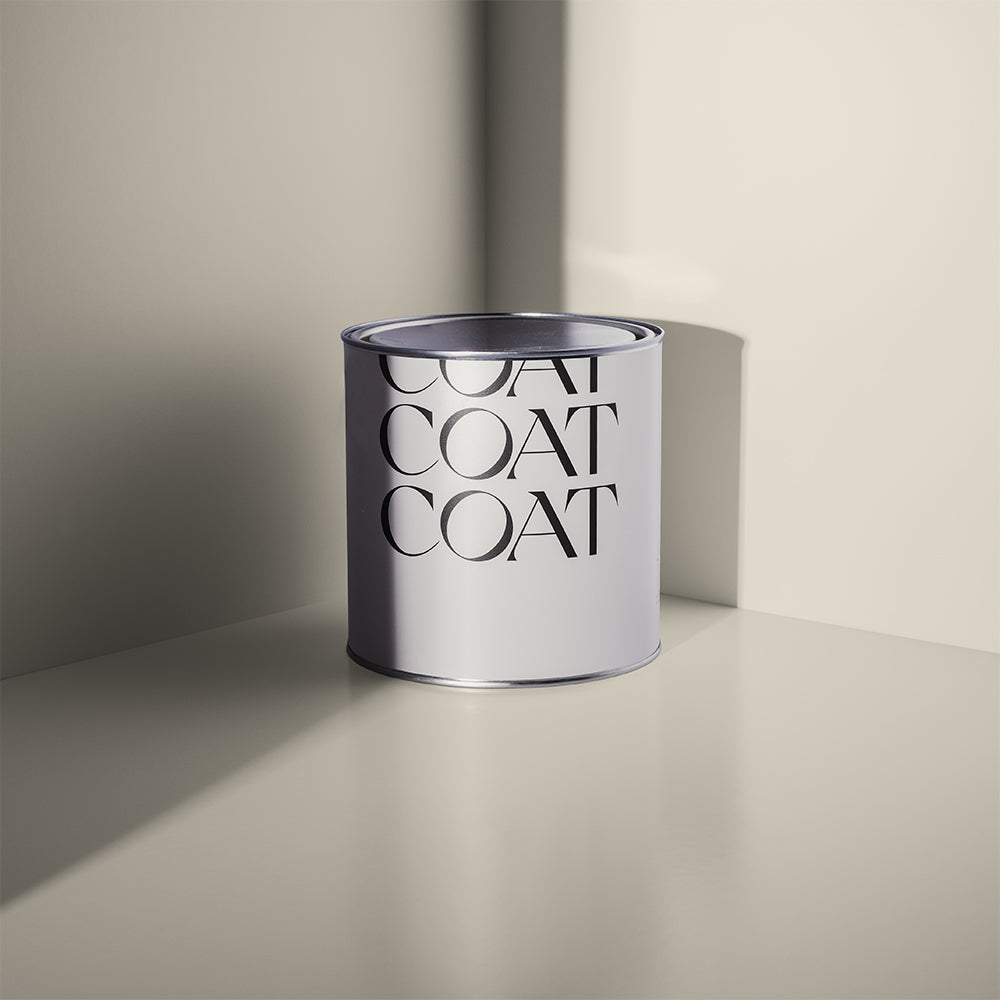
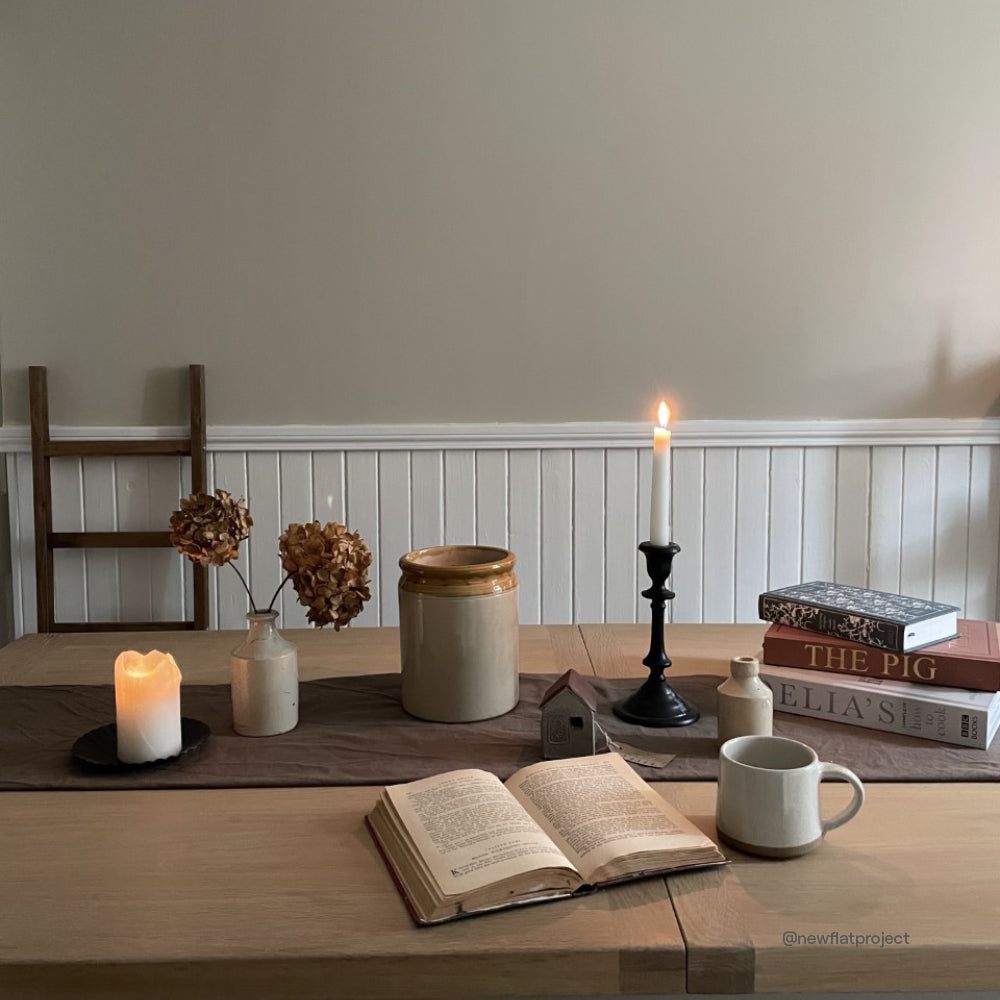
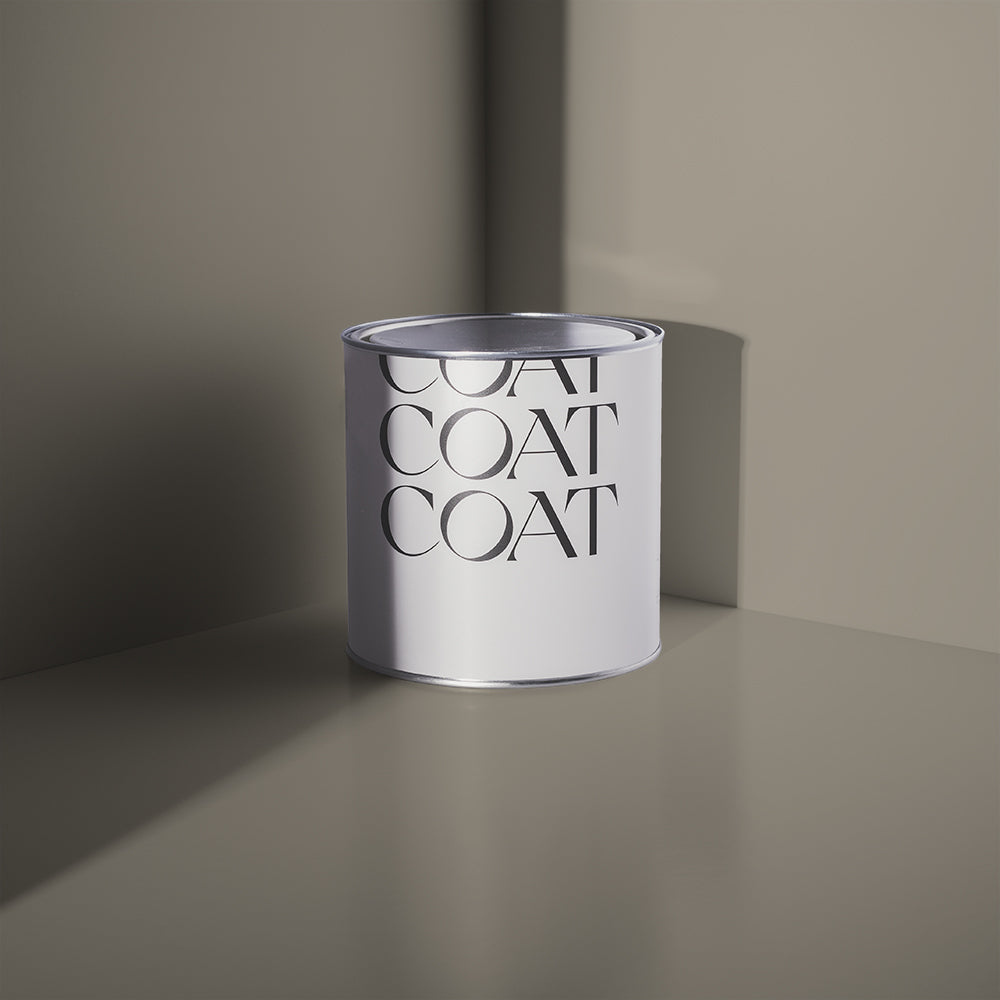
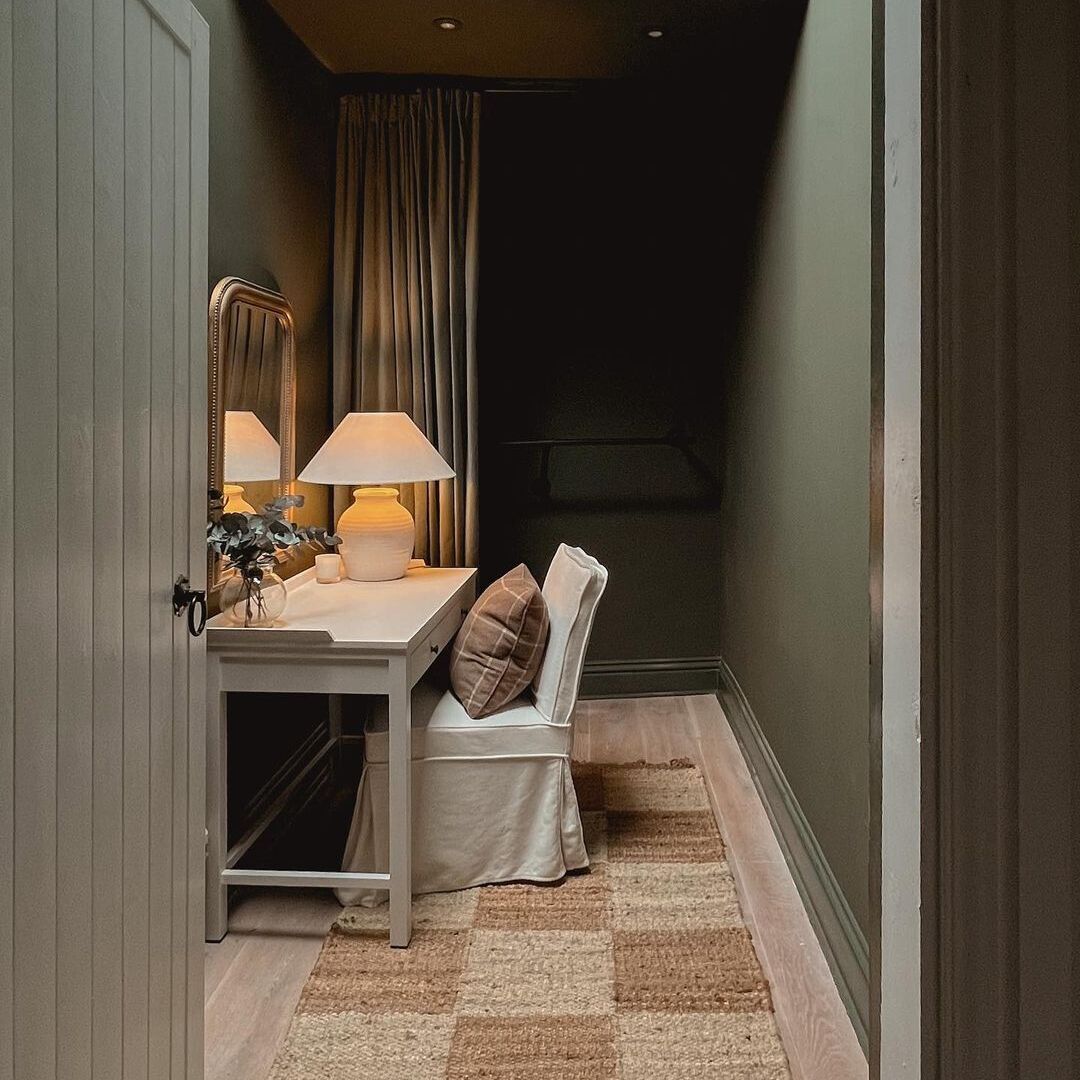
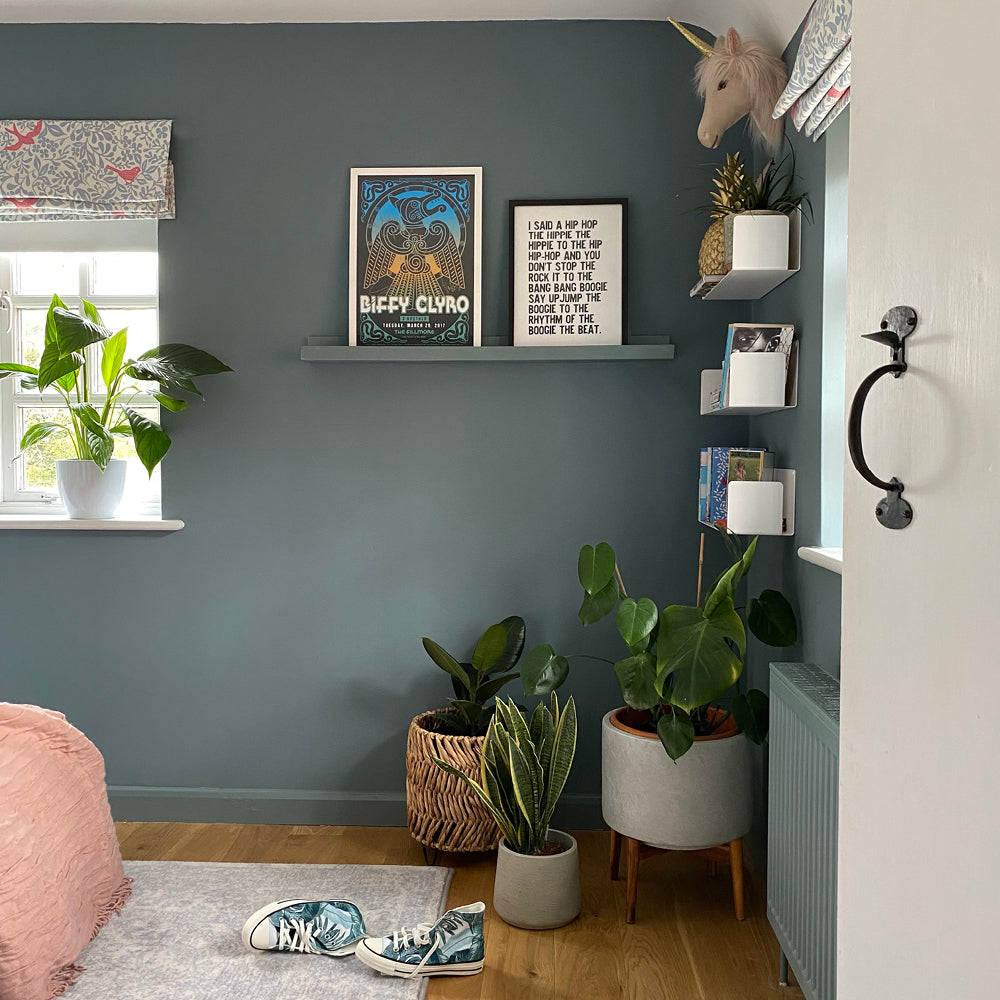
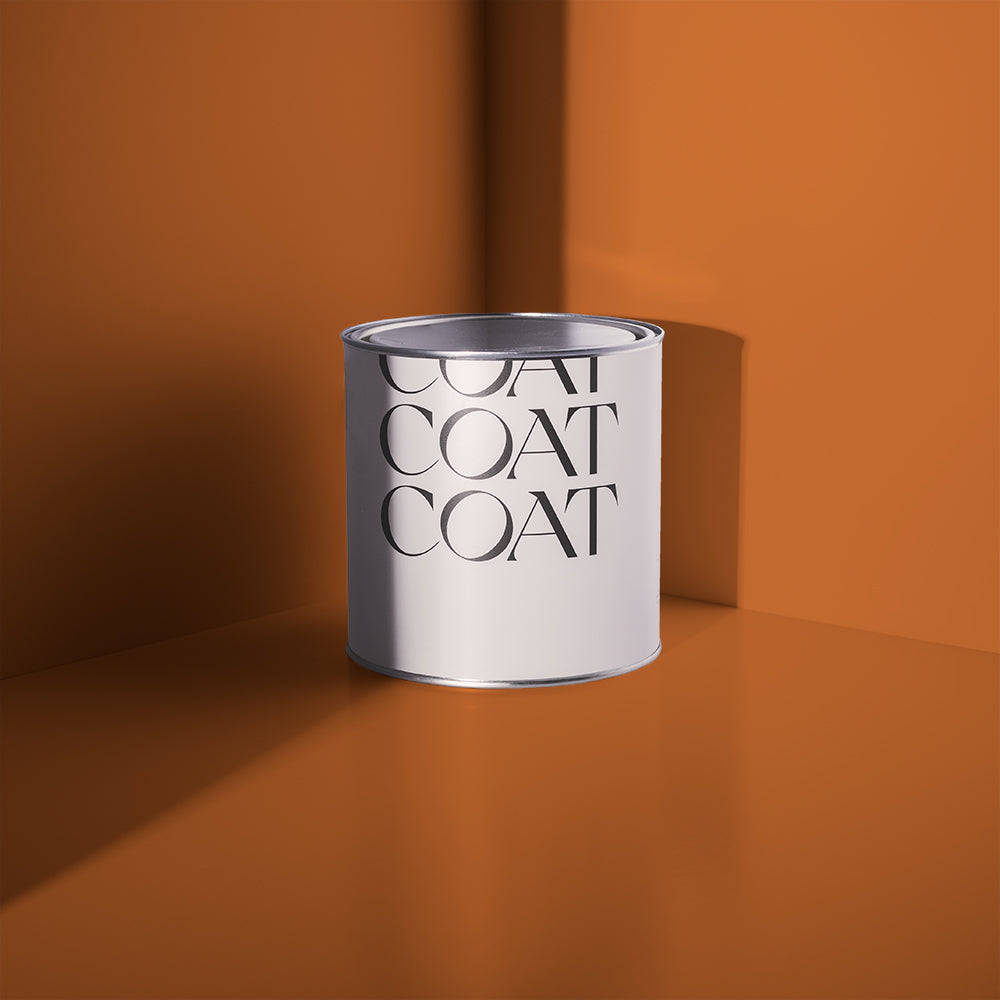
 Customer reviews will tell you how well other decorators find the coverage and hiding power of a paint very quickly. Colour: Rocky.
5) Coverage per litre (The price per wall)
The price on the tin is almost meaningless on its own. You need to work out the size of the space, and how much you need per square meter based on the published coverage of the paint. A £60 tin that covers a room in two coats is cheaper than a £25 tin that needs three.
One slightly tricky thing is that ‘Coverage’ simply means the rate at which the paint spreads across the surface. It doesn’t actually mean it will hide what’s underneath any better. That word is ‘Opacity’ - which means hiding power - and actually isn’t measured or published very often. It’s best to read reviews for a brand via Trustpilot or Google, to see what customers are saying about coverage - because they often mean opacity, and the real world experience of how many coats are needed.
So, is expensive paint always better paint
Not always, and we’d never claim that. Price is a signal of ingredient quality, and it often reflects how the paint is formulated and made - but it’s not a guarantee. Sometimes marketing power can outweigh quality when it comes to pricing designer paint. The real way to tell the difference is via the five points outlined above.
If you’re going to pay top-dollar for paint, check reviews. Customers will tell you pretty clearly about how colours look, how it was to apply and the hiding power, as well the durability of the paint. They’ll also tell you about the buying experience, and customer service too.
How to check you’re getting real value in your paint
Here are some questions to ask any paint brand you’re considering, if you want to check their price and quality credentials:
-
Ask for the pigment content, and opacity rating. Any brand that can’t answer that clearly is not worth buying from.
-
Order a real paint sample, and check the coverage and hiding power after one coat. You’ll know instantly if the paint feels thin and watery, or rich and thick with good coverage.
-
Work out the cost per square meter, not the cost per tin. But check on your assumption for how many coats it will take by checking customer reviews.
-
Ask how the paint is made. Made to order and small-batch production can correlate with formulation care and sustainability awareness. Paint sold directly from the manufacturer can also mean less margin being paid to retailers, which can positively benefit the price-to-quality ratio.
Frequently Asked Questions
Why is some paint more expensive than other paint?
The price difference comes down to pigment load, binder quality, water and filler content. High-quality paint uses more pigment and better binders, which cost more to formulate but cover better and last longer.
Does more expensive paint always mean better paint?
Not automatically. Price can reflect the quality of ingredients and the formulation - but it can also reflect packaging, marketing, and brand positioning. Customer reviews and testimonials are the best way to check if the price you’re paying really materialises in high-grade products.
How do I know if a paint has a high pigment load?
Ask the brand directly. Or try the paint yourself. You’ll instantly see if the paint hides the colour beneath with ease, and how the colour feels in the light. If it covers well, and feels dynamic and reactive to light - it’s high quality. If it feels thin, and flat-looking - it isn’t.
The Summary
Don’t compare paint on price per tin. Compare it based on the cost to cover your space (coverage), pigment quality, and durability. Every COAT colour is made to order in the UK, with a high pigment load and lots of high-grade binders. Don’t believe us though - read reviews of COAT and other brands yourself to make the best decision.
Ready to get shopping with COAT? You can browse all our colours here.
Publish Date
Author