Warm Neutral or Cool Neutral? How to Tell Which One Your Room Actually Needs
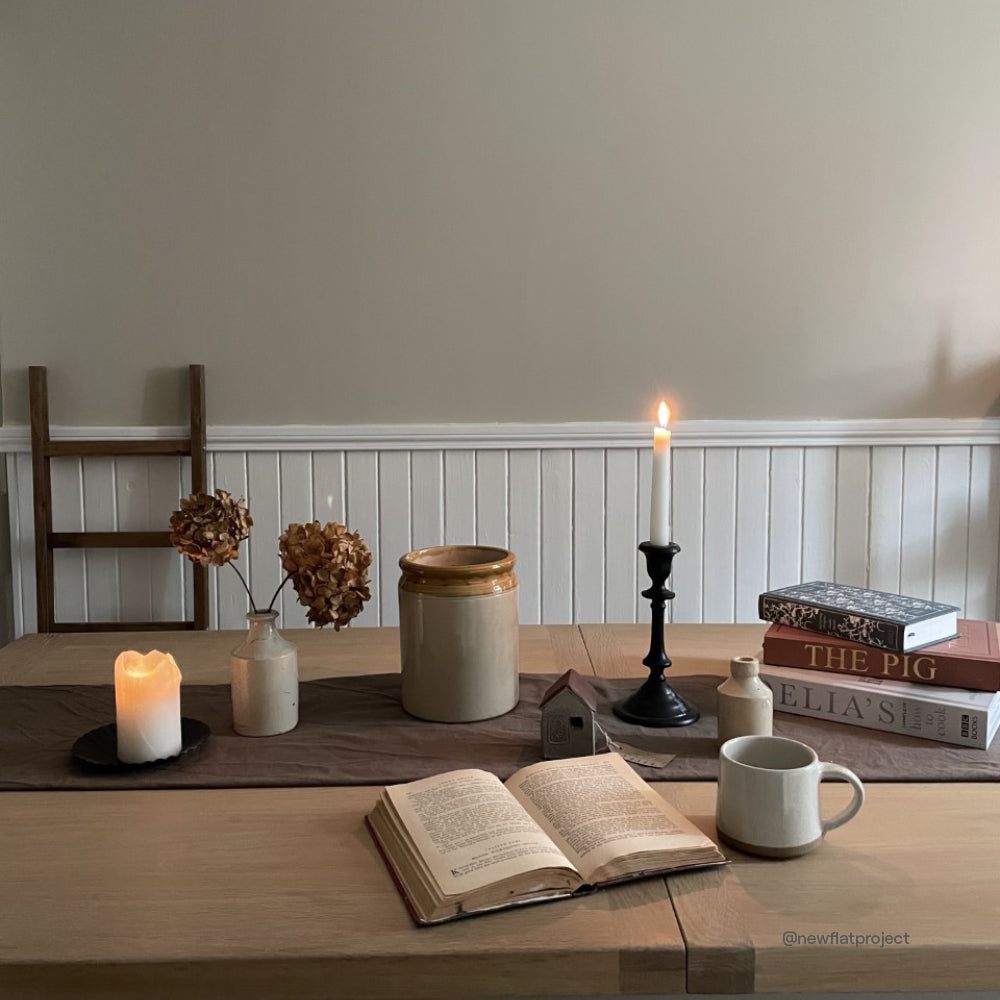
A warm neutral feels like the most comfortable choice, for most people. But sometimes choosing a slightly cooler shade can be the right move. The right choice is generally driven by natural light - and specifically, which primary direction your room faces.
Beyond the light direction itself, the amount of light it gets, and the tones already sitting in the space, from your flooring to your metal fixtures, are important too. Get those three things right and the warm-versus-cool decision becomes far simpler than any trend forecast will tell you.
What Actually Decides The Perfect Neutral Paint
Orientation and light. North and east-facing rooms get cooler, flatter light, so warm neutrals tend to sit more comfortably in them. If anything, warm neutrals with yellow or brown undertones, do a great job in balancing the north and east facing light which reads naturally cooler and more blue-grey. South and west-facing rooms get warmer, stronger light, so a cooler neutral often balances better and avoids looking overly creamy or saturated.
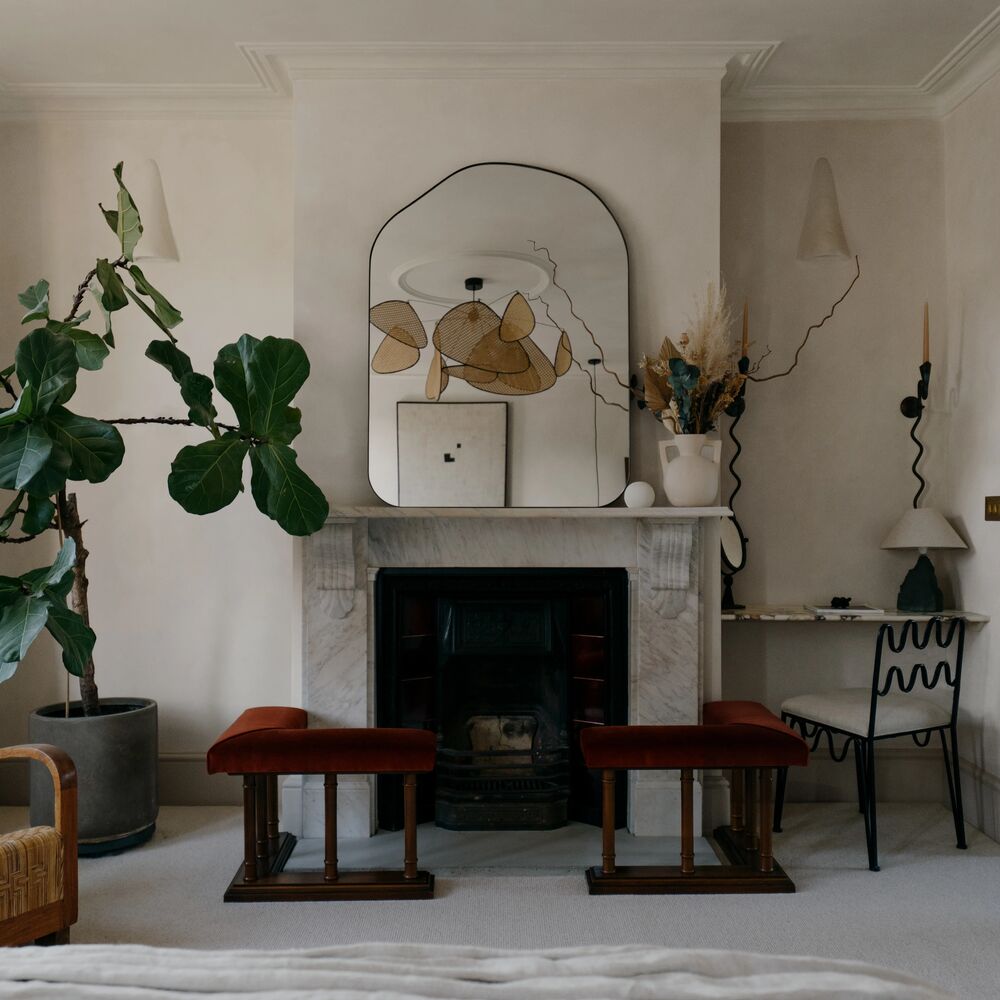
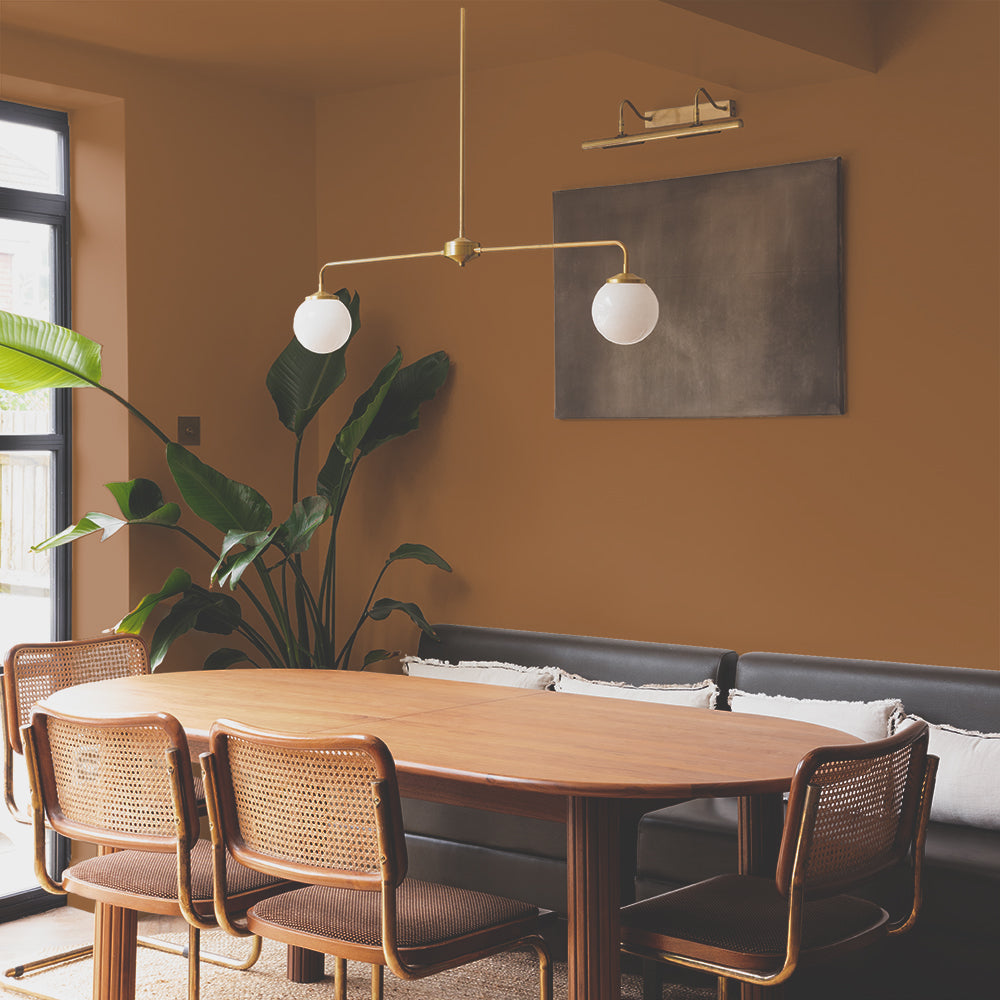
Existing tones in the room are important, too. Warm wood floors, brass fixtures, or terracotta tiles all pull towards a warm neutral. Whereas cooler tones like chrome, black metal, or grey stone pair more naturally with a cooler neutral. Fighting these existing materials with the wrong temperature of neutral is one of the most common decorating mistakes we see.
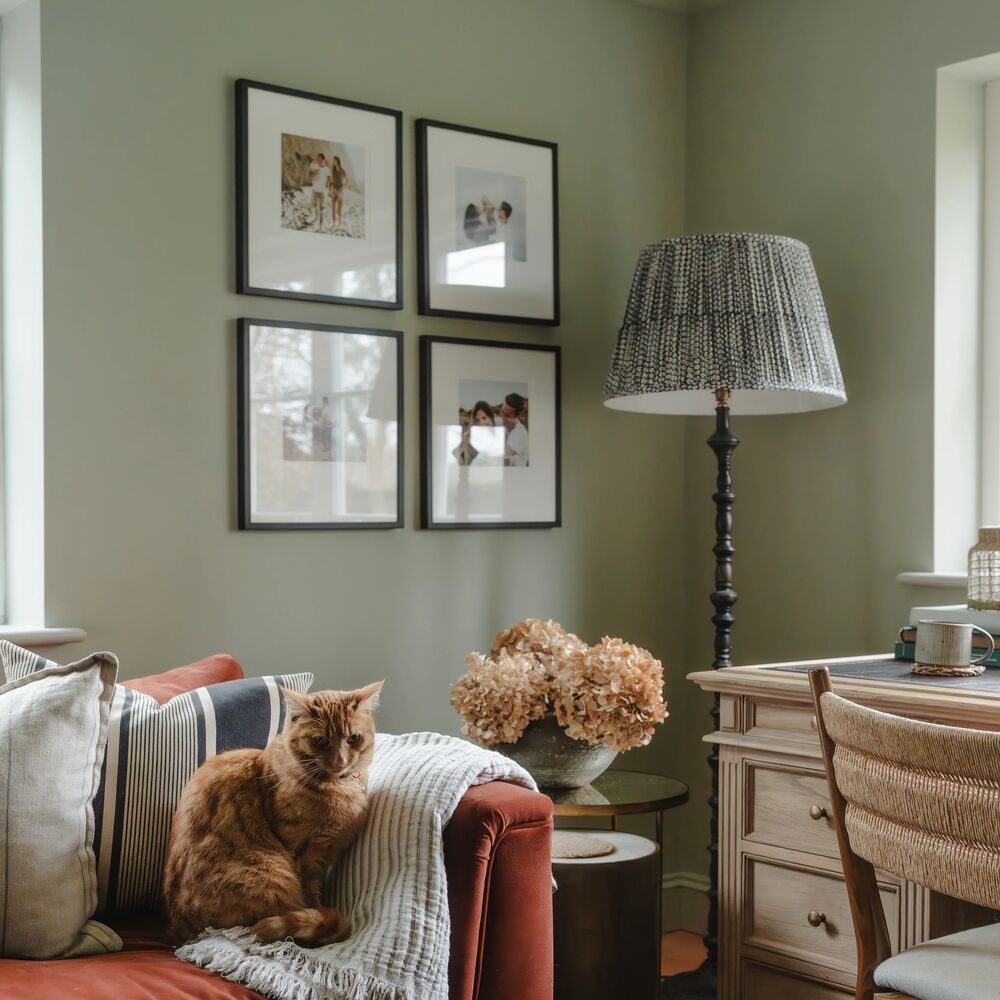
And finally, how is the room is used? Warm neutrals tend to feel more relaxed and inviting, which suits living rooms and bedrooms. Cool neutrals feel calmer and more composed, which often suits hallways, home offices, and bathrooms.
Our Recommendations
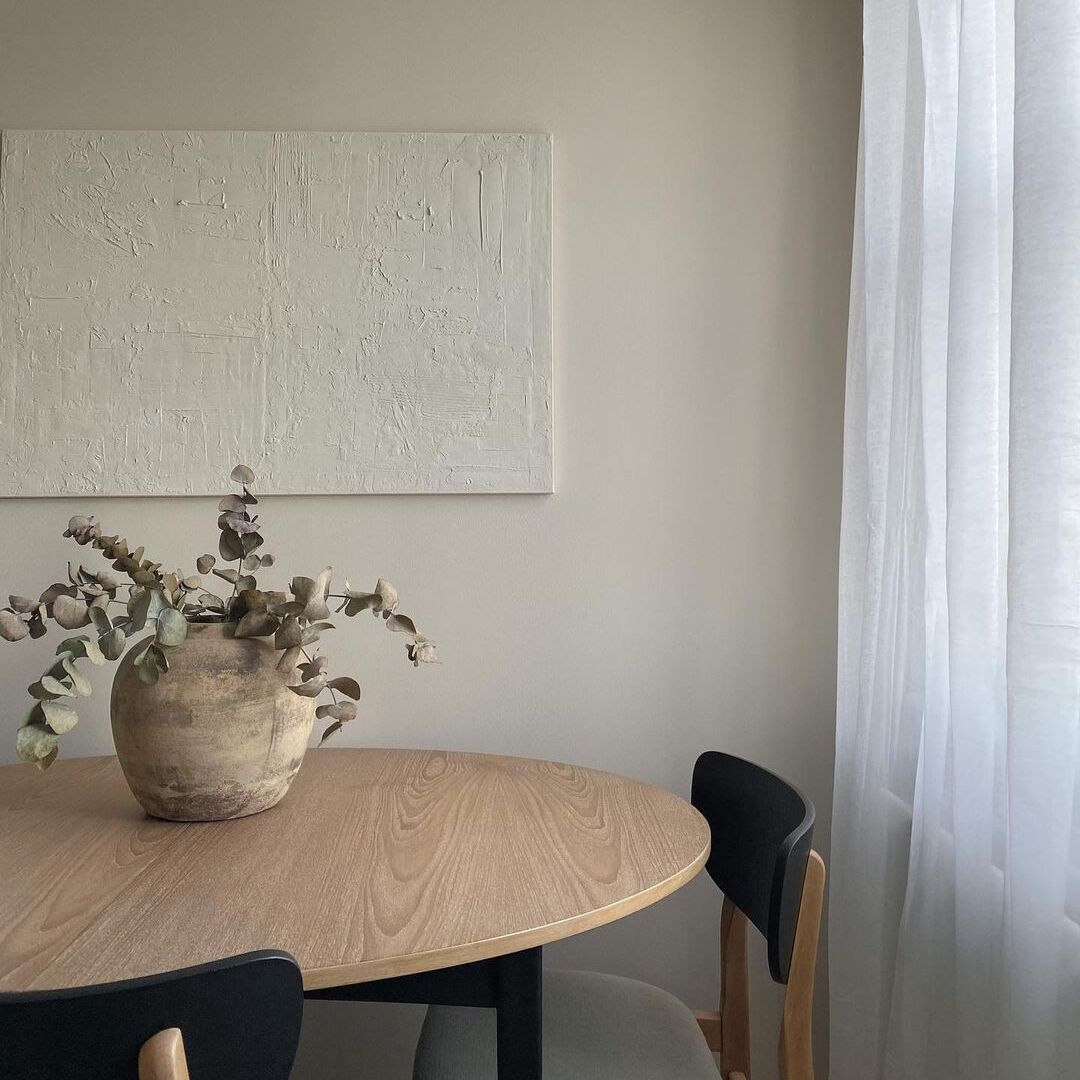
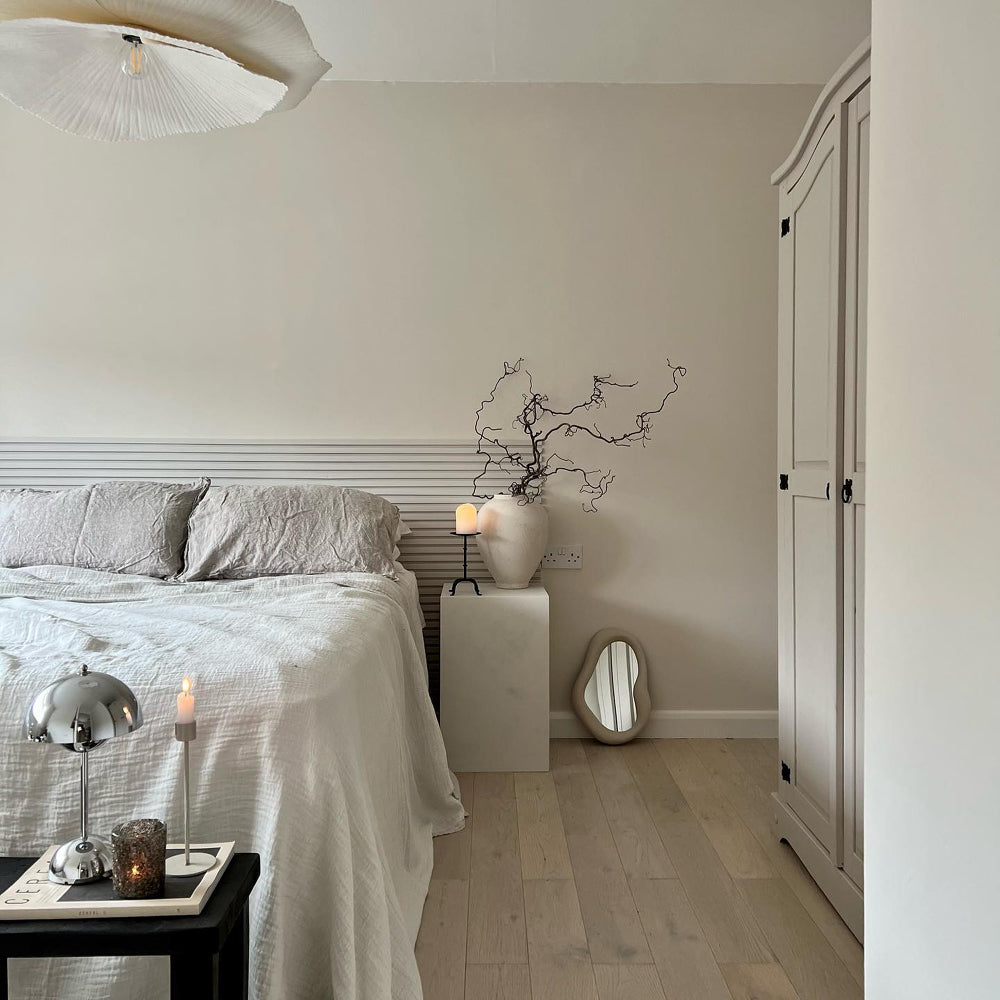
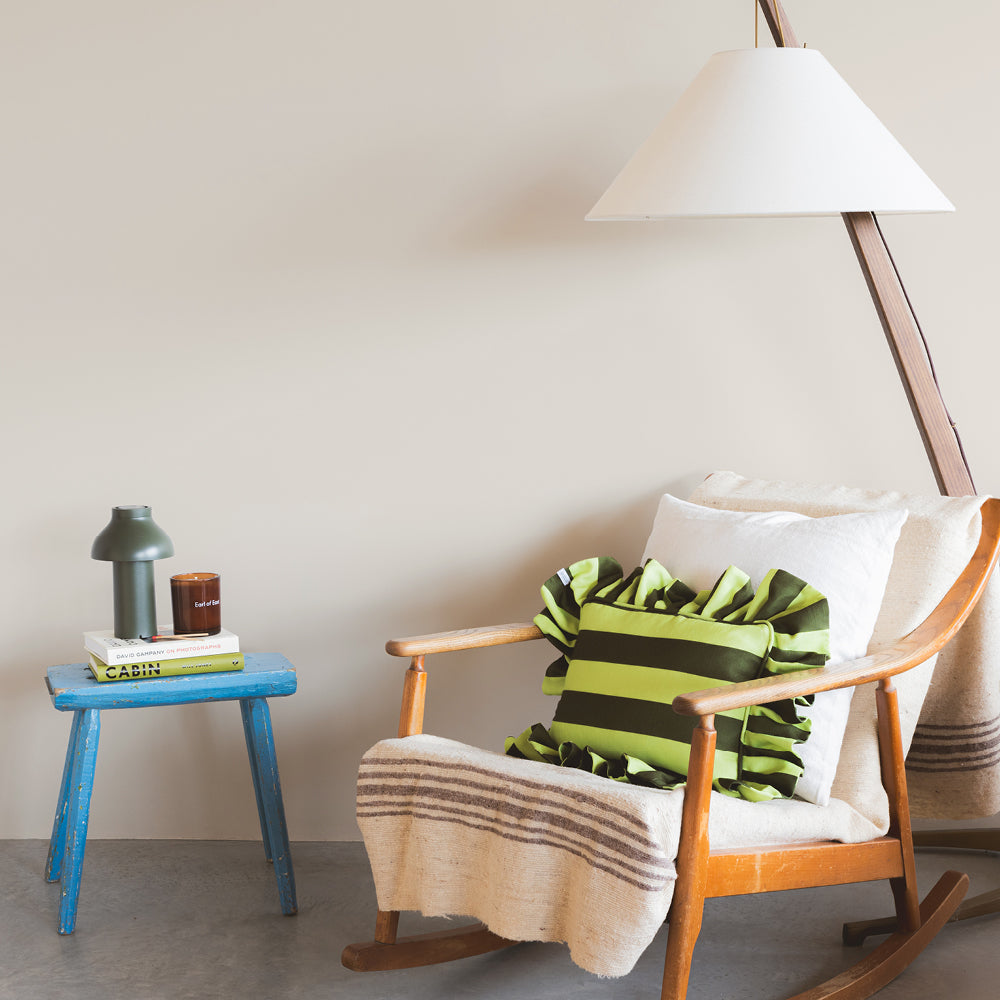
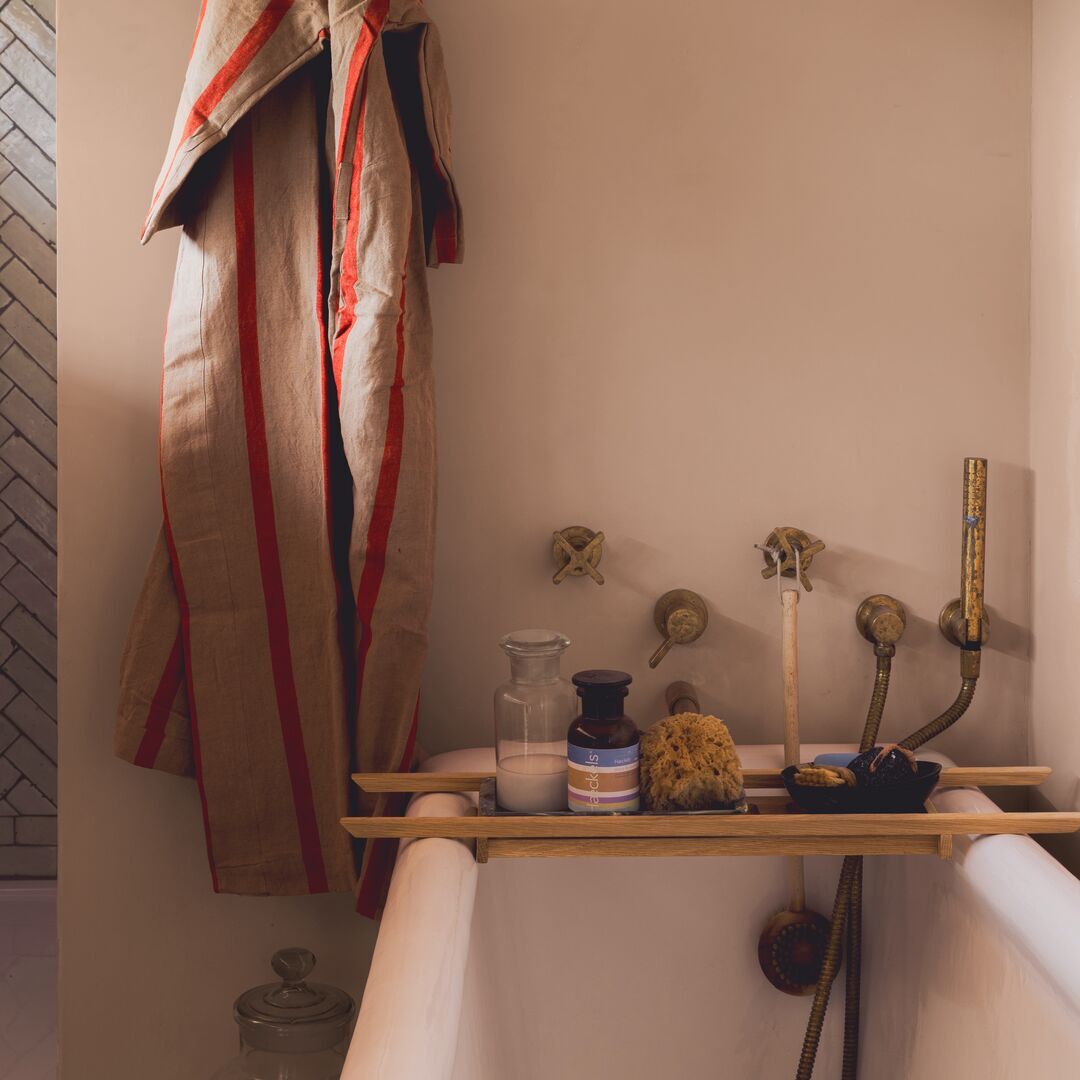
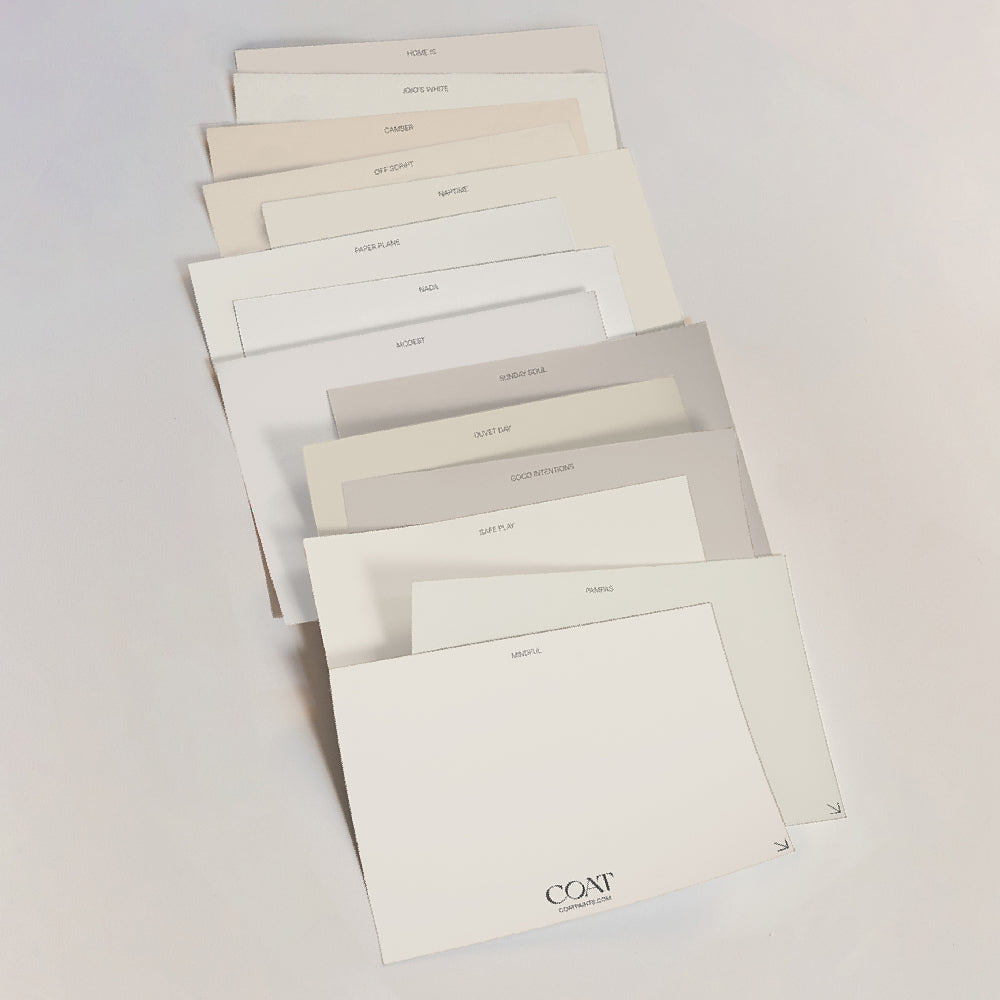
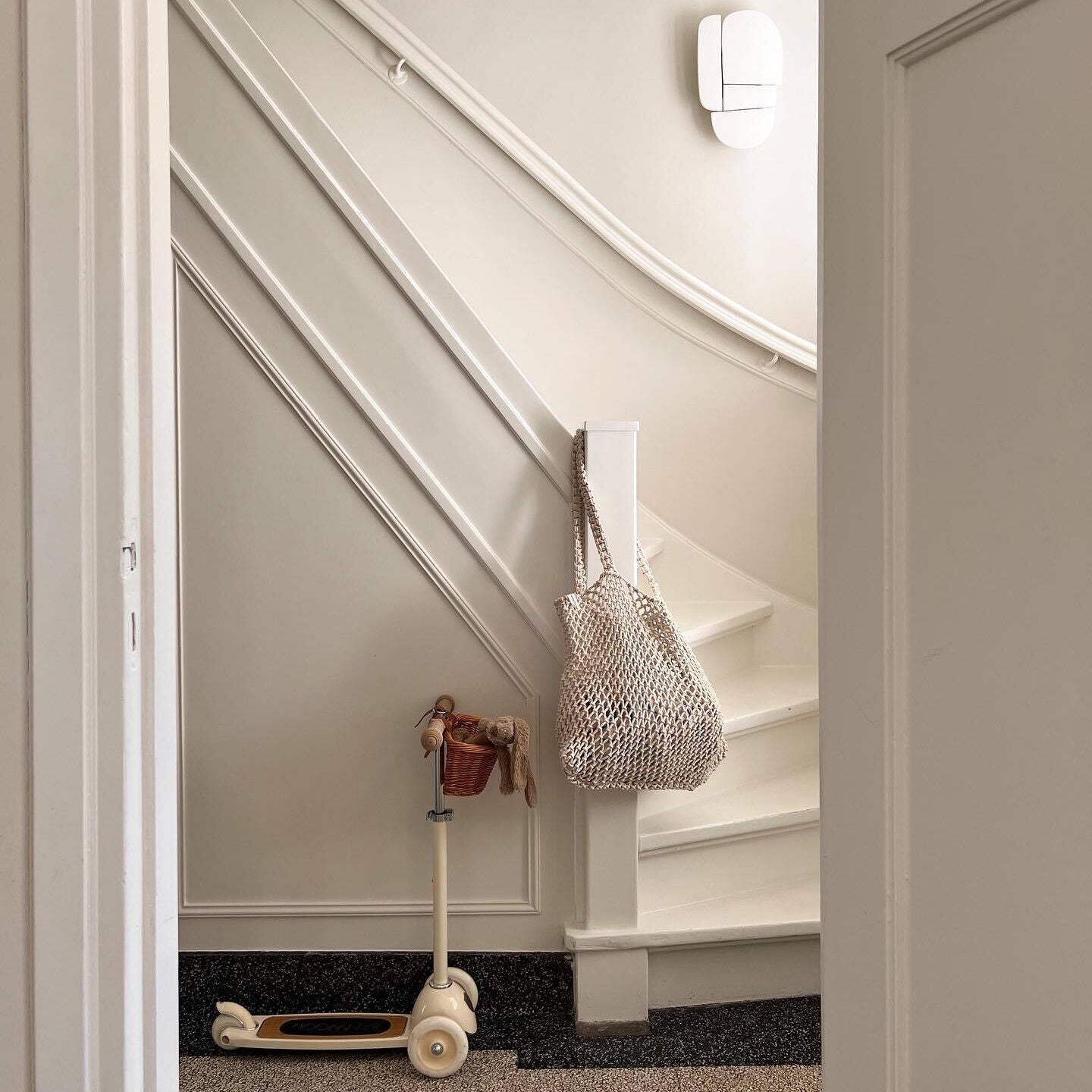
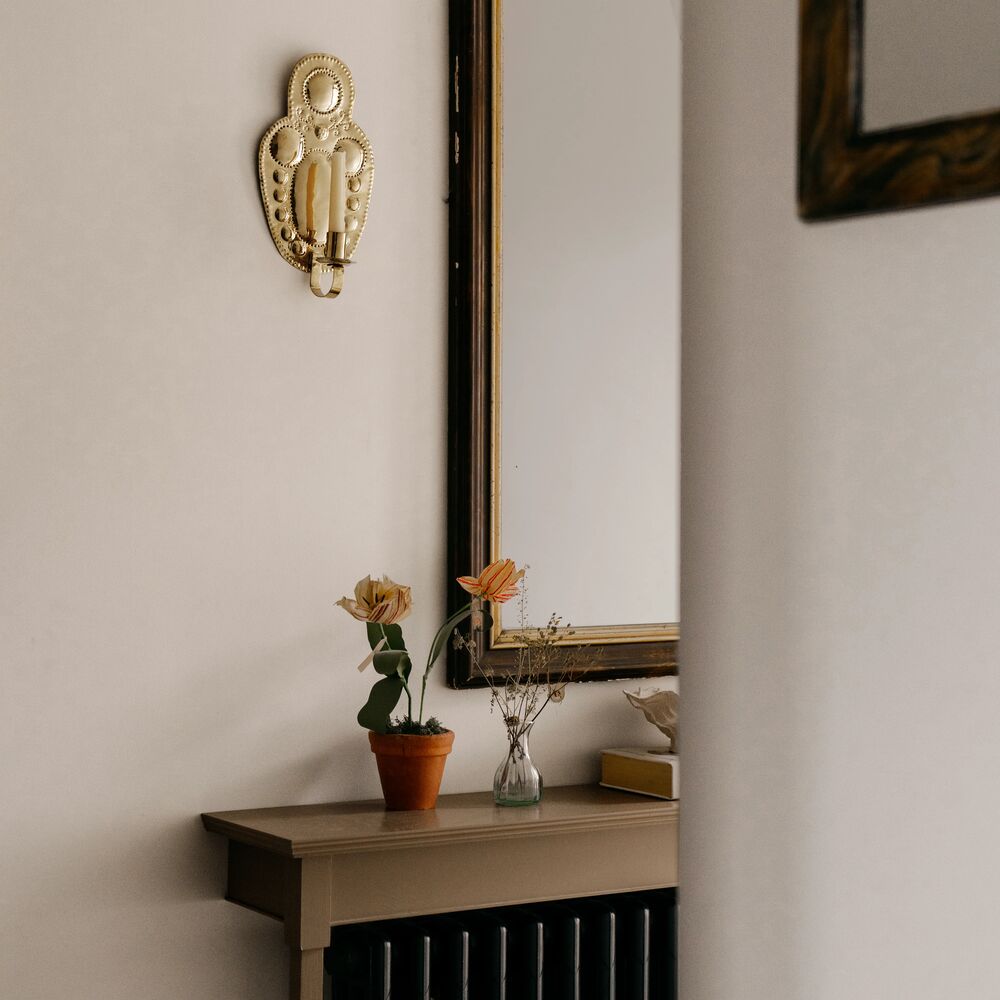
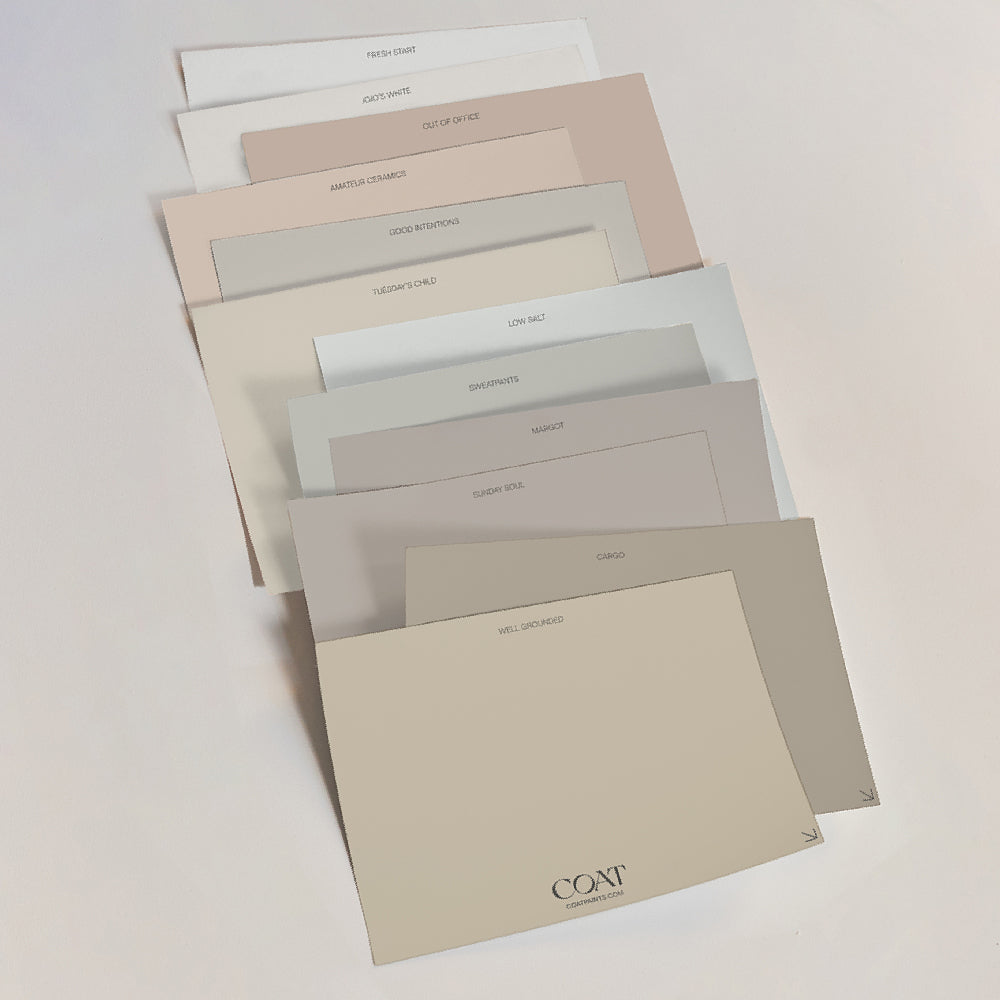
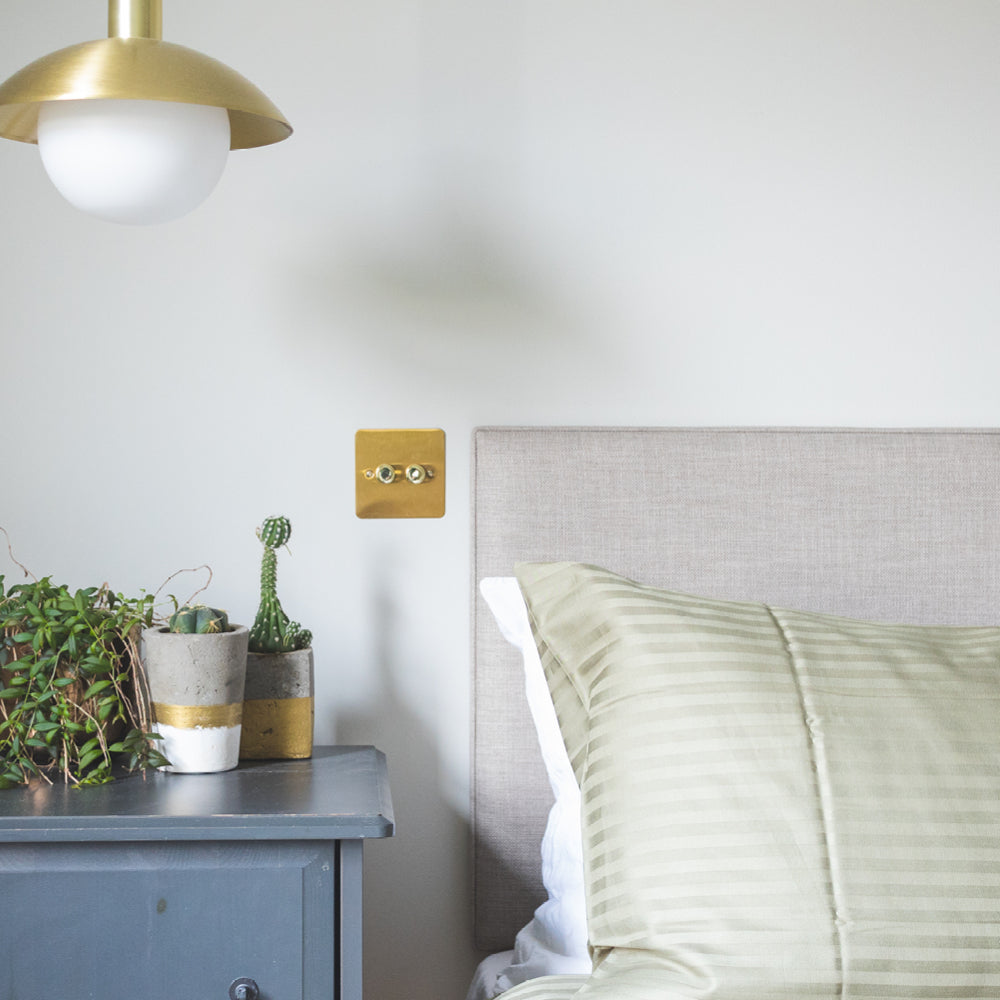
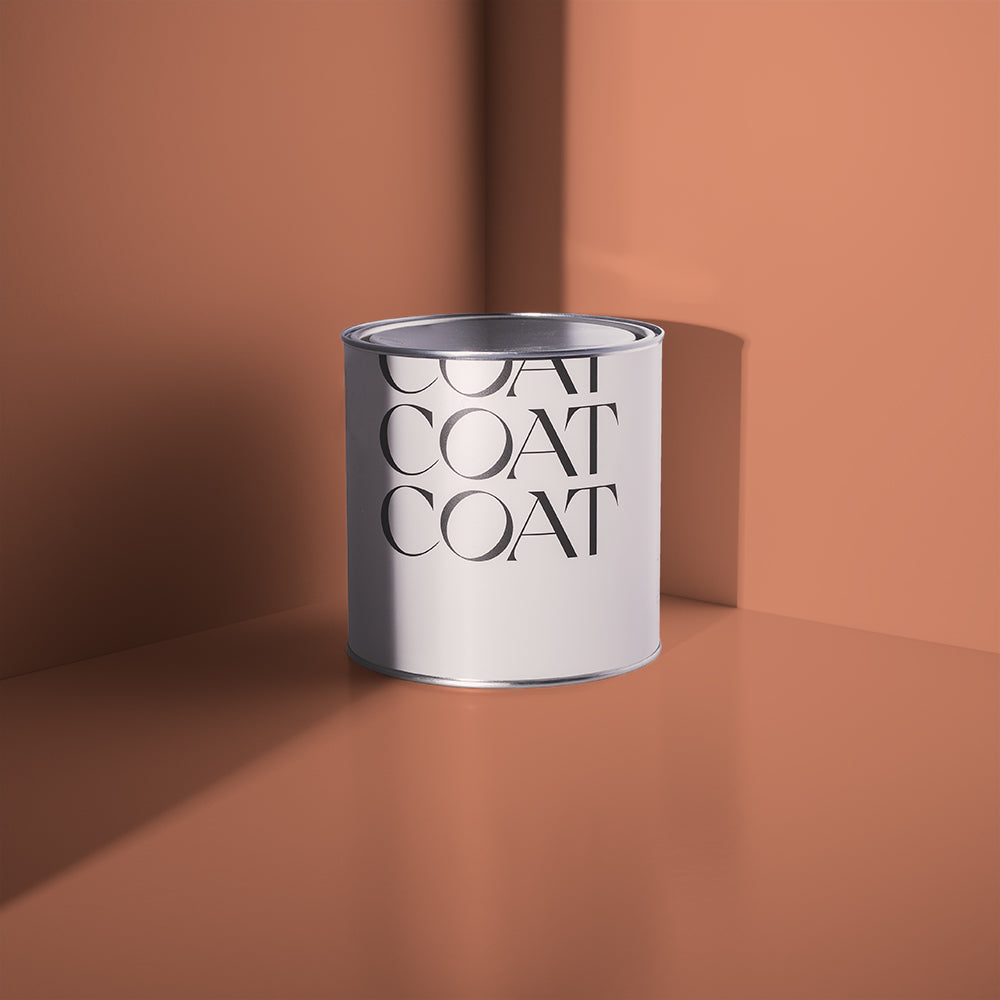
For a warm neutral, Mindful as shown below (view Mindful) is our most popular shade for good reason. It's a bright, earthy pale taupe that feels warm and peaceful in almost any room.

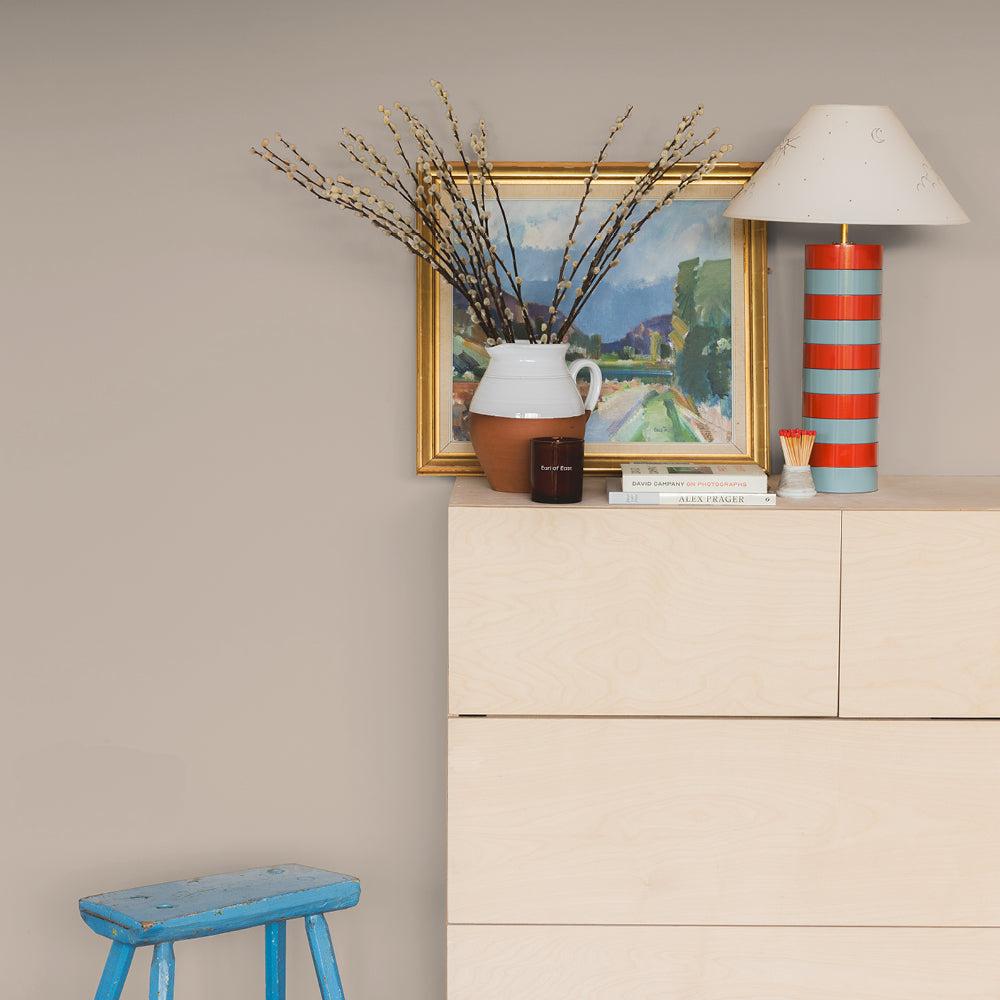
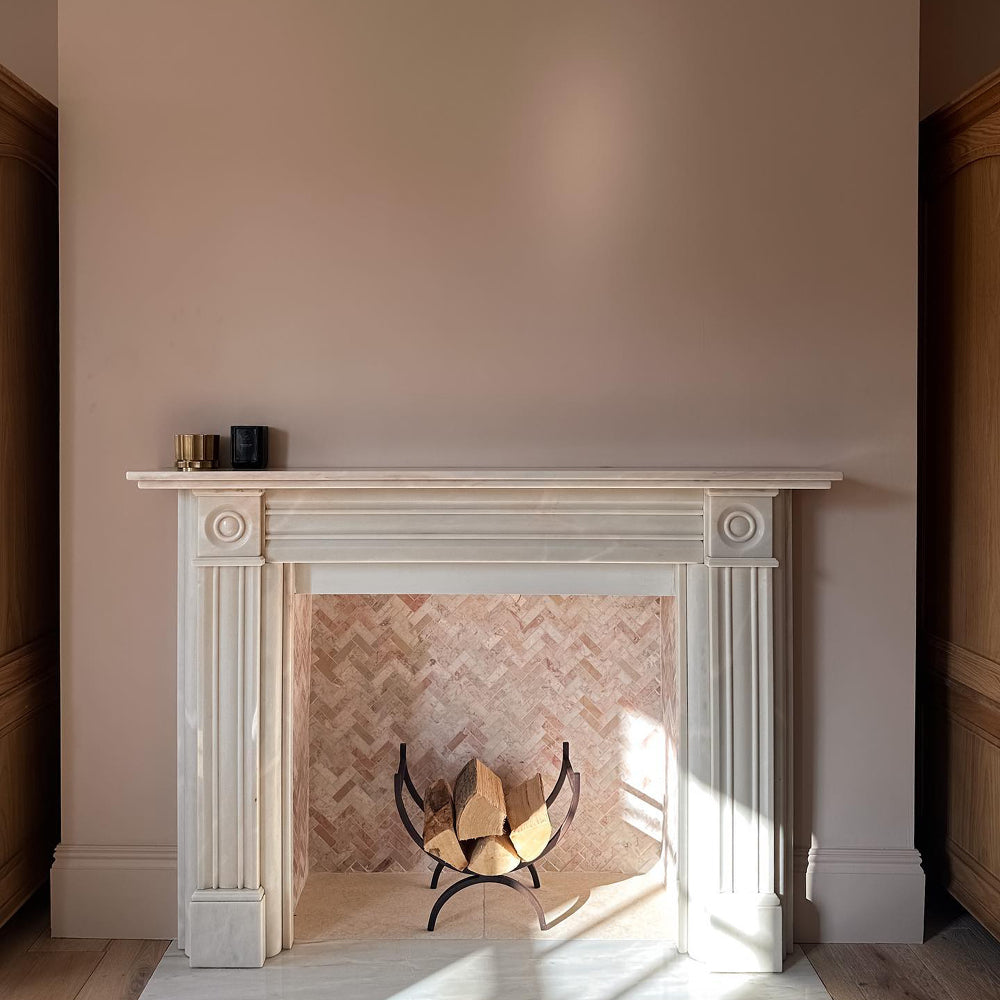
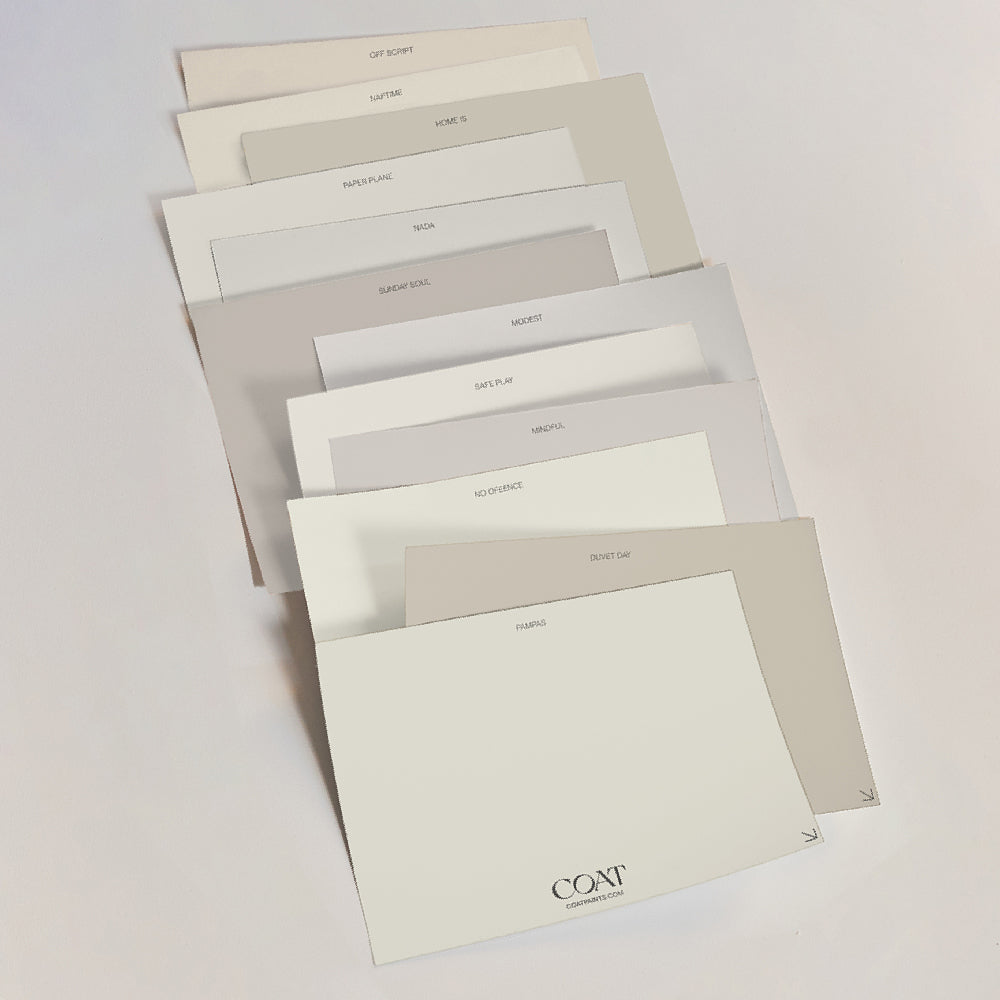
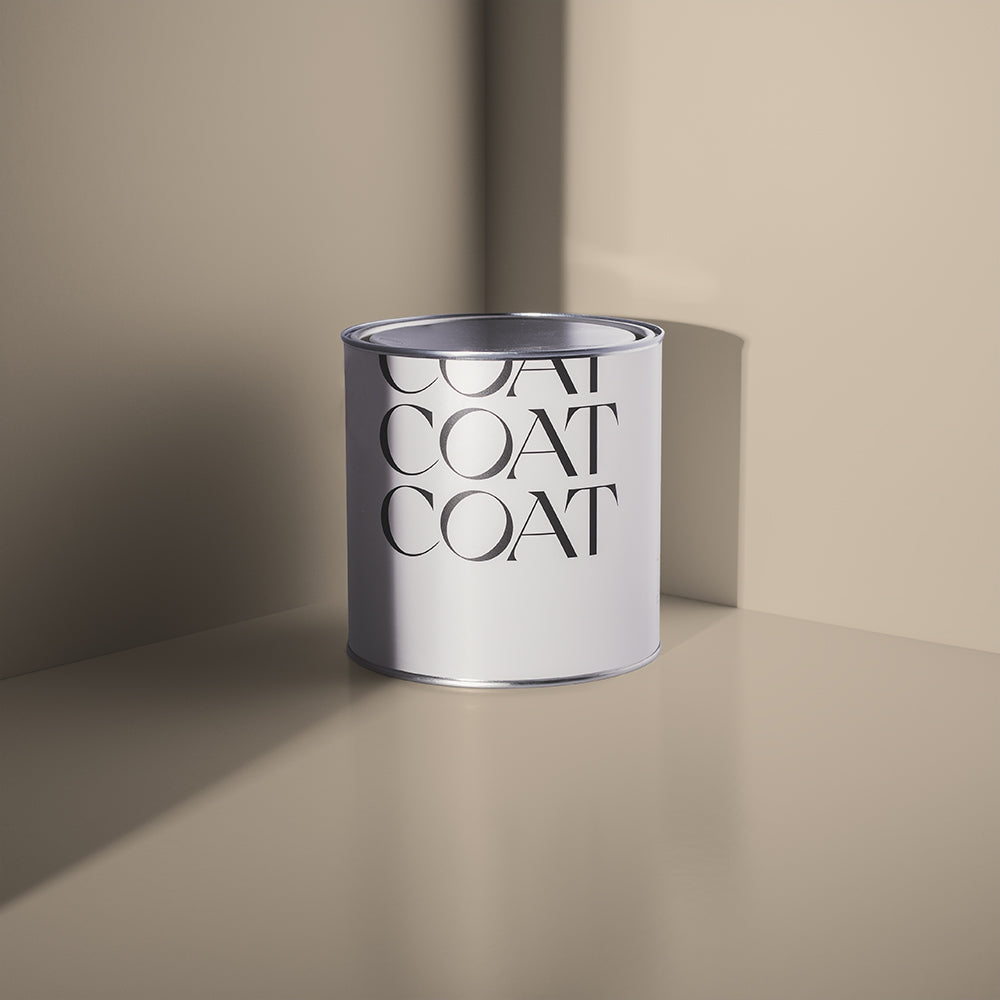
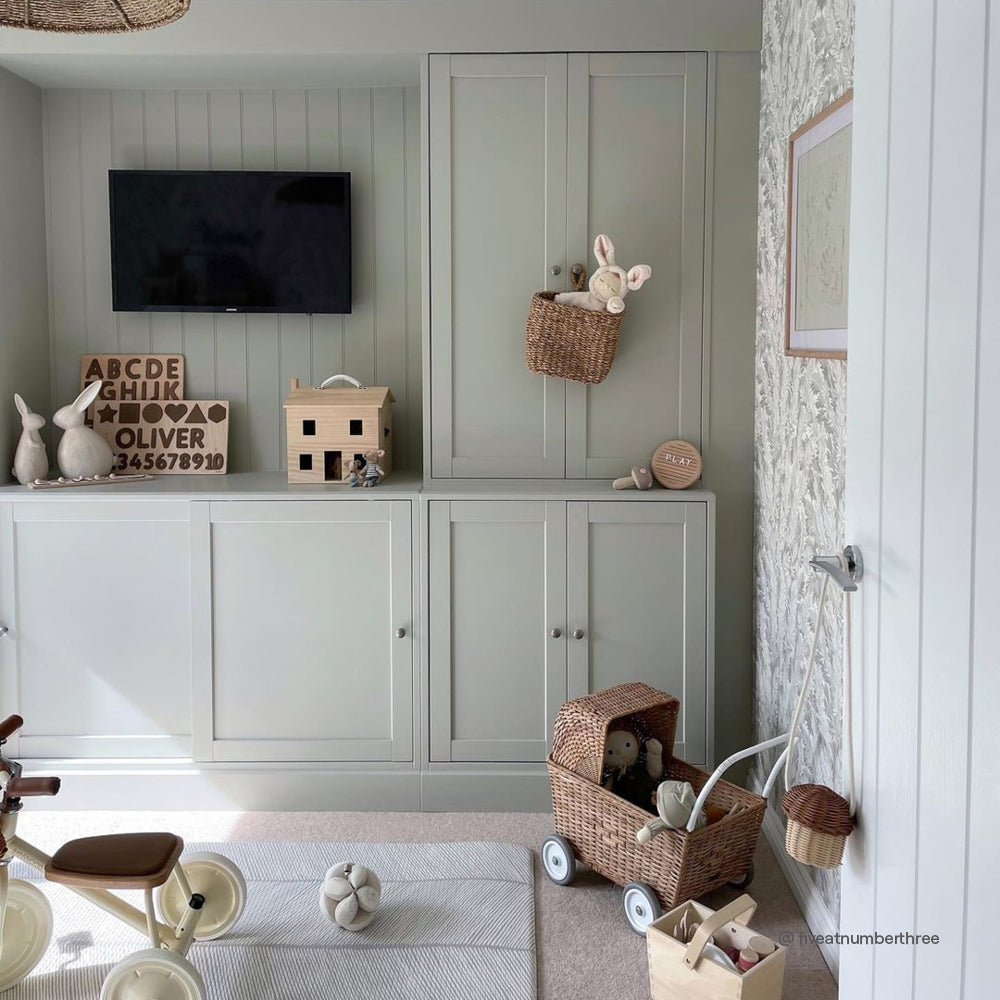
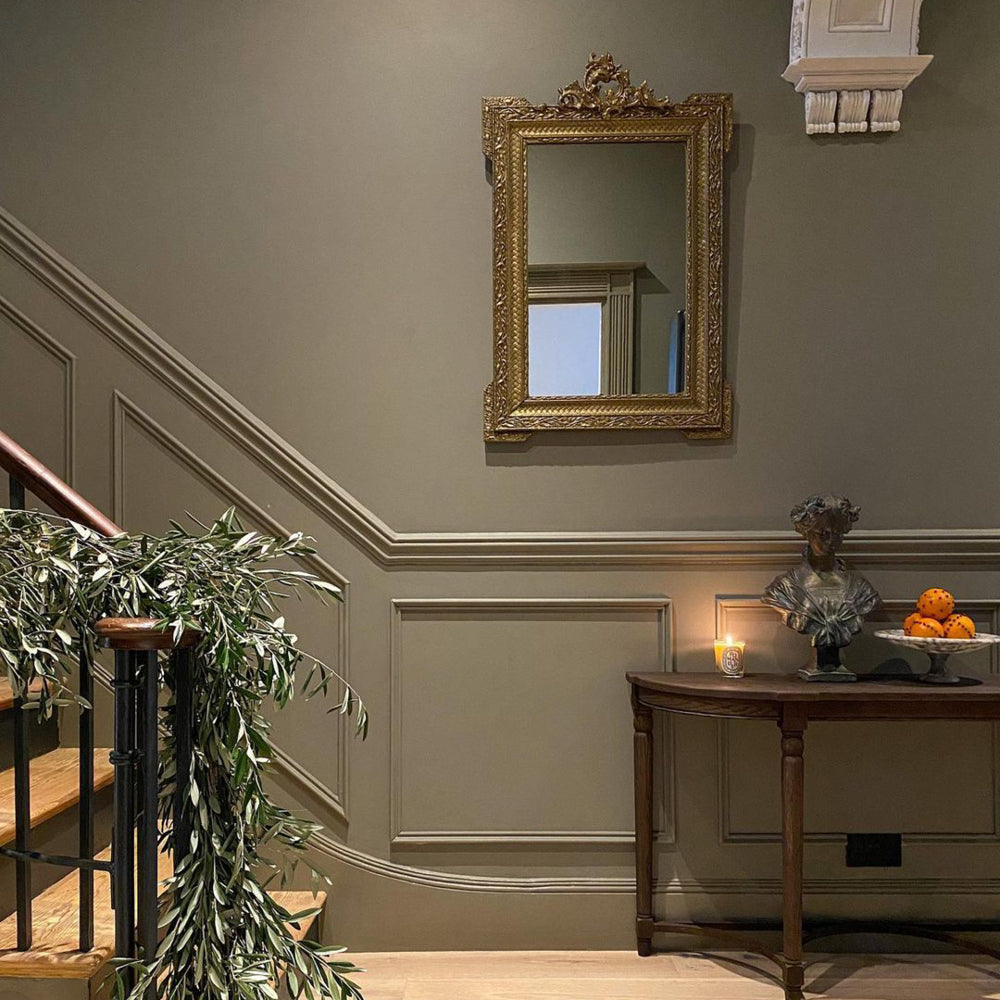
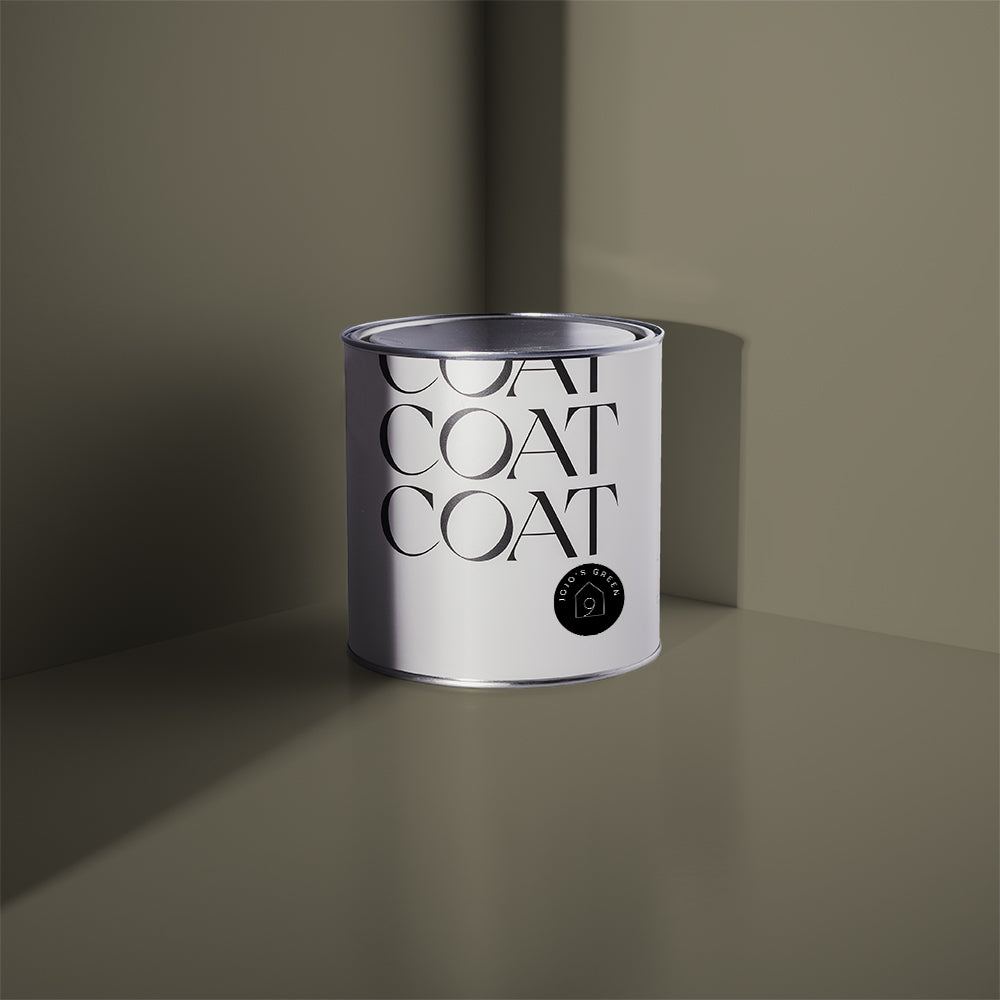
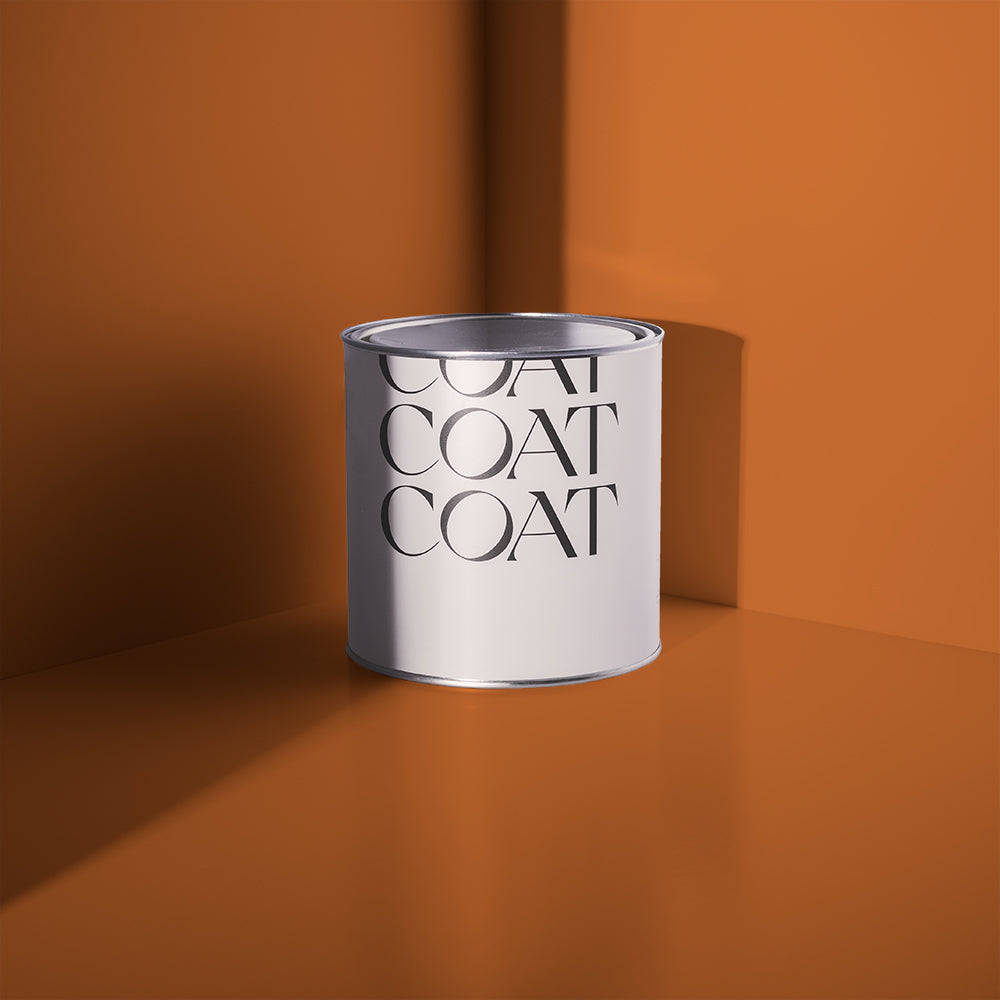
Sunday Soul, shown below, (view Sunday Soul) is a deeper, more deliberate warm taupe, well suited to rooms that already lean warm and want to commit to it. For more warm options, browse our Warm Neutral collection.

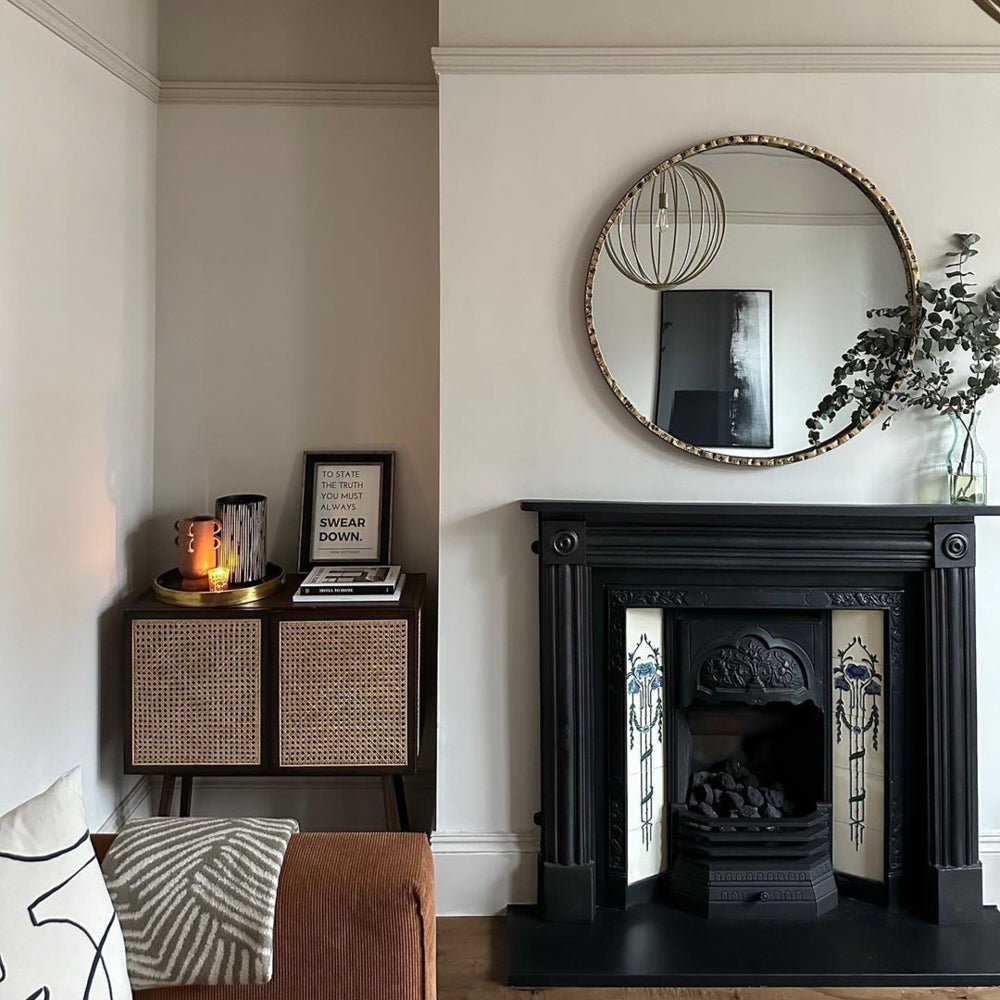
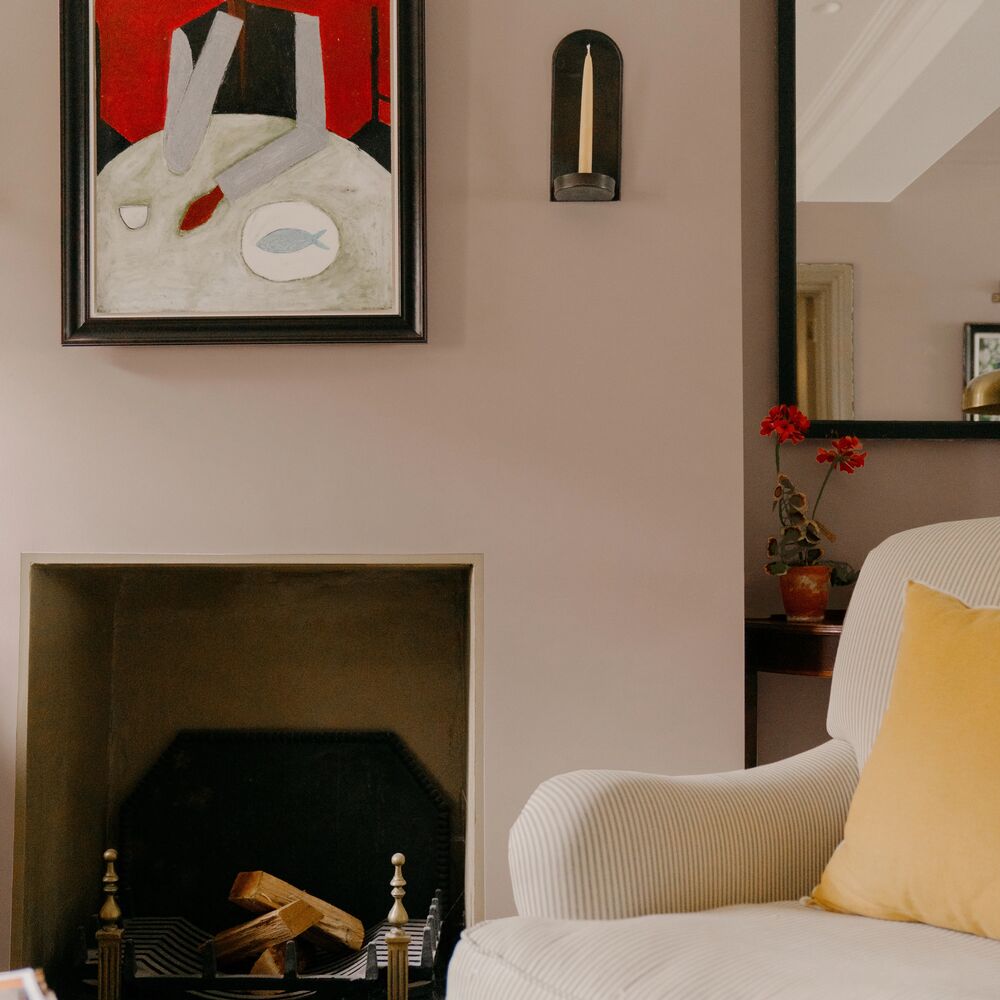
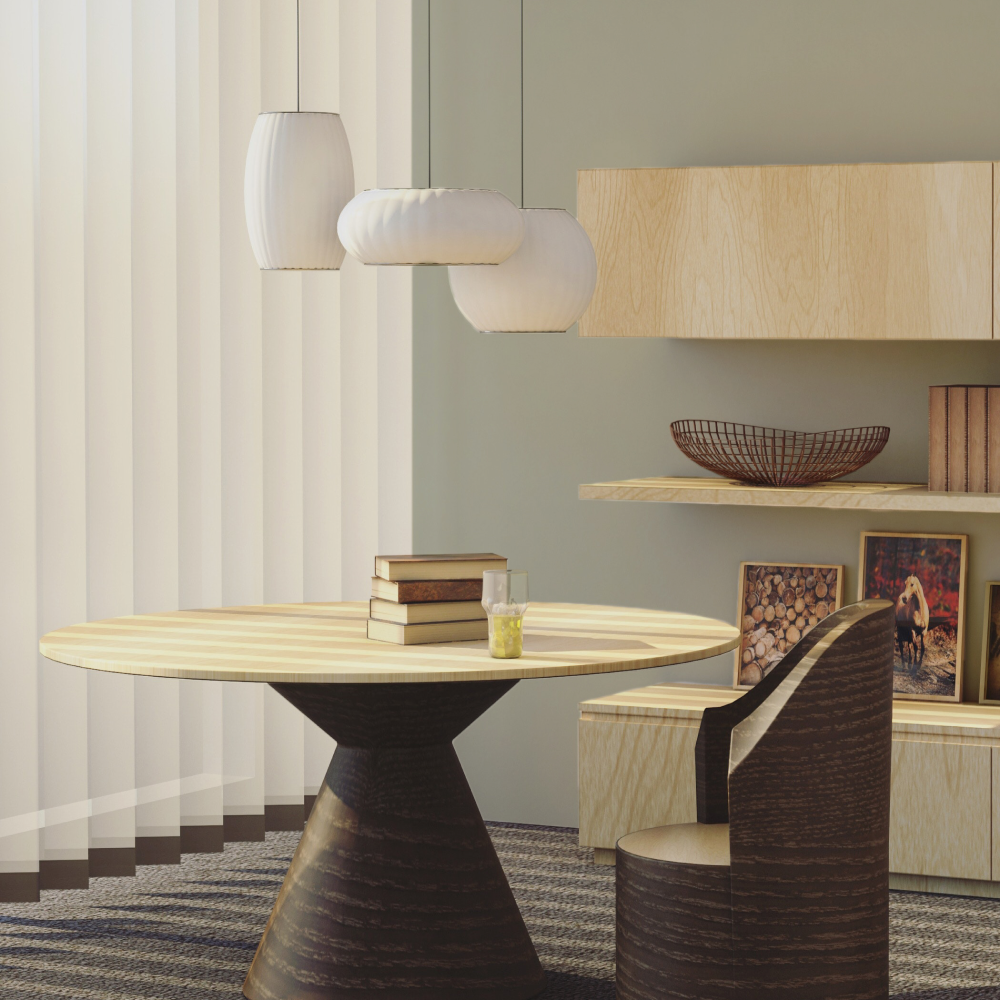
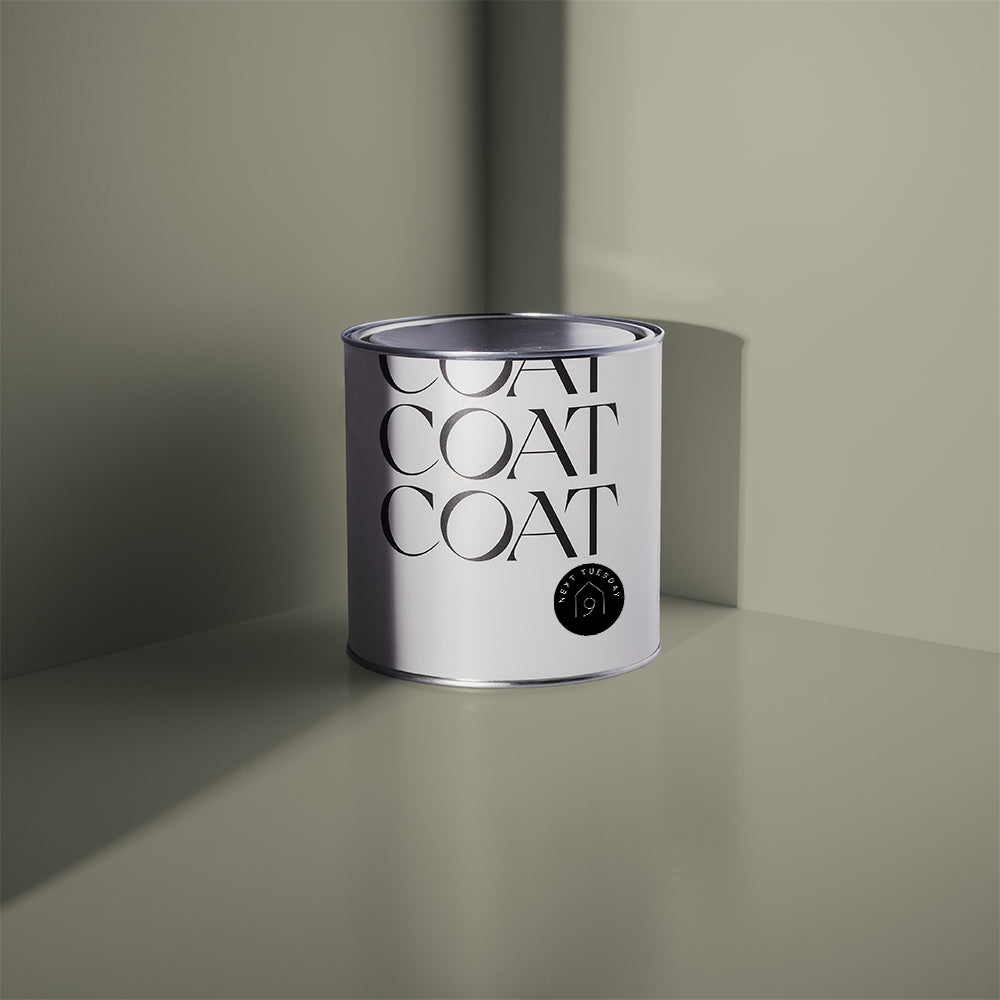
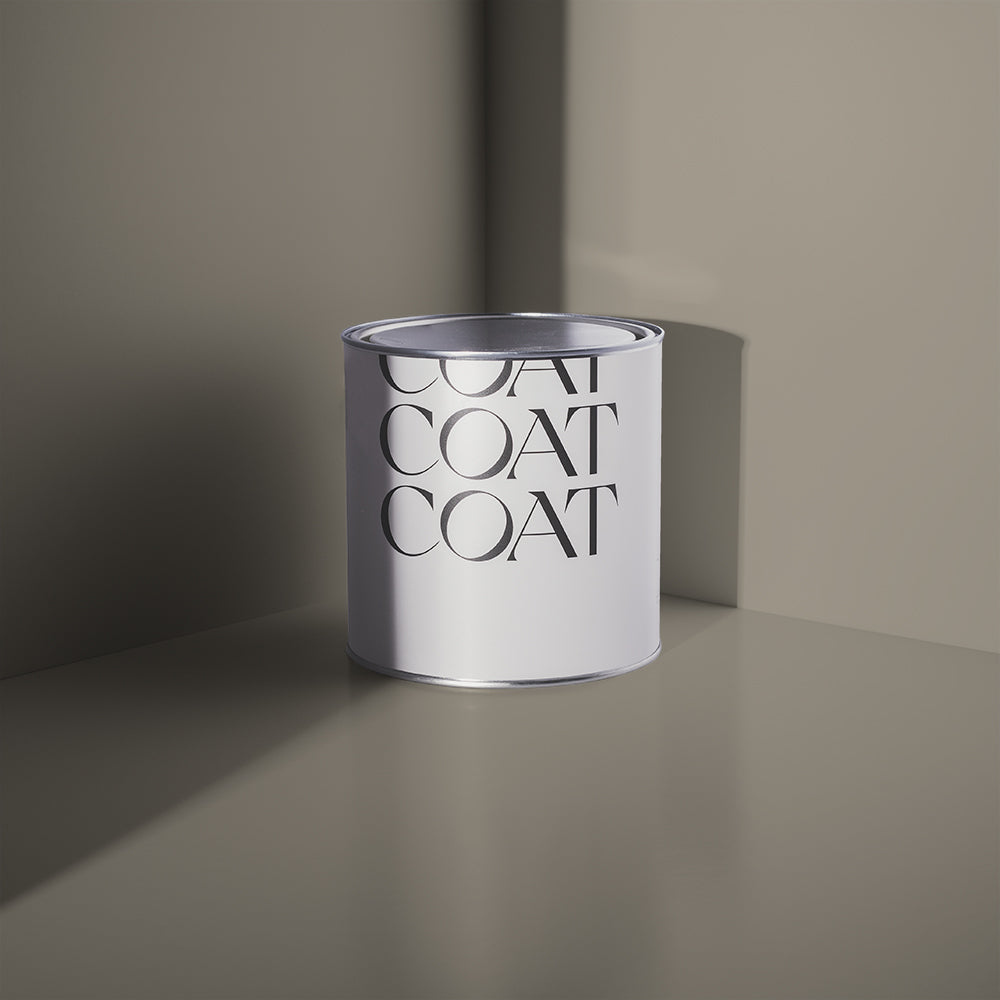
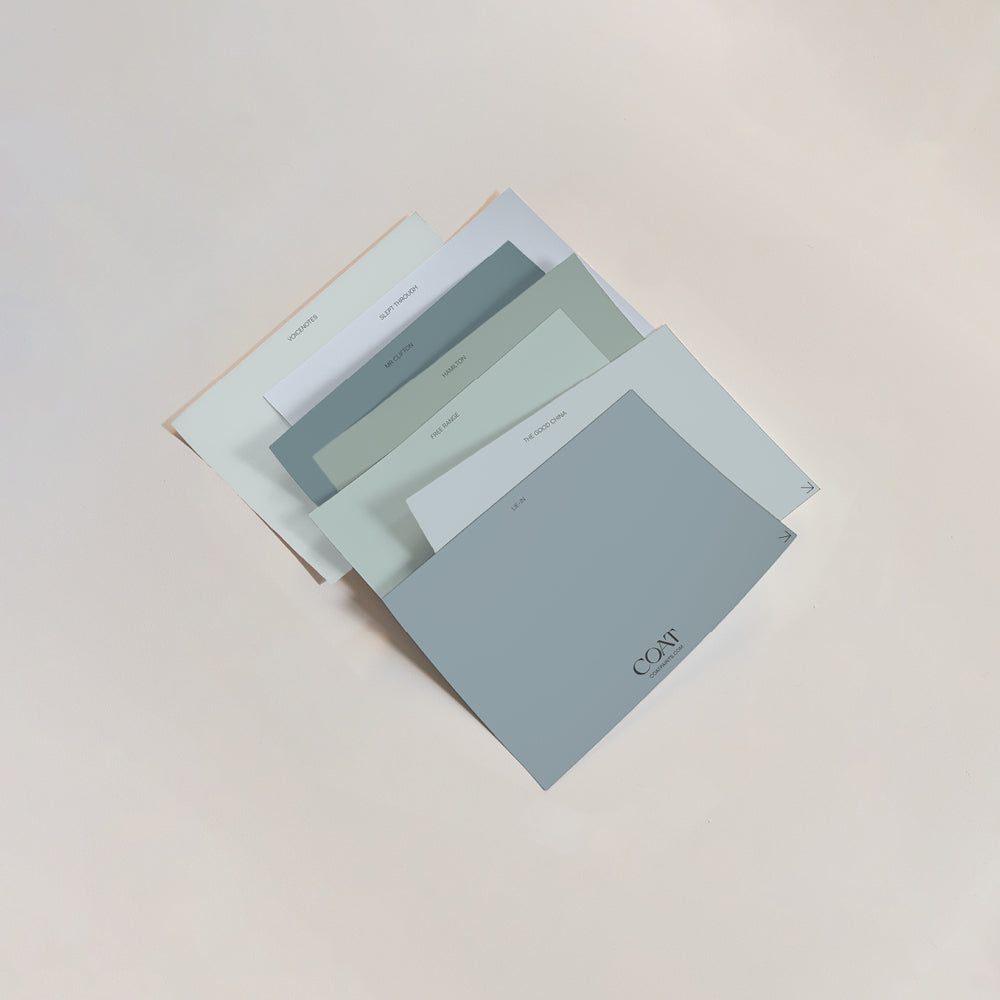
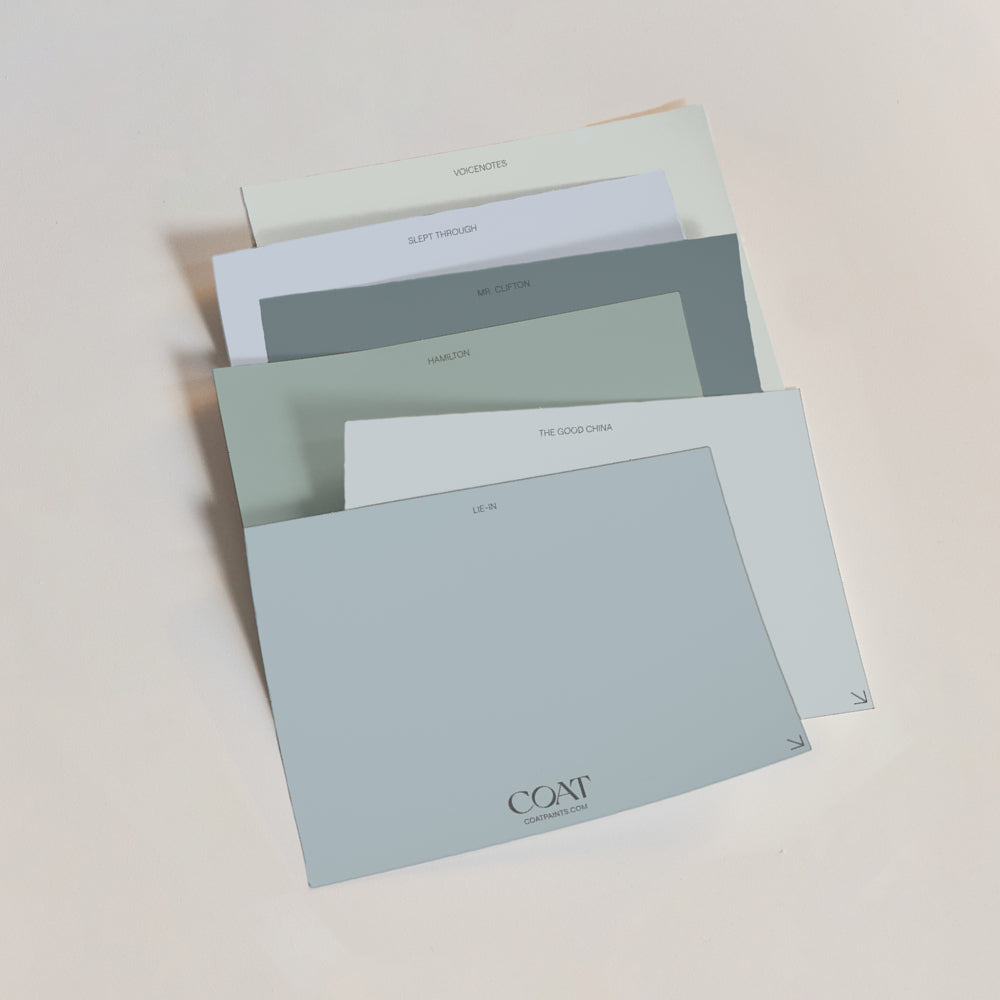
For a cool neutral, Low Salt (view colour) is the clearest choice from our bestsellers: a grey off-white that stays composed and refined without tipping cold. If you want something a shade cooler still, our expert pick is On Mute (view colour), a chilled light grey built to keep a room feeling classy and uncomplicated. For more cool options, our Grey Paint Colours collection is worth exploring.

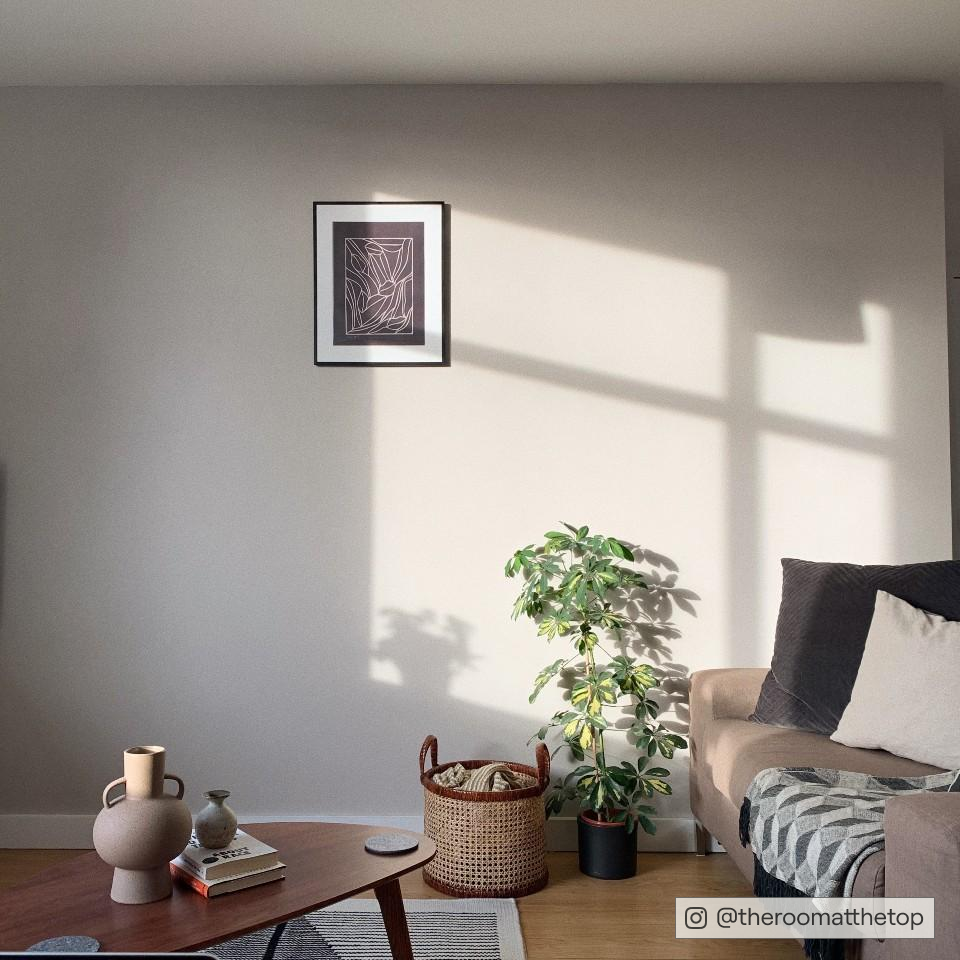
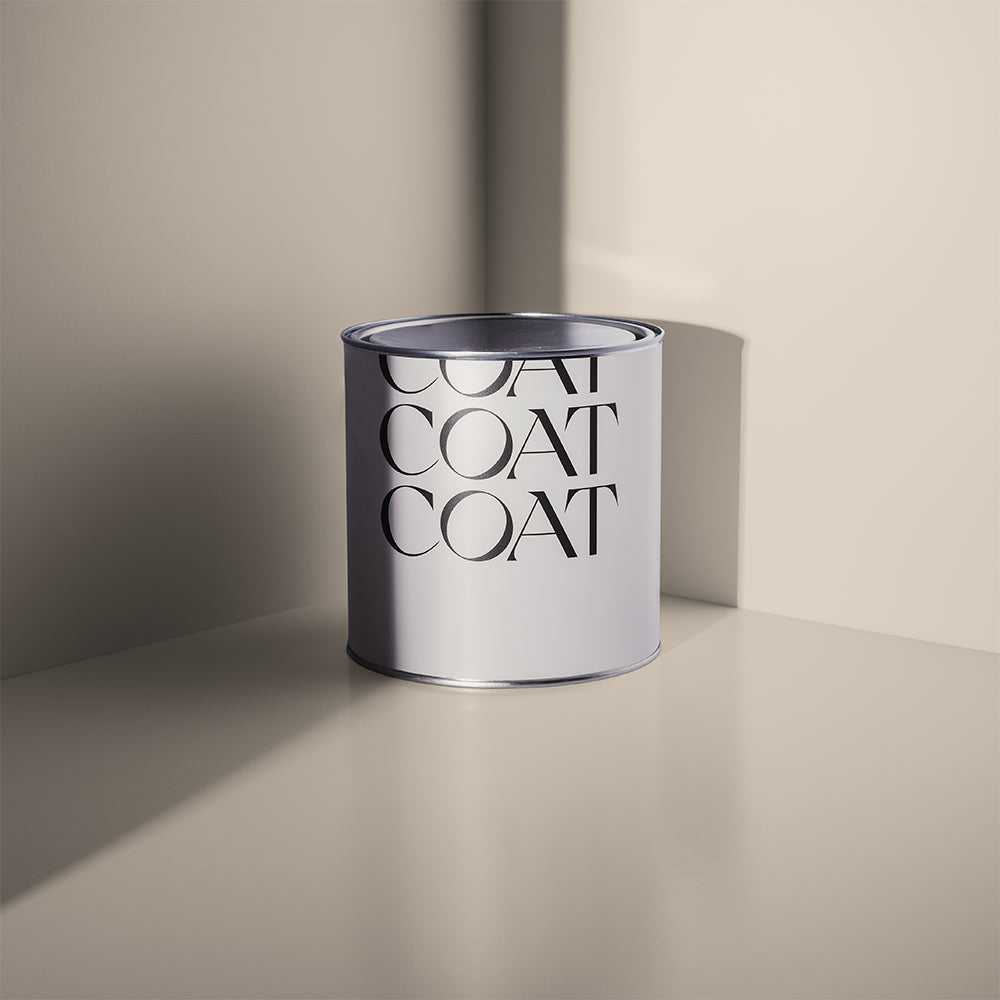
On Mute it a classy pale grey. It has a timelessness and cool balance effect in south-facing spaces.
If you're genuinely torn, that's usually a sign the room could take either direction, and the deciding factor becomes the materials and furniture already in the space rather than the wall itself.
“People often ask us for the 'right' warm or cool neutral. The truth is, there's no single answer. There's a right answer for that room, in that light, with those floors. Once you look at it that way, the choice usually makes itself more apparent” says our co-founder Rob Abrahams.
Frequently Asked Questions
How do I know if my room needs a warm or cool neutral?
Look at the room's orientation and its existing materials. North and east-facing rooms, or spaces with warm wood and brass, generally suit warm neutrals. South and west-facing rooms, or spaces with cooler metals and stone, generally suit cool neutrals.
What's the difference between a warm and a cool neutral paint colour?
A warm neutral has undertones of yellow, red, or brown, which read as cosy and grounding. A cool neutral has undertones of blue or green, which read as calm and composed. Both are neutral in the sense that they work as a backdrop rather than a statement colour.
Can a warm and cool neutral be used in the same home?
Yes, and it often works well. Many homes use a warm neutral in living spaces and bedrooms, and a cool neutral in hallways, bathrooms, or home offices, to reflect how each room is used and lit.
Our Expert Advice for choosing Warm or Cool Neutrals
Don't choose warm or cool based on a trend. Look at your room's light, its existing materials, and how it's used, then pick the temperature of neutral that works with what's already there, not against it.
Publish Date
Author