Common Decorating Mistakes To Avoid For Small Rooms
Small rooms can be tricky to decorate. There are a number of things to consider when choosing the best paint colour for small rooms - including the level of natural light, the natural light direction, and the purpose of the space. We’ve advised hundreds of customers looking to decorate small rooms, and here are the four mistakes we’d always look to avoid in order to make the best of a small space.
Mistake 1: Defaulting to white
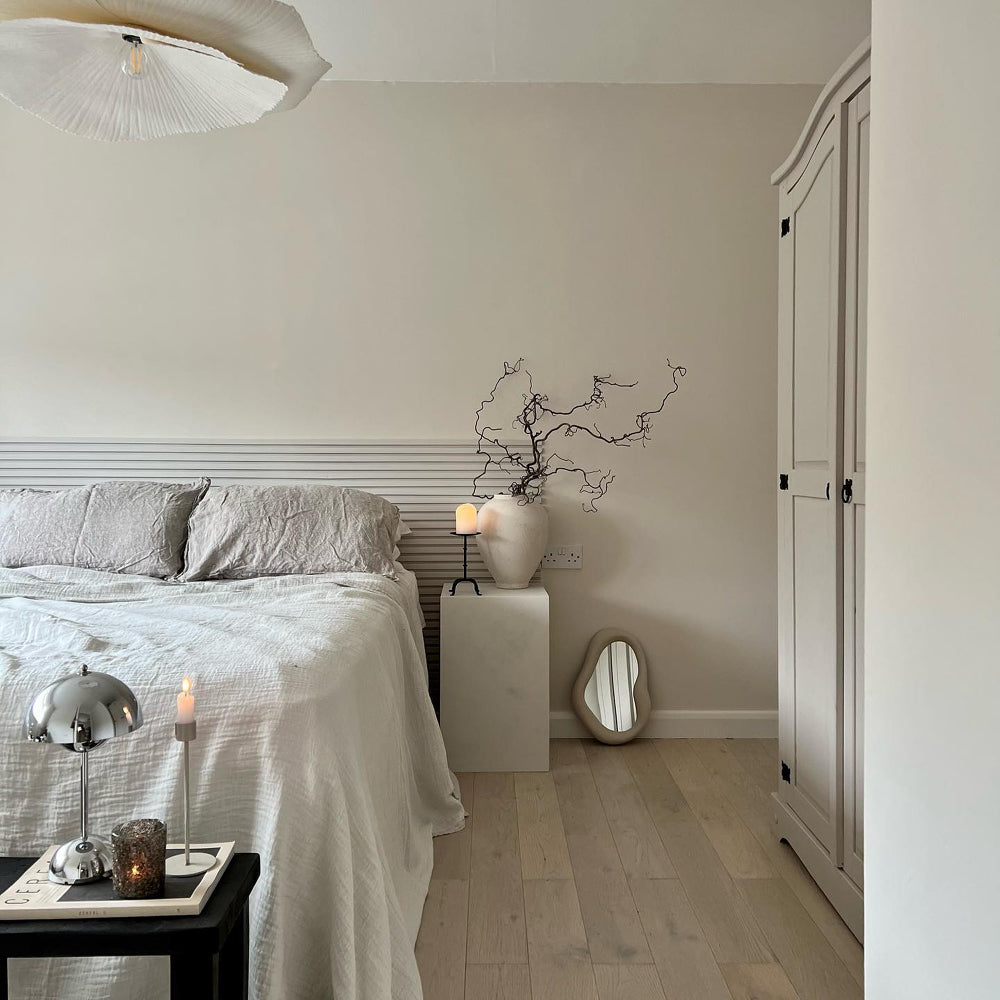
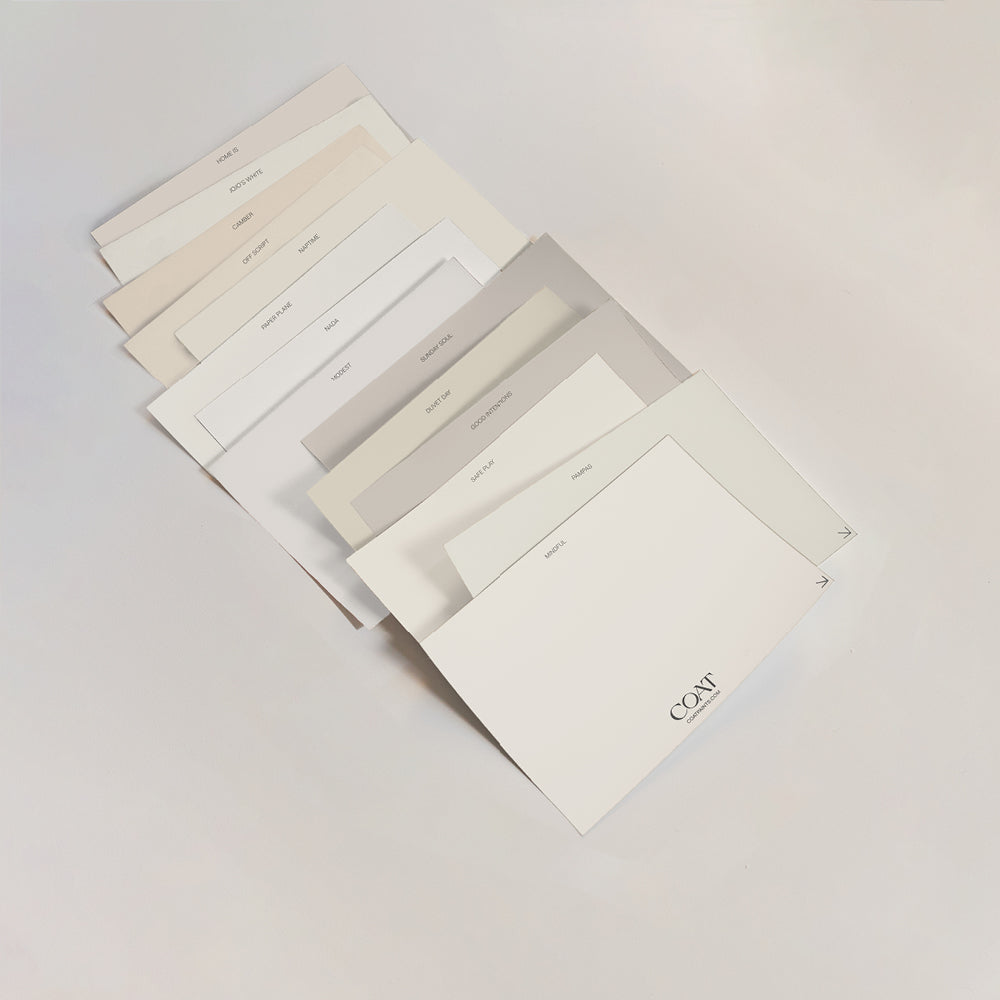
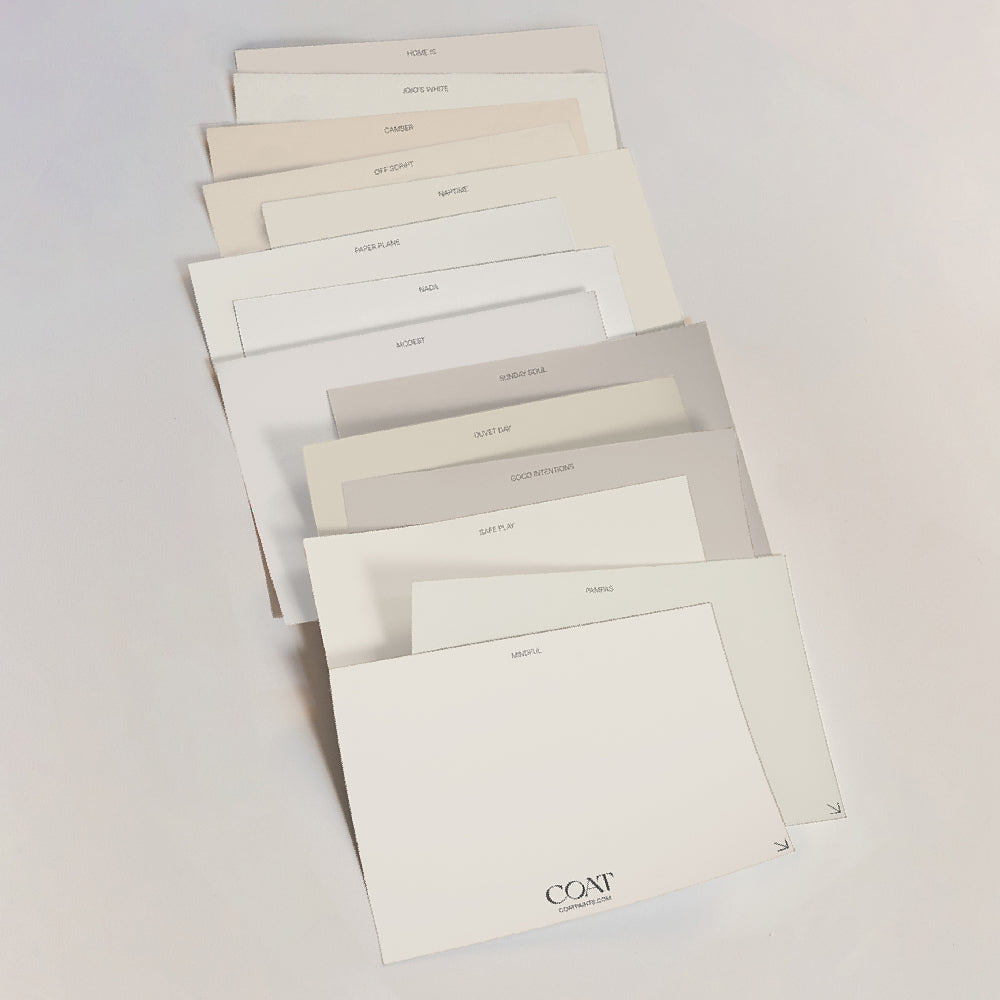
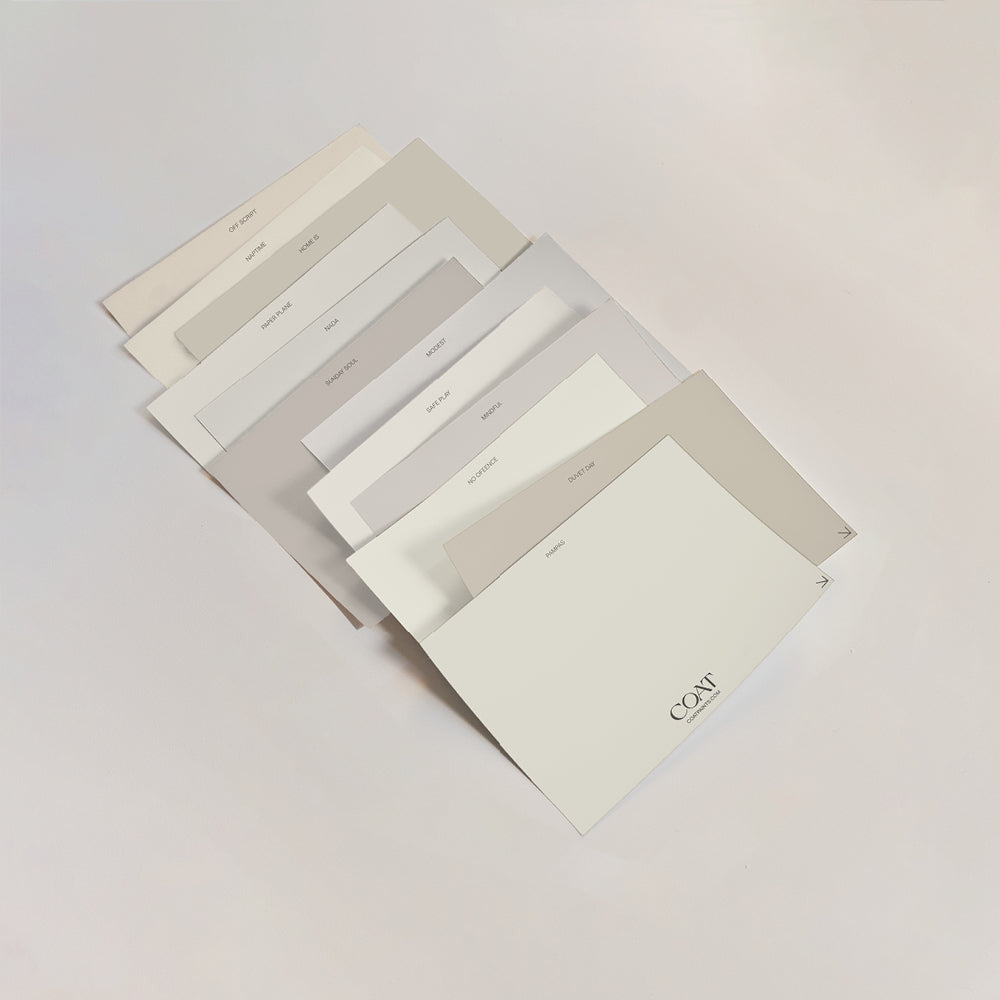
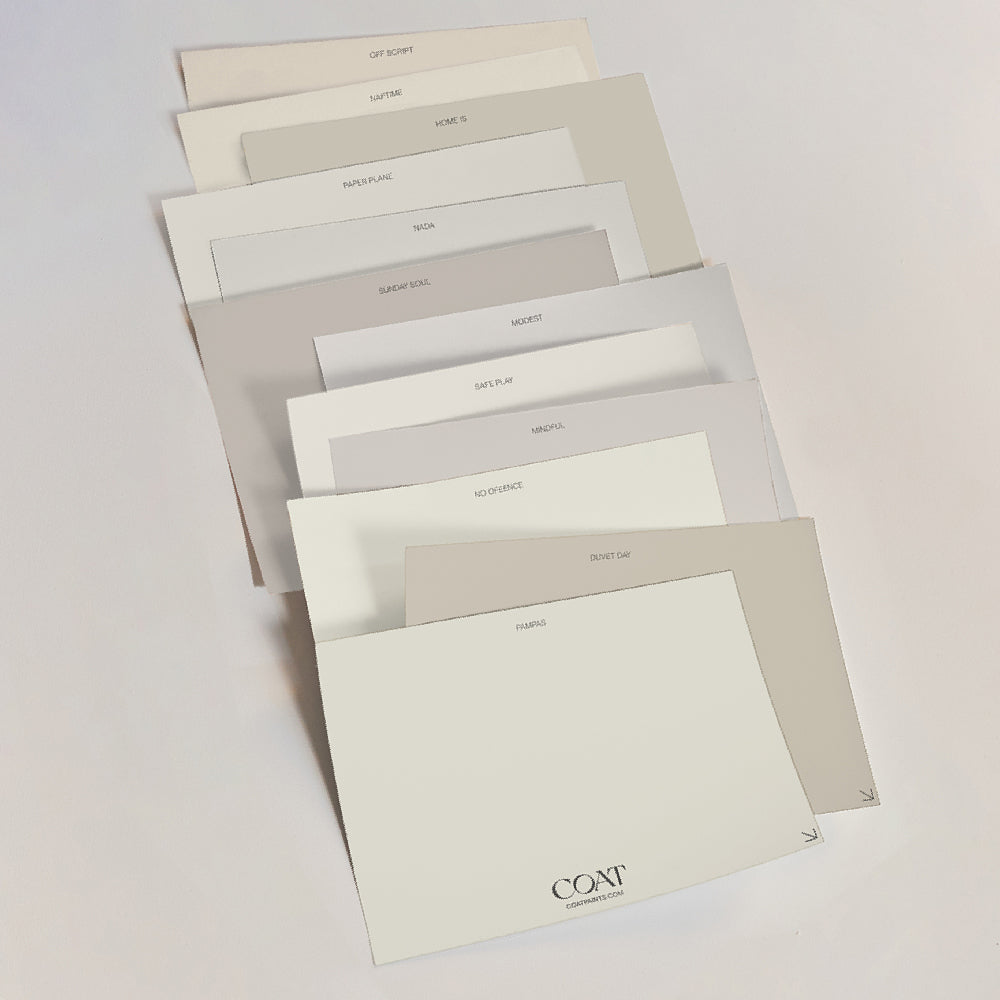
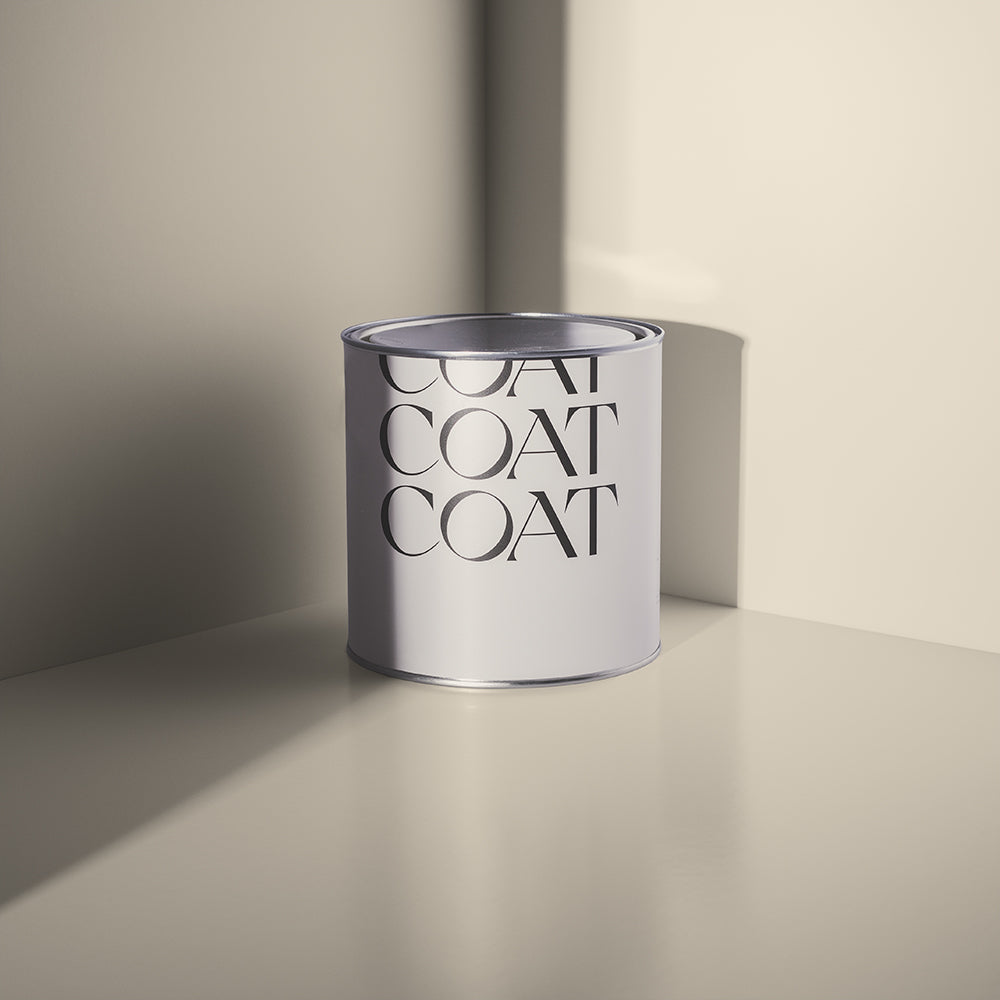
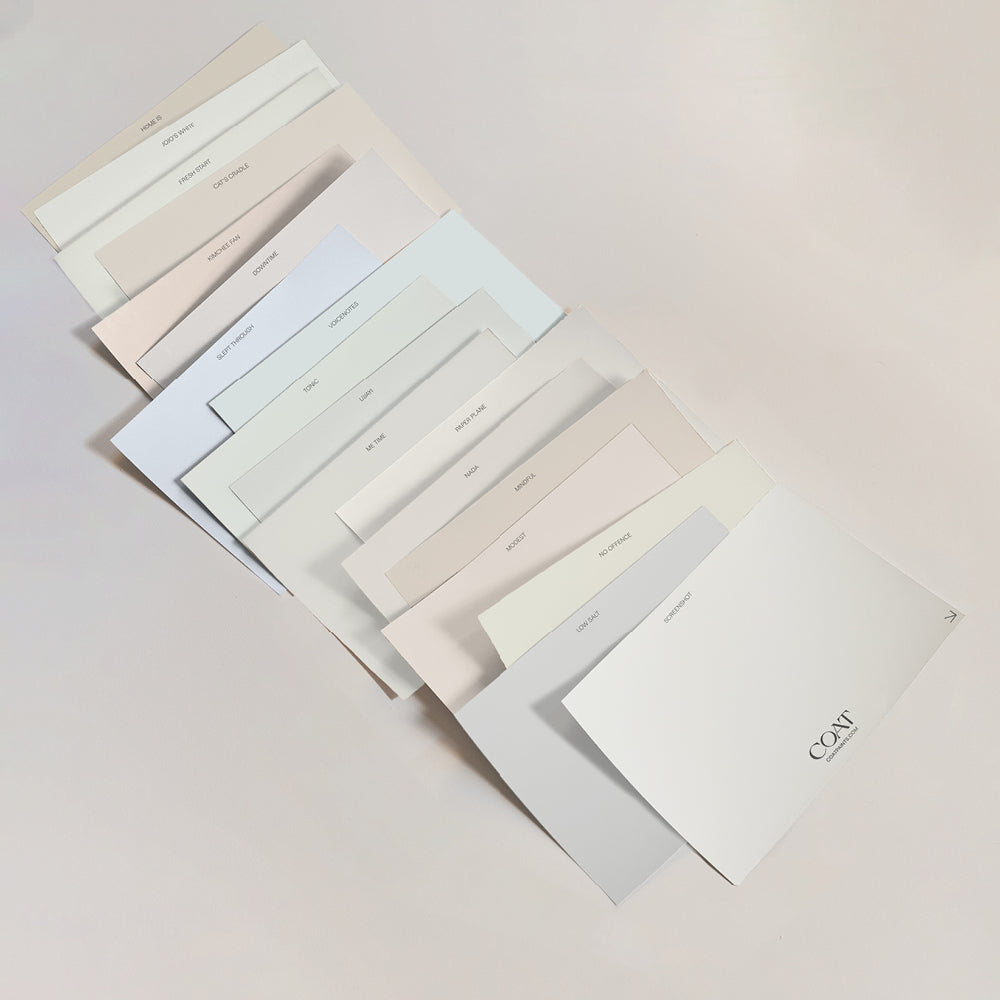
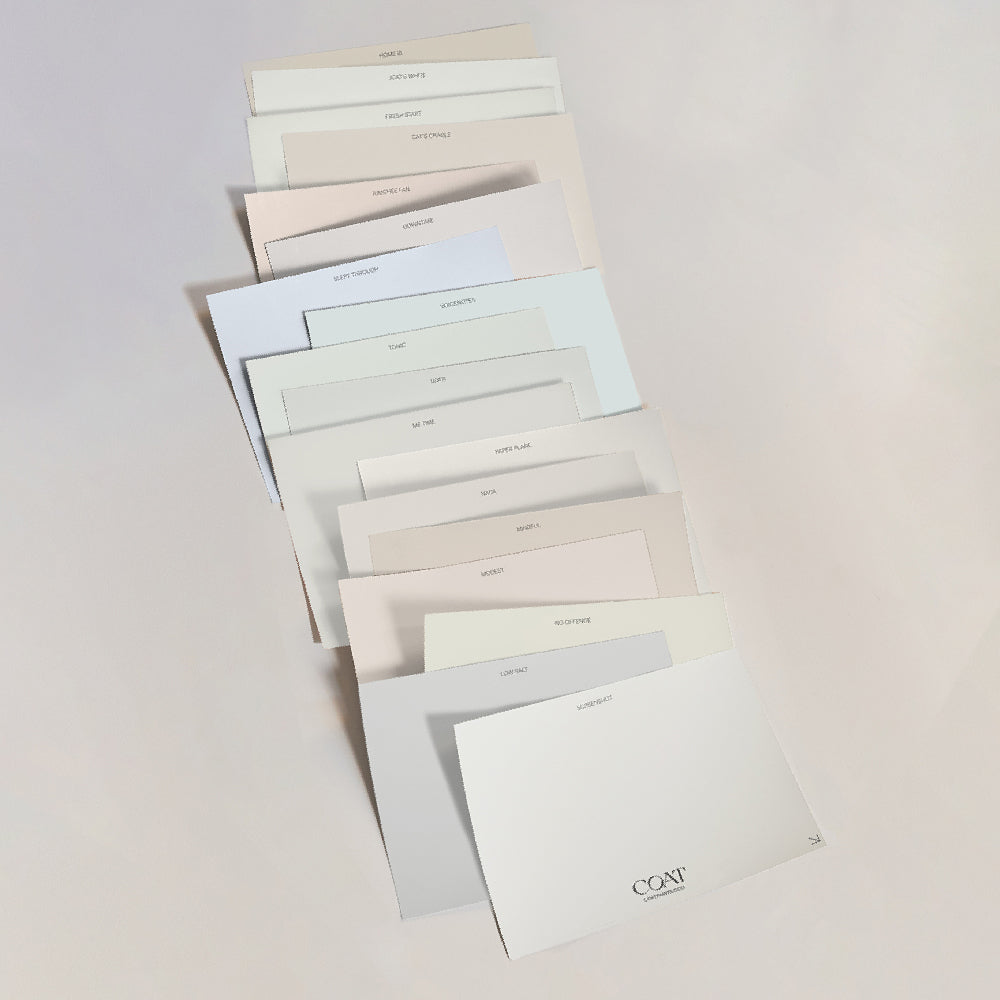
Instinct often tells us to go light in small spaces. But sometimes with white, it can have the opposite effect and make the room feel more obviously gloomy. It’s important to choose a warm off-white like Nada or Just,Barely which hold the light softly and make the space feel considered. Otherwise, just go dark and colour drench for a cave-like vibe. It’s dark in there anyway, and paint isn’t magical - so why not embrace it?

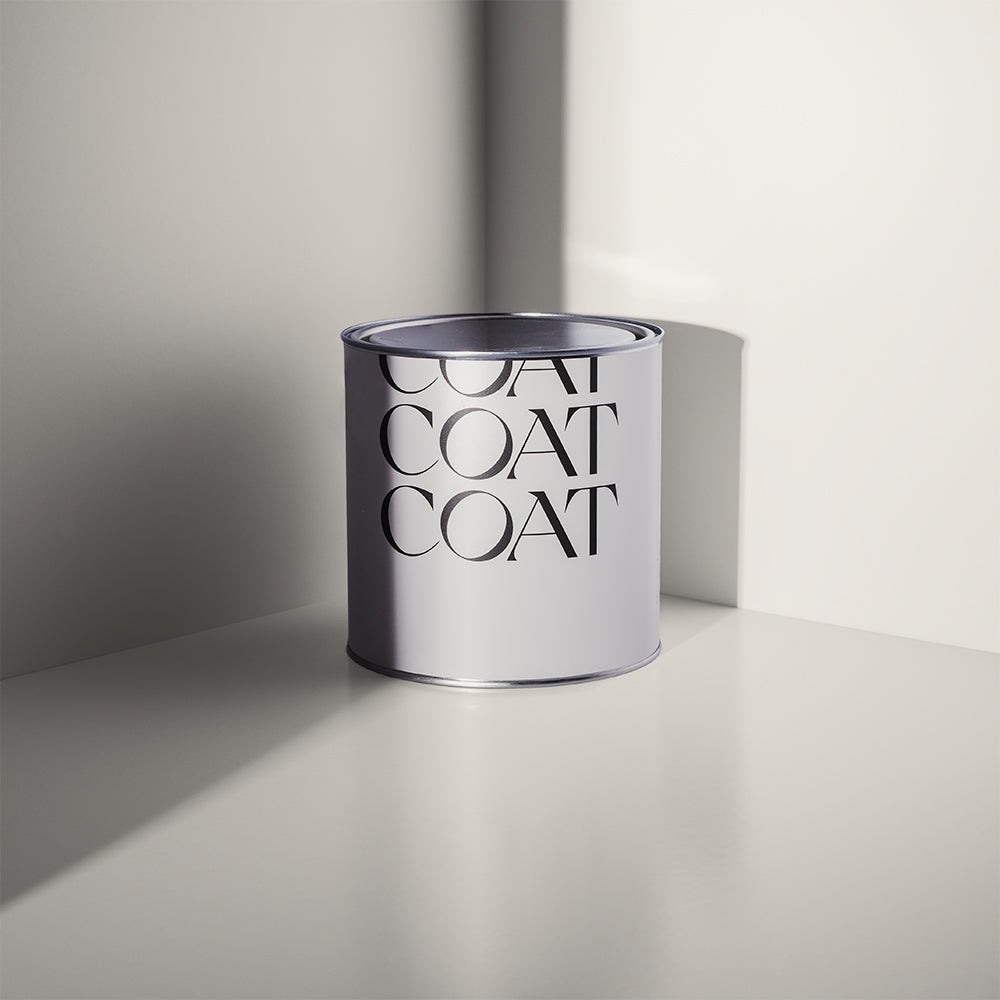
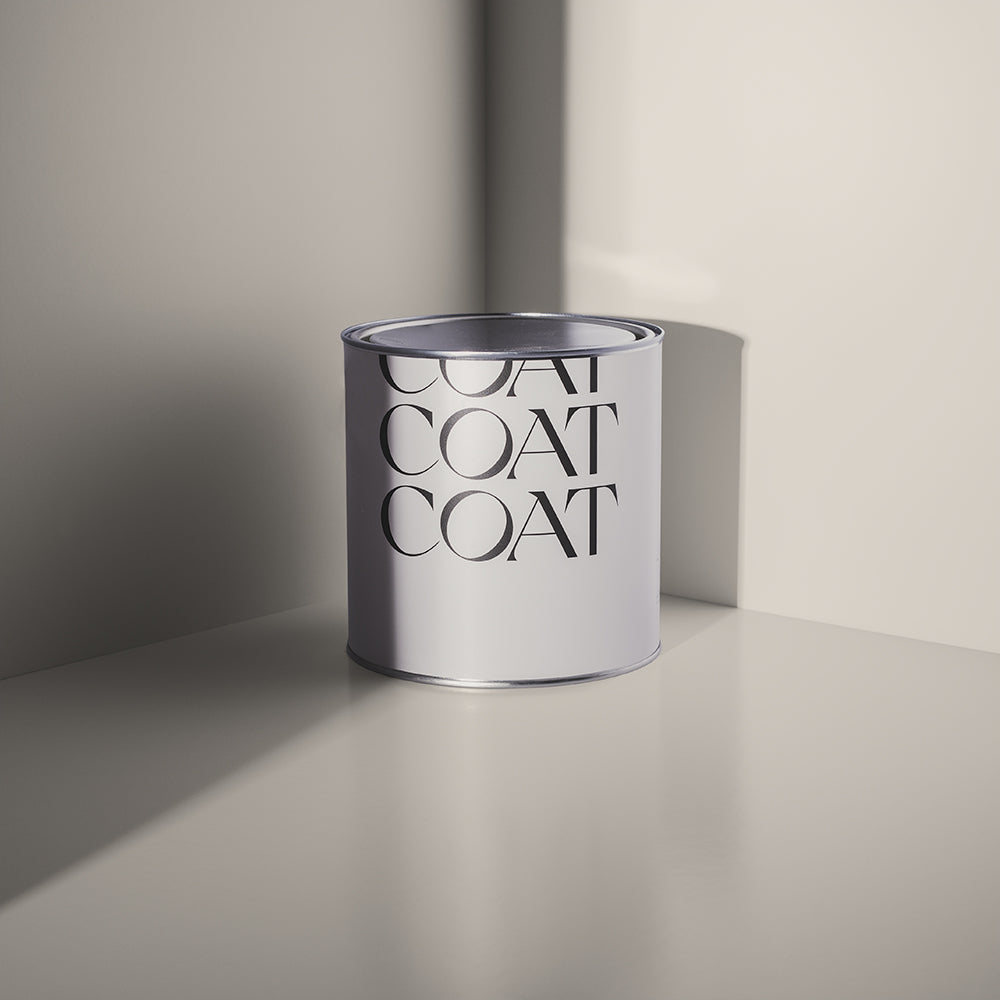
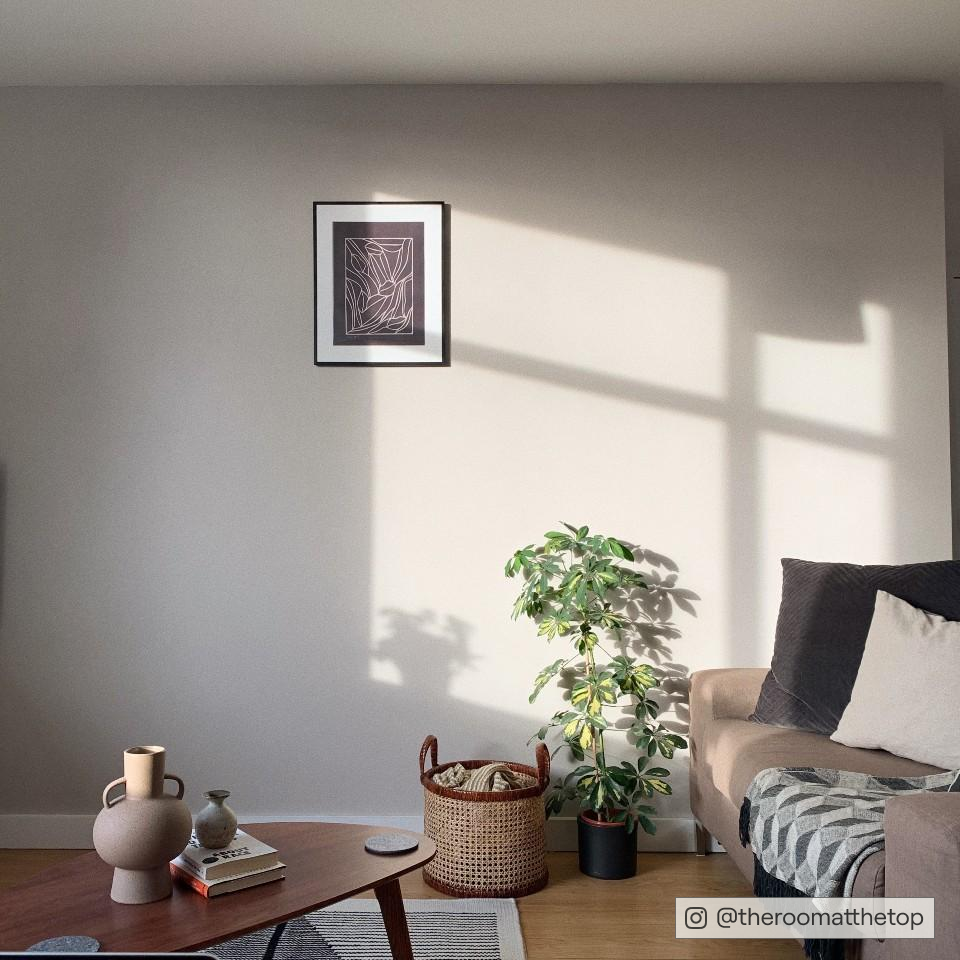
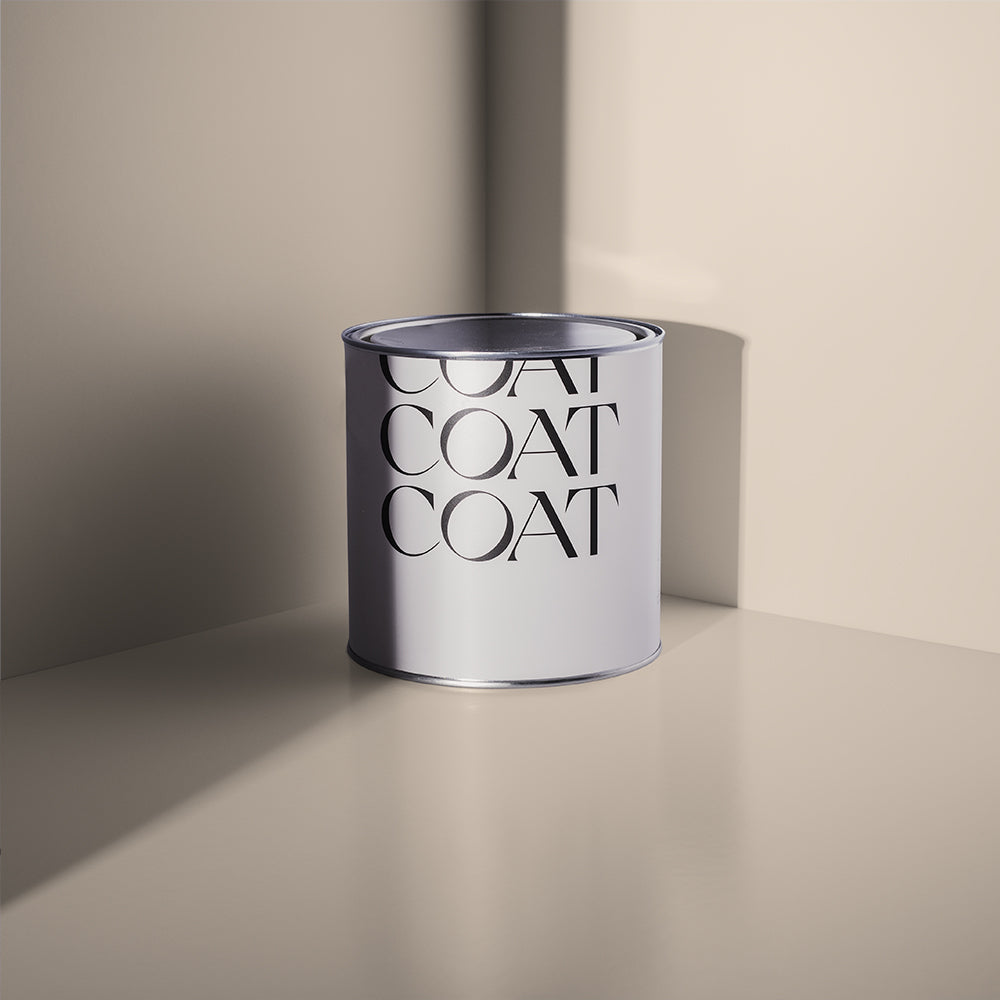
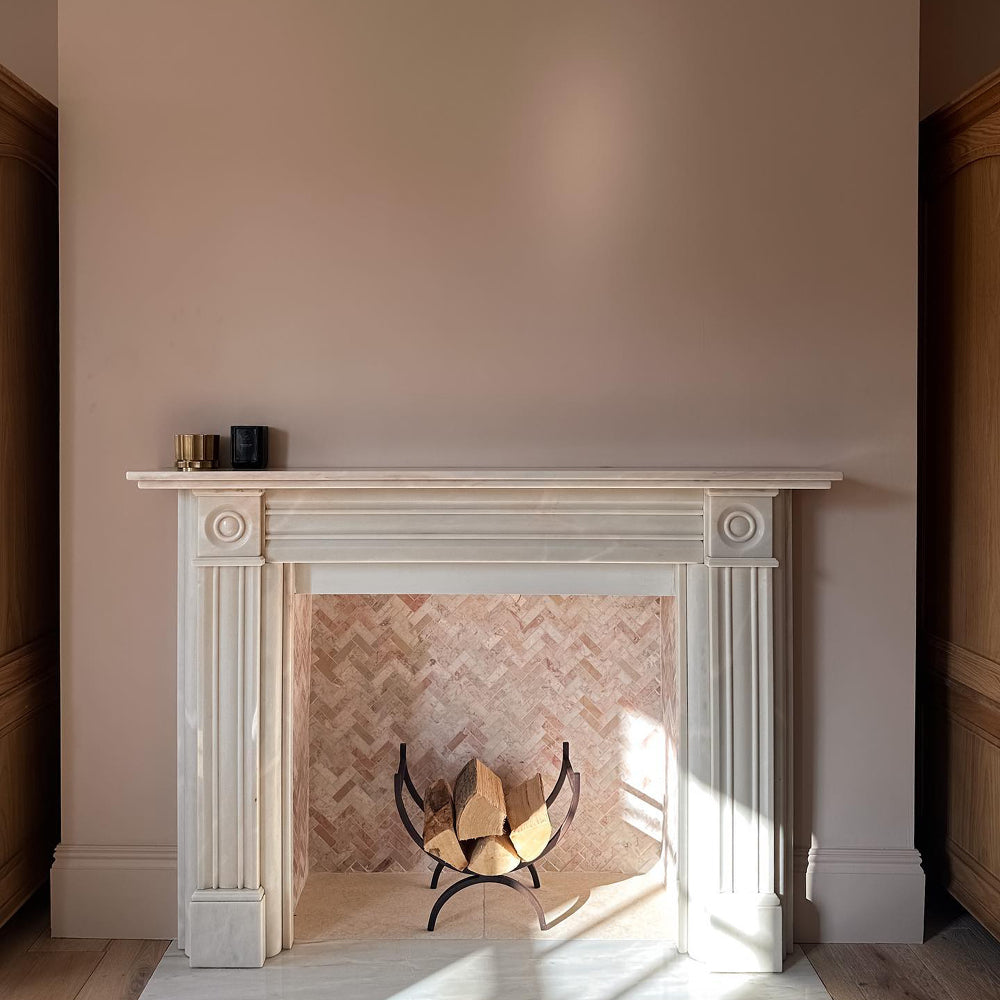
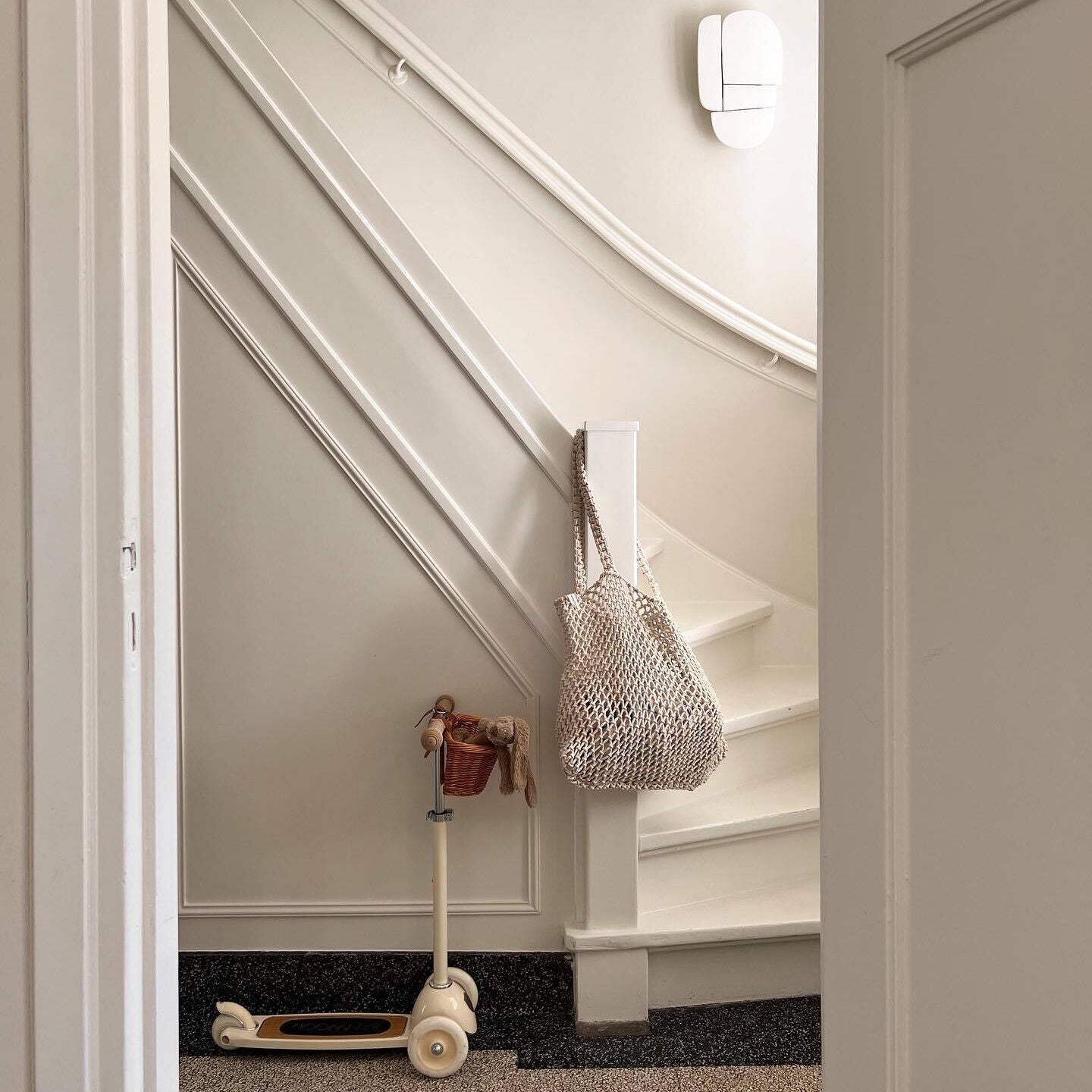
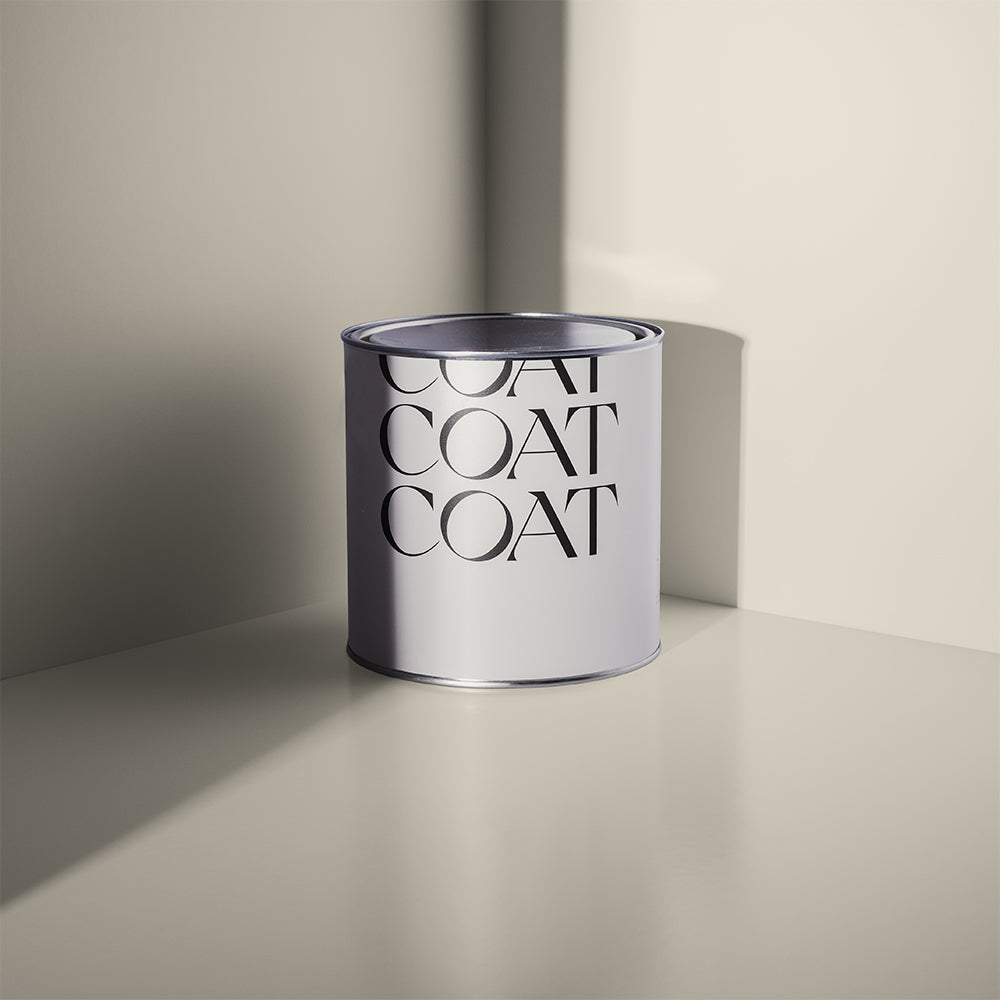
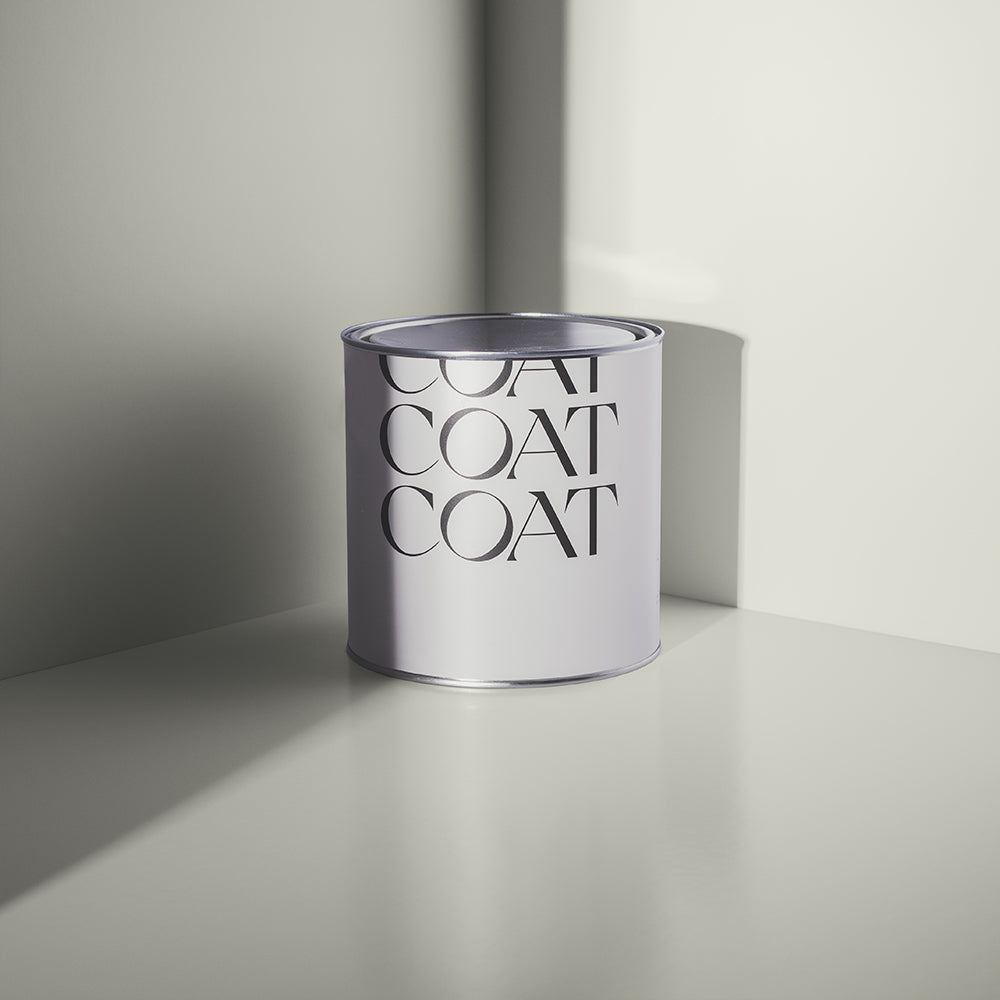
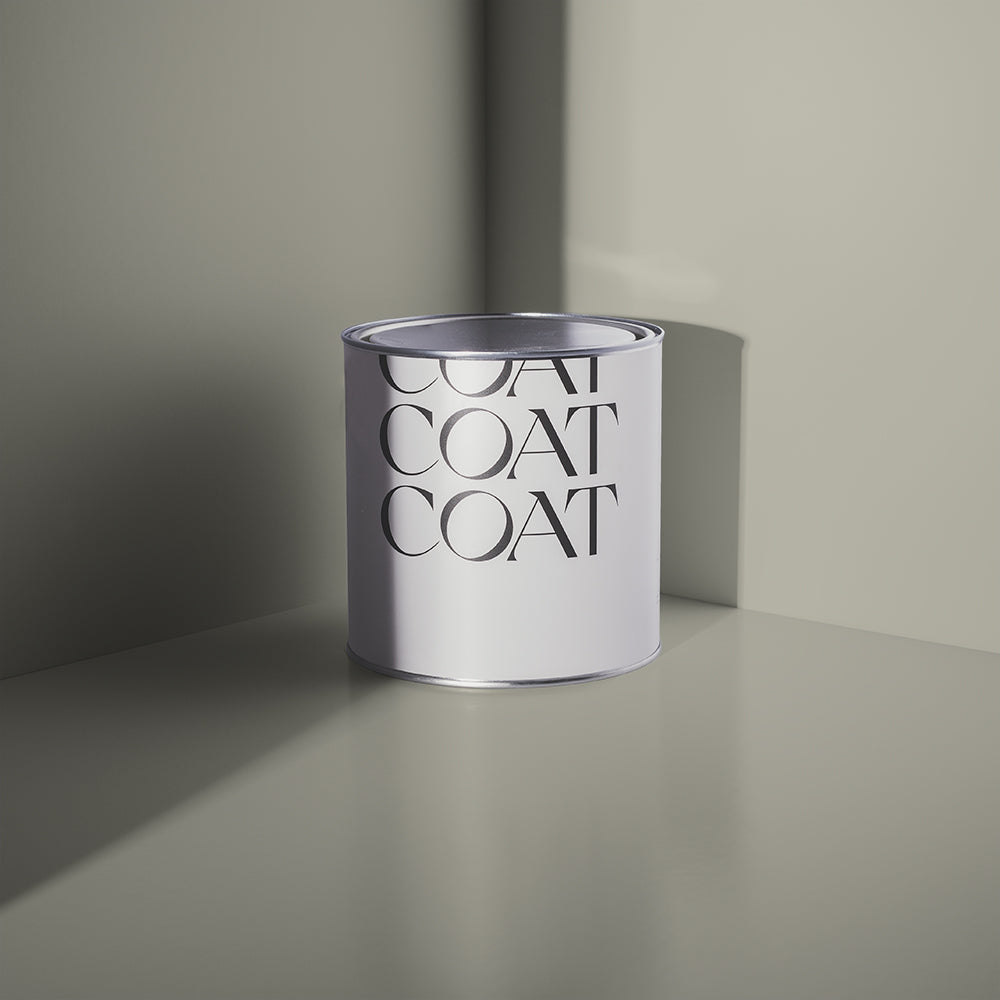
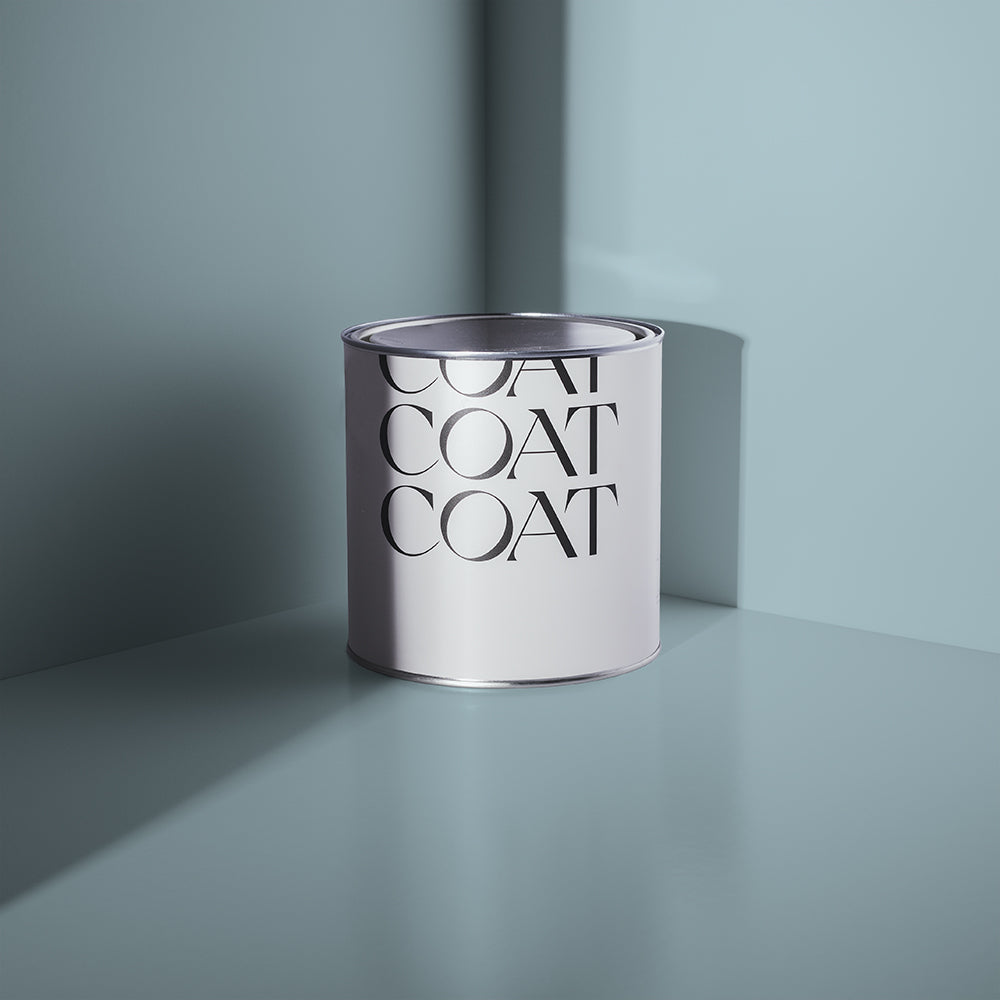
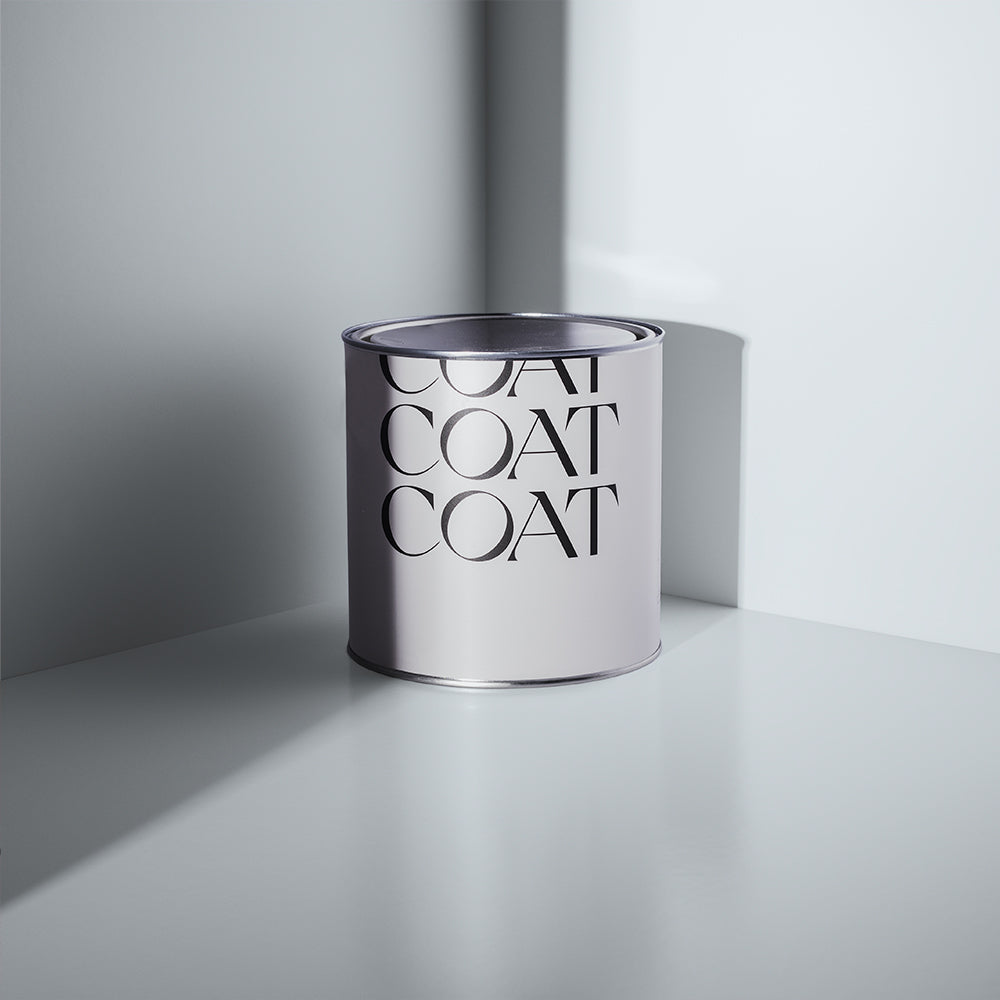
Mindful is a beautifully soft, off-white paint that's also great for smaller spaces
Mistake 2: Ignoring natural light
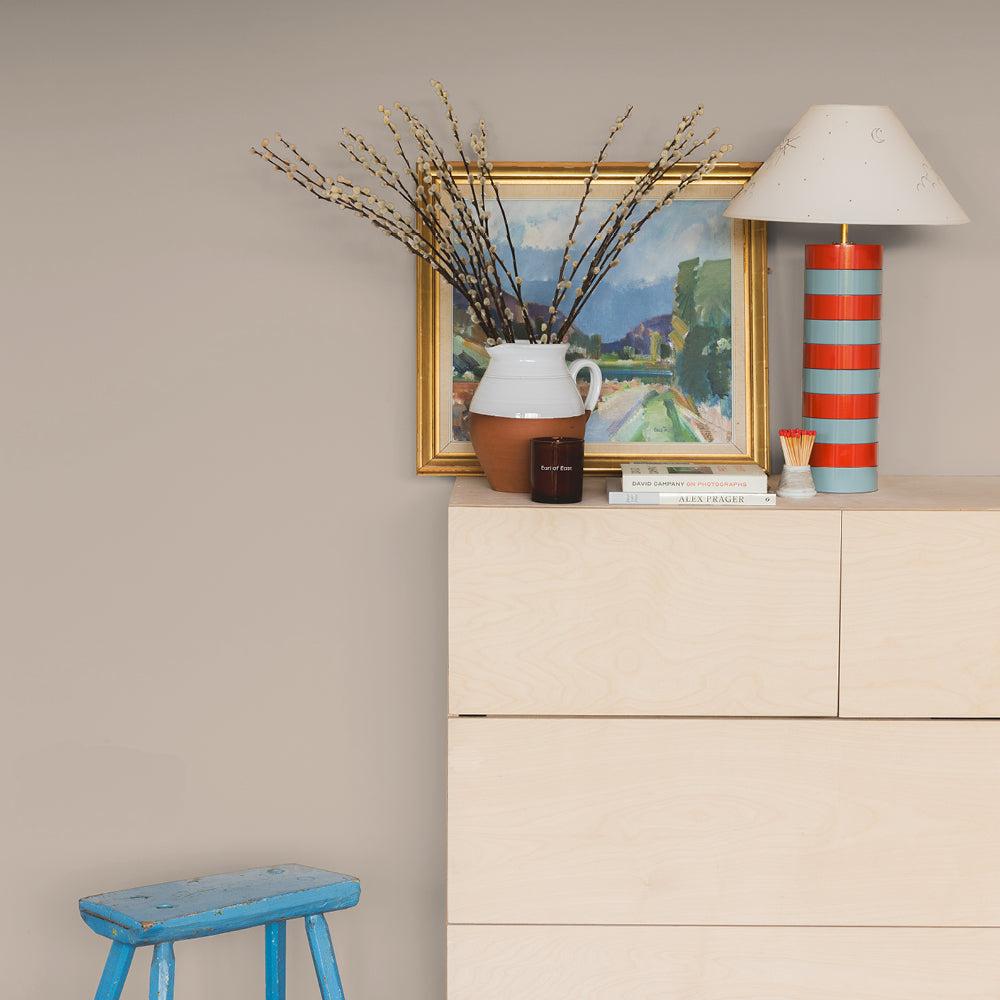
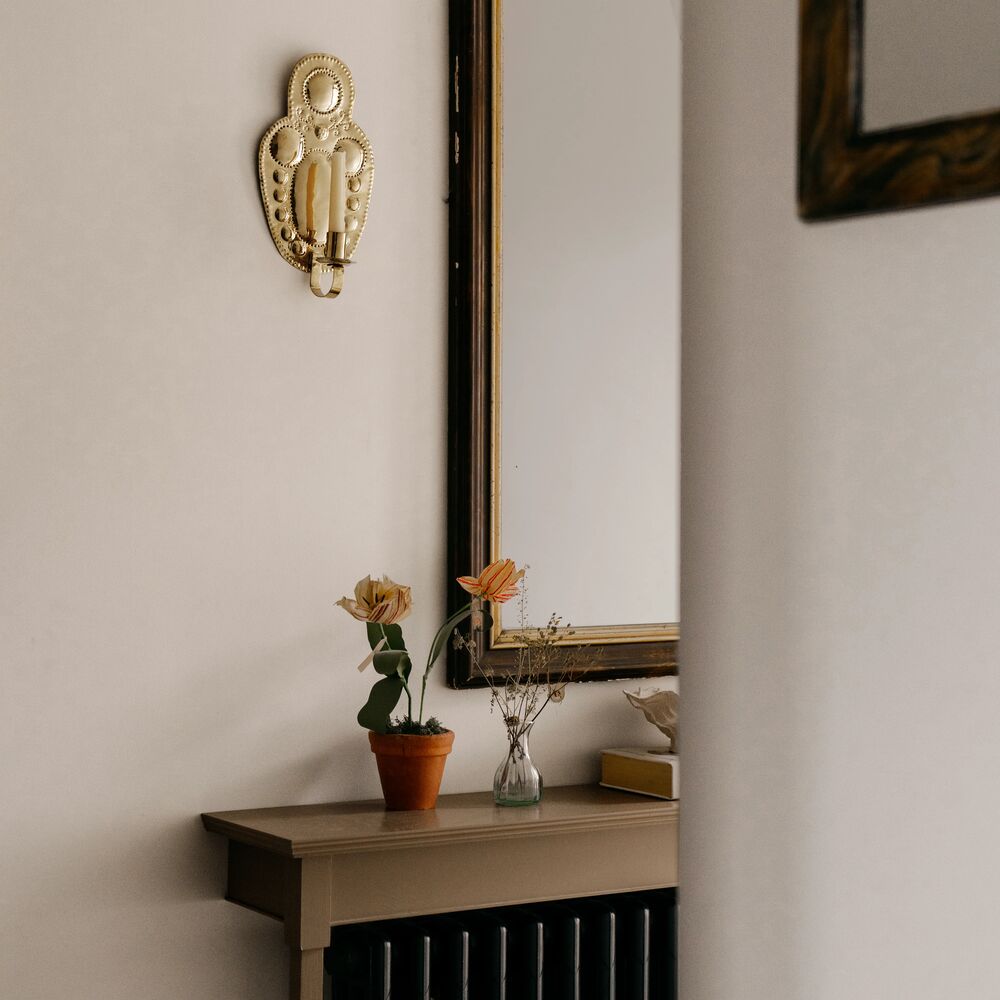
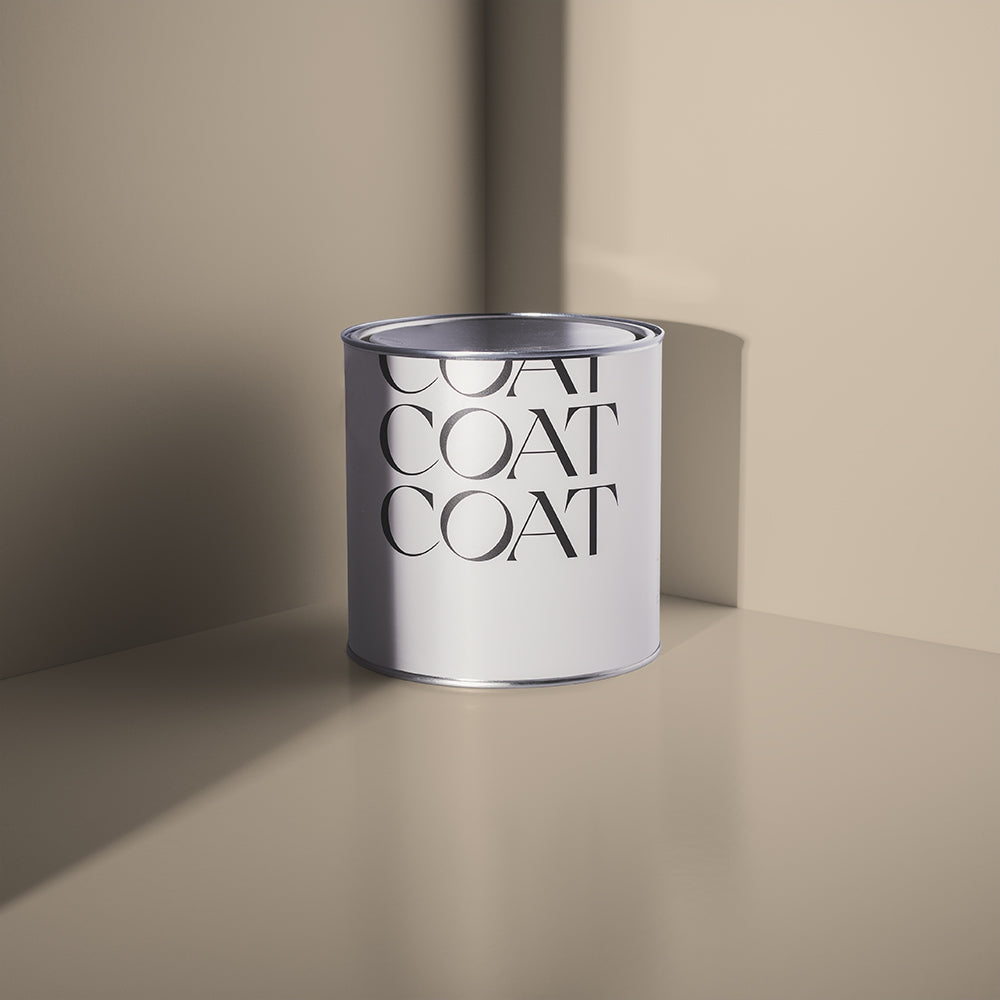
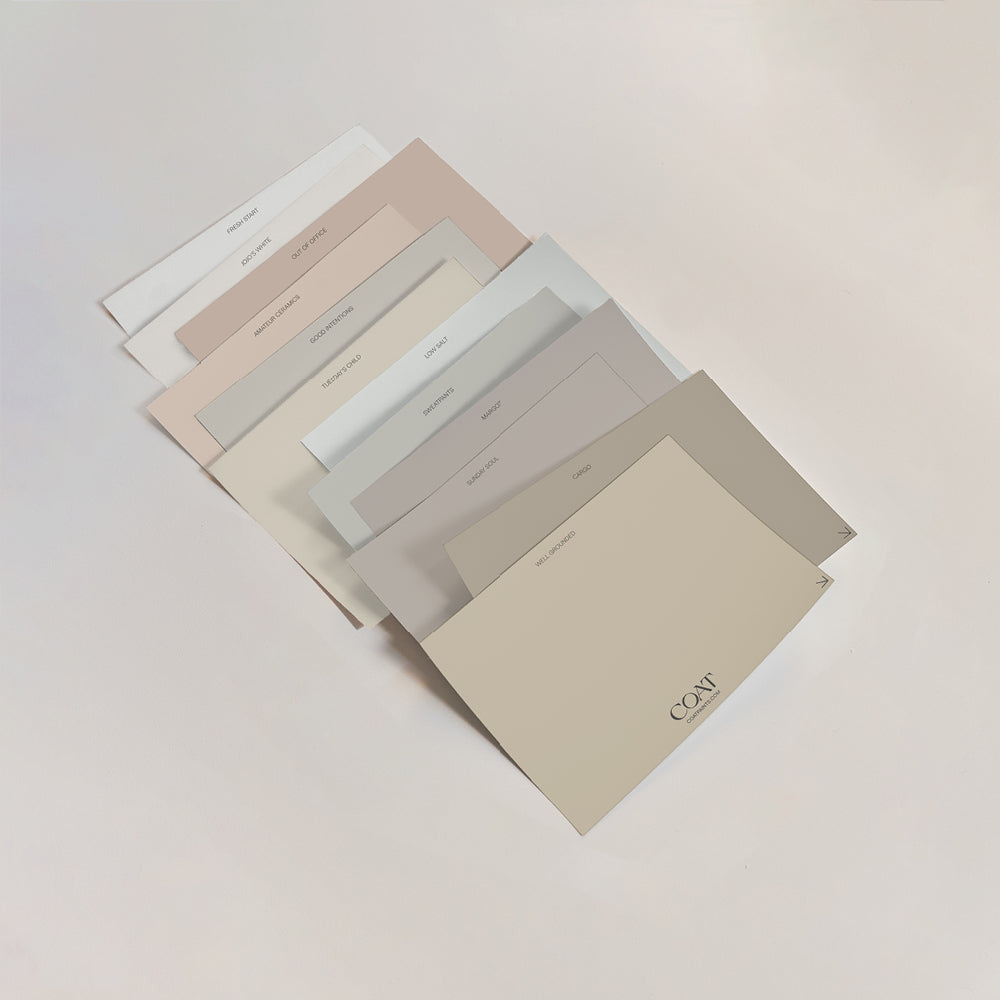
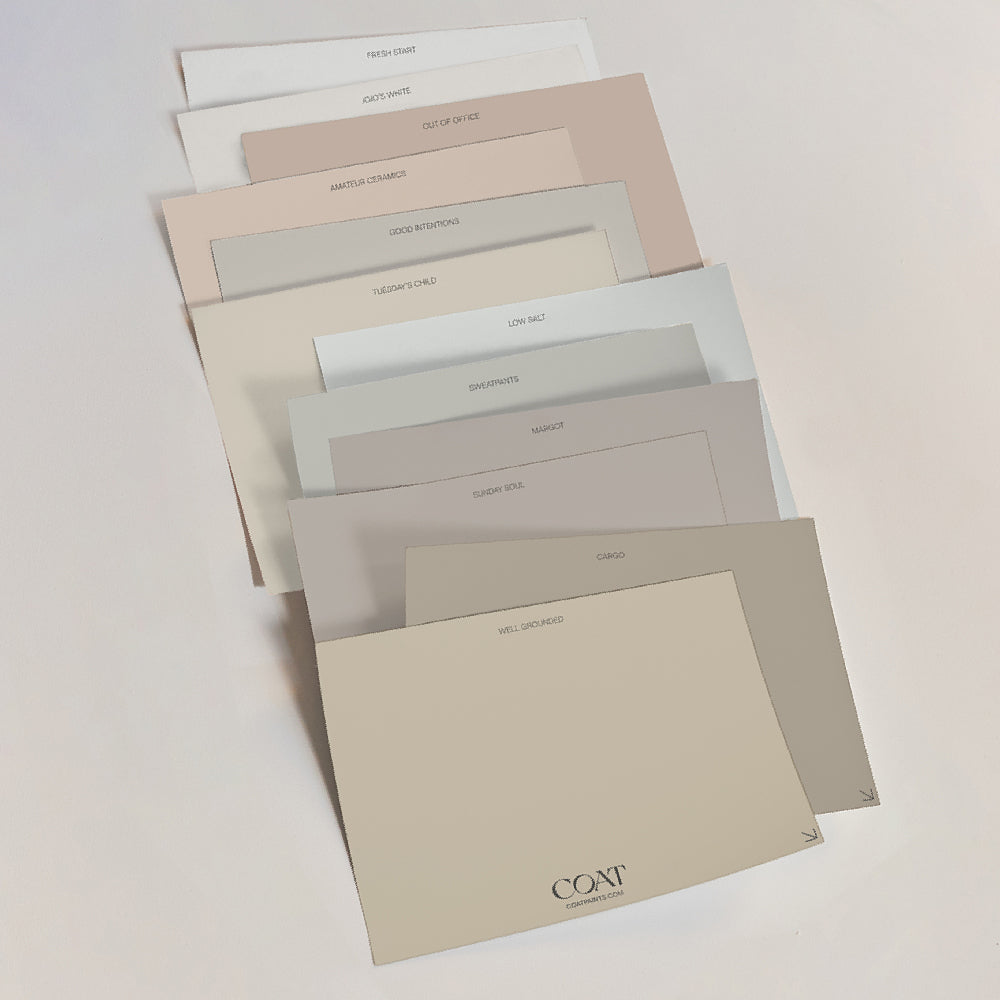
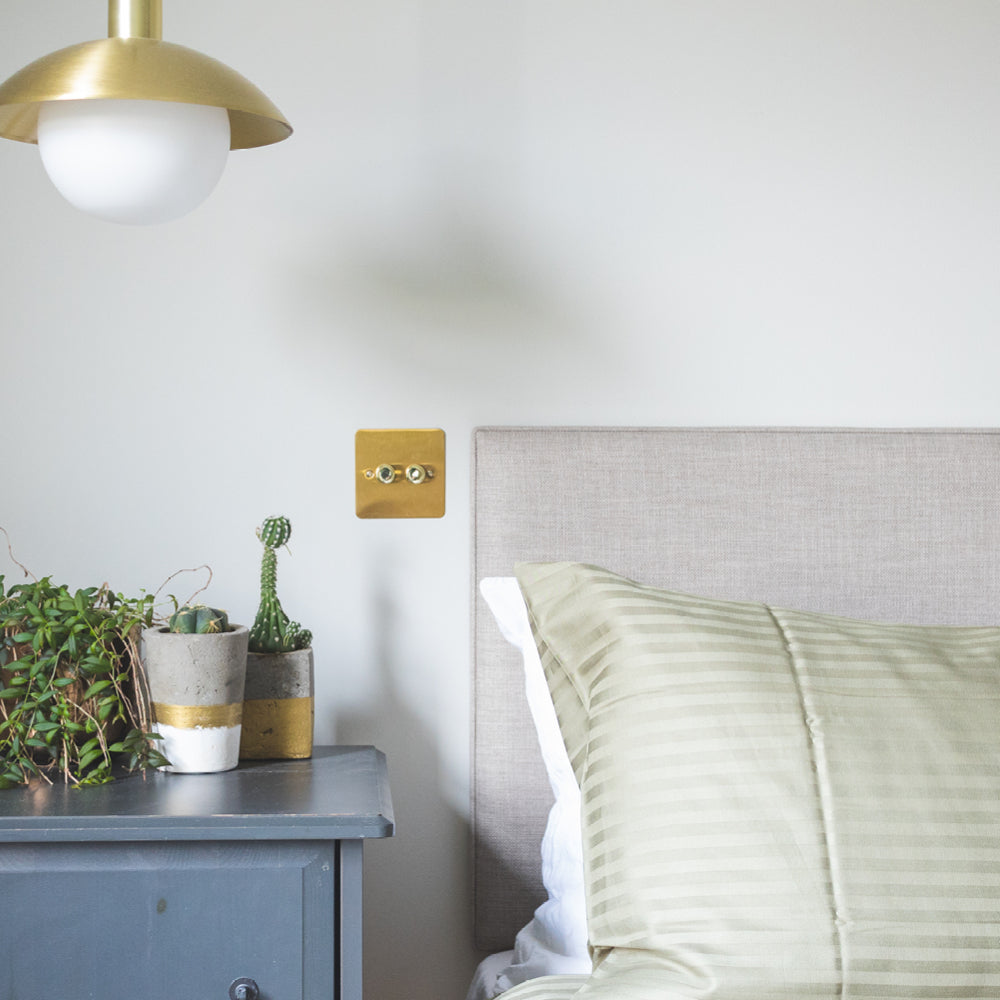
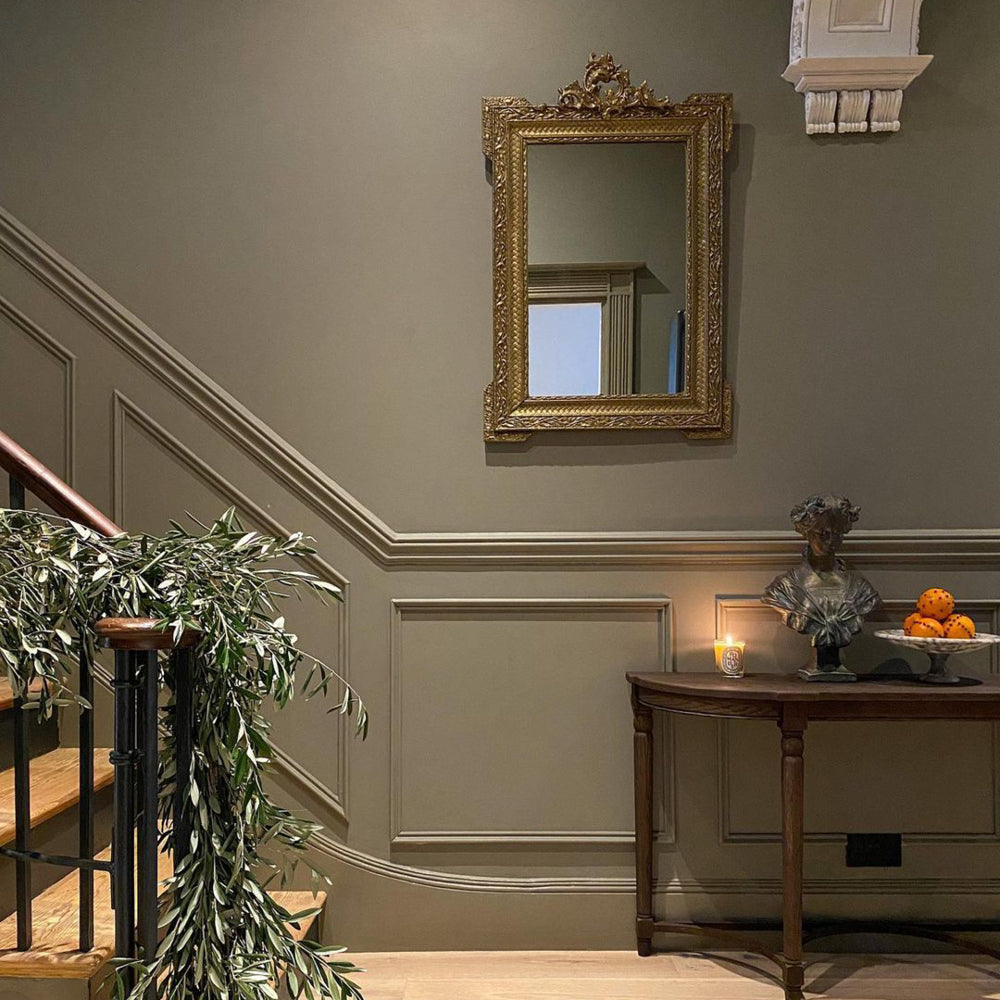
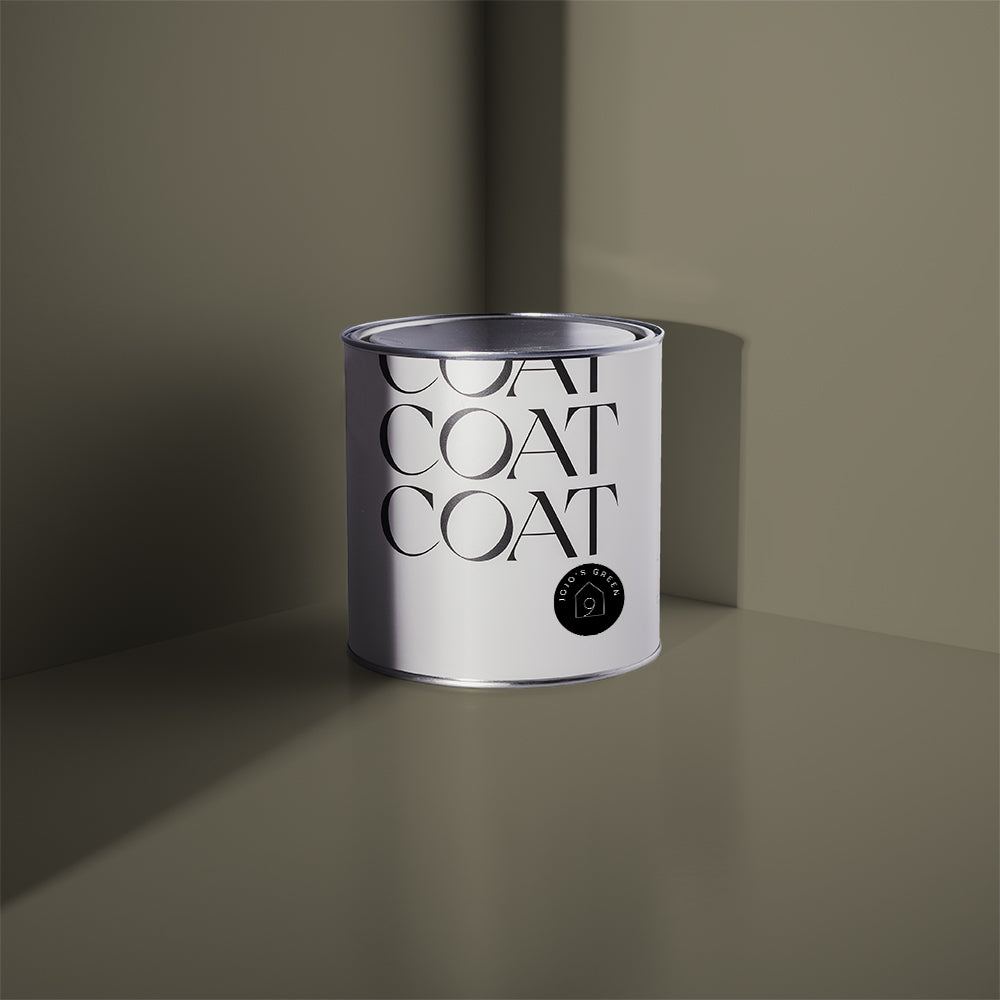
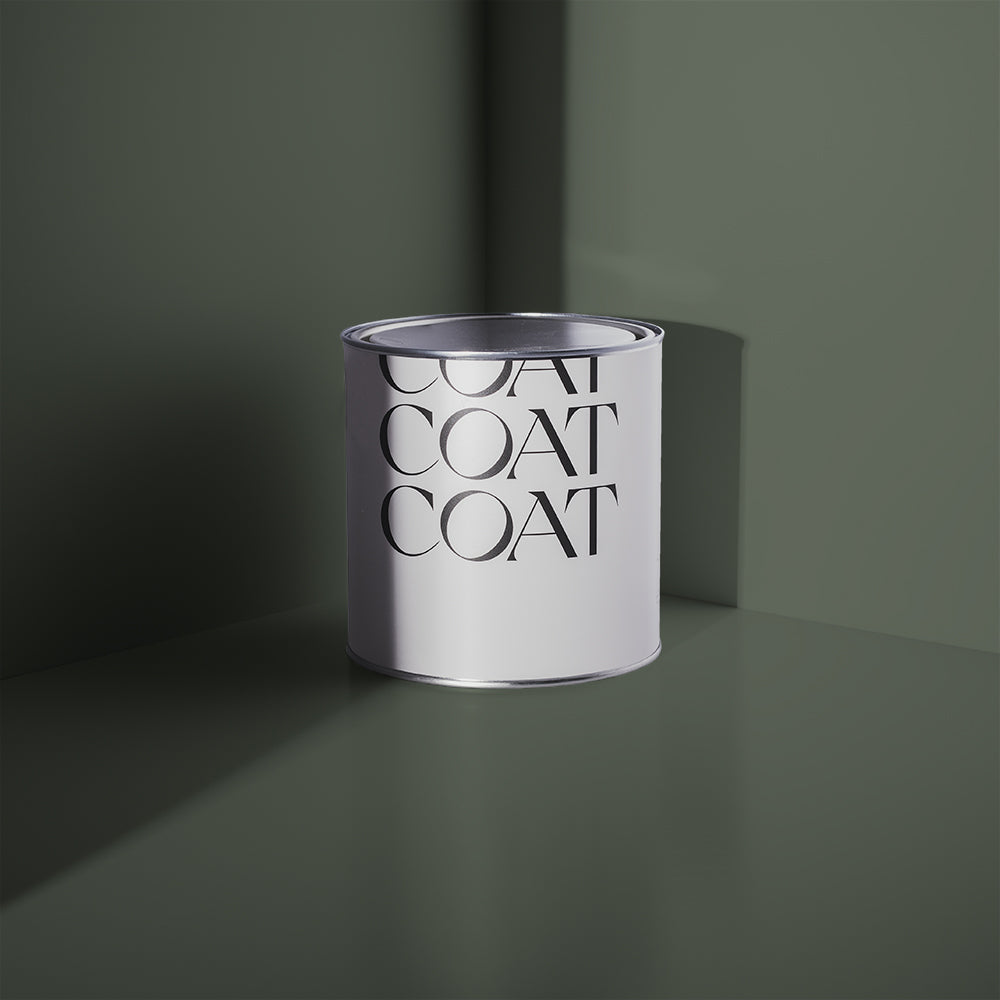
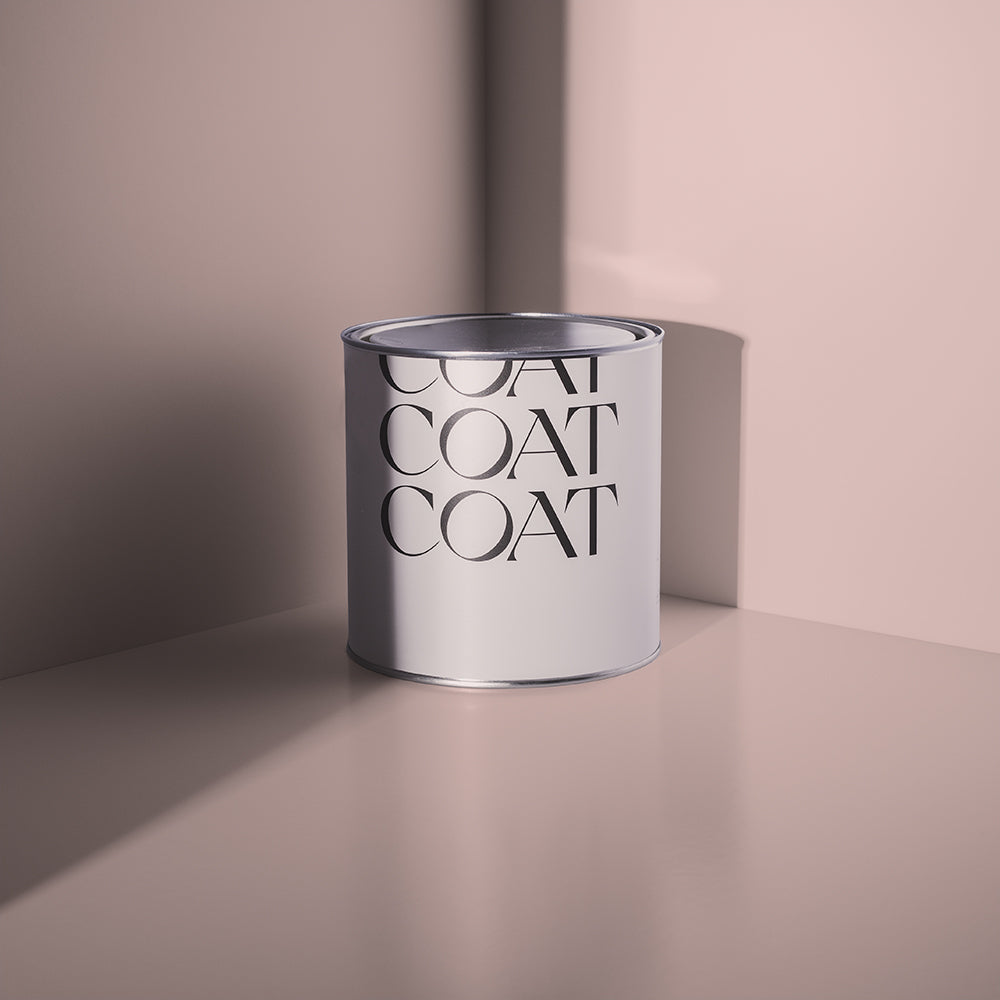
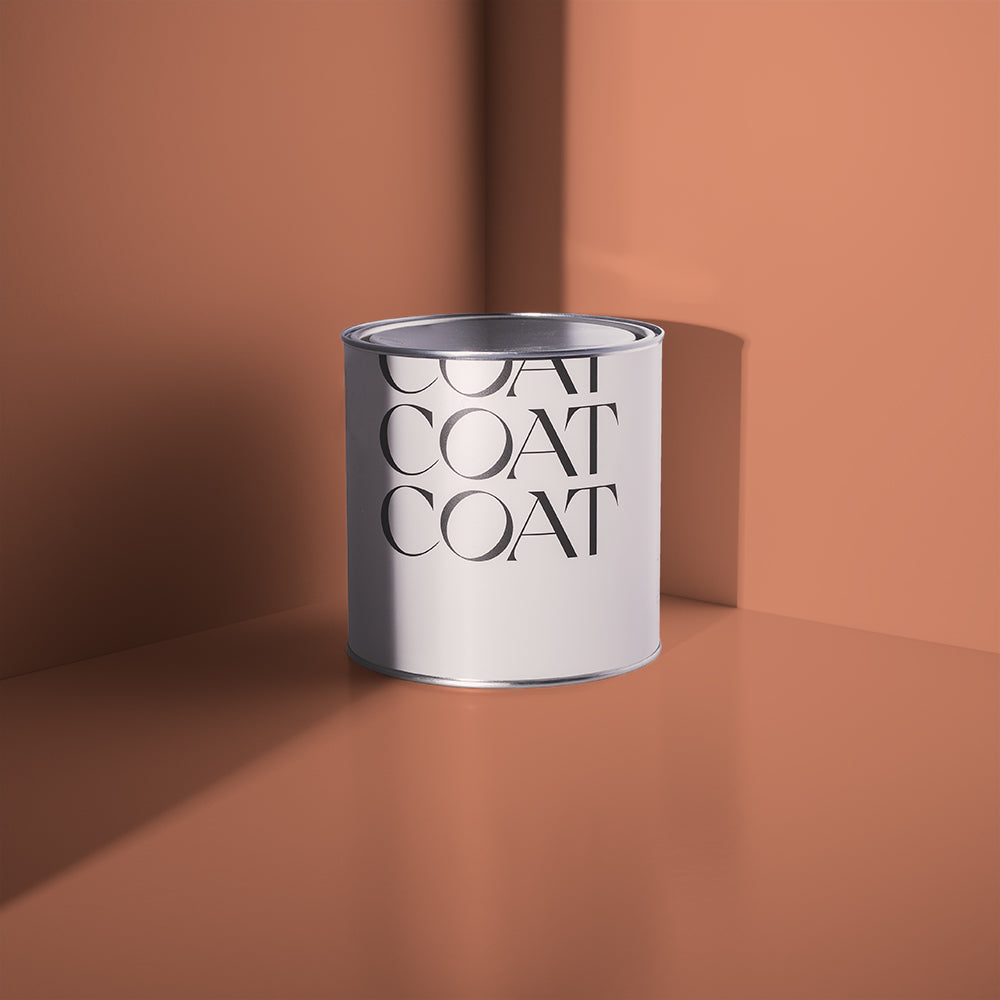
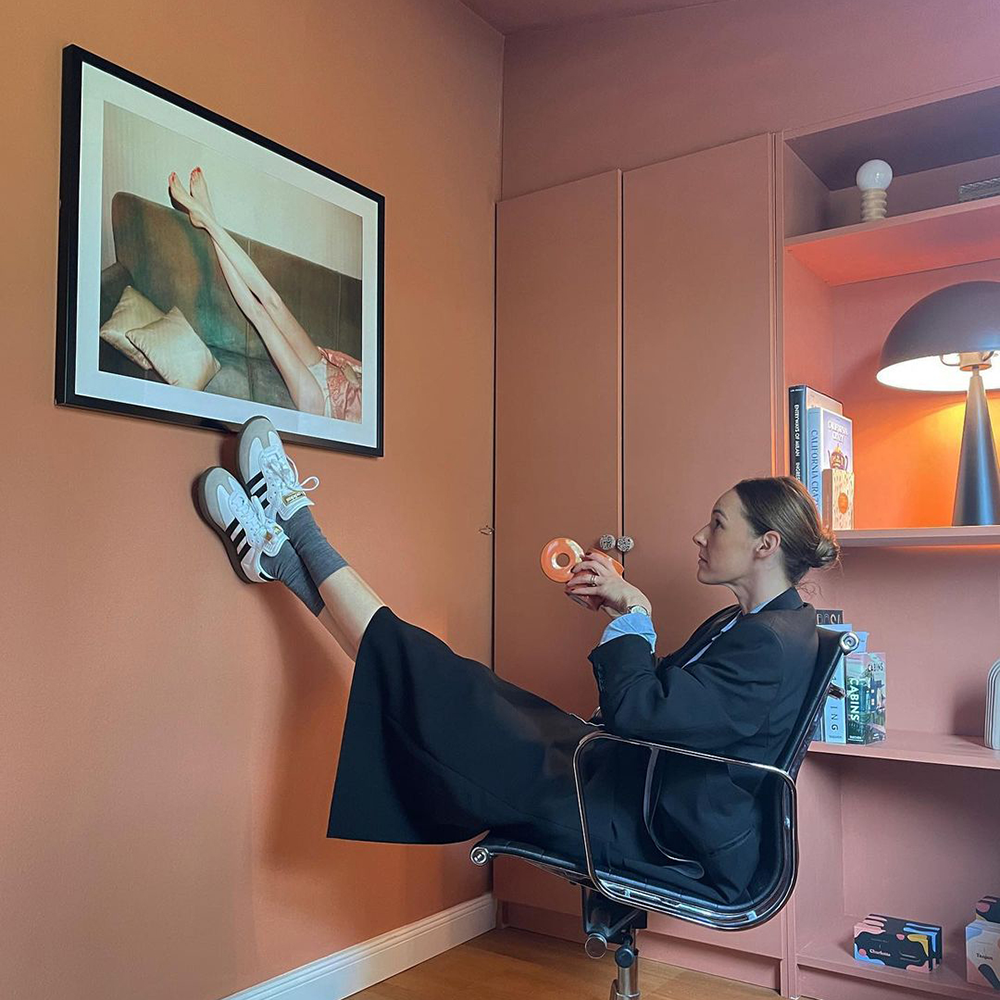
The amount of natural light is obviously something to consider first. How much light does the space get? If it’s well lit, you can get away with most colours regardless of the room size. If it’s dimly lit, with small or no windows, then you’ll likely want to choose a paler colour that reflects the minimal light. But light direction - whether the room faces mainly north, south, east or west - is the thing most people forget, and it's the thing that matters even more in smaller spaces. A small north-facing room in a cool grey will feel like a cave. The same room in a warm taupe like Sunday Soul reads completely differently. Understand the light first, then choose your colour.

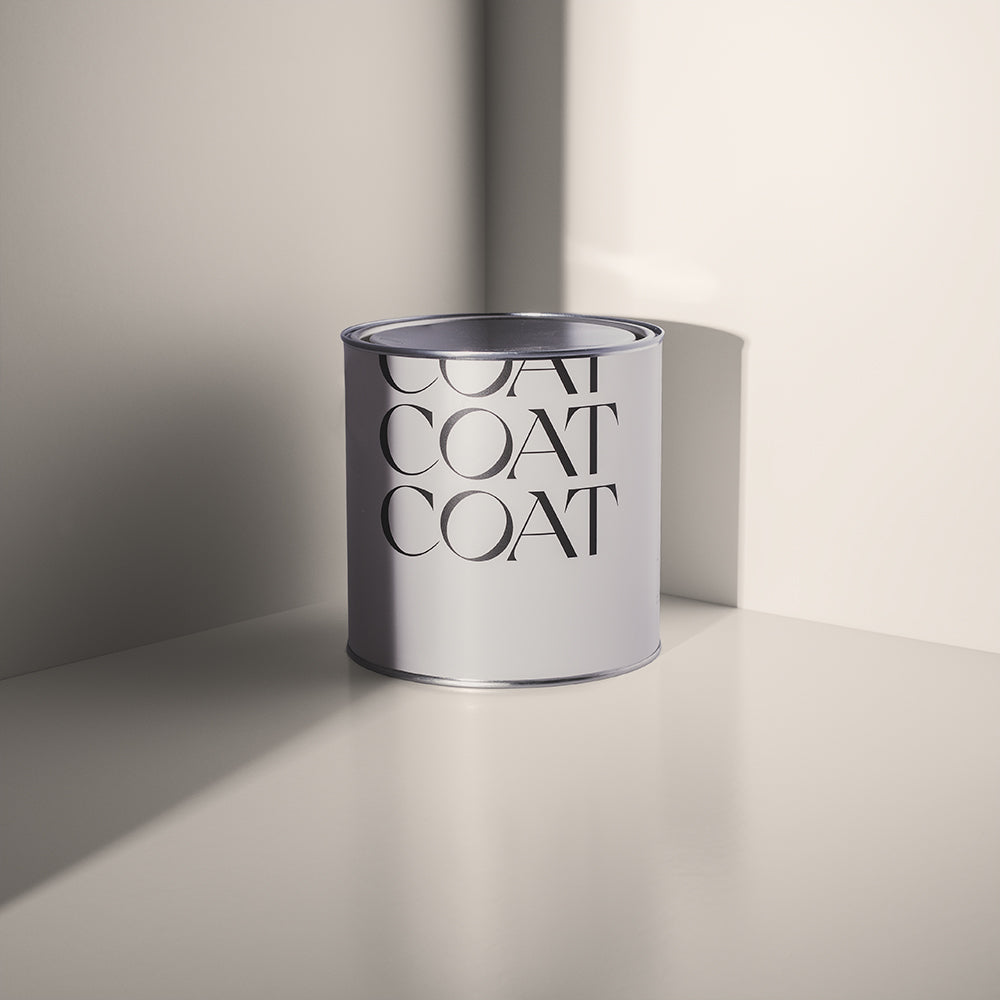
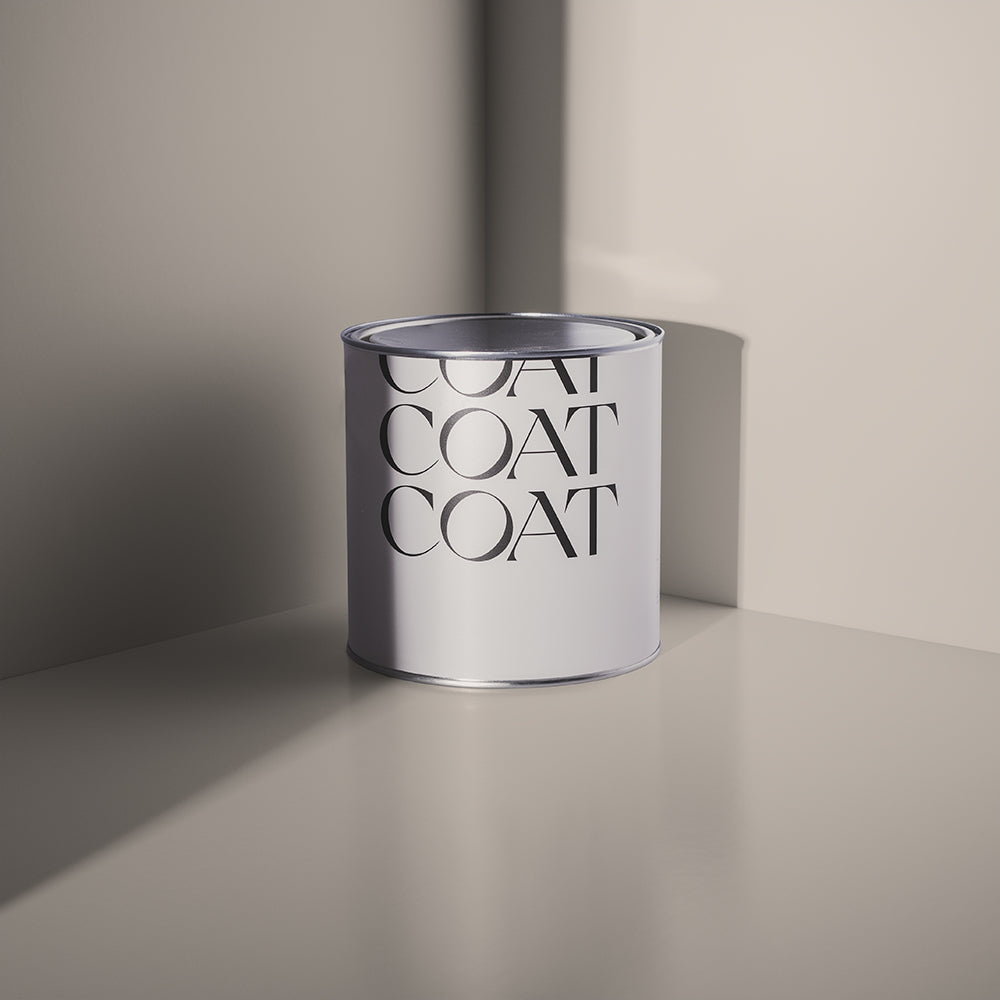
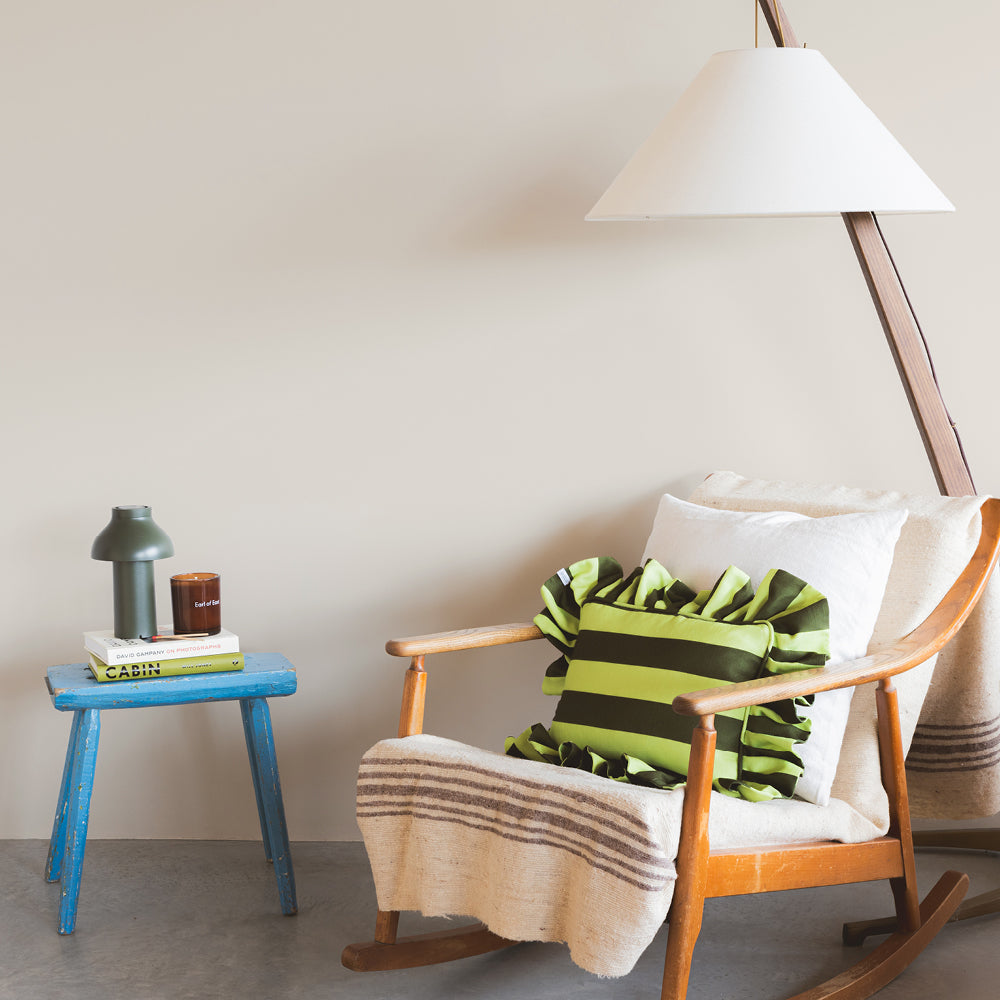
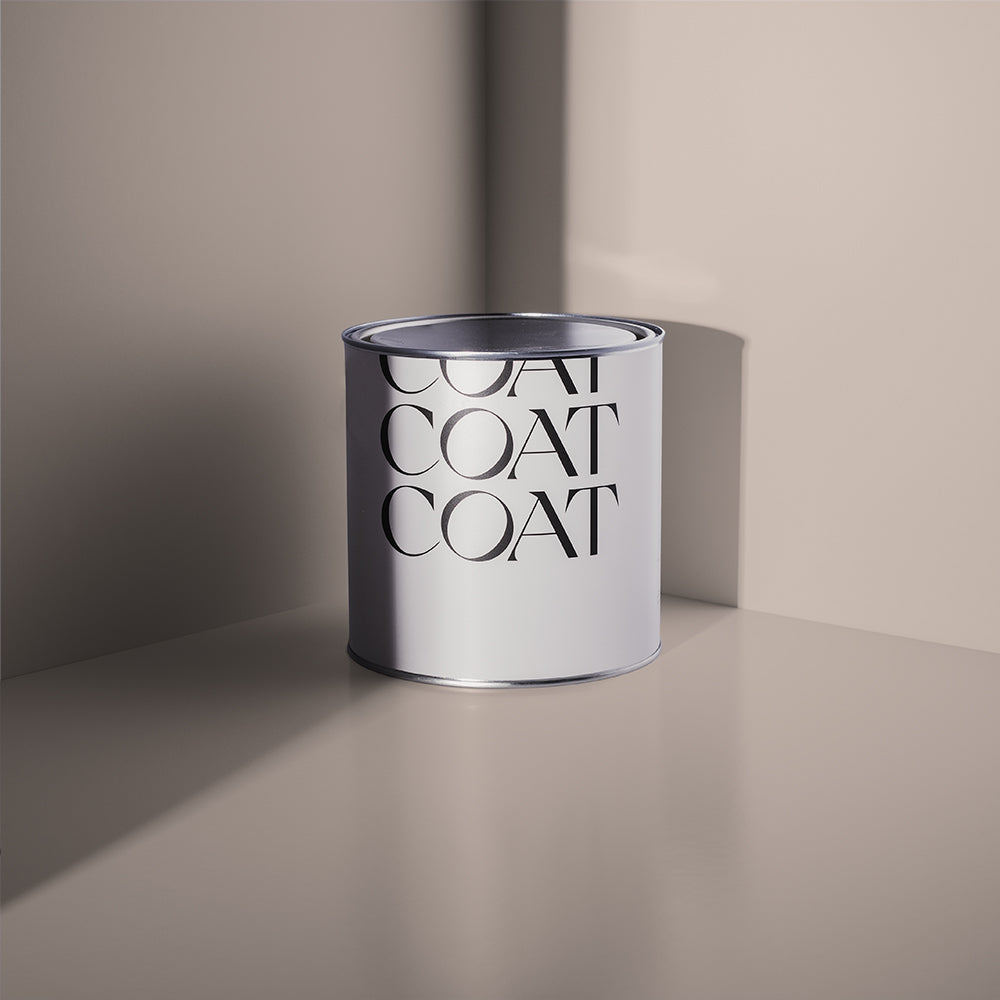
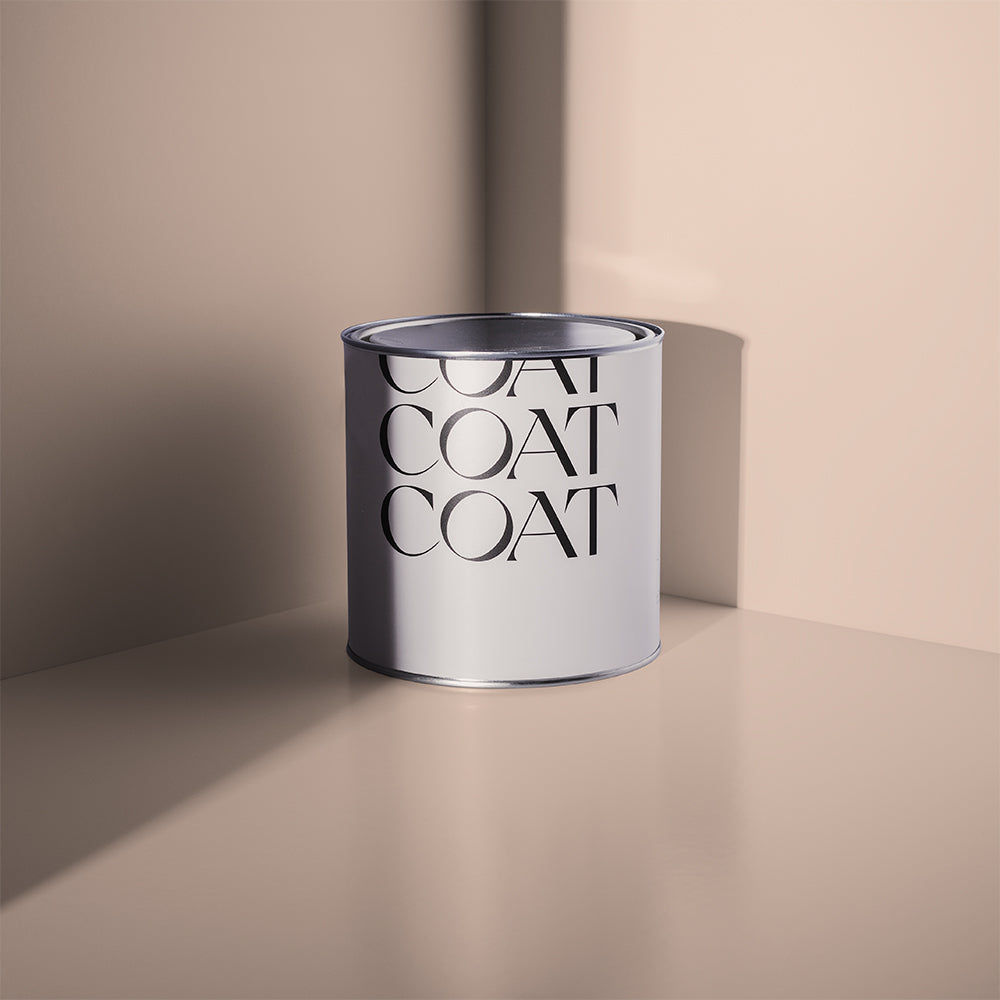
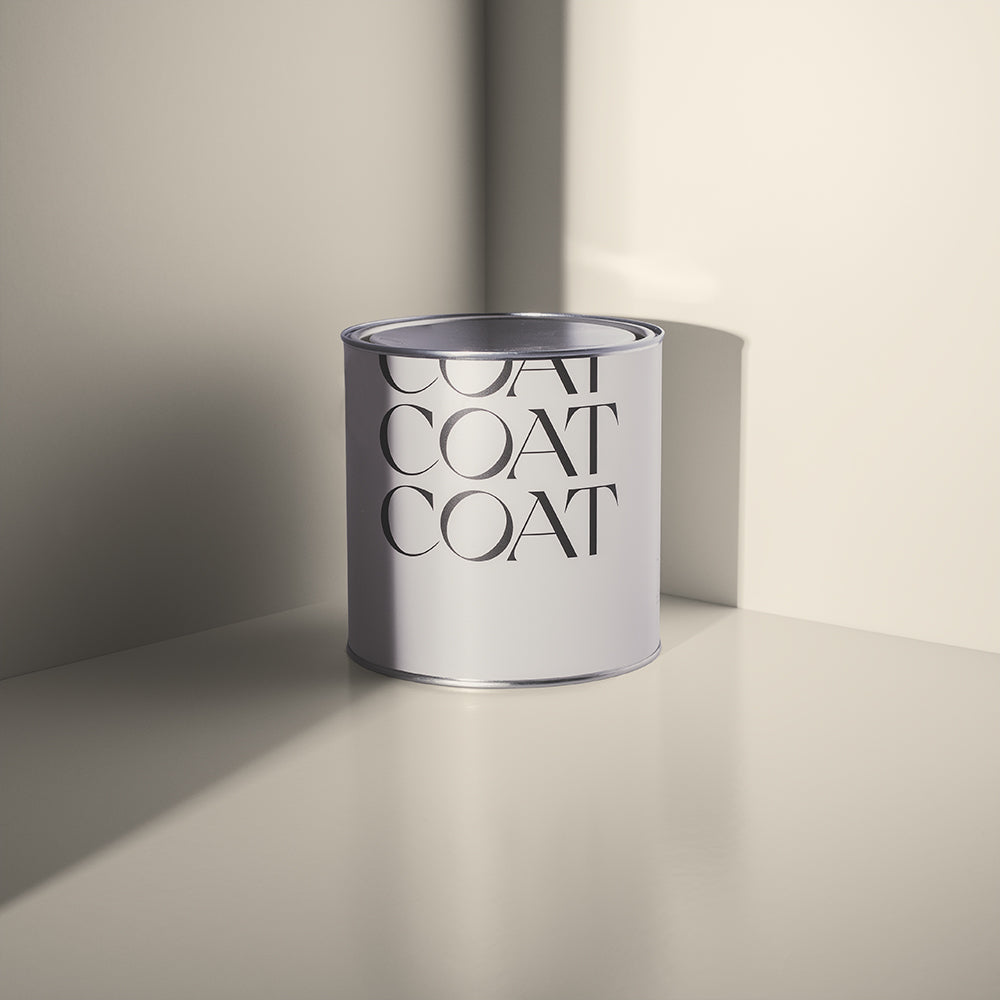
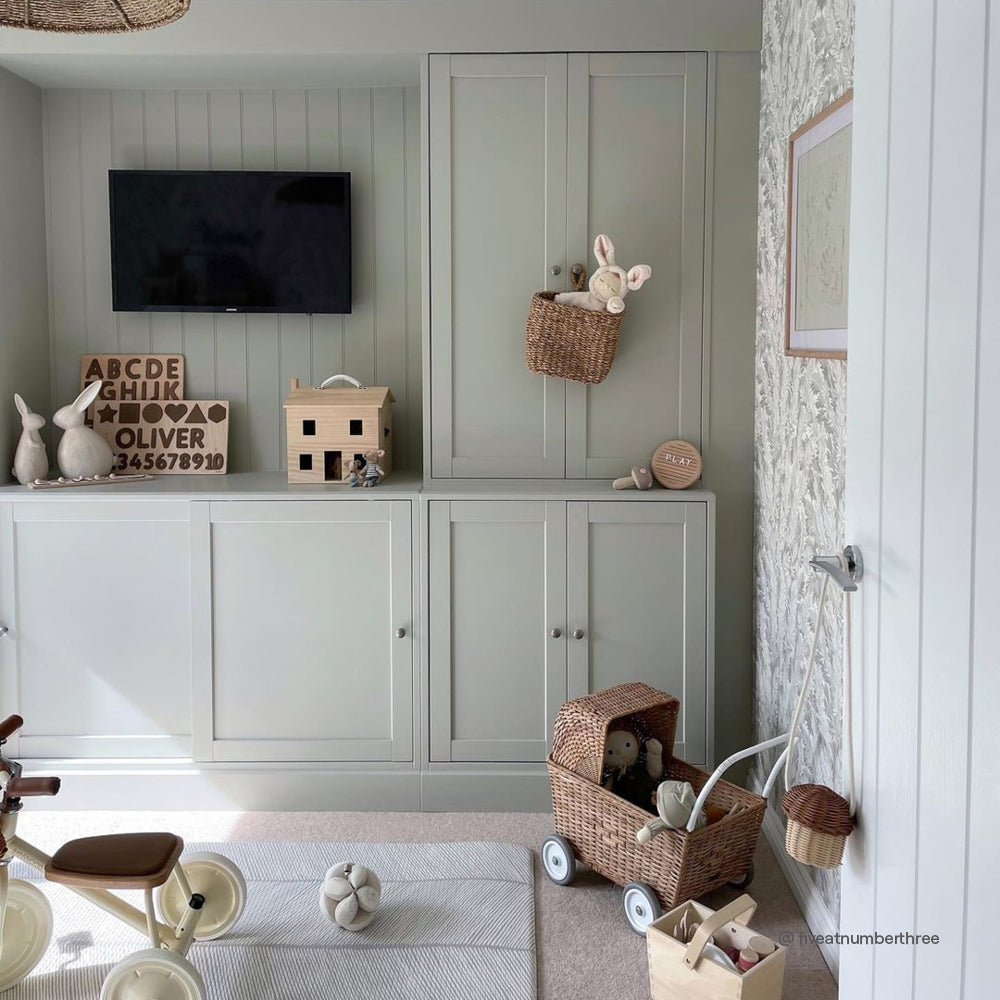
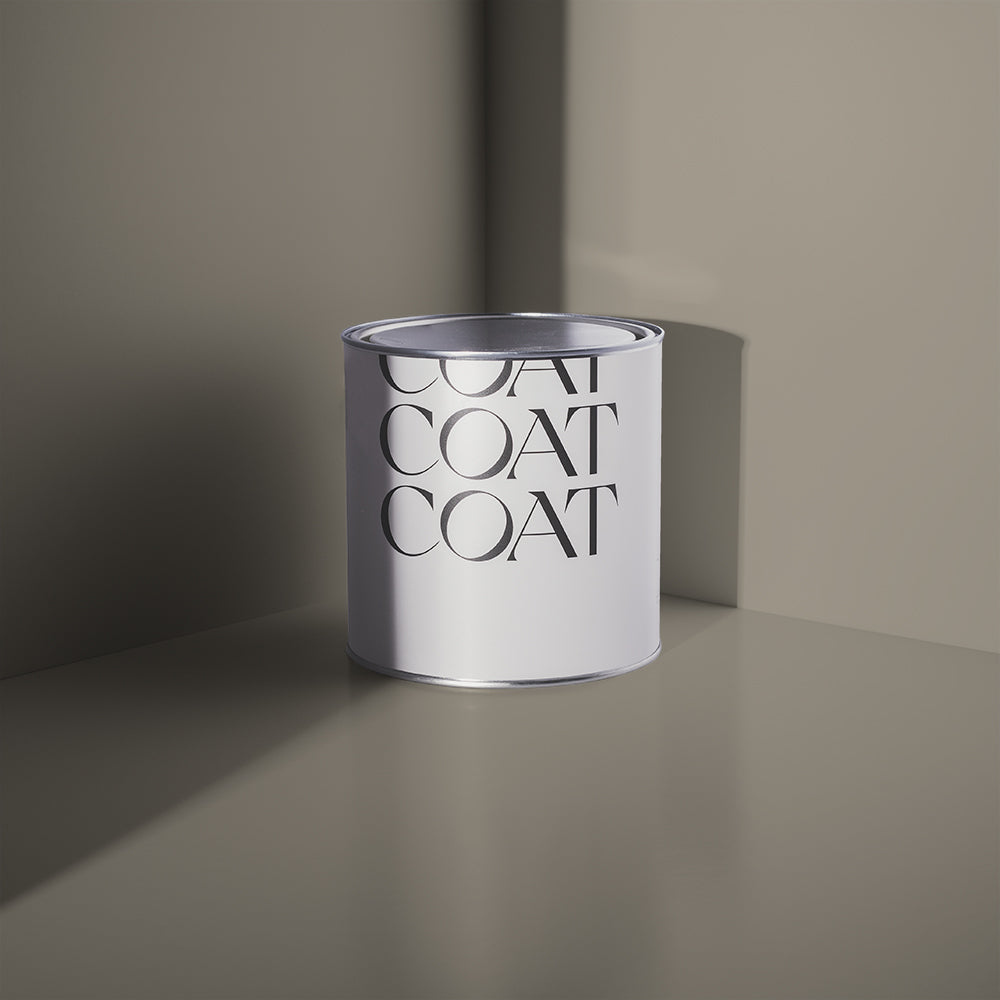
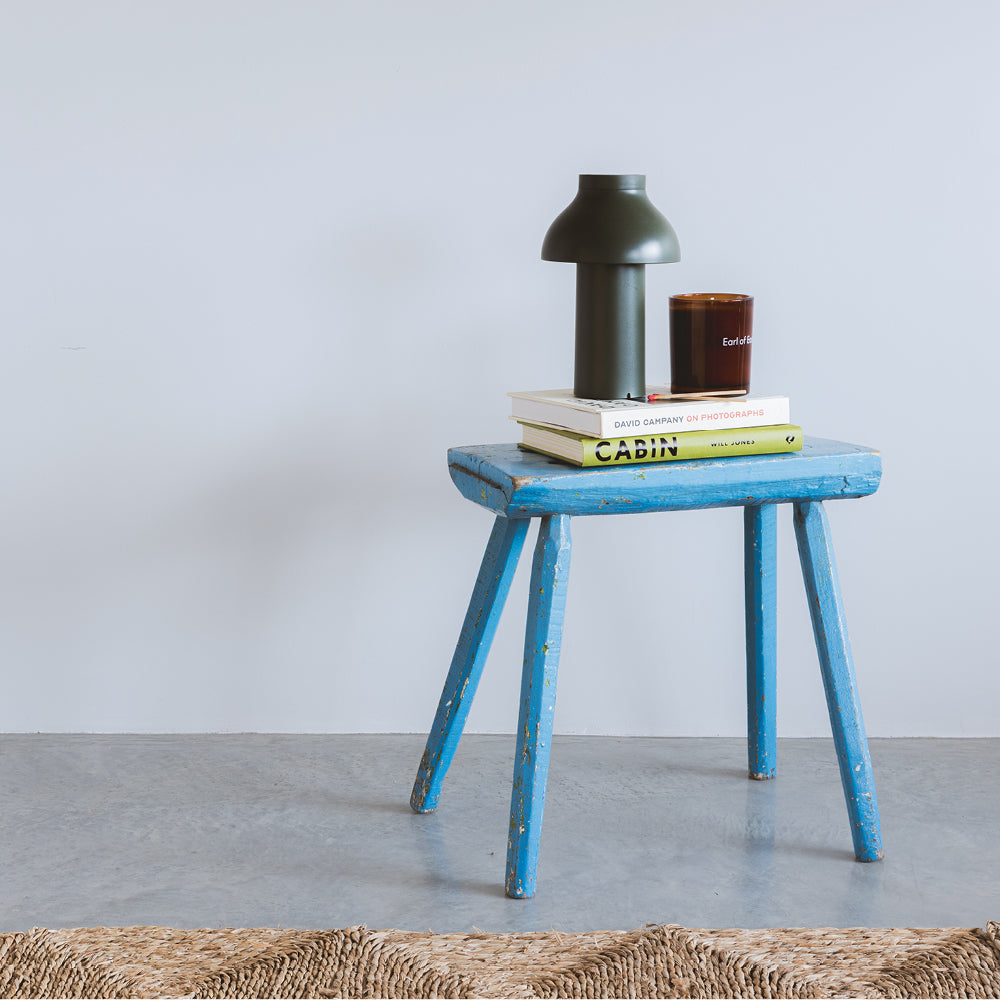
Sunday Soul is a great all-rounder that stays stable in all lighting conditions
Mistake 3: Neglecting the ceiling
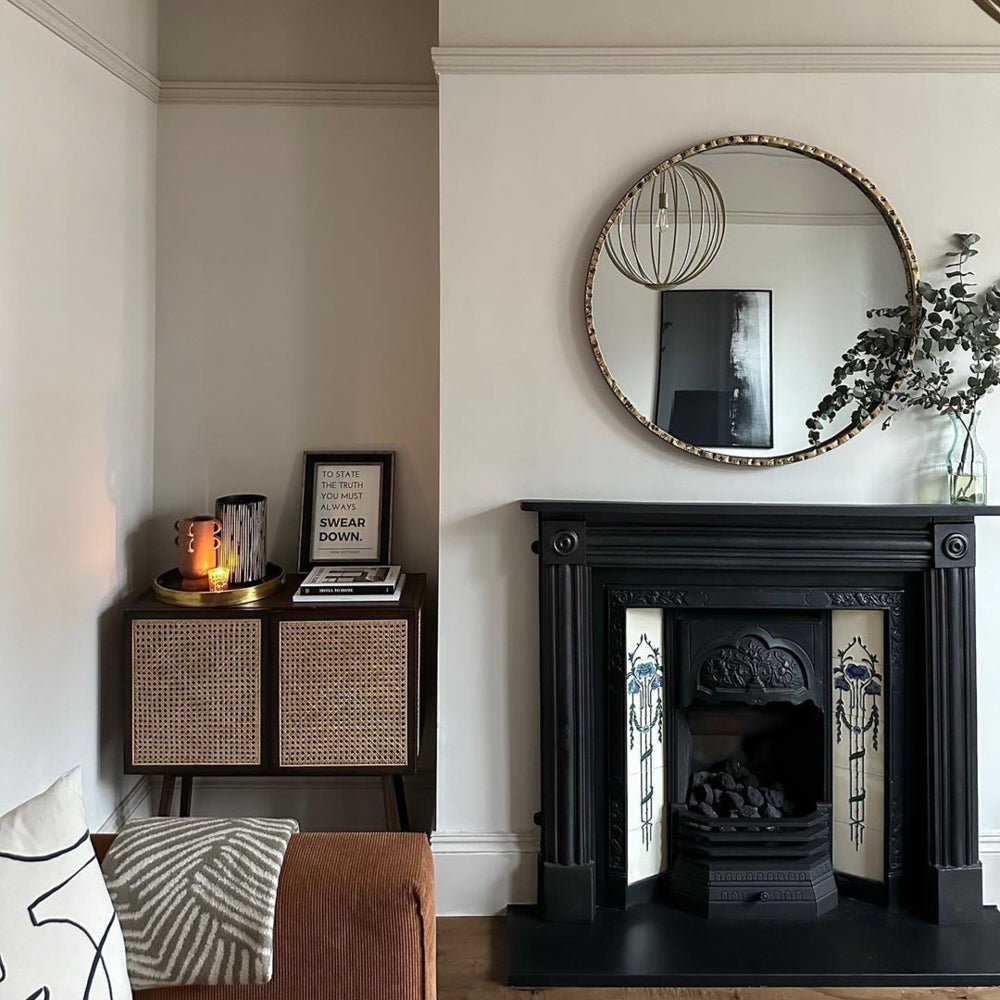
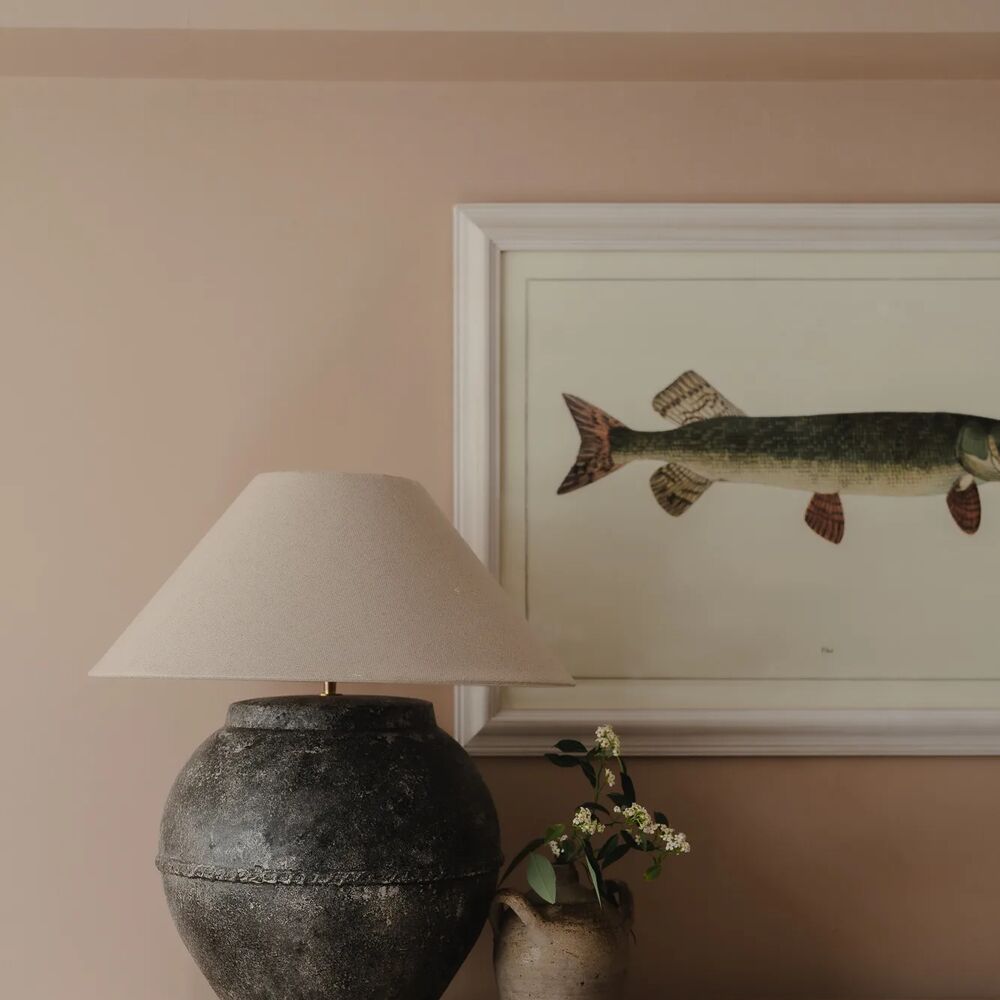
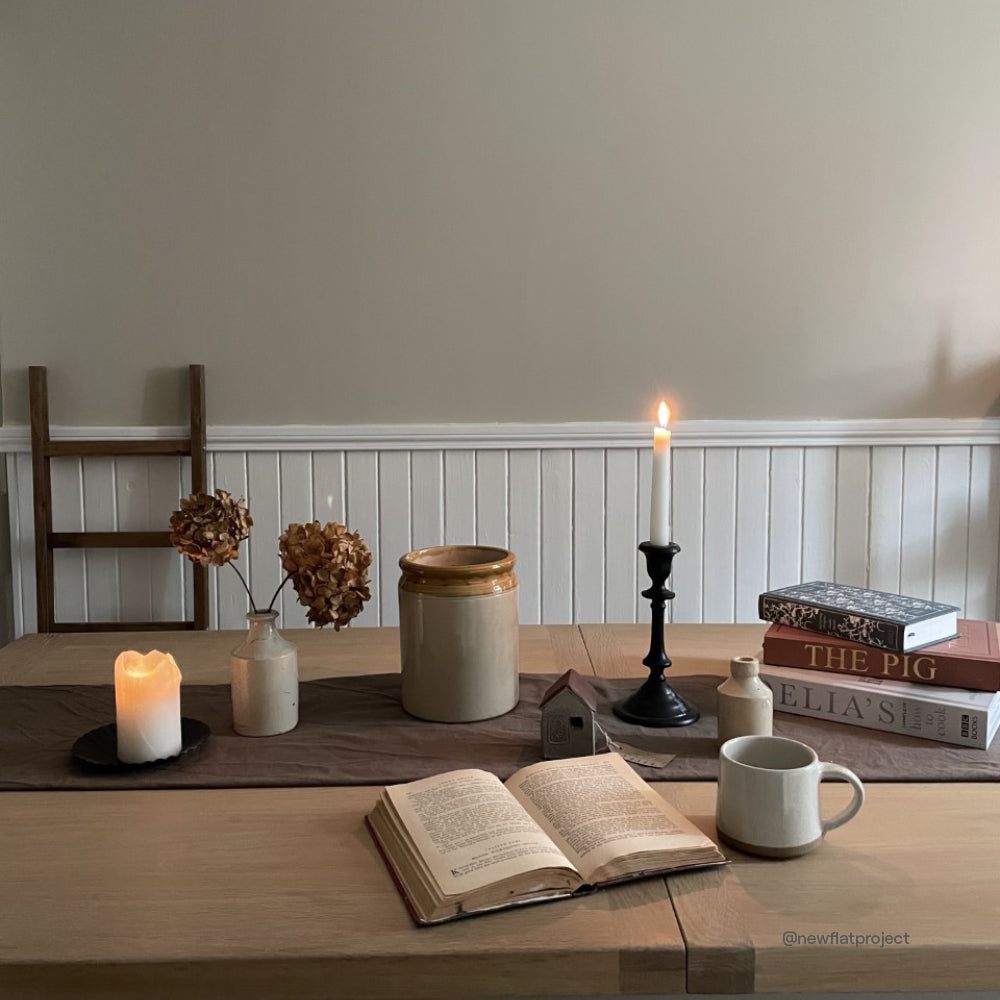
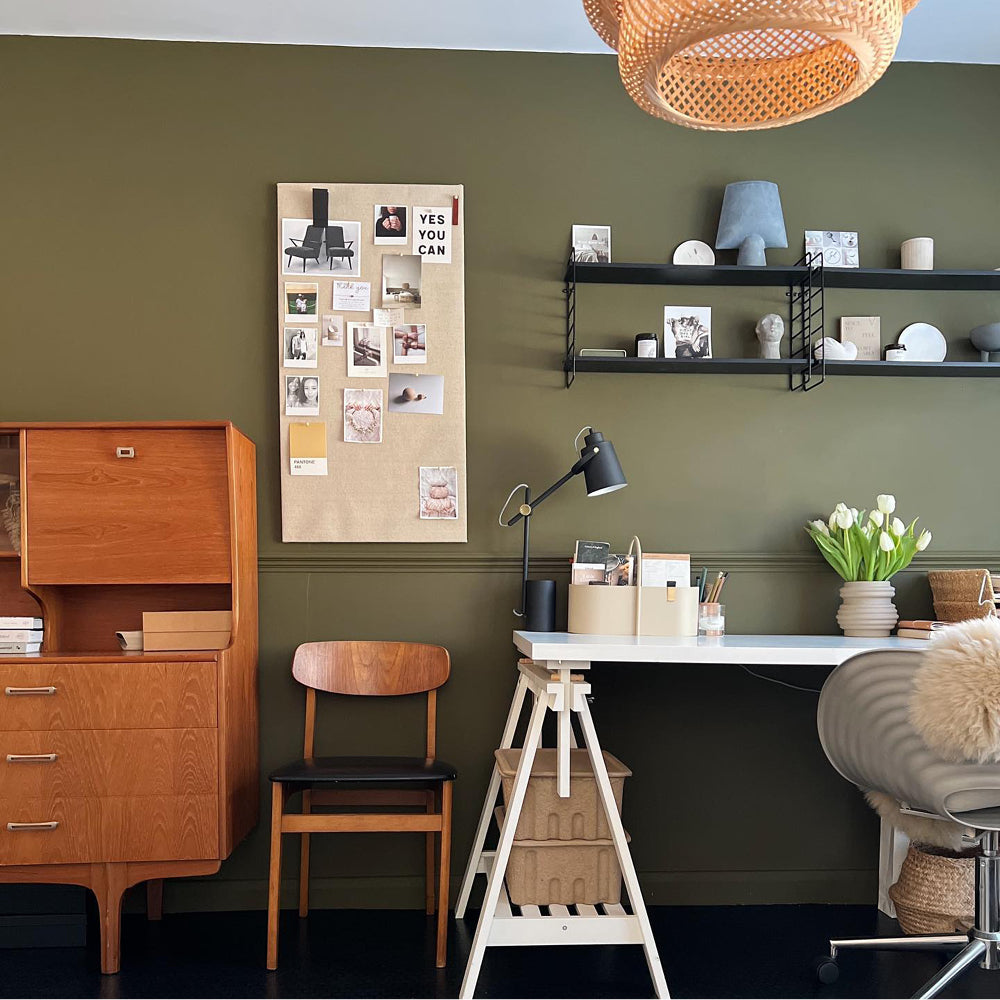
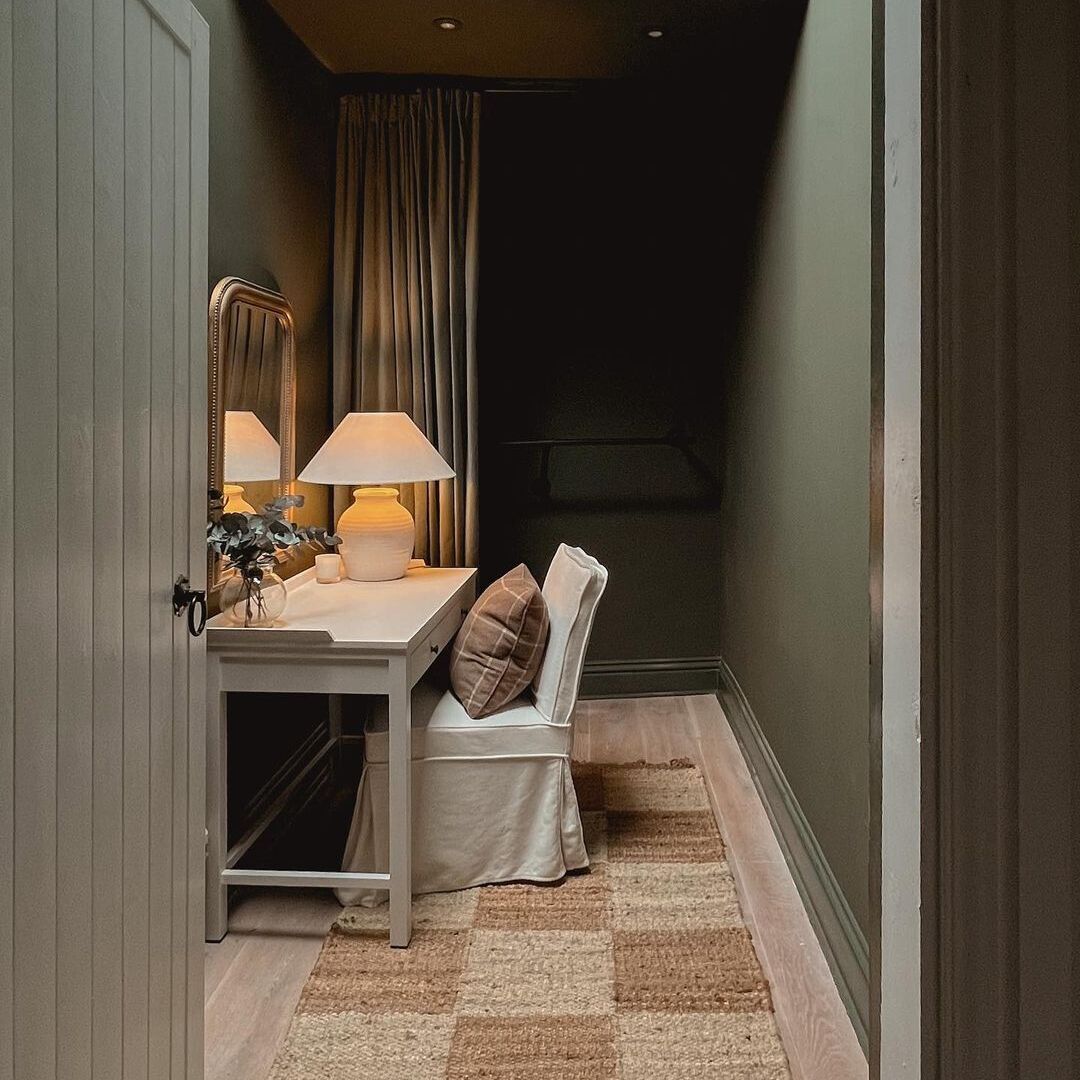
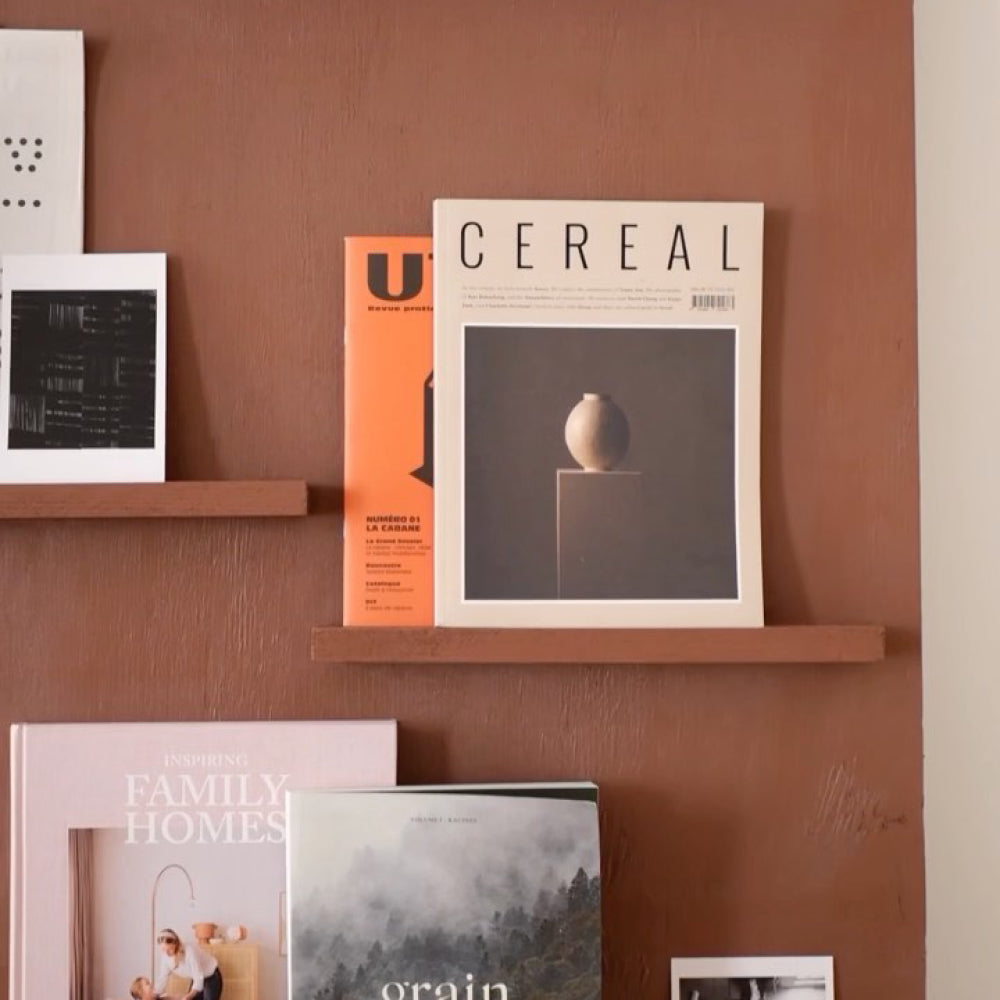
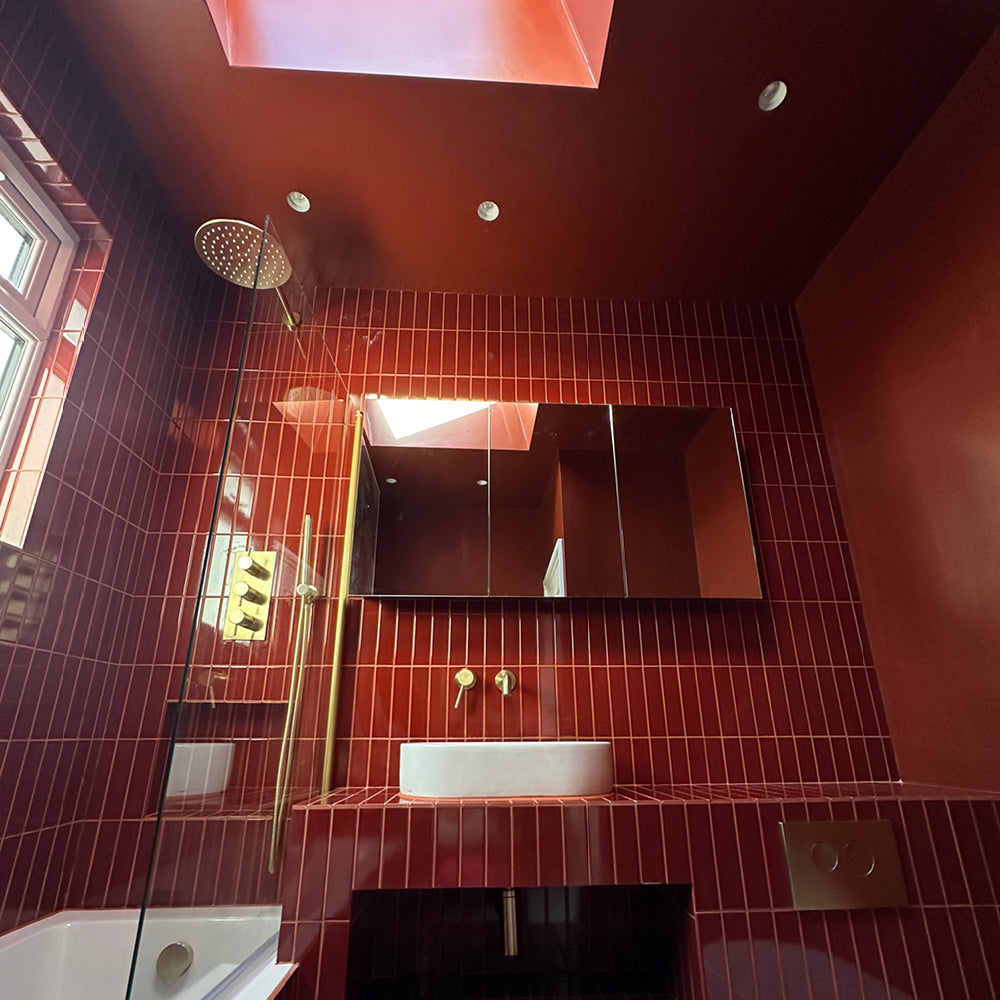
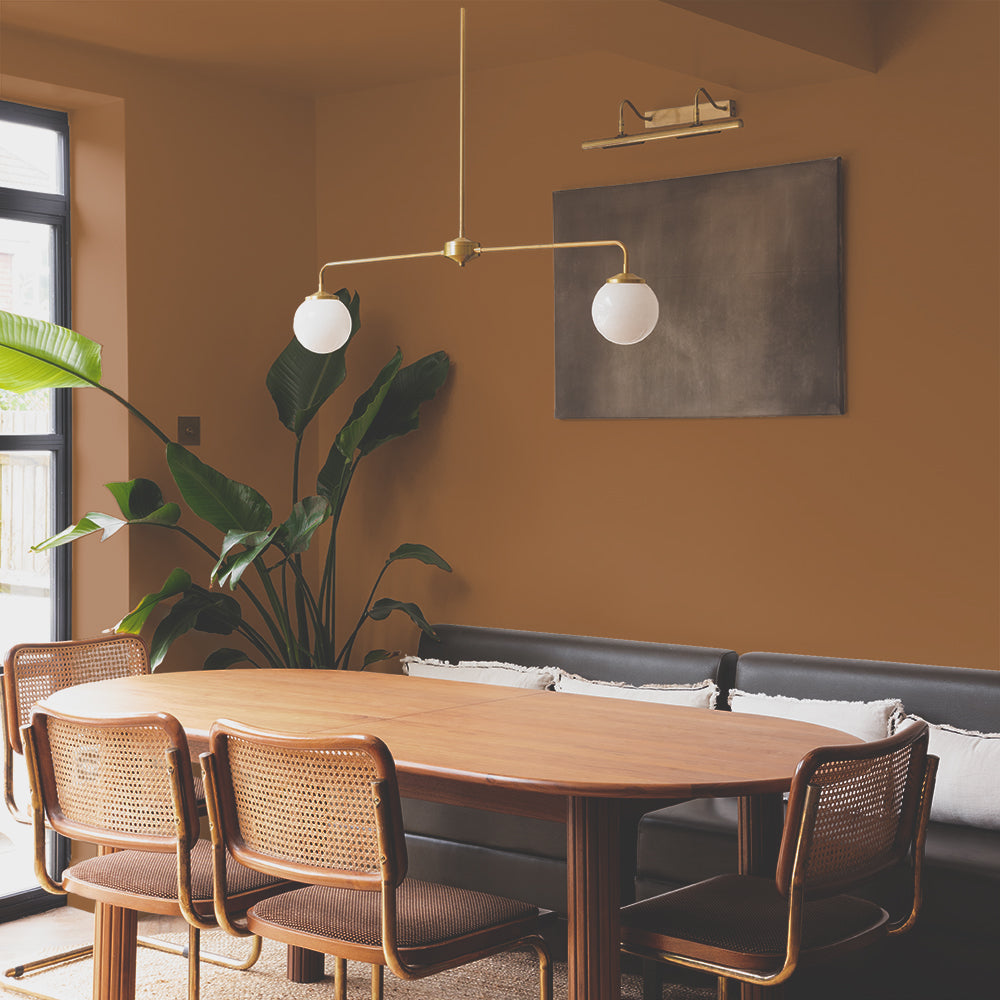
Stopping at the picture rail is one of the most common small-space mistakes. Colour-drenching walls and ceiling in the same shade removes the visual interruption that makes a space feel segmented and smaller. It stops feeling small and starts feeling intentional - which is particularly important when the eye can take in everything more quickly.

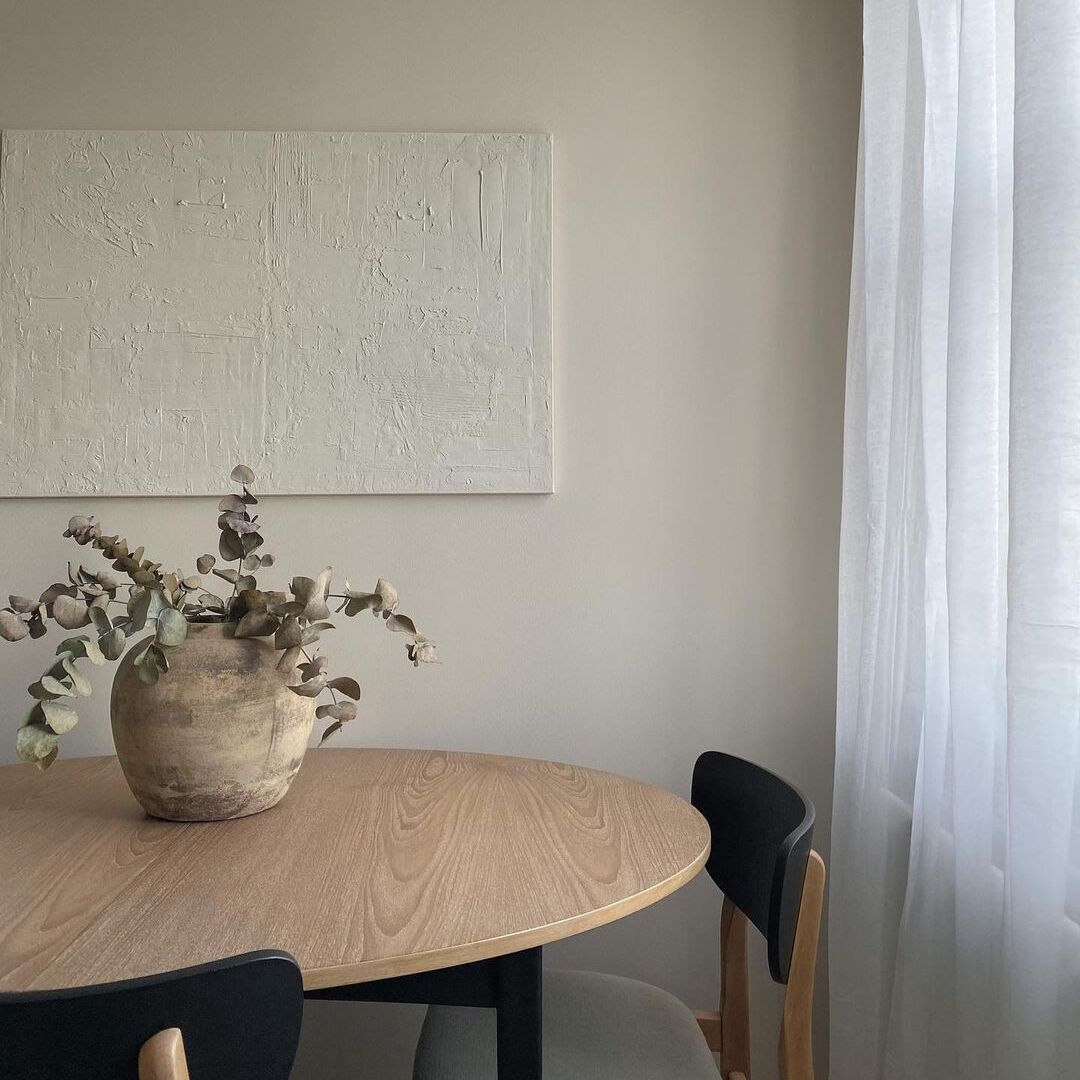
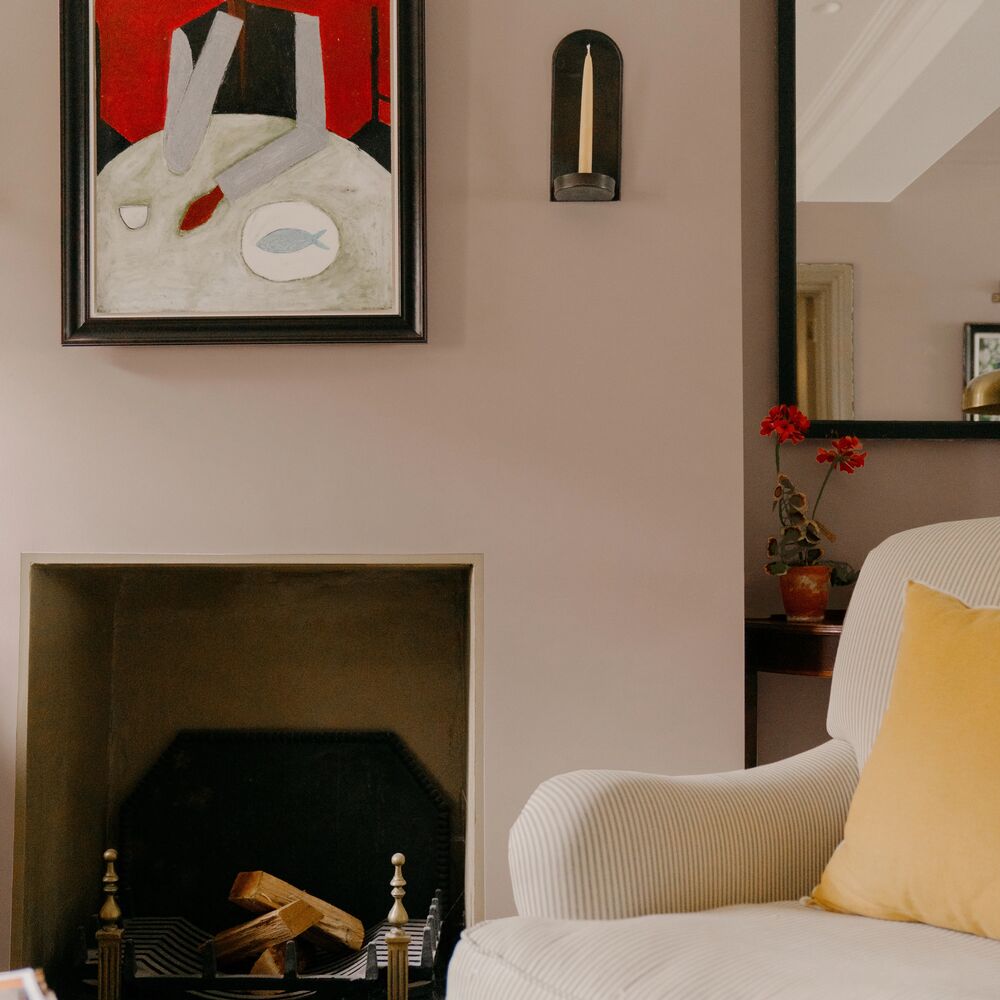
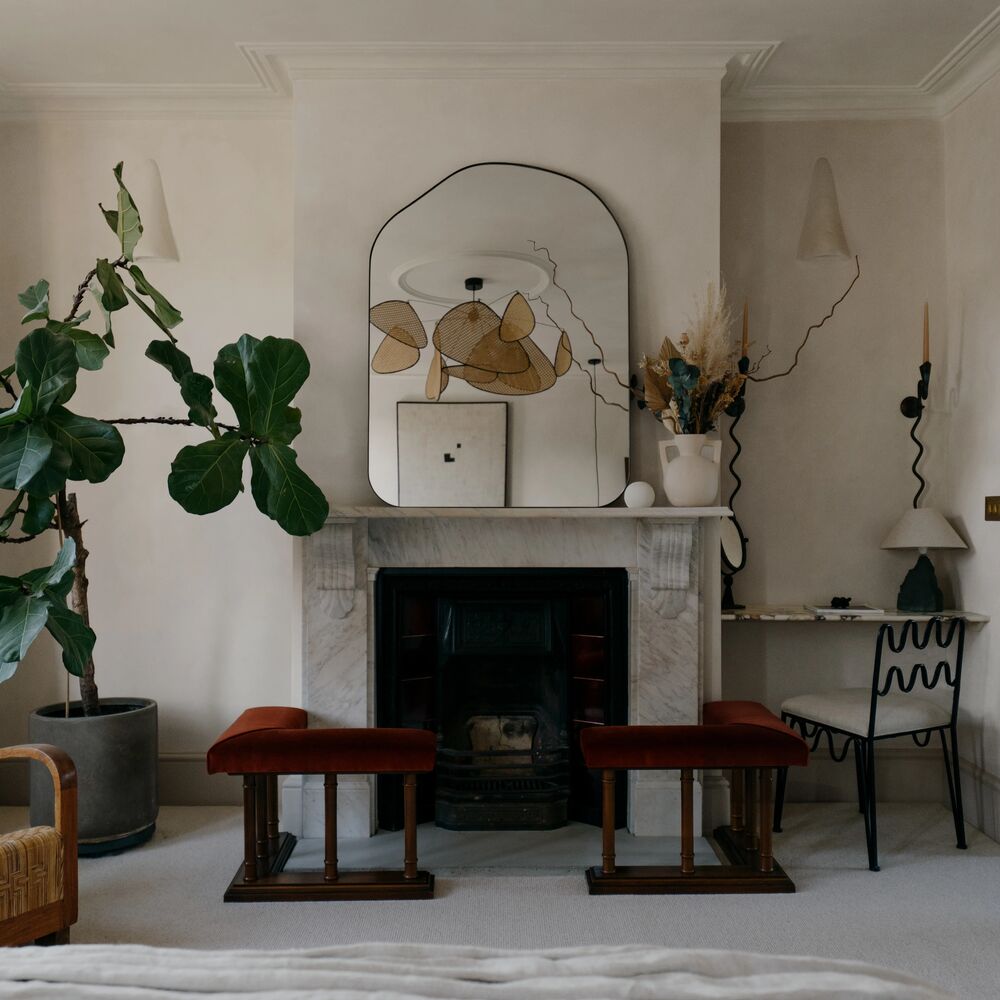
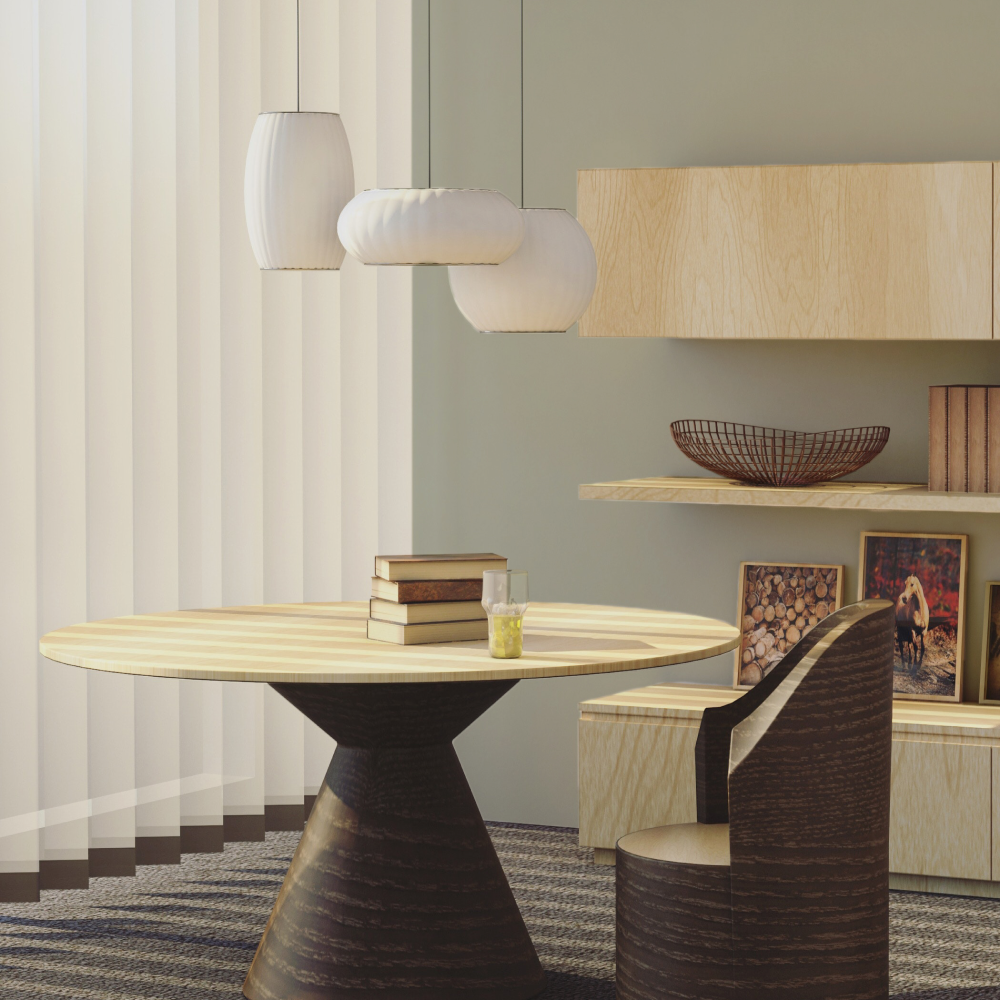
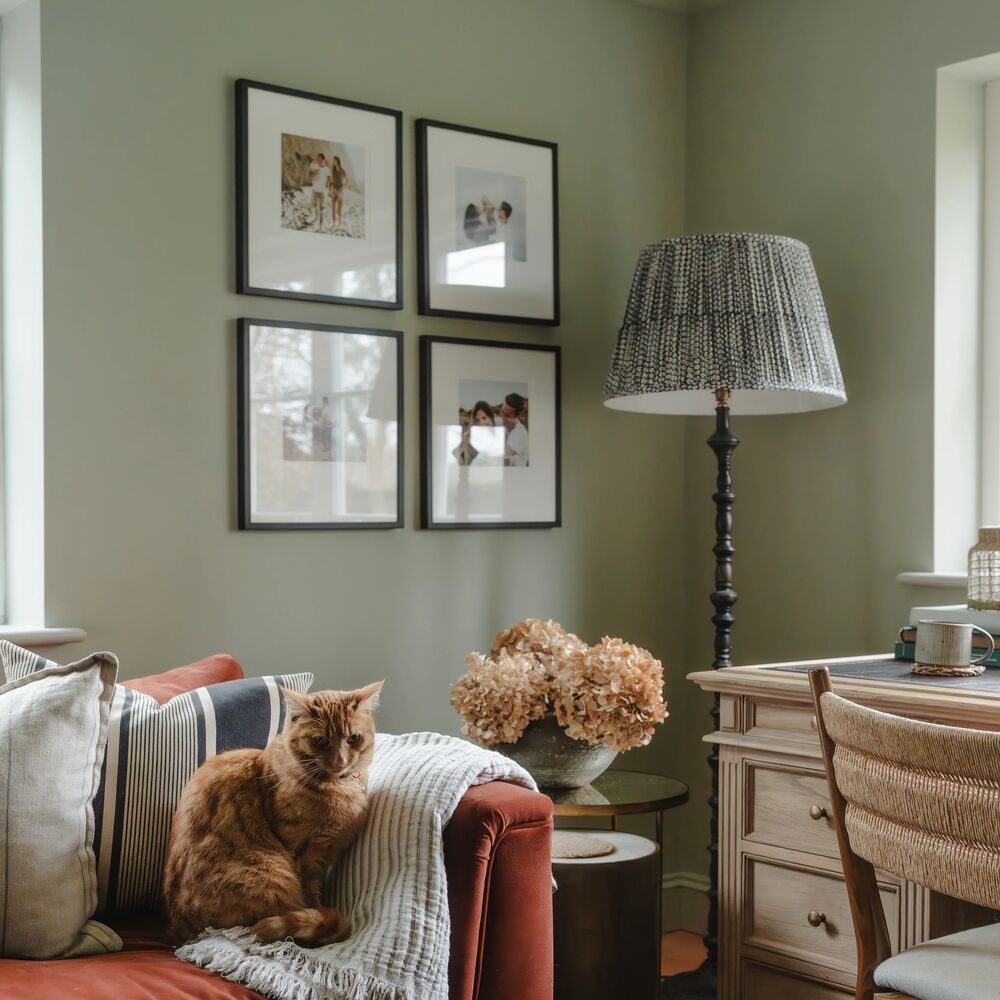
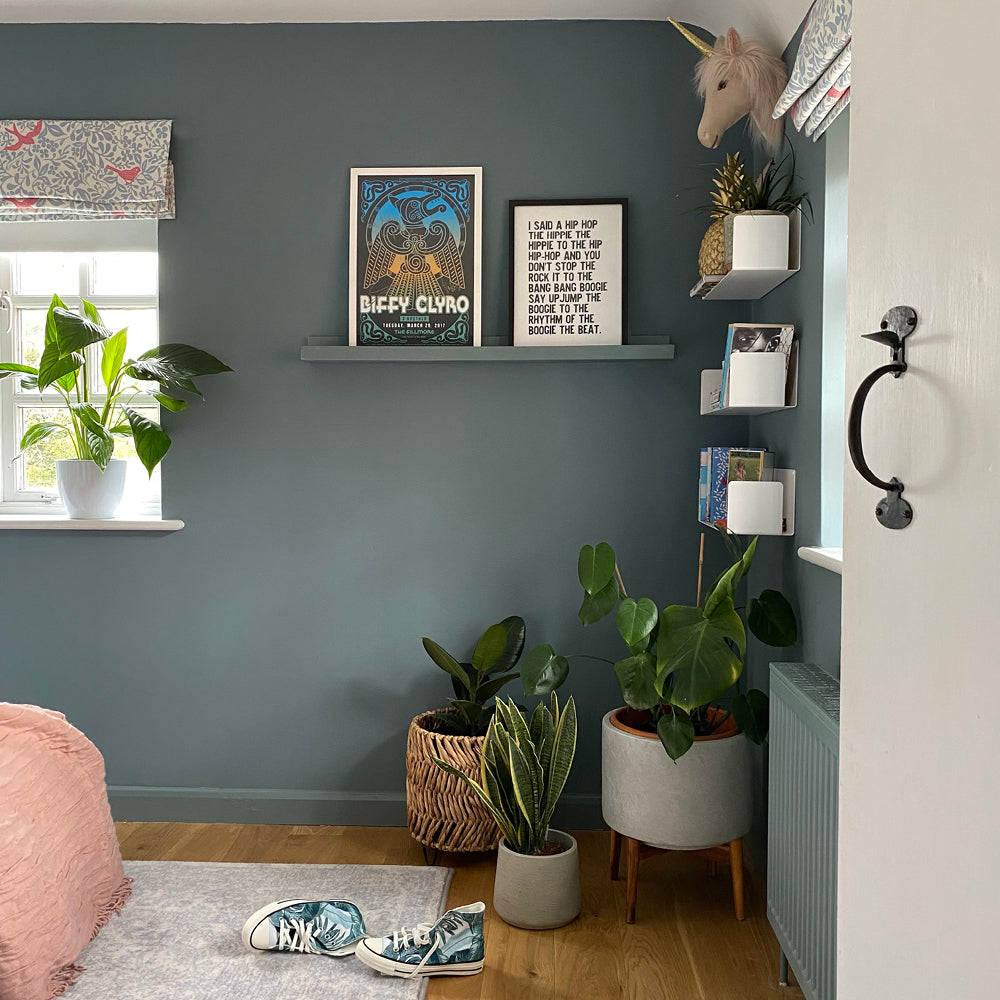
Use the same paint colour on the ceiling as the walls in smaller rooms
Mistake 4: The fear of bold colour
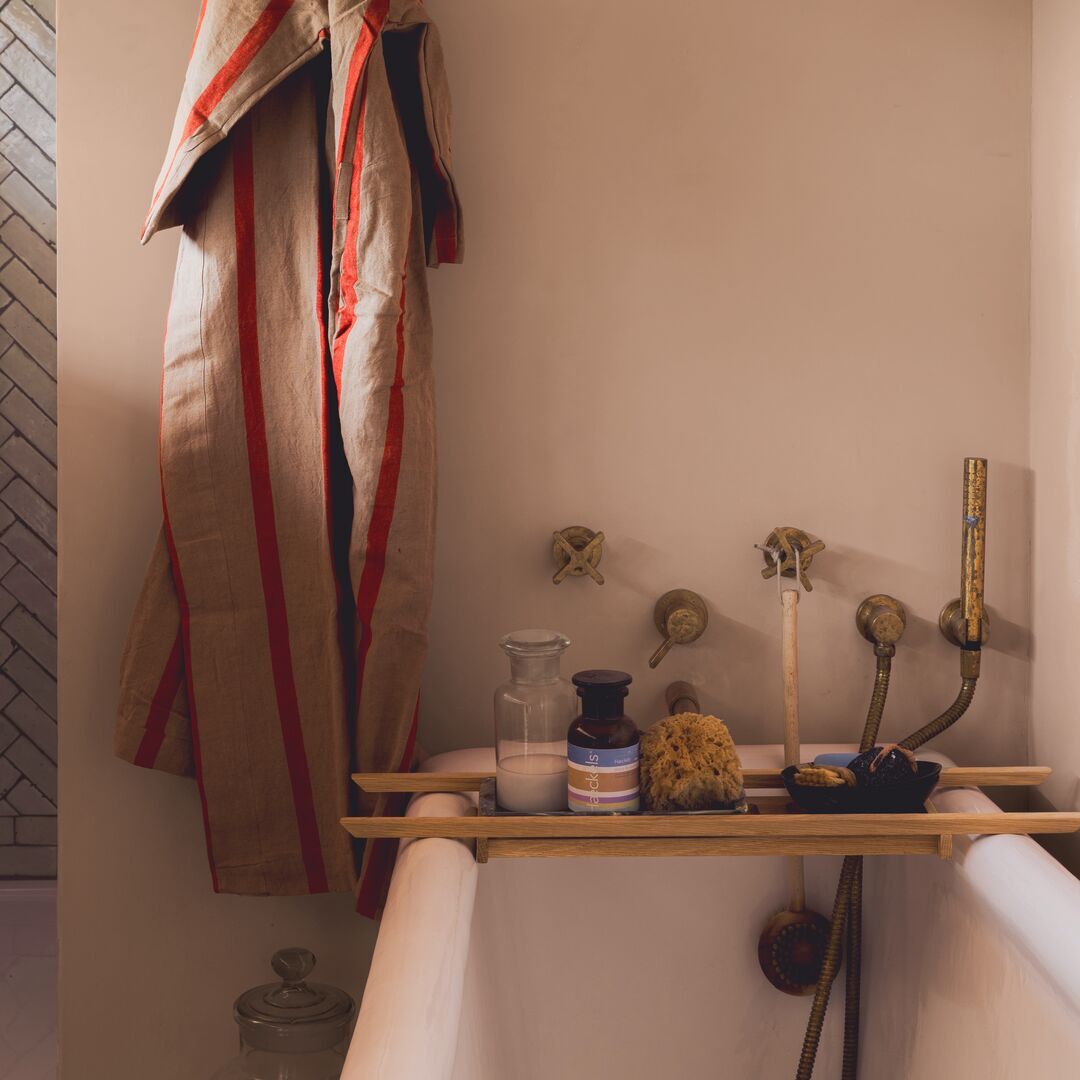
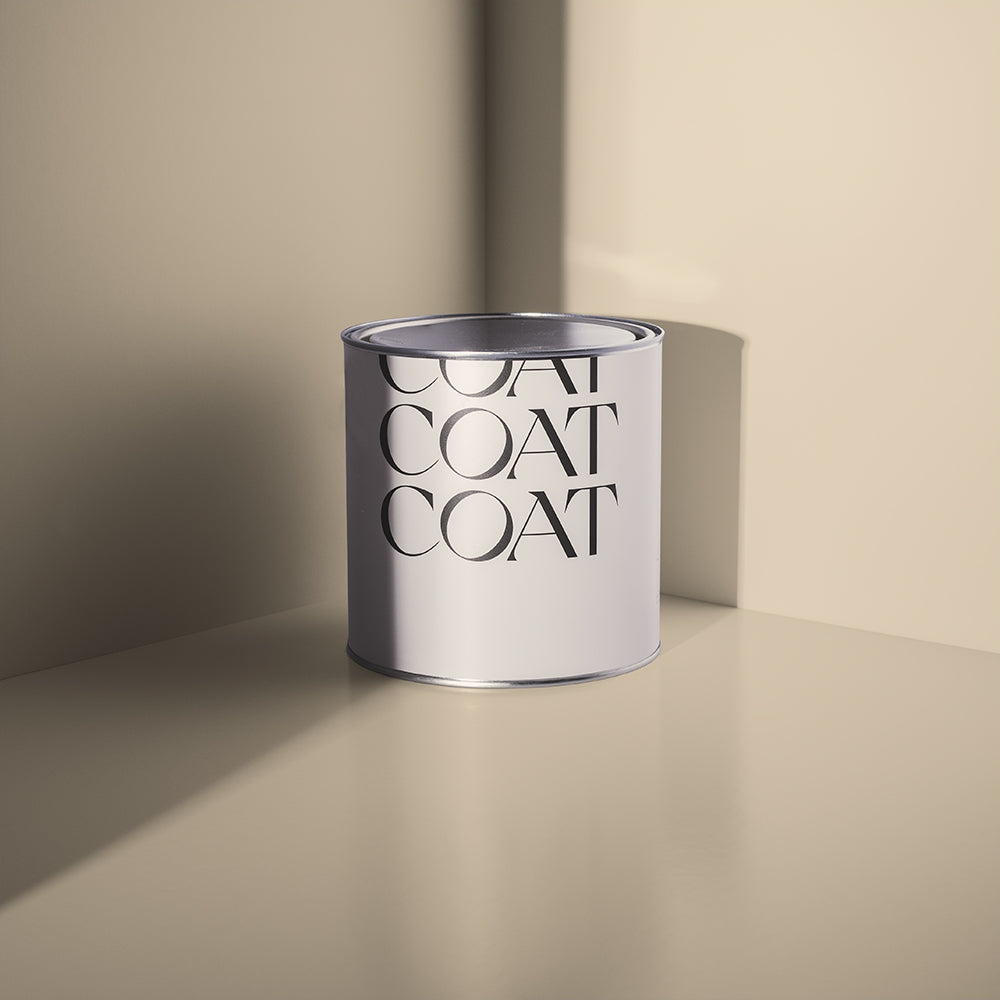
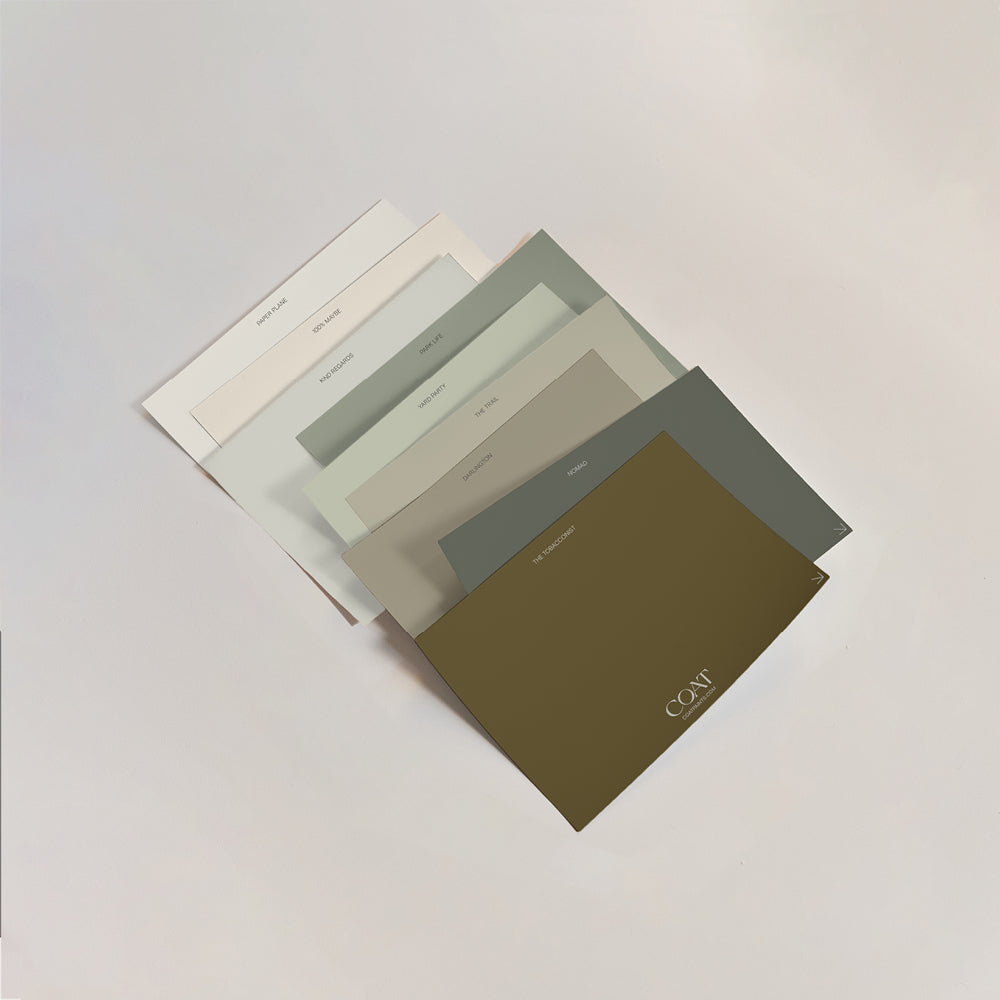
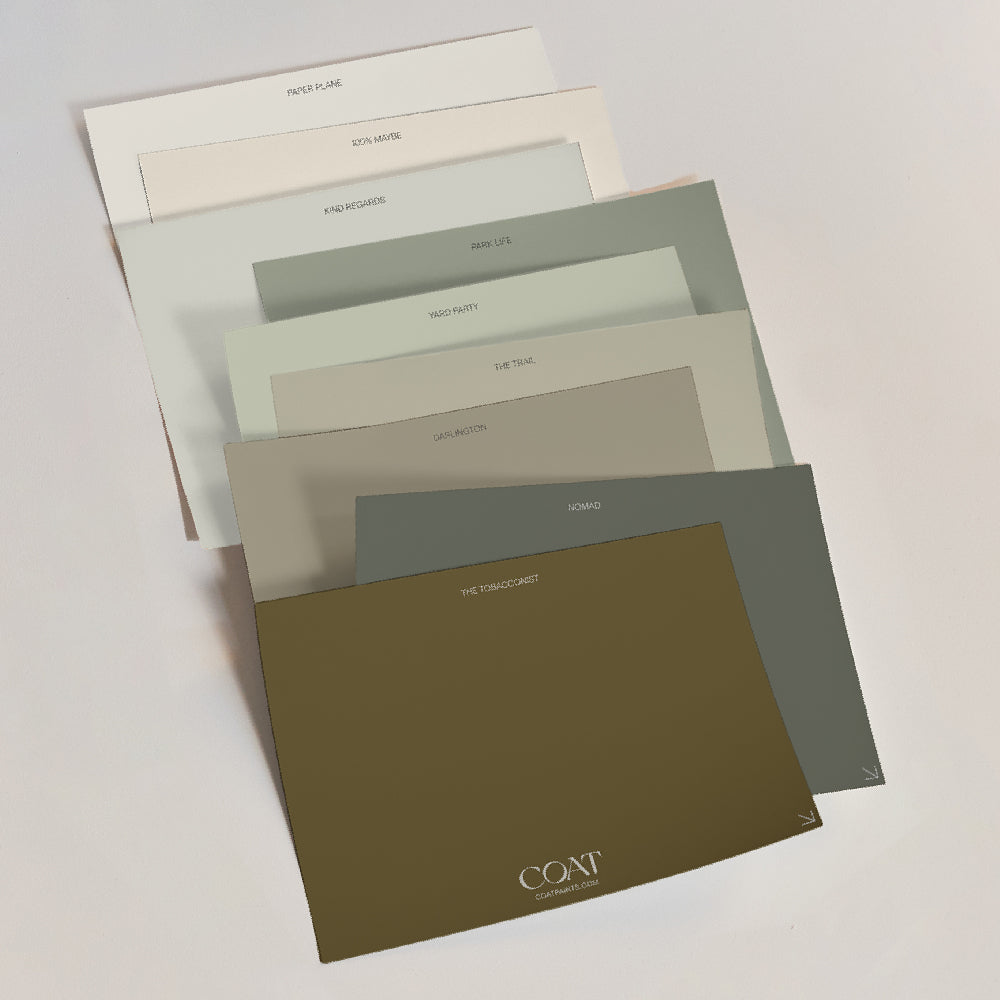
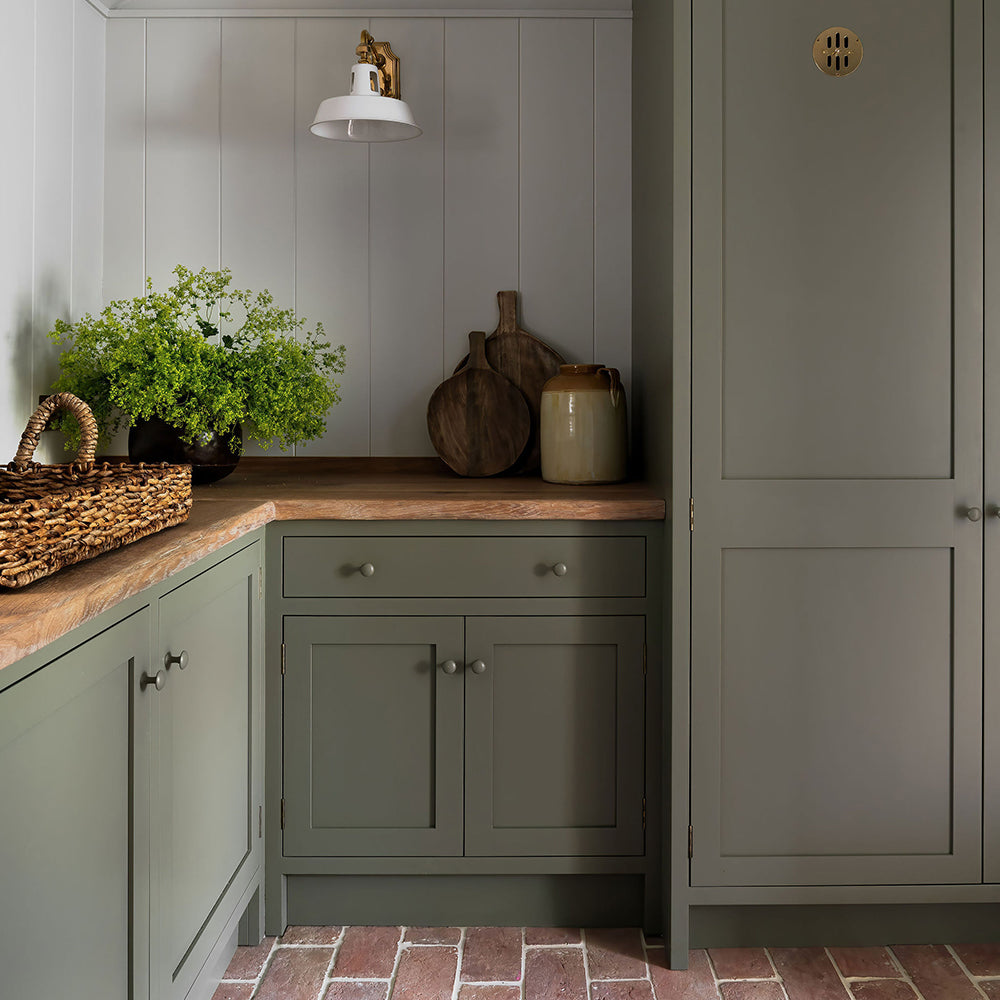
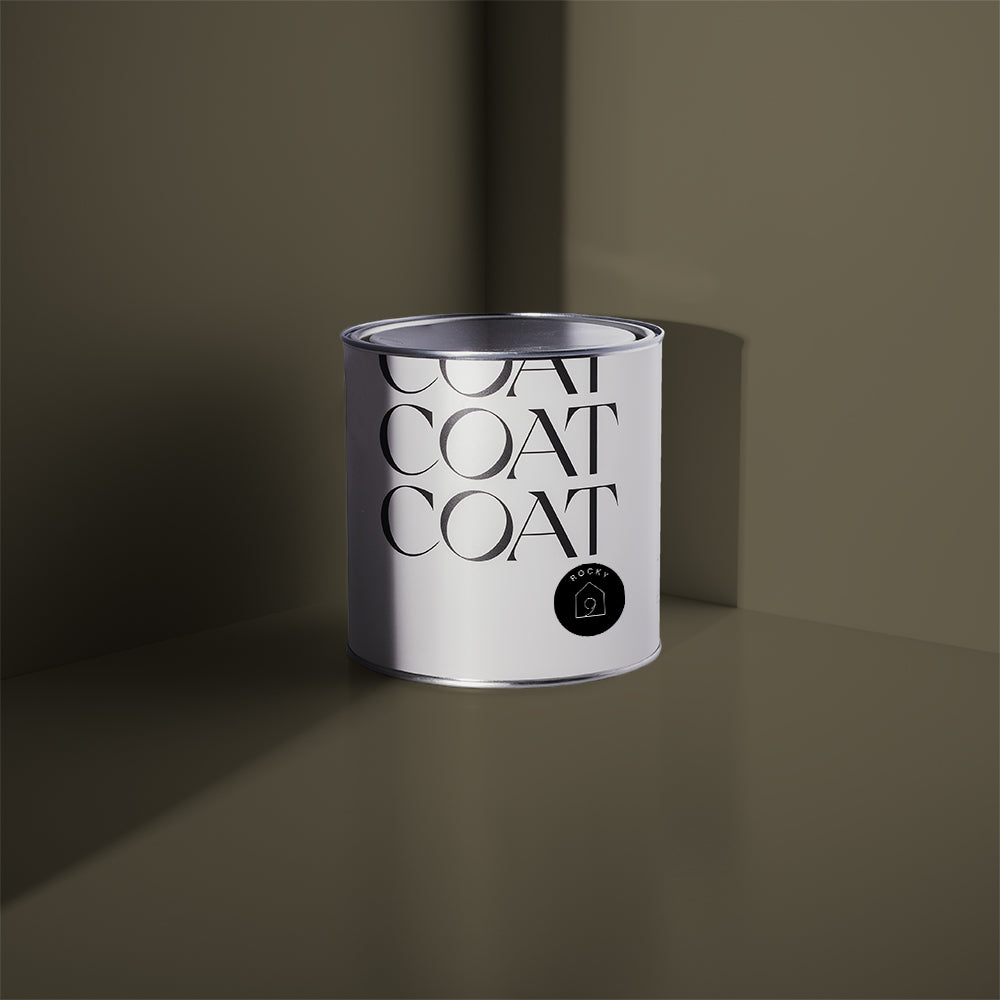
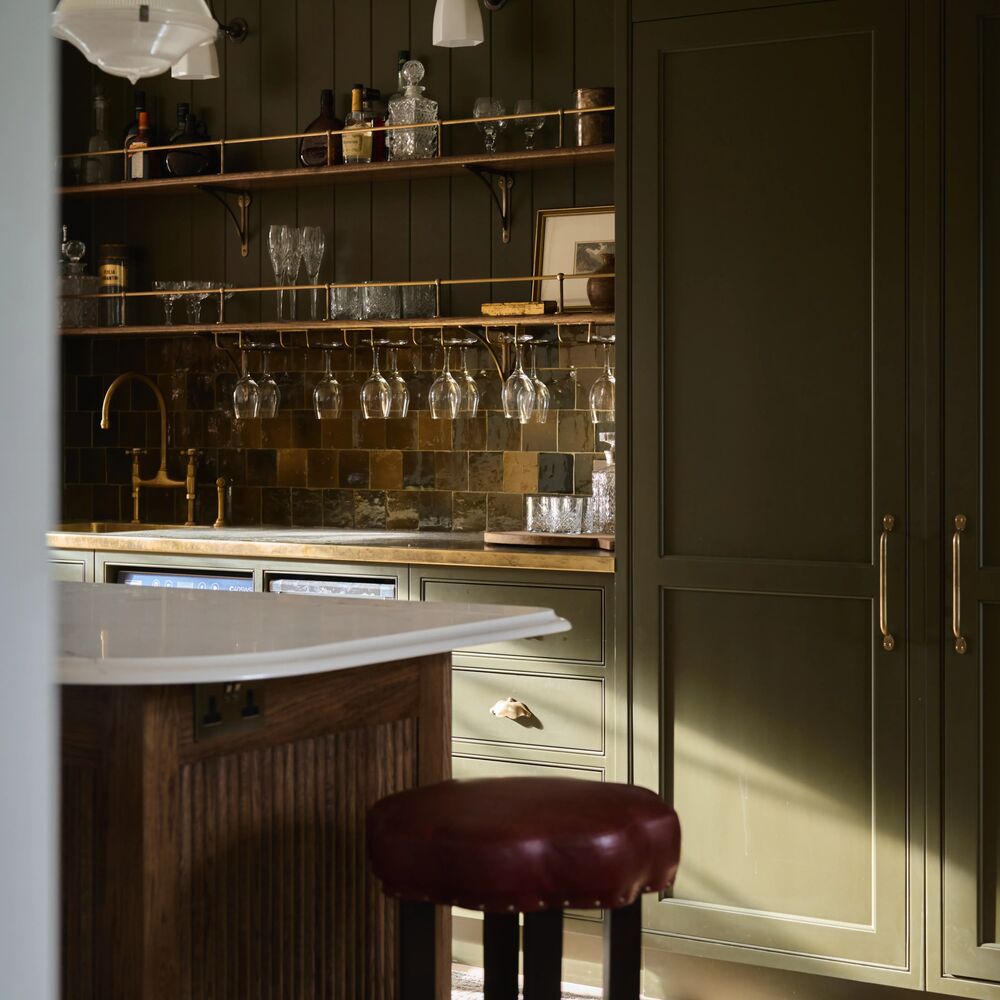
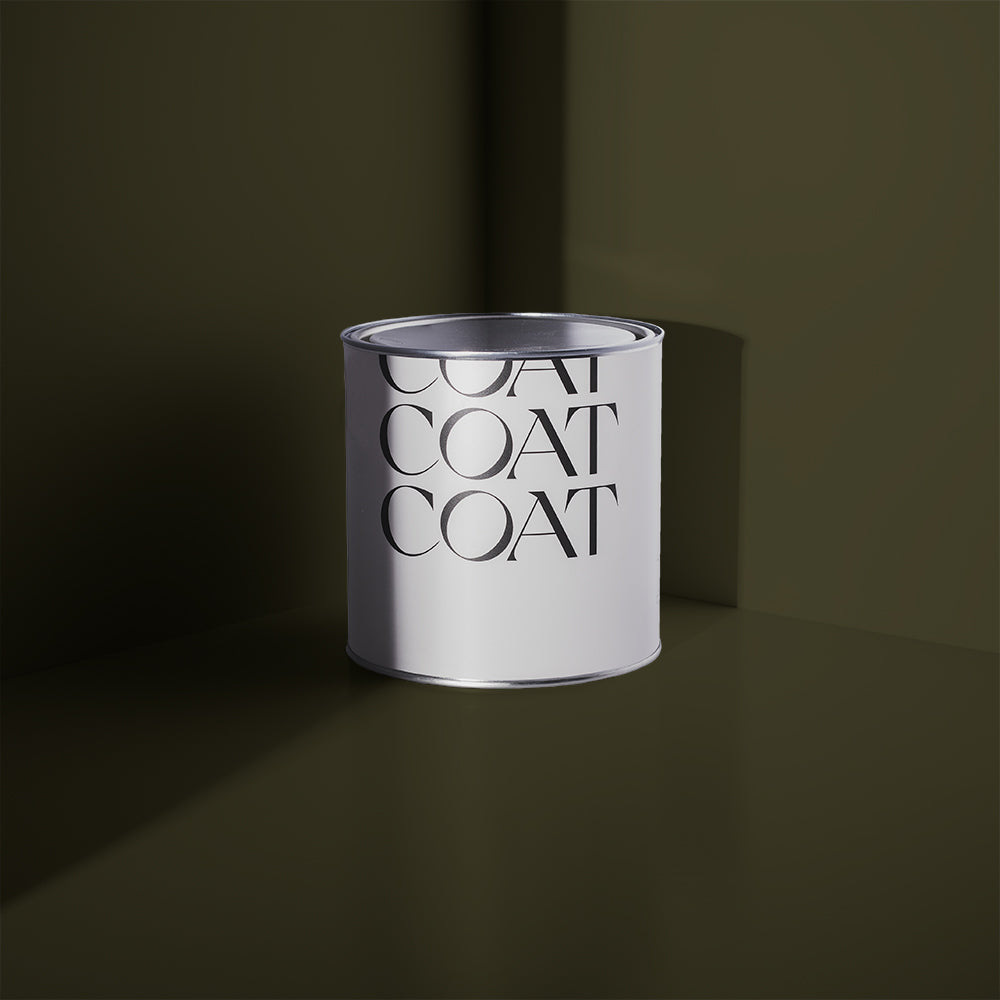
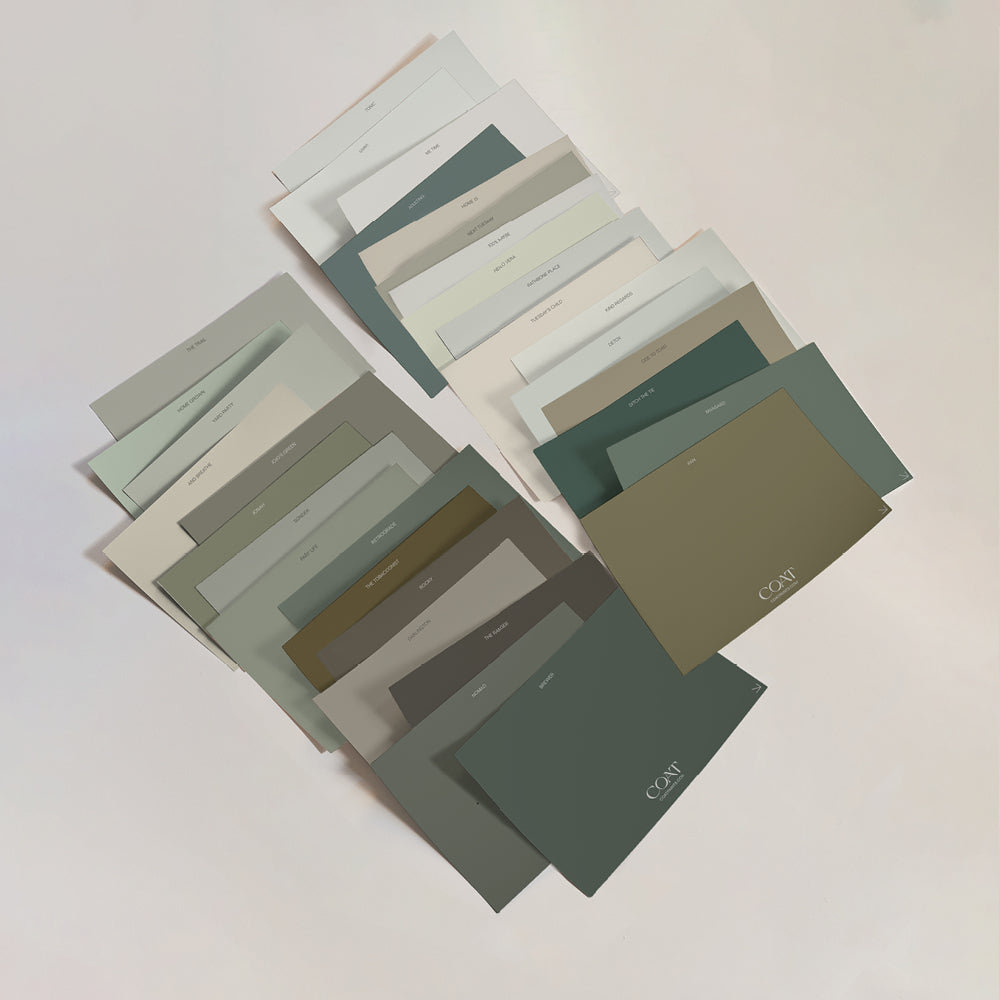
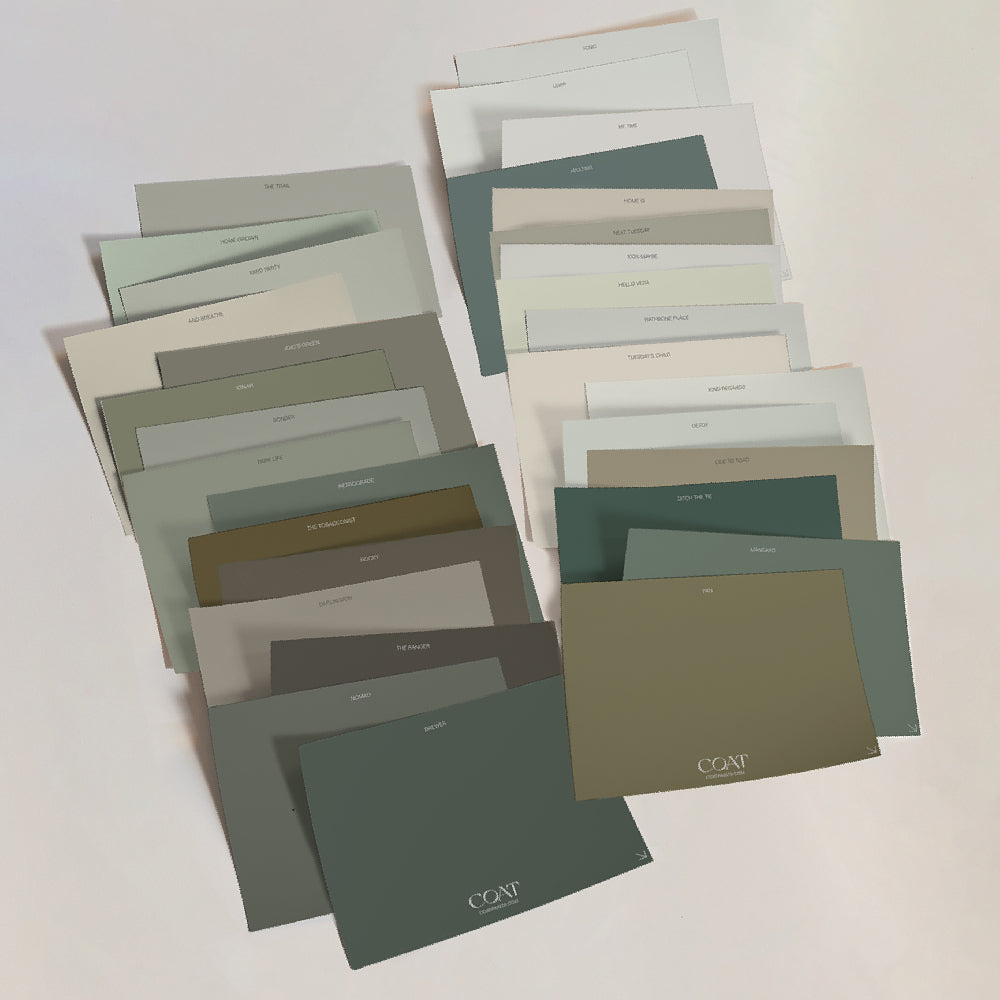
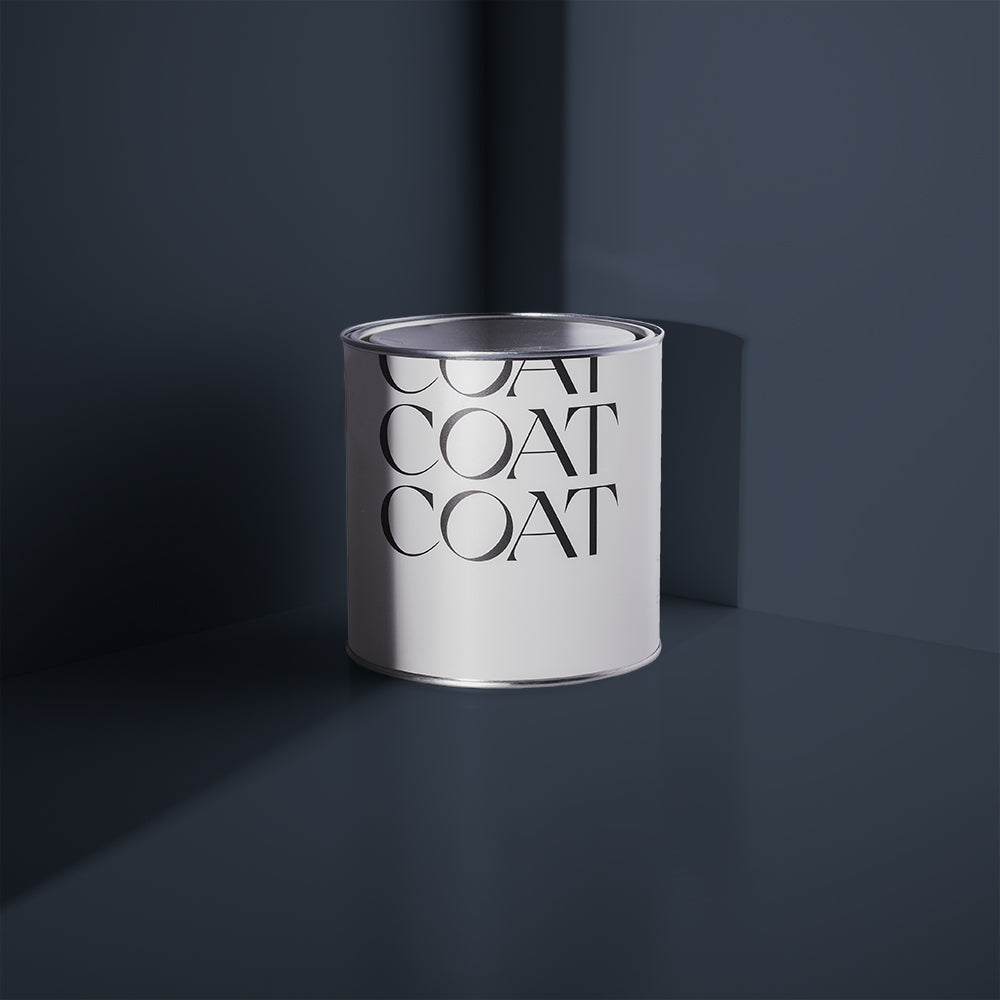
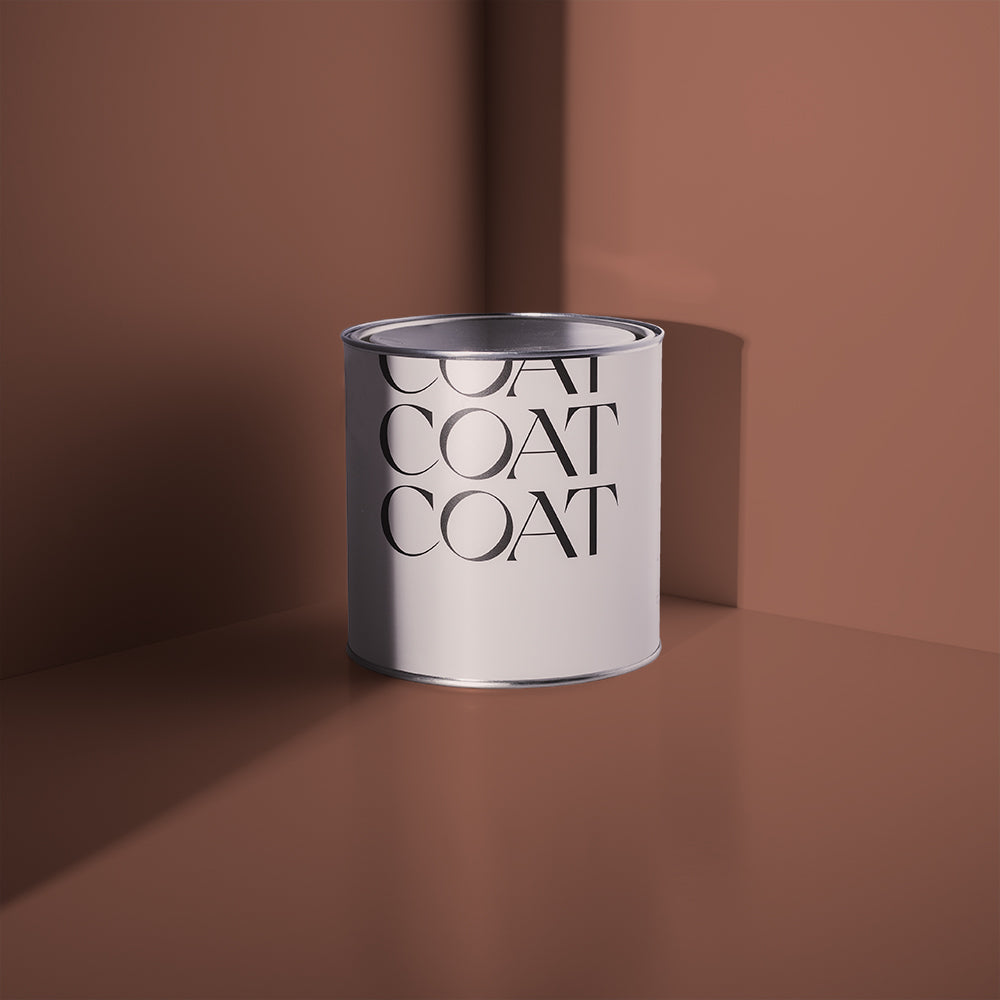
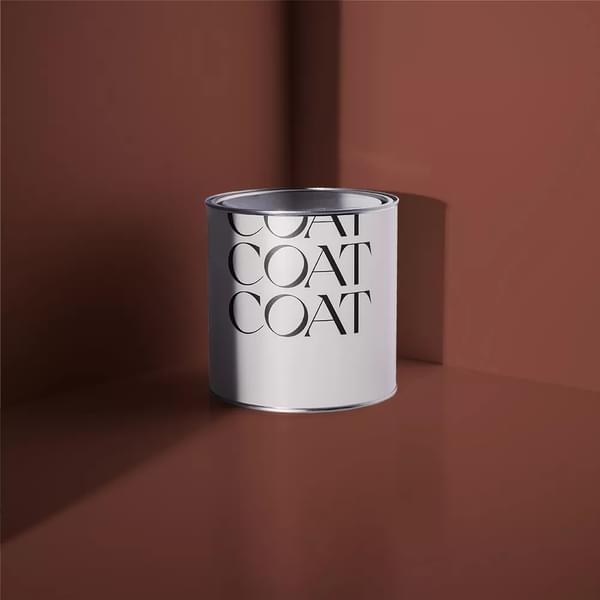
People assume dark colours make a small room feel smaller, but often the opposite is true. Something like The Tobacconist or Sheldon creates atmosphere and draws you in. It's the wishy-washy halfway-house colours that tend to feel most unsatisfying in a small space. So if you’re feeling like the cosy, cave-like vibe is right for your small bedroom, snug or bathroom - we’d be the first to say, embrace it.

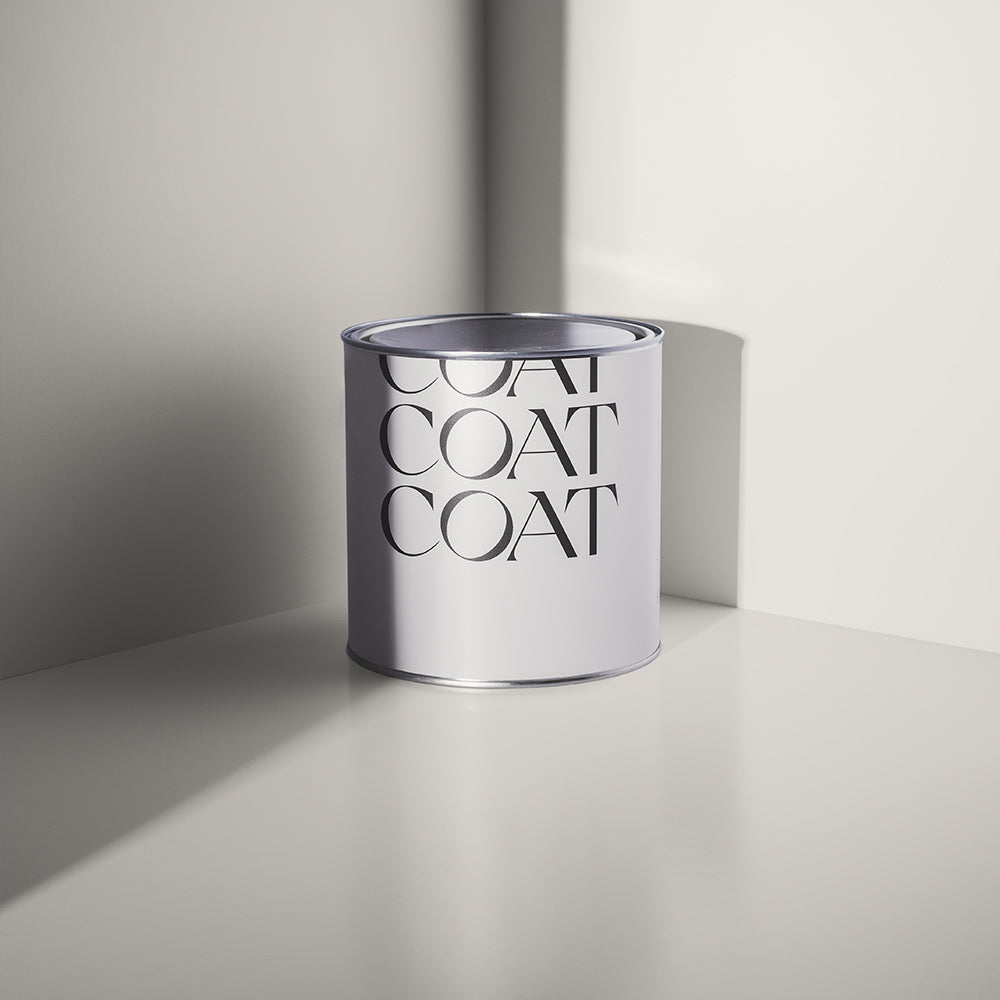
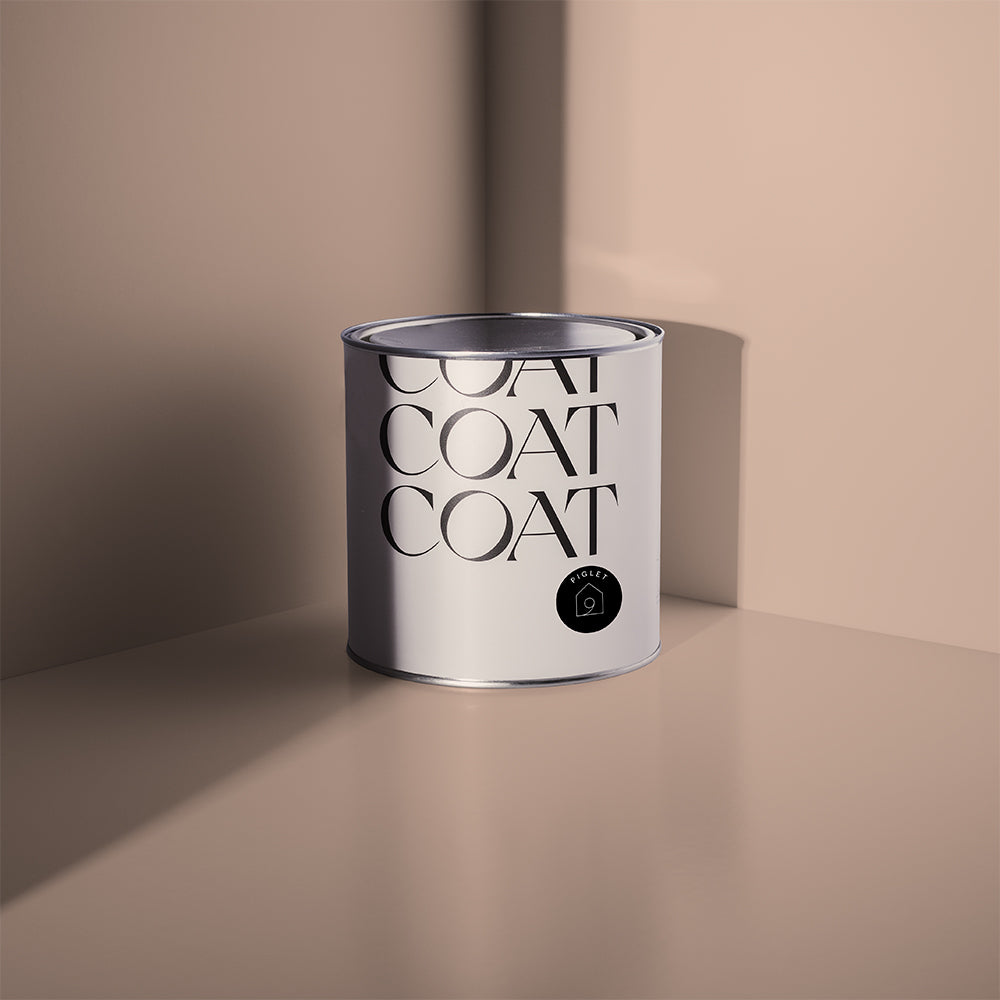
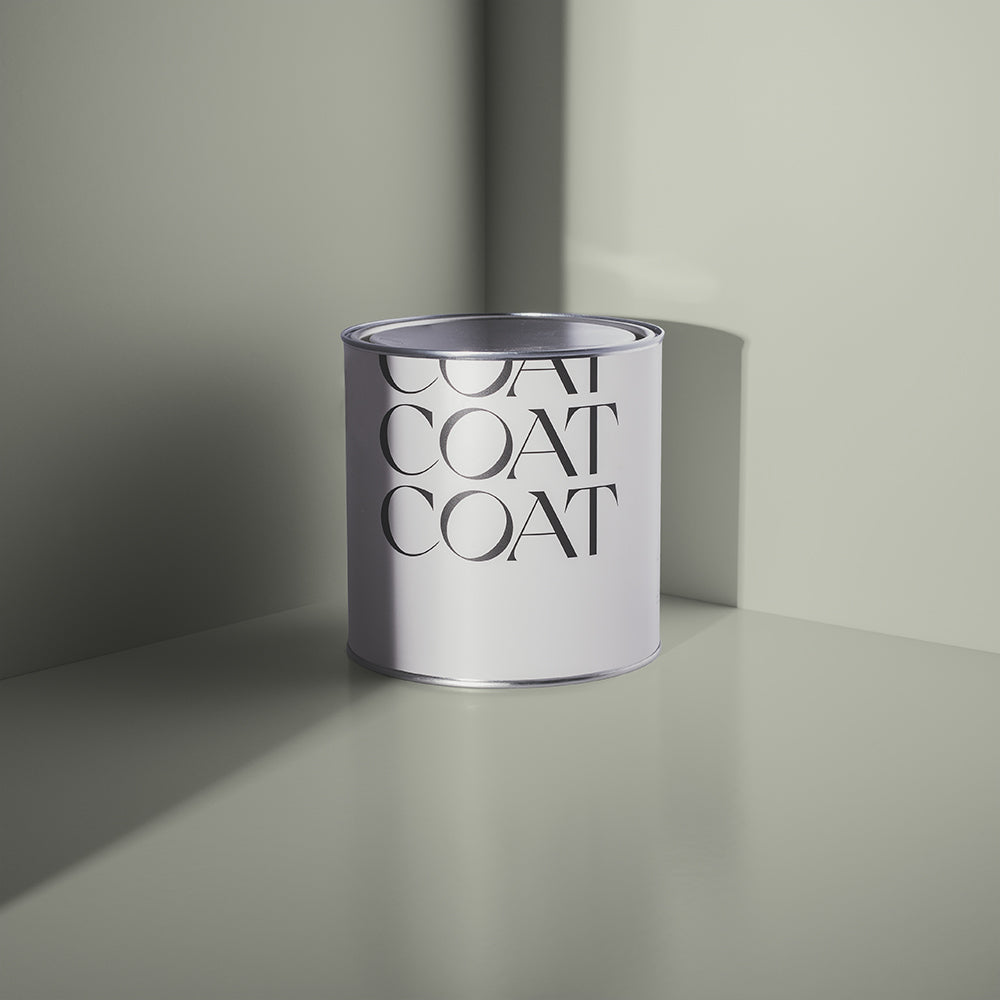
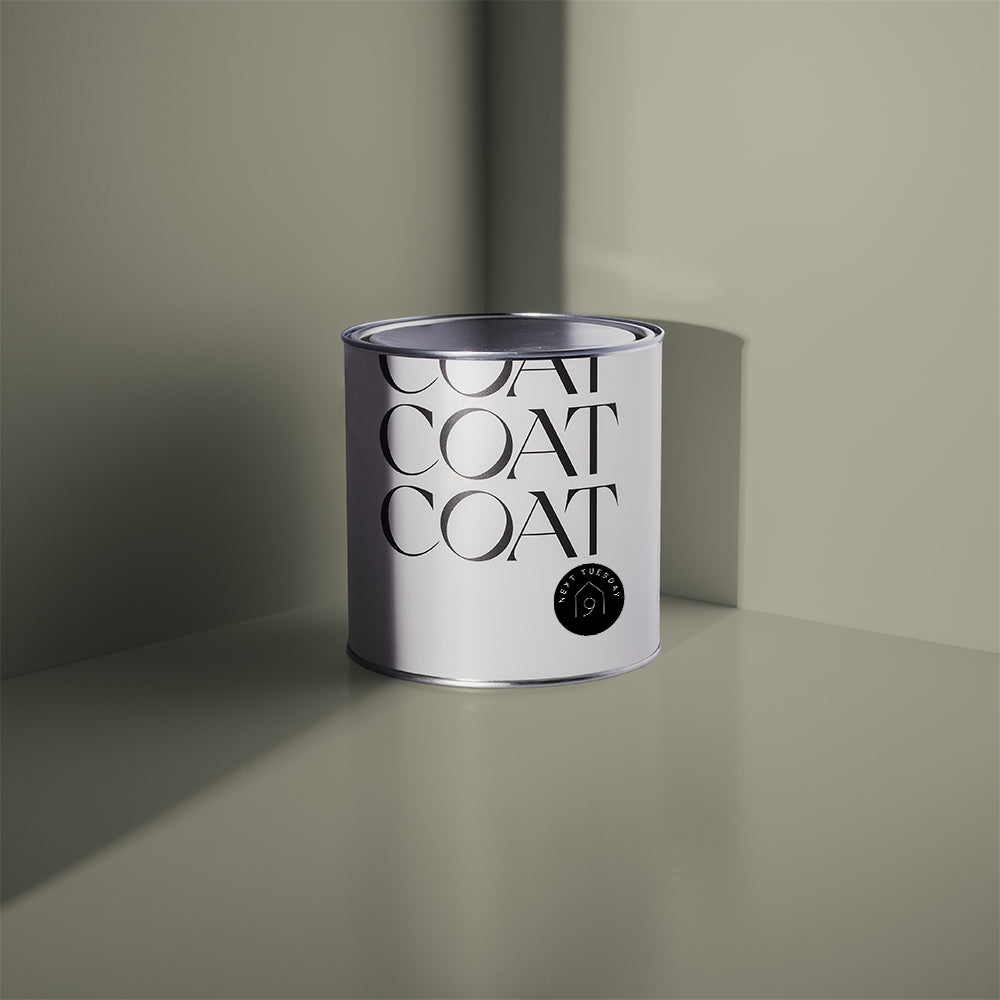
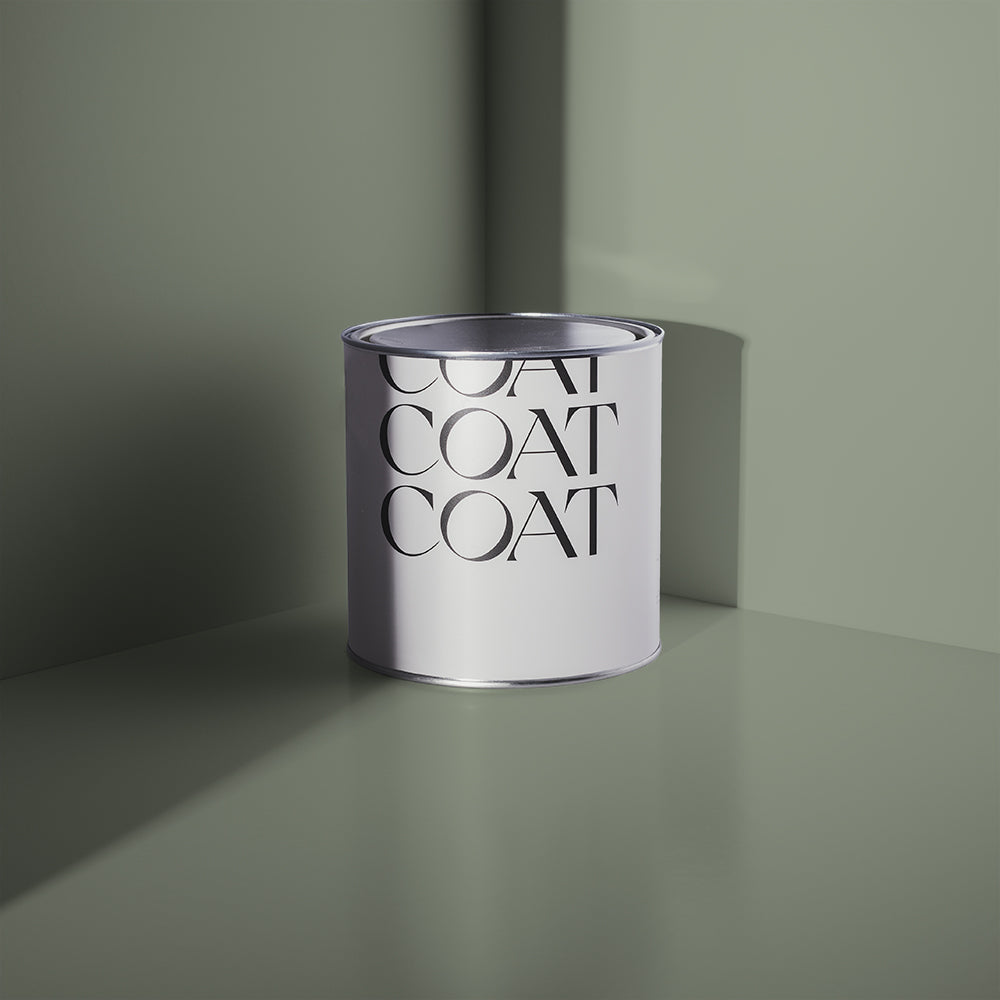
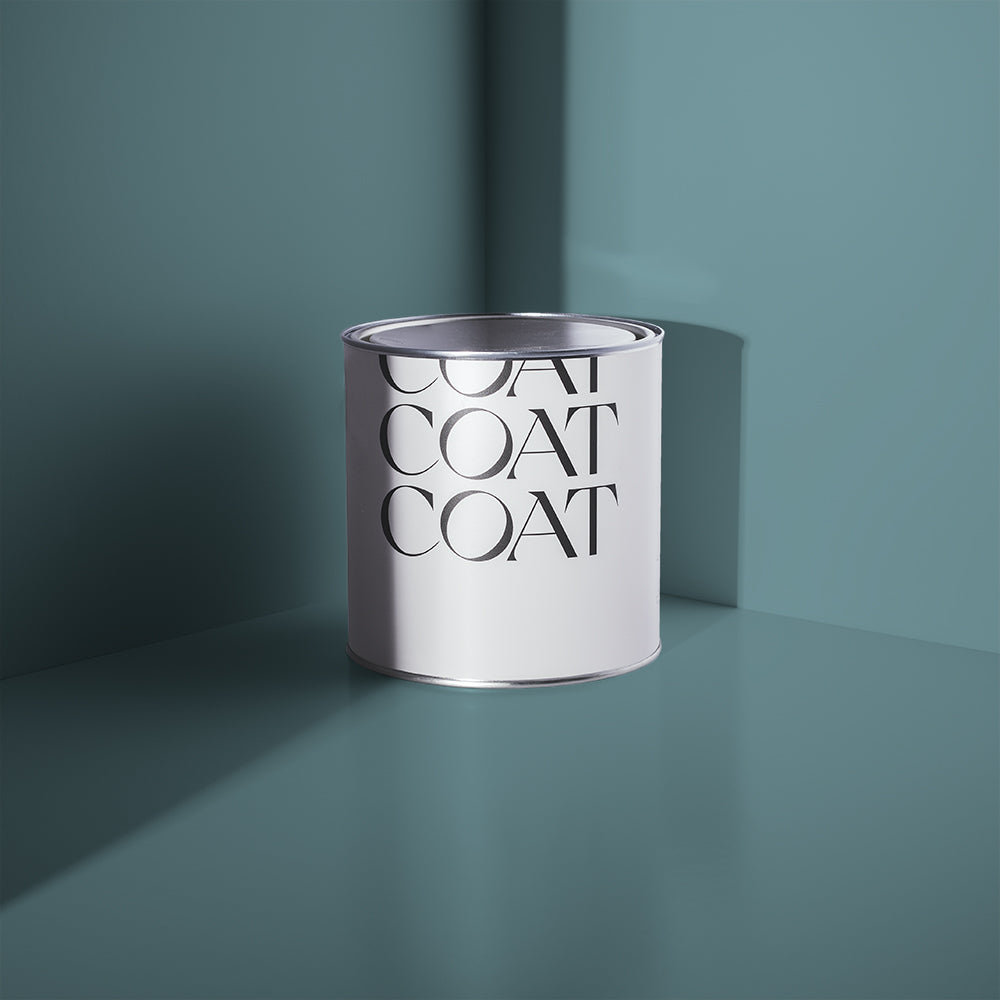
Earthy green shades are perfect for creating cosy small spaces
Frequently Asked Questions
Should I paint the ceiling white in smaller rooms?
No. Avoid brilliant white for sure, as it creates a very visual marker of the room size when you look up. In smaller rooms, it’s better to paint the ceiling the same colour as the walls to remove that distinction and obvious size signal. If that doesn’t feel right, then choose an off-white shade that has the same undertones as your walls - so it blends effortlessly and looks less stark as a contrast.
Should I paint the room white to make it seem bigger?
Not always. Whilst lighter paint shades can maximise the available light through their higher Light Reflectance Values (LRVs) - it doesn’t make much difference if there’s little natural light to begin with. White paint won’t magically make a small, dimly lit room feel bigger - and actually, it can have the opposite effect, making it feel grim. Choose an off-white shade with warm undertones, like a pale beige or taupe shade, so that the room feels warm and deliberate. Alternatively, go for a full colour-drench, and embrace the smaller room to create a cosy sanctuary.
What colours make a room feel bigger?
Lighter paint colours have higher Light Reflectance Values (LRVs) - that is, the degree to which they reflect light, rather than absorb it. So painting a room in a lighter paint shade can maximise the light reflectance in the room, helping it to feel spacious. On the other hand, darker paint colours absorb light, having lower LRVs, which can take light out of the room.
Publish Date
Author