How To Use Gloss On Kitchen Cabinets
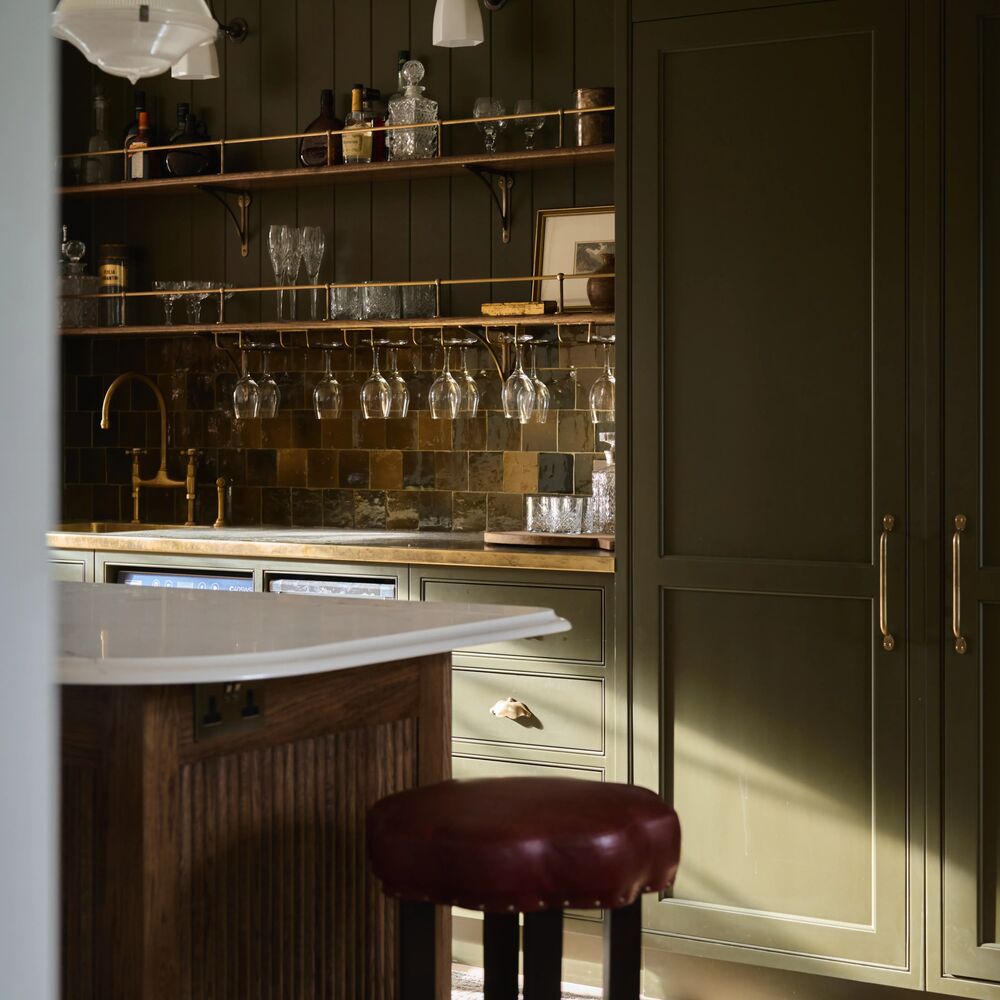
A gloss finish can either look super premium, or quite shabby. If surfaces are prepared well, and the paint is applied very systematically, you can get a super reflective surface that bounces light around and adds real drama and interest - particularly when using darker paint colours. If you use a high-quality gloss paint, it's also a very hard and durable surface long term. But if applied poorly or with improper prep, the gloss finish can draw attention to imperfections, and look visibly patchy or streaky. Quite the opposite of the luxe finish you’d want.

So the first thing to get right is the prep. If you’ve got brand new cabinets, then happy days - you should have a smooth base to work with. If not, you’ll want to invest real time in cleaning and sanding the cabinets. The initial sand should be with a 120-150 grit sandpaper, to remove minor imperfections but not create scratches. Then, go for a 220 grit sandpaper for round two, which will create the smooth surface before the paint. Then with gloss, it’s recommended to lightly sand between primer and paint coats, to get rid of dust nibs and level tiny imperfections (use a 320 grit minimum sandpaper for this). You’ll want to do this interim sanding between coats whether the cabinets are new, or not. A high gloss finish is so incredibly sensitive to imperfections once complete, as the light will catch every single one and draw the eye. So this prep might seem a lot, but it’s the difference between that high-end mirror-like finish and a clumsy looking one.
A second, but equally critical thing to get right, is the choice of paint. Choose a high-quality gloss paint - it’s worth paying more for premium brands that use high-grade binders in the paint. Binders are the expensive ingredient that ensures good ‘levelling’ - the degree to which the paint lies completely flat to the surface - and so smoothness of the final finish. A good gloss paint also has a long ‘open time’ - which is decorator speak for ‘it stays wet for longer’ - particularly when compared to regular emulsion paints which are often designed for quick-drying. With gloss, you don’t want quick-drying - you want the paint to stay open (wet) for long enough to smooth itself out, and for application marks to melt away.

Lastly, how you apply the paint itself makes a huge difference to the end result. Start with a good bonding primer, ideally a shellac-based one for maximum adhesion and for creating a smooth, hard base. Apply with a foam roller, or a sprayer if you can. The same is true for the topcoat, where a high-quality gloss paint applied with a sprayer is your ultimate combo for a smooth, glass-like finish. If you can’t use a sprayer, then a foam roller and a medium-soft brush are fine. Because gloss paint stays wet for longer, it’s also more likely to drip, so apply 3-4 very thin layers and watch carefully as you go to brush out any drips when wet. If you miss some, that’s where the light sanding between coats comes in - but better to avoid drips entirely if you can.
In truth, it’s a lot of work to get a gloss finish that looks high-end - and it’s not very DIY friendly either, with plenty of areas to trip up that can ruin the finish. If cabinets are new, and you can get them sprayed by a professional then that’s the most surefire way to perfect results. But if you’re keen to paint with gloss yourself, then consider the big time investment part of the process.

Also, without meaning to sound too doom and gloom on gloss paints - a gloss finish is not very forgiving of daily life. Every oily fingerprint, smudge of food, scratch or even dust will show up - especially on darker colours. In a kitchen where cabinets get heavy use, you’re trading style for practicality in quite a big way. For some, that novelty may wear off pretty quickly when you’re forever cleaning up or staring at marks.
I would avoid oil-based gloss paints where possible, too. Some decorating professionals would argue that these older products can deliver a smoother finish, mainly because they stay open (wet) longer than water-based versions. But modern water-based gloss products are much better for our health, with lower VOCs and minimal odour. They also ‘yellow’ less over time - which is a characteristic of oil-based gloss paints in lighter colours that you really don’t want after all that prep and painting effort.
Desperate To Use Gloss On Walls?
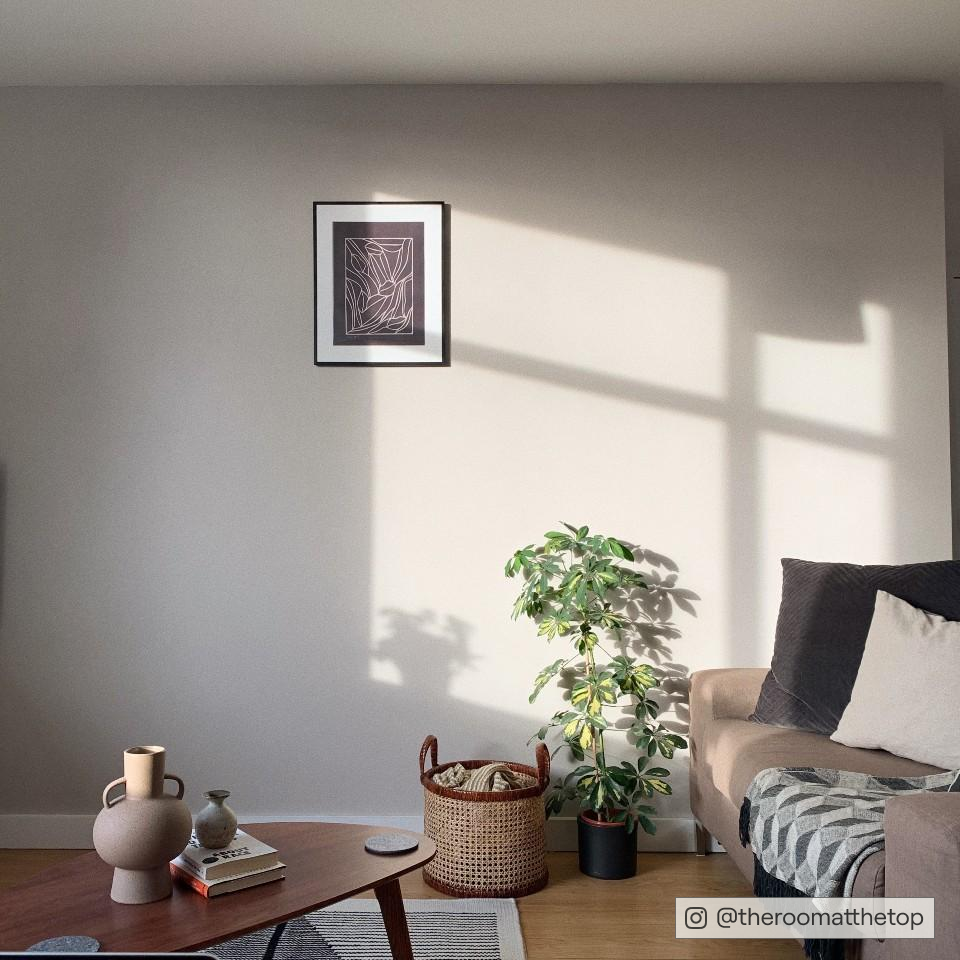
If someone was desperate to use gloss paint on their walls, I’d first try to talk them out of it. In homes, we’re generally aiming to create inviting, softer spaces that feel naturally comforting. Highly reflective surfaces, like gloss painted walls, seem immediately harsh because they bounce light around aggressively. Matt paint finishes are generally more popular in homes because they absorb light, and soften the edge of the room, to make it feel more inviting.
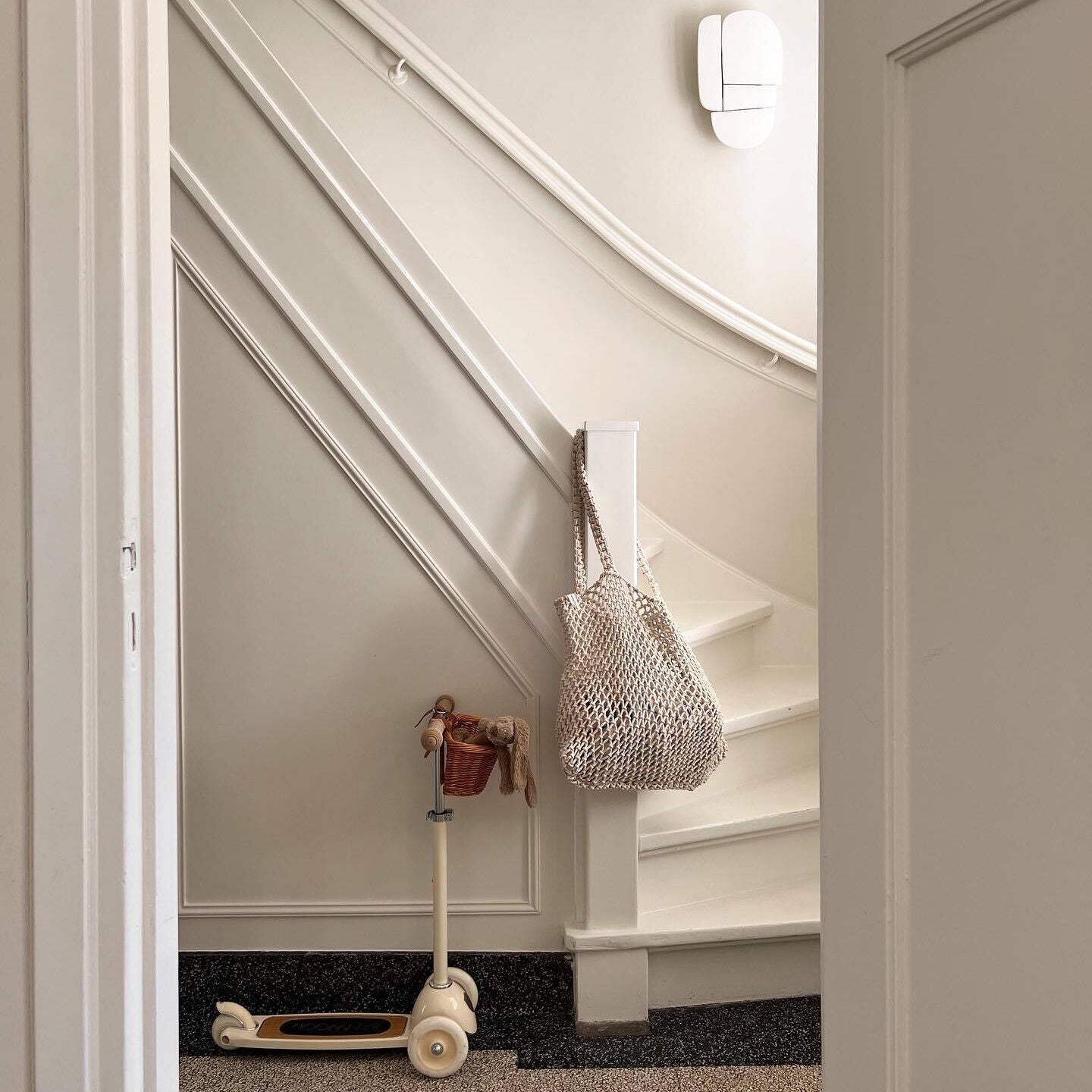
A compromise could be to use gloss to create visual contrast, and actually highlight the softer matt paint finish. For example, use high gloss on doors, architrave and trim. This difference in sheen creates a layered effect, and particularly when it’s done using the same colour it feels incredibly chic and expensive.
If someone was super insistent on using gloss paint at home, I’d suggest starting with a smaller space like a study, boot room, or even a downstairs loo. These aren’t spaces we design to relax in, and so you can experiment with a gloss finish in some brave colours to have some fun. I’d suggest staying away from gloss painted living rooms or bedrooms, where the core function is relaxation. Nobody wants to see their TV or phone light reflectedon every wall at night.

What Surfaces Is Gloss Good For? Why?
Gloss is only good for really, really smooth surfaces. Brand new doors and skirting or architraves can take it really well, and look high-end. The same is true of brand new cabinetry. Unlike matt finishes, gloss will actively highlight every lump, bump, scratch or imperfection - so it can be really difficult to get a good smooth base surface when you’re painting over layers of existing paint and brush marks. MDF can actually work really well with gloss, as it is naturally incredibly smooth to start with - often smoother than wood which has natural knots and imperfections. You’ll definitely need 1-2 coats of bonding primer when painting gloss onto MDF, though.
Publish Date
Author