The Best Paint for Old Houses: Why Breathable Paint Matters on Lime Plaster Walls
If you own a period property, you've probably learnt the hard way that not all paint is made for old walls. Blistering, flaking, damp patches that won't dry out - these aren't age problems. They're paint problems. Specifically, they're what happens when you trap moisture inside a wall that was built to breathe.
This is where Claypaint comes in. And if you have lime plaster walls, or any kind of traditional breathable surface, it's not just a nice-to-have. It's the right call.

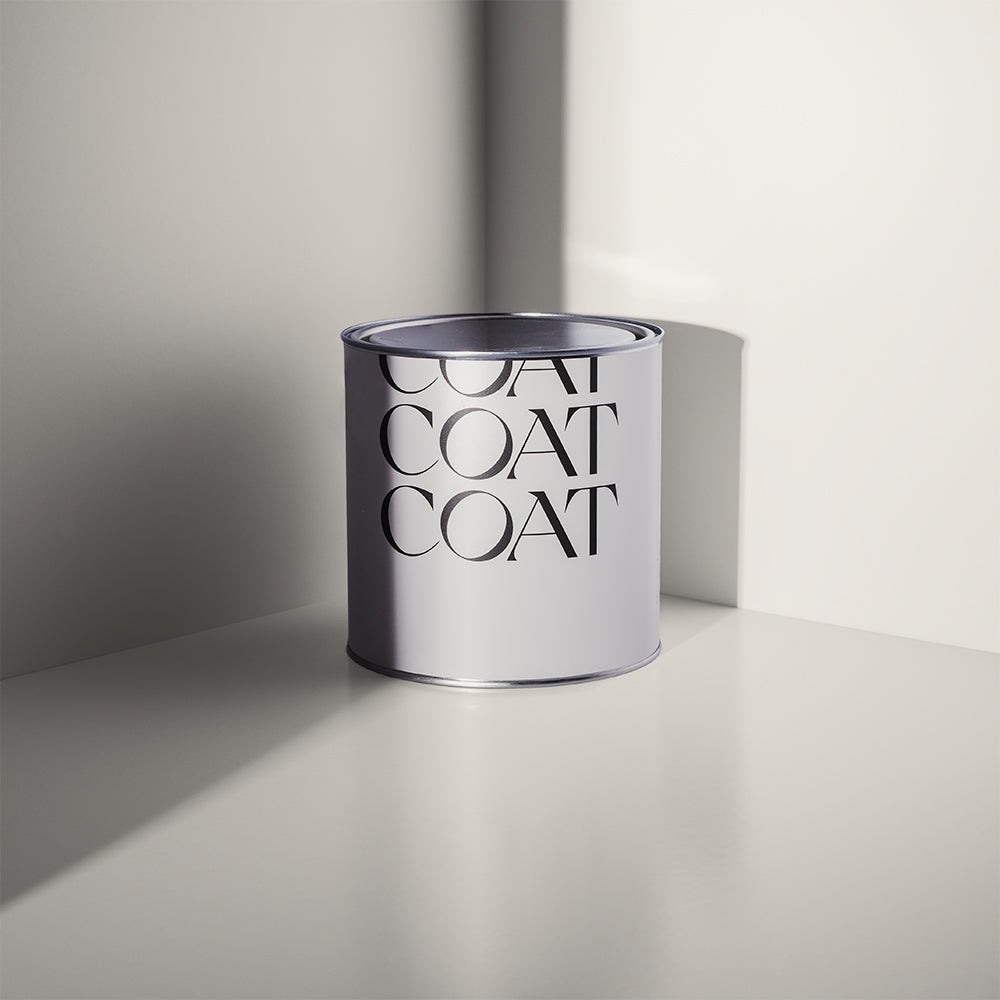
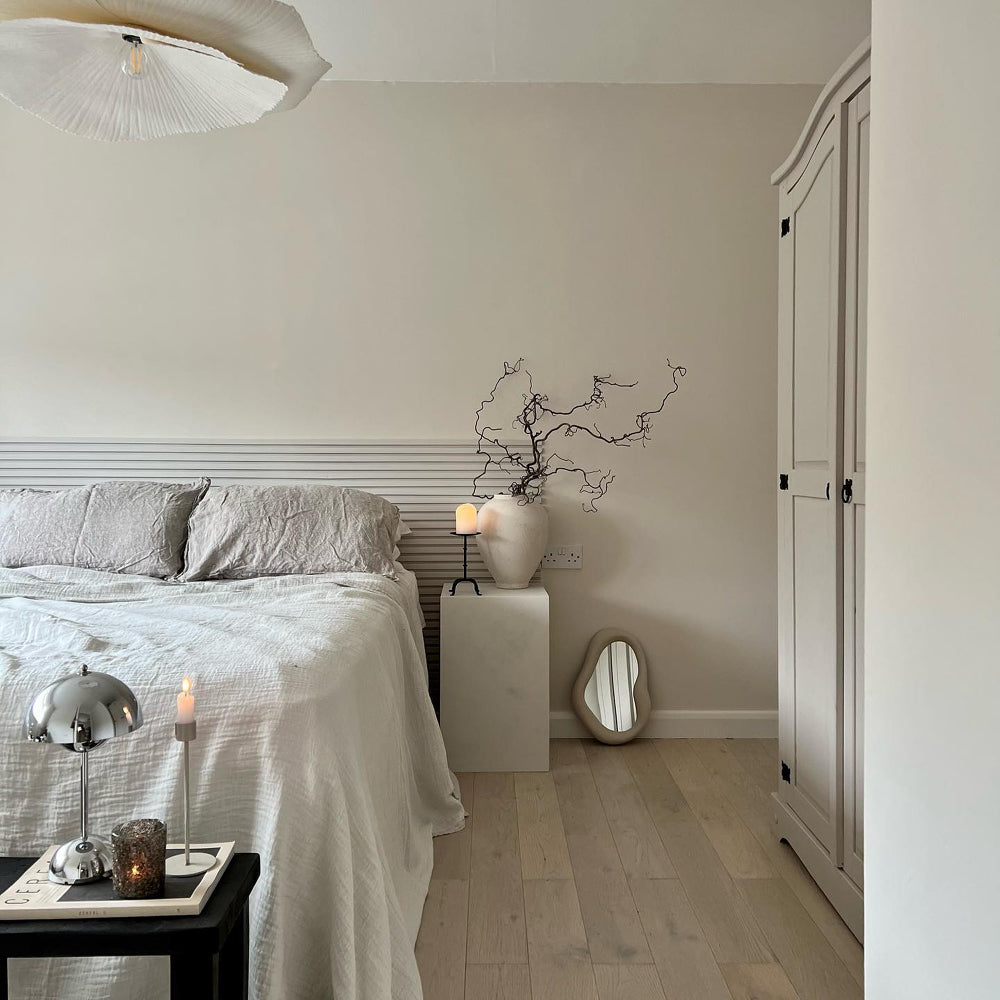
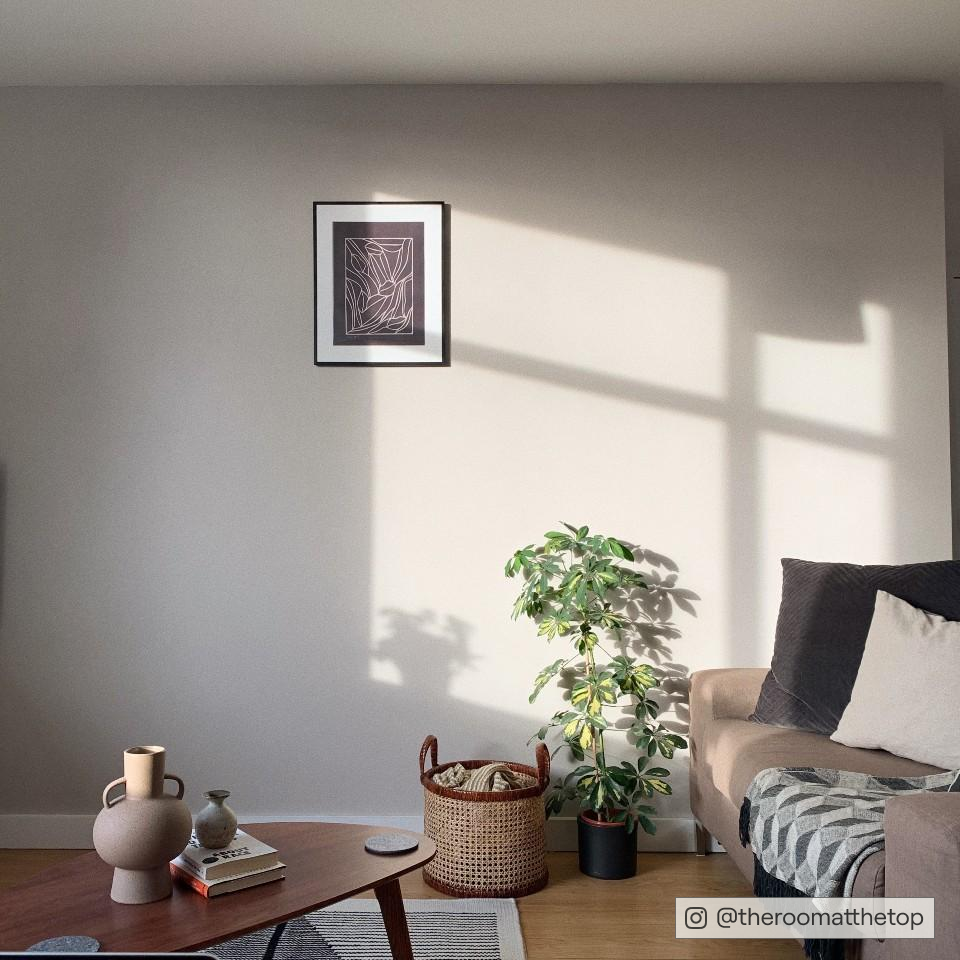
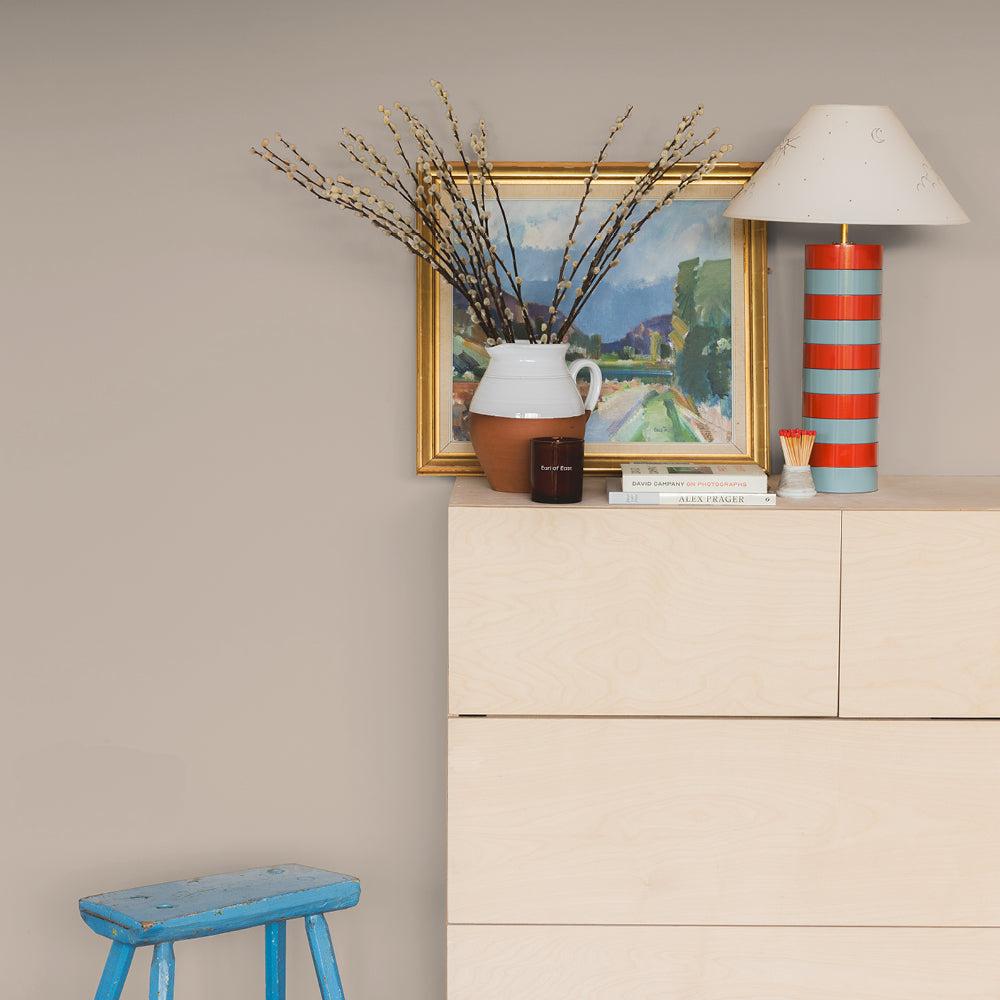
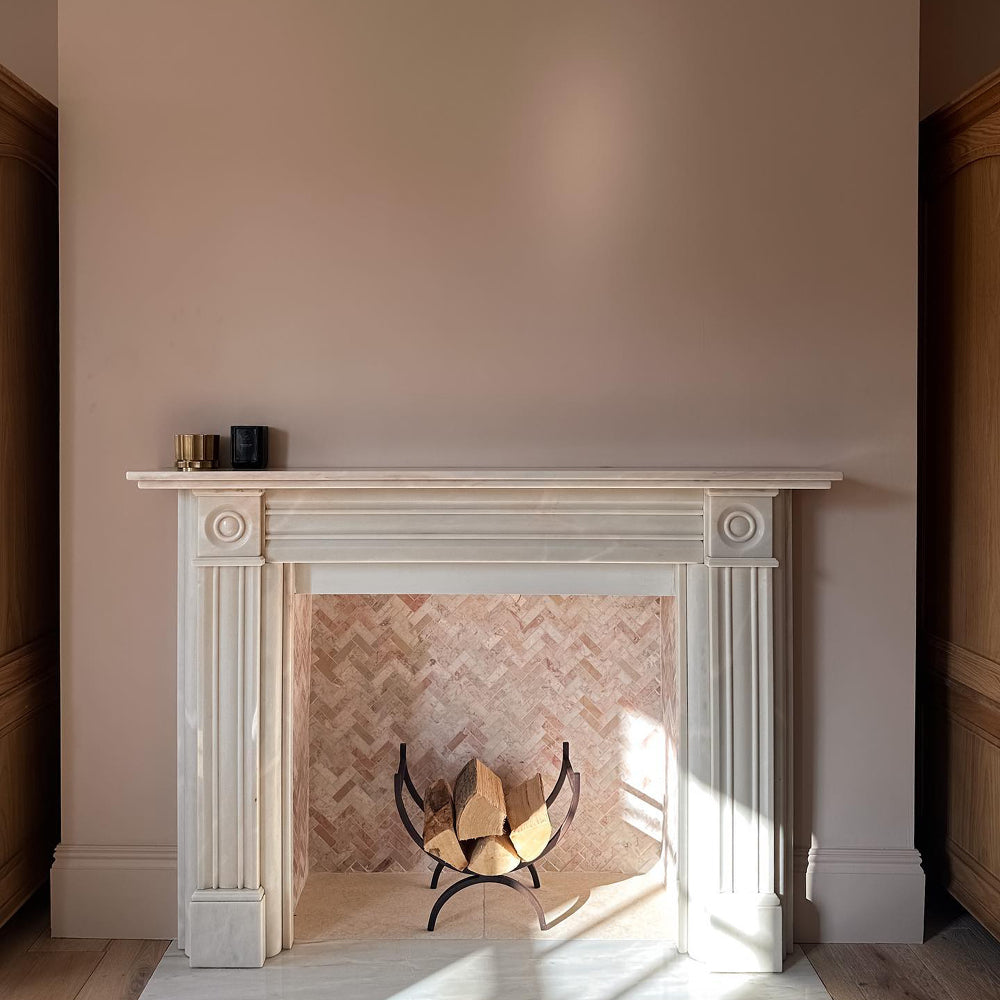
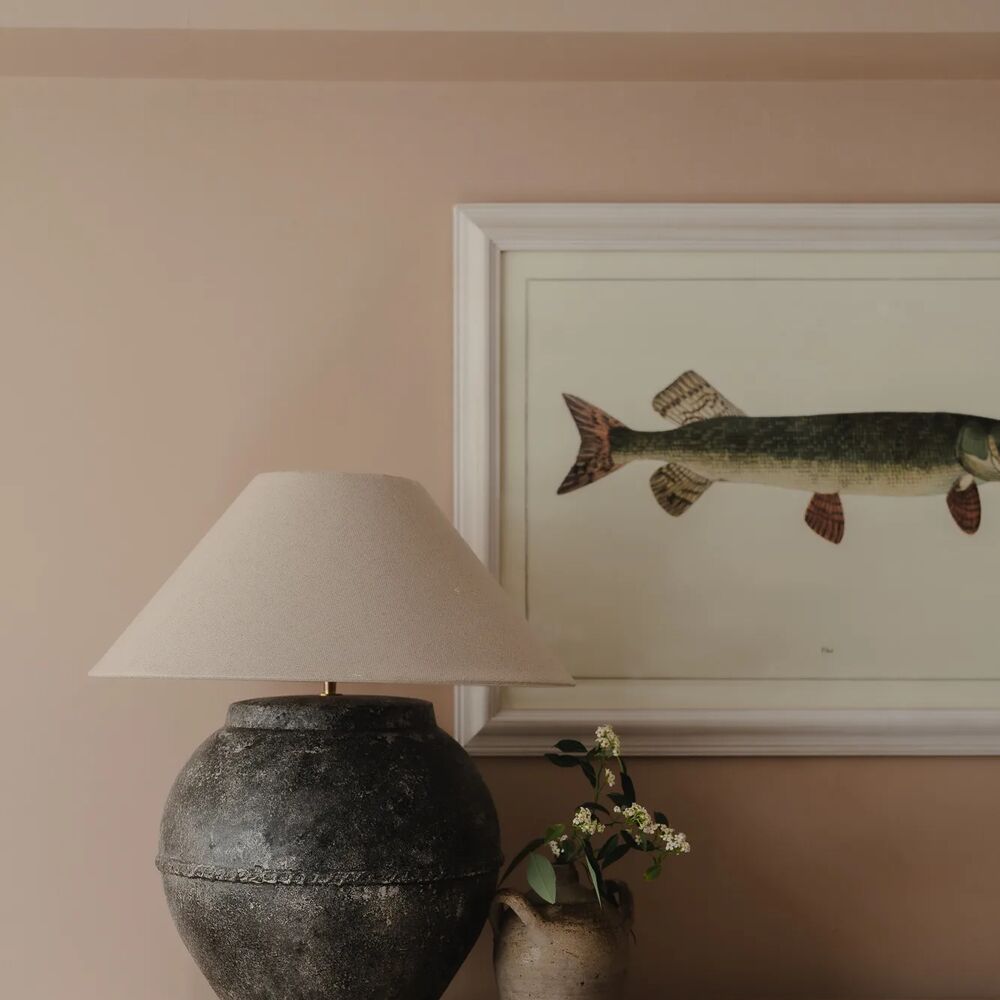
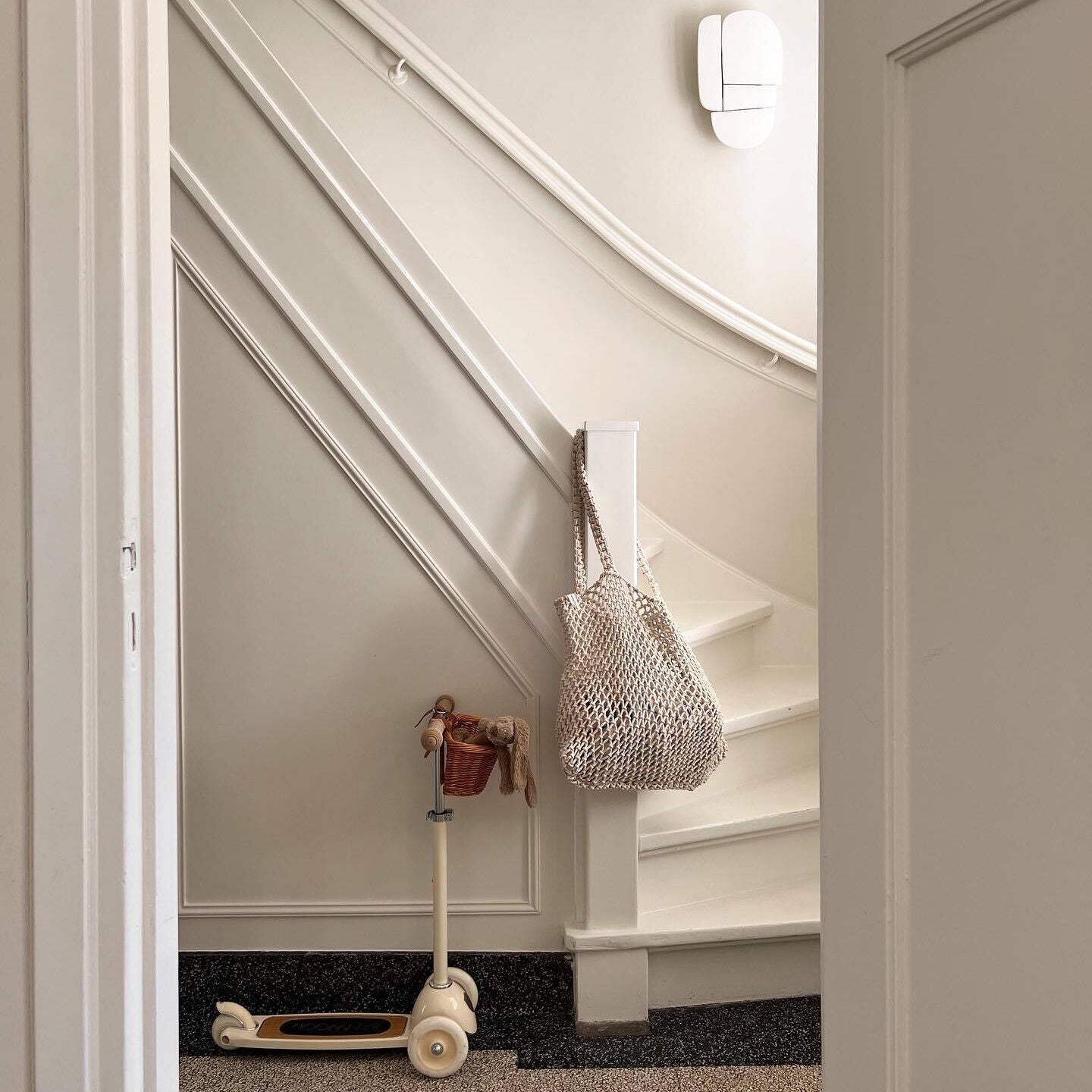
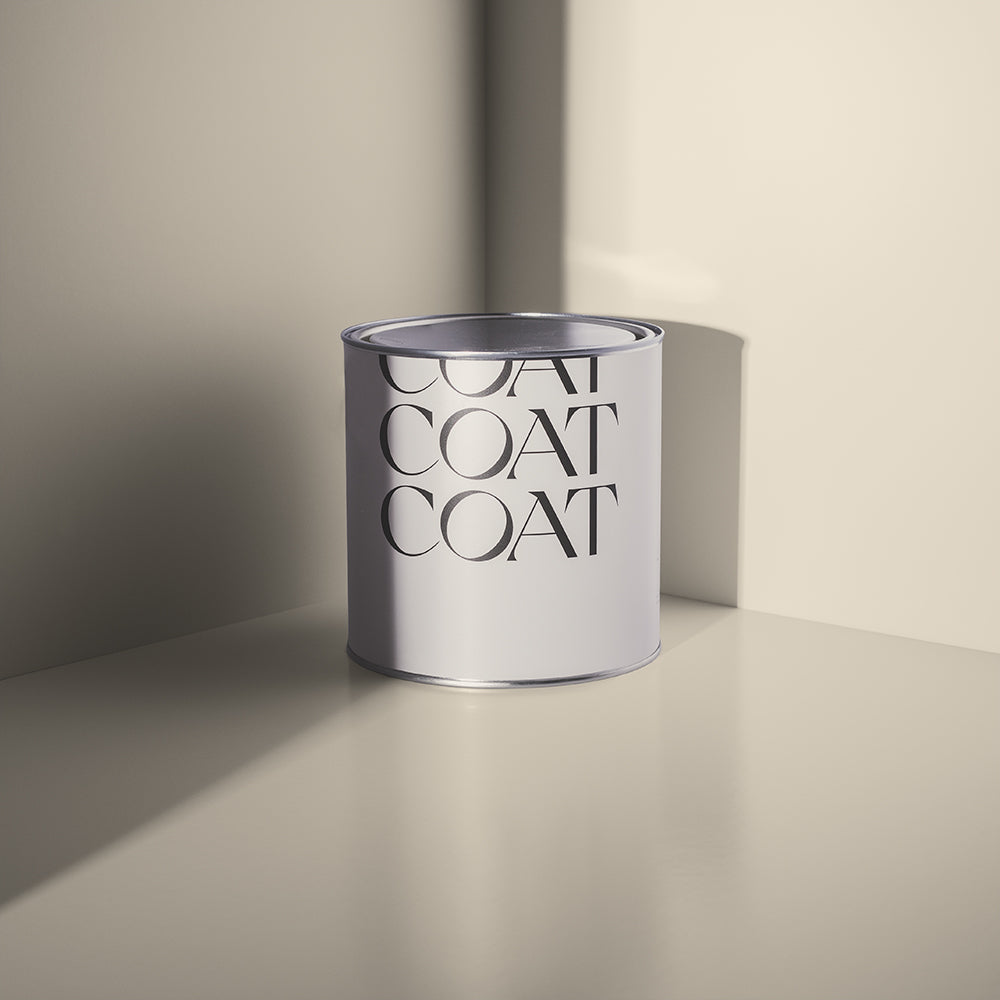
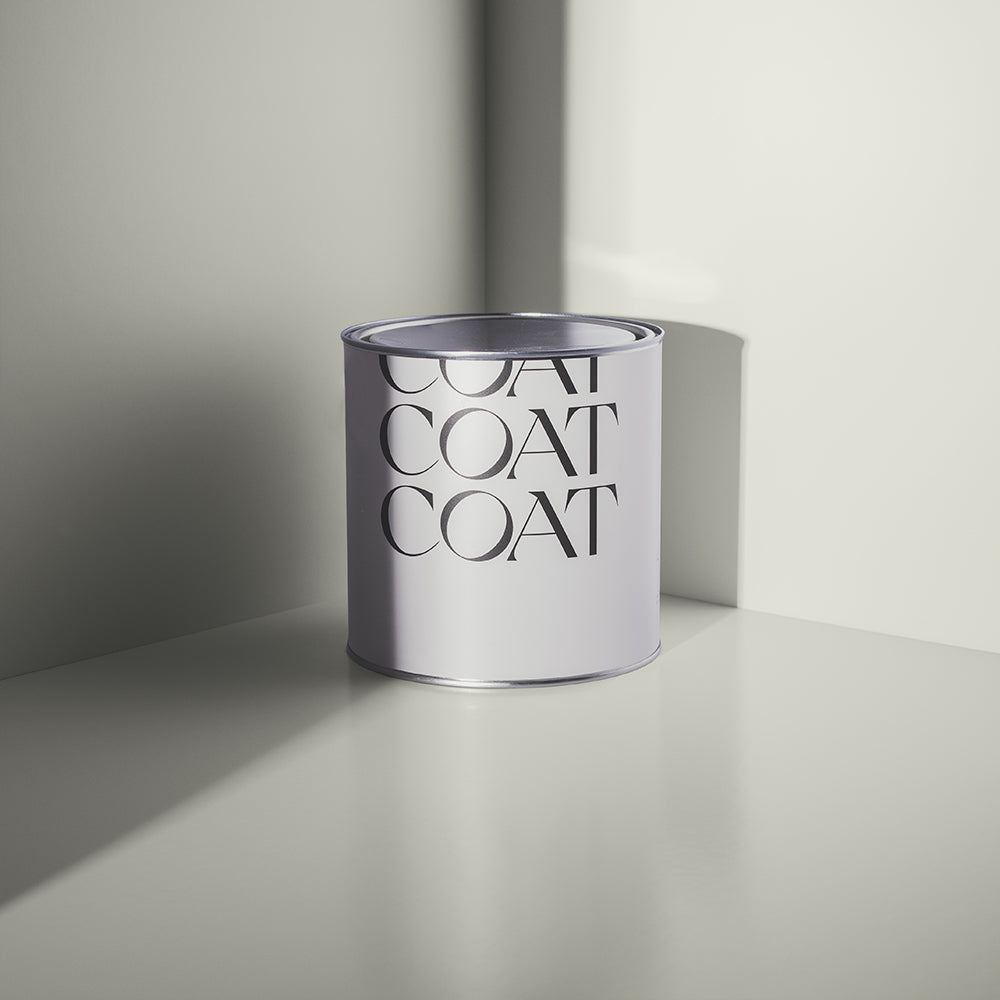
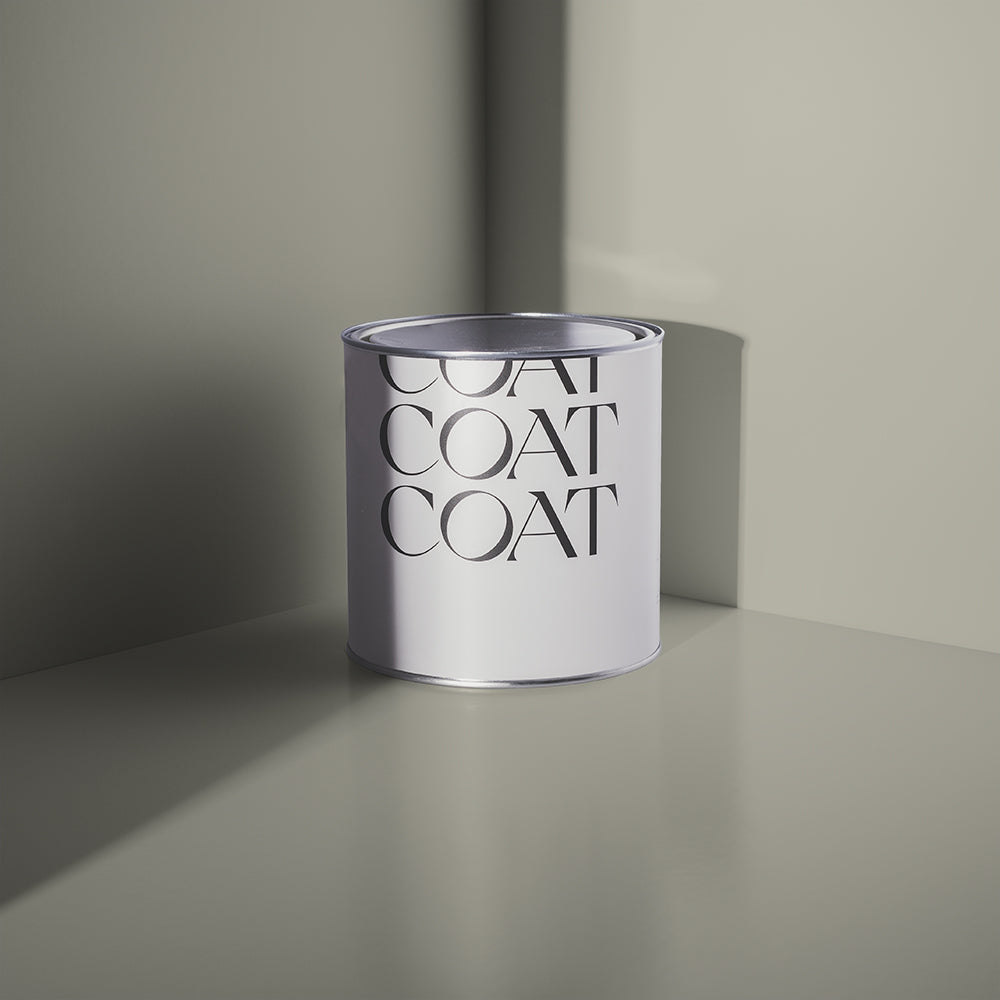
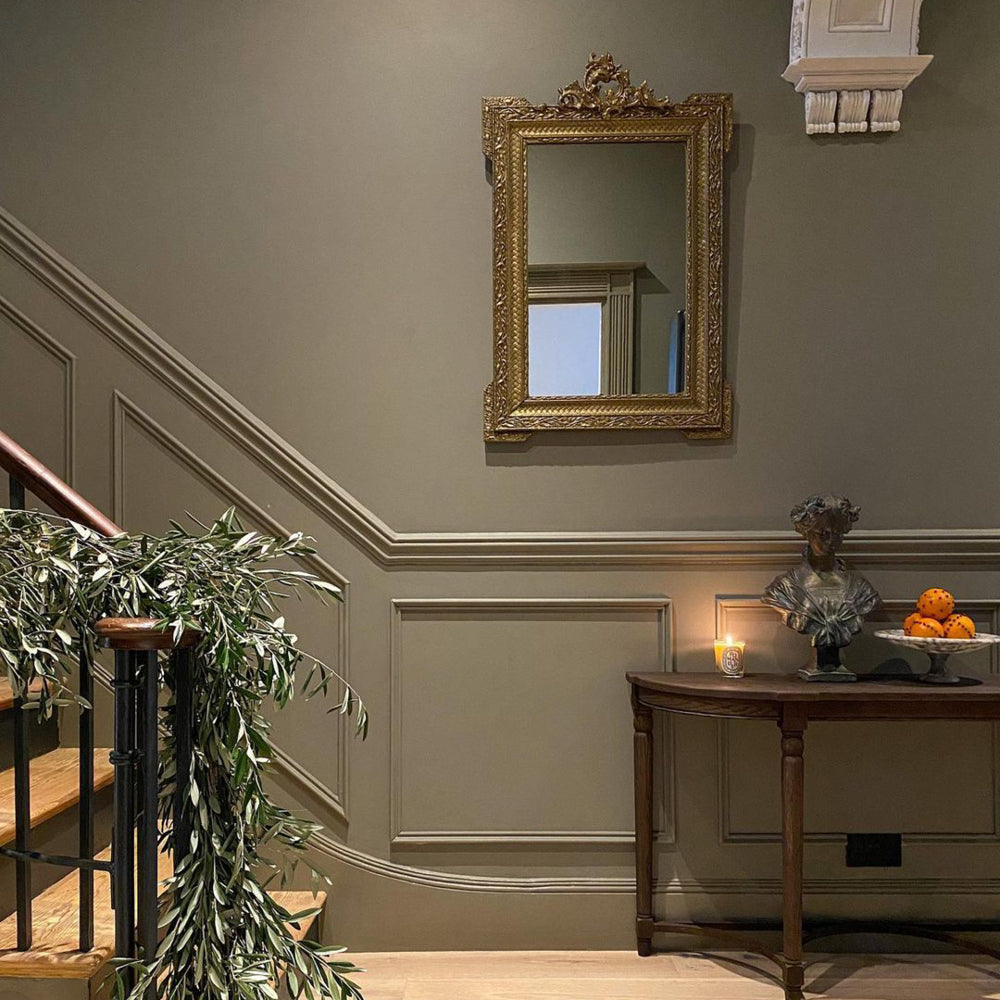
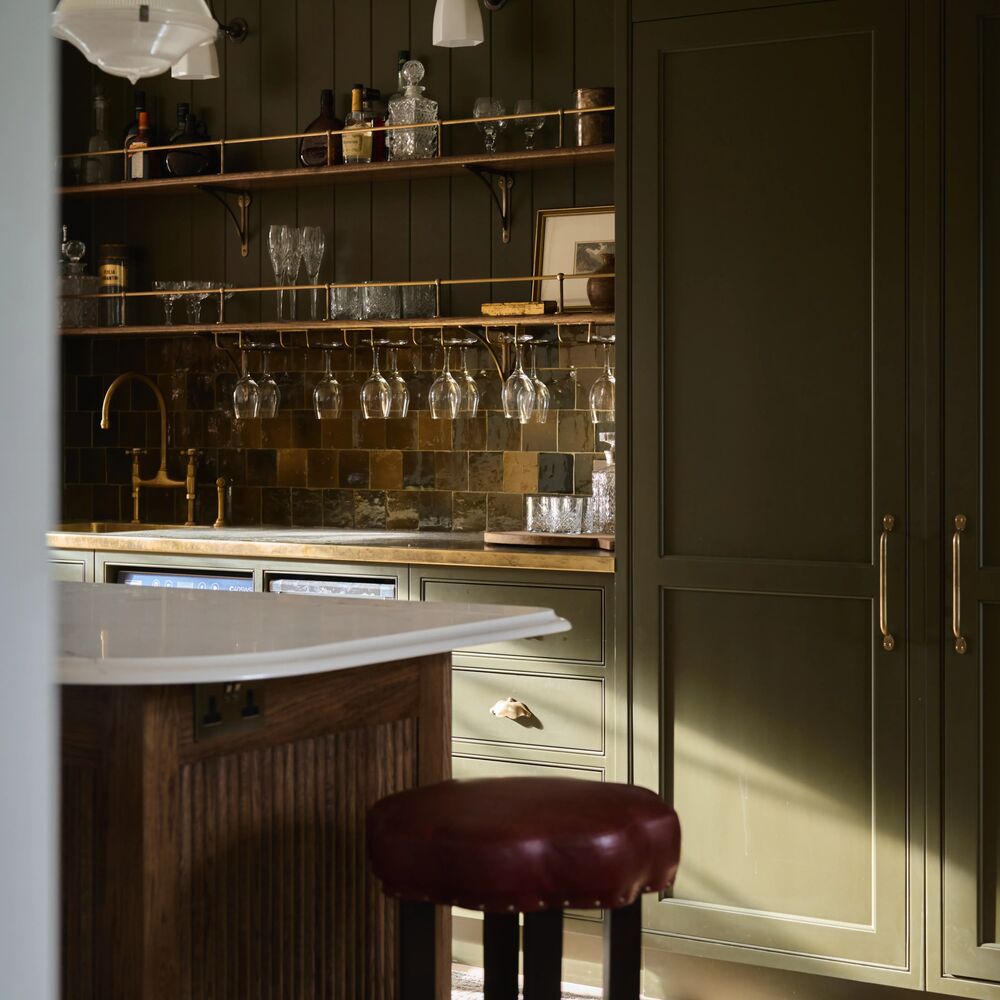
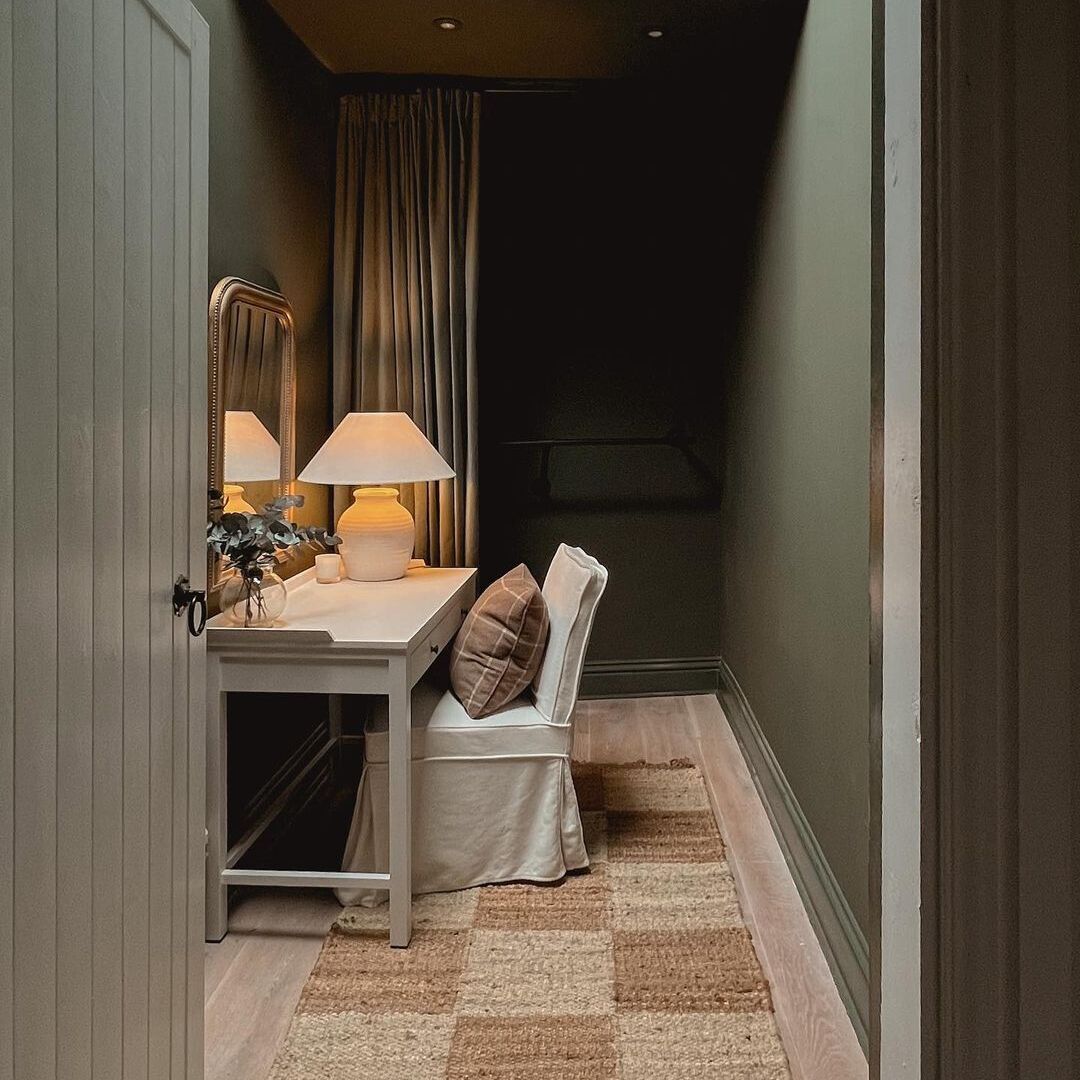
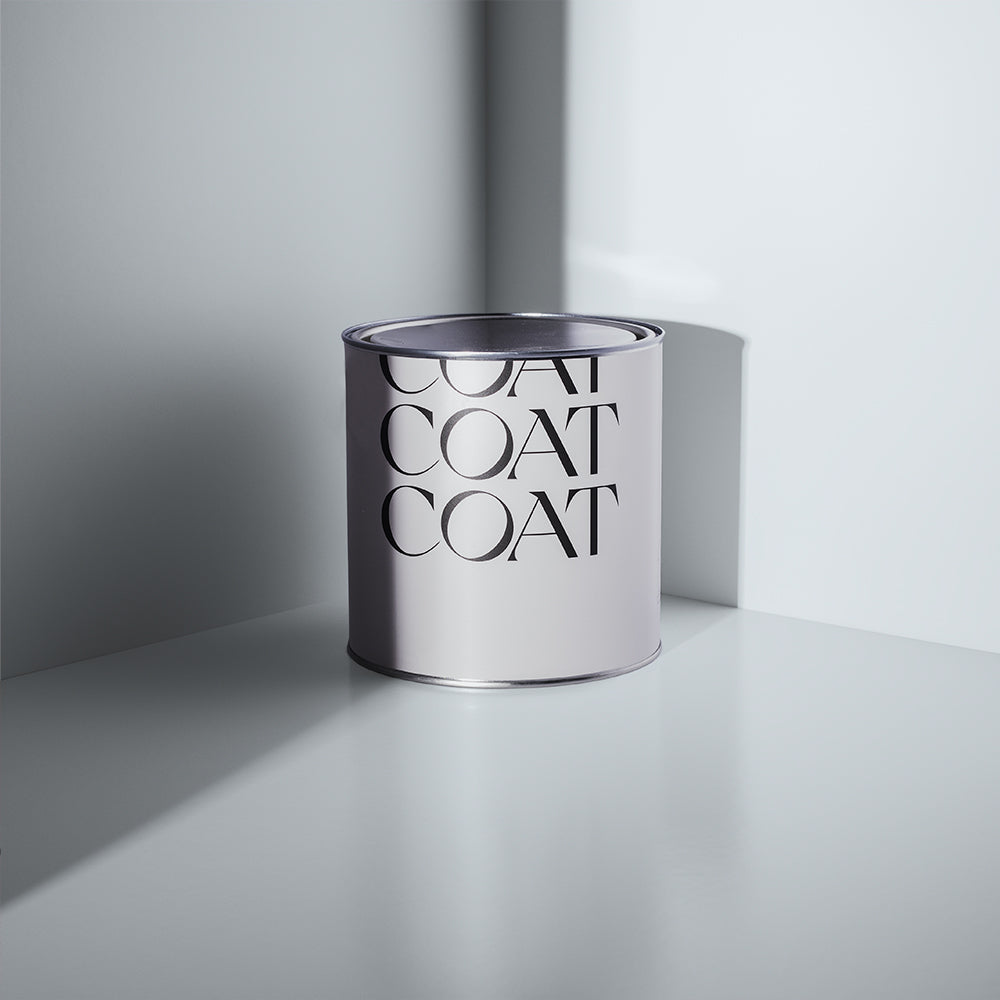
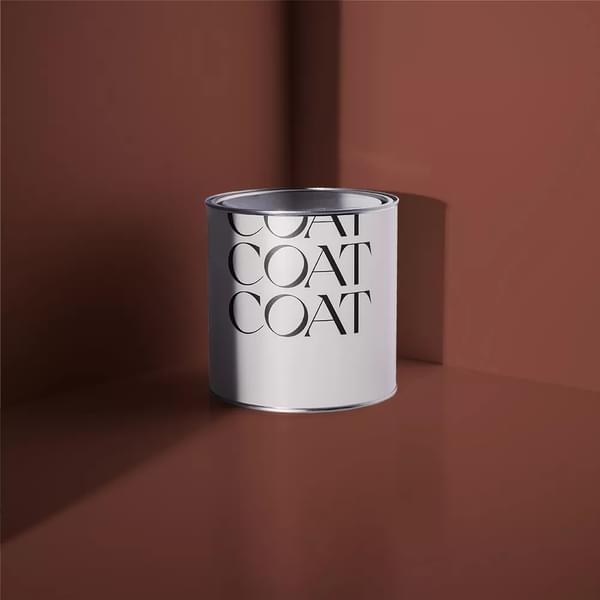
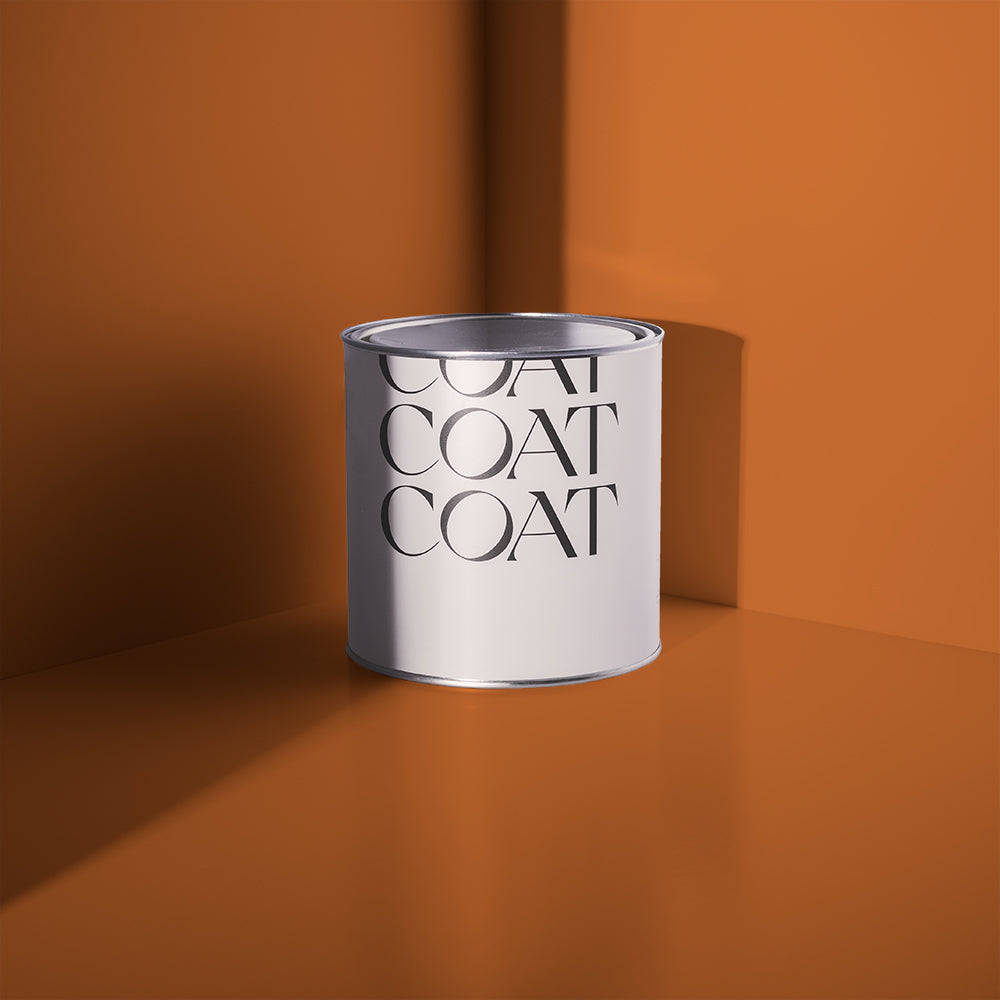
Heritage properties need breathable paint. And Breathe Claypaint pictured.
Why Old Houses Need Breathable Paint
Before the 1920s, most British homes were built using lime mortar, lime render, and lime plaster. These materials are naturally breathable, which means they absorb moisture and release it gradually, regulating humidity within the wall. It's a system that works beautifully - as long as you don't seal it shut.
Modern emulsions, particularly acrylic or vinyl paints, are designed to be washable and durable to meet the needs of modern day life. Sticky fingers, wet dogs... you know the drill. They form a film over the surface that resists water penetration and makes the paint last much longer and stay looking good. In a Victorian terraced house, a Georgian townhouse, or any pre-war property with original lime plaster, this can create a problem. Moisture that would normally move freely through the wall gets trapped. Over time, it pushes outward, causing paint to lift, bubble, and crack - and in more serious cases, contributing to damp and condensation within the wall itself.
Happily, the solution isn't difficult. It's just about choosing a breathable paint that behaves the way lime plaster expects. Enter Claypaint by COAT.
What Is Clay Paint?
Clay paint is a natural-based paint formulated with clay as its primary pigment and binding agent. It dries to a soft, chalky, flat matt finish that is porous by design. Rather than forming a very solid film over a surface, it sits within it - allowing moisture vapour to pass through freely.
If you want to get technical about it - the measure of breathability is called the "SD Value" (vapour diffusion resistance). A lower SD value means the paint is more breathable. COAT's Flat Matt Claypaint has an SD Value of 0.02, which is exceptionally low - and it is one of the most breathable paint formulations available.
In practical terms: clay paint allows your lime plaster walls to do what they've always done, without interference.

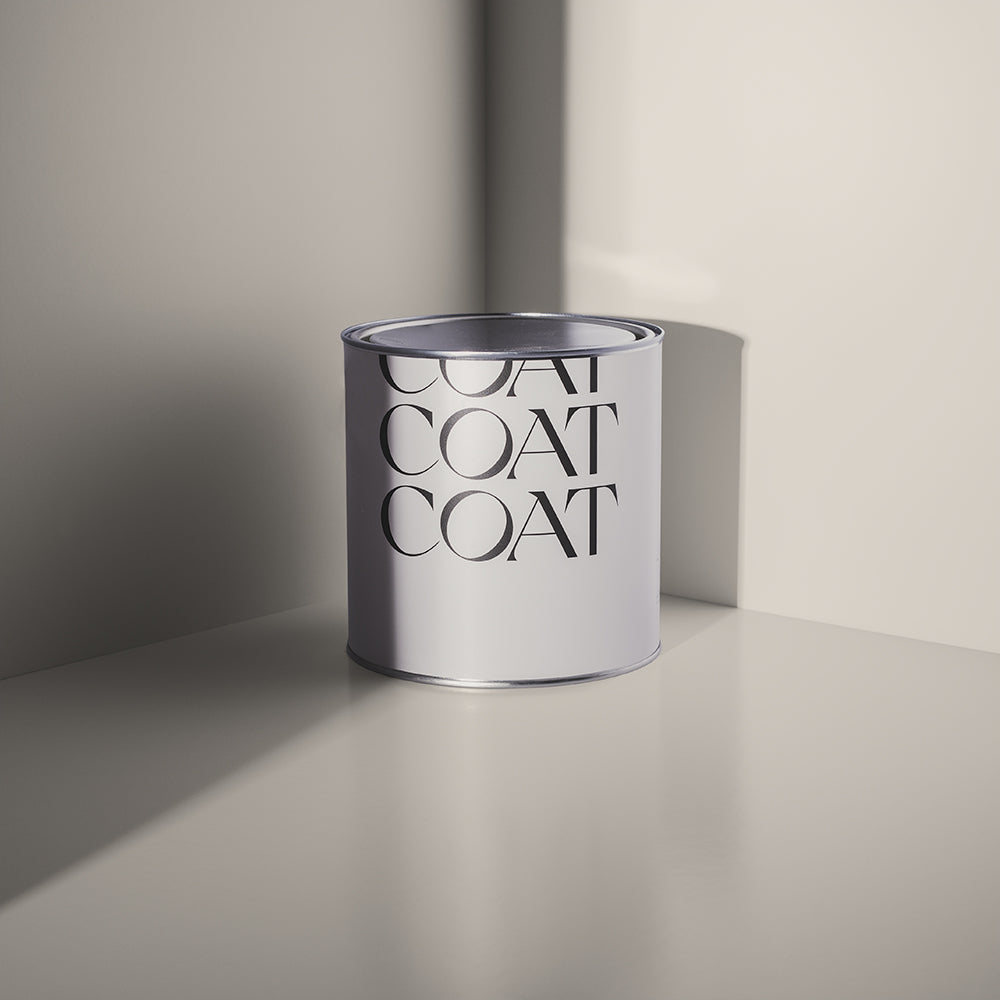
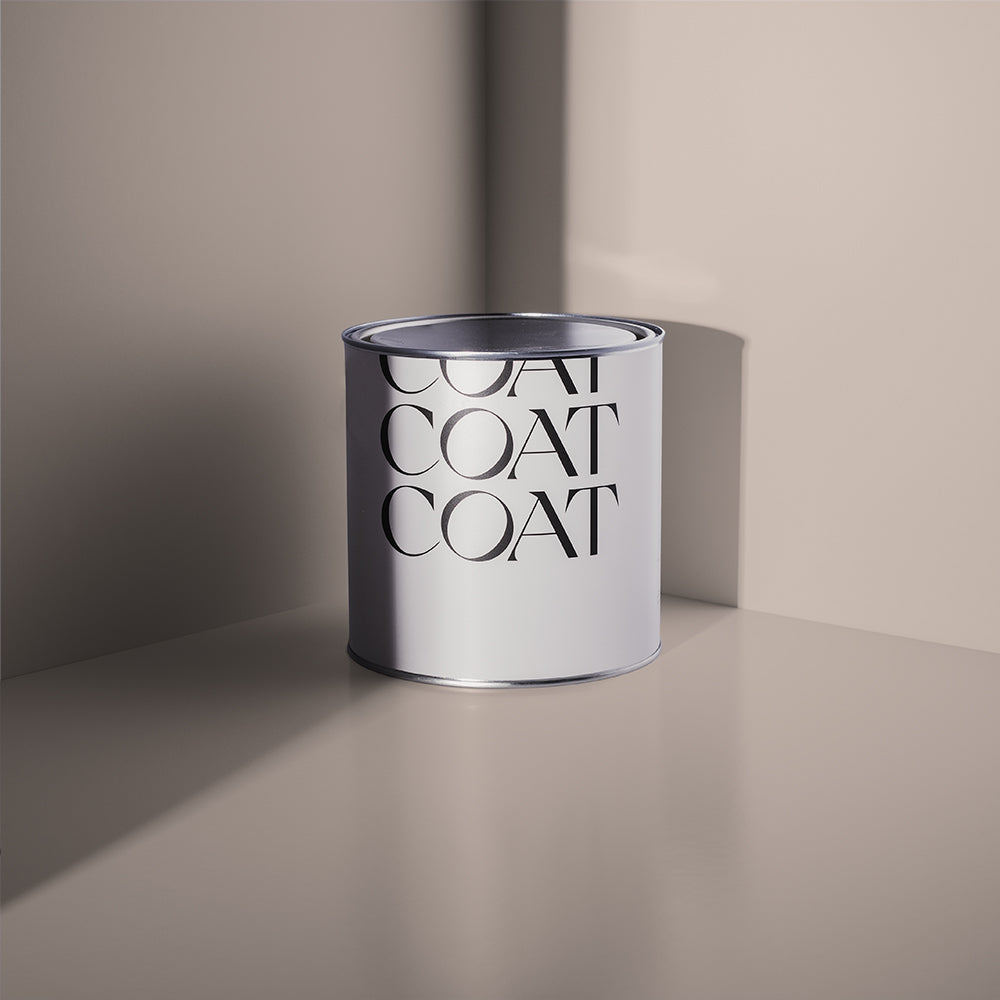
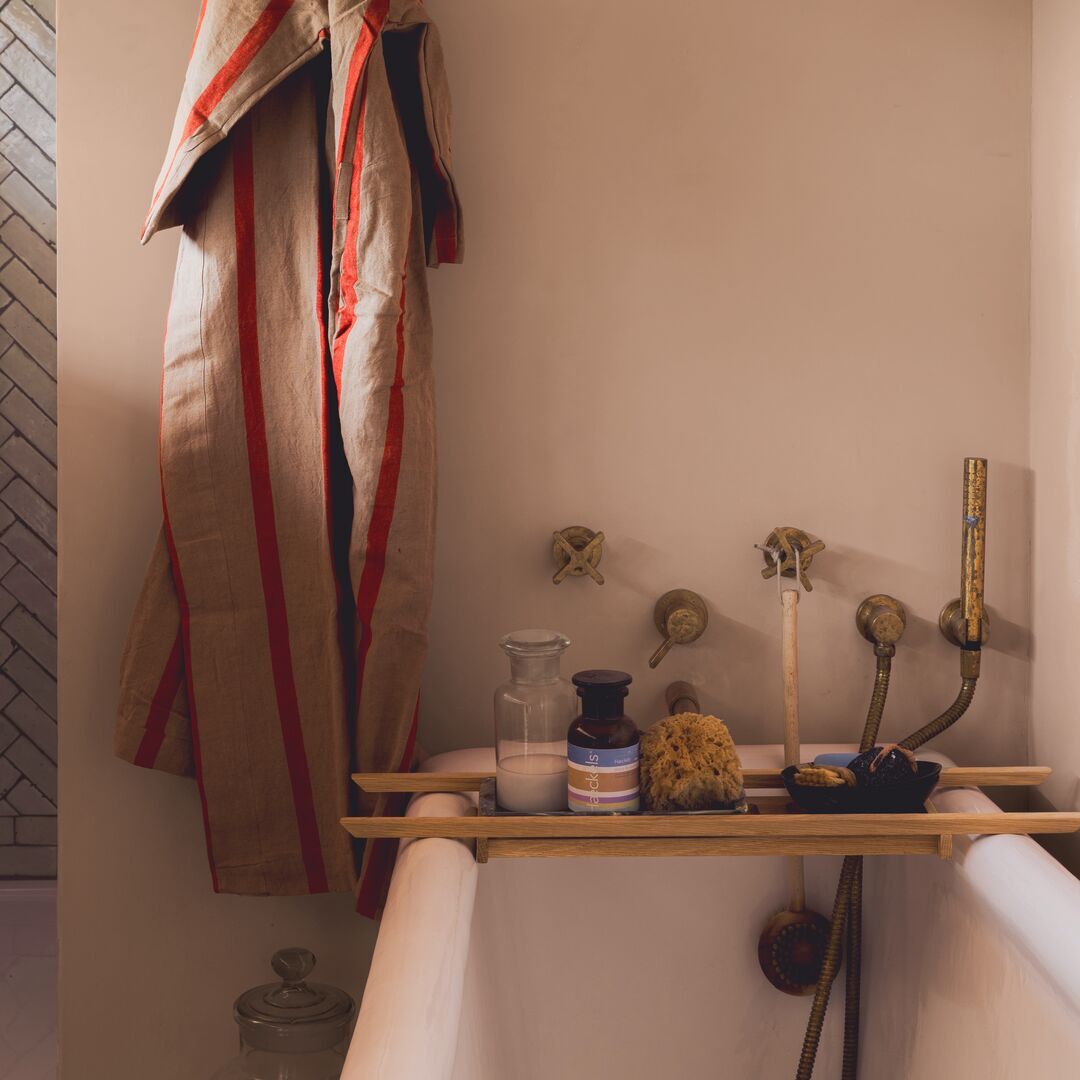
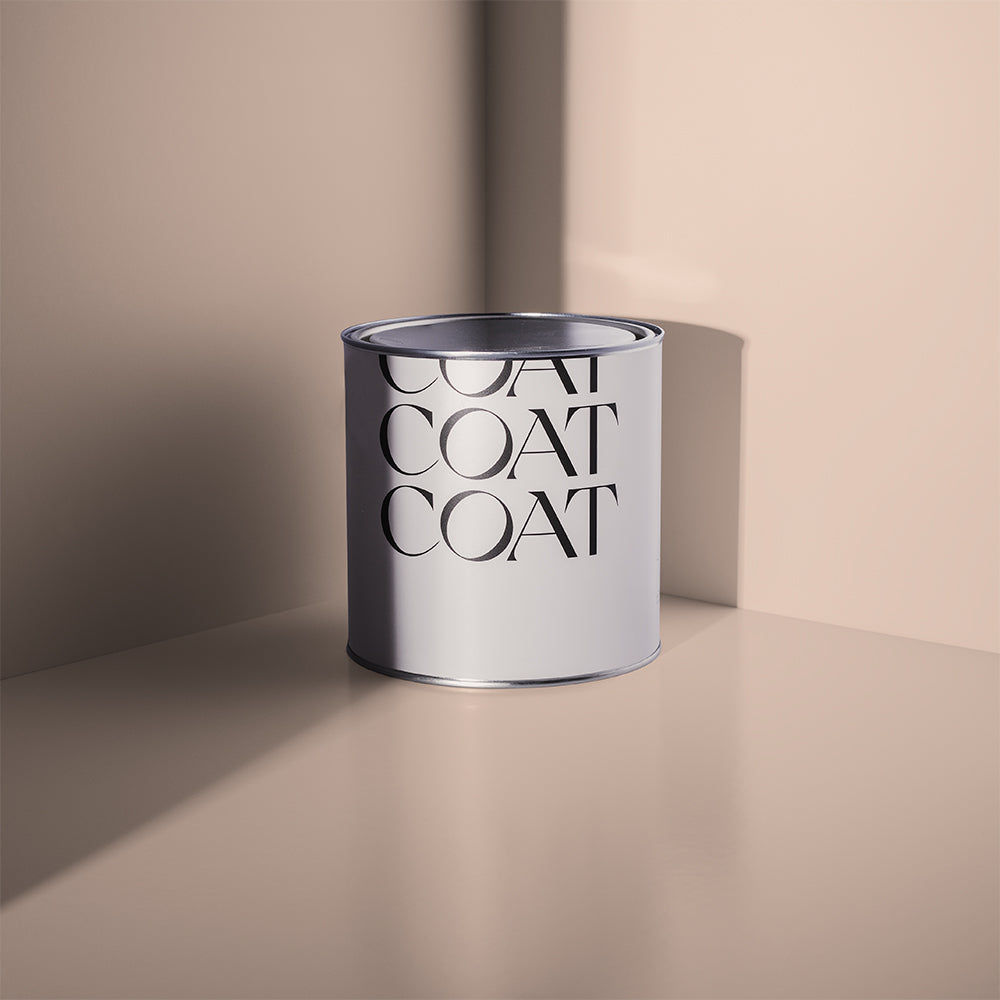
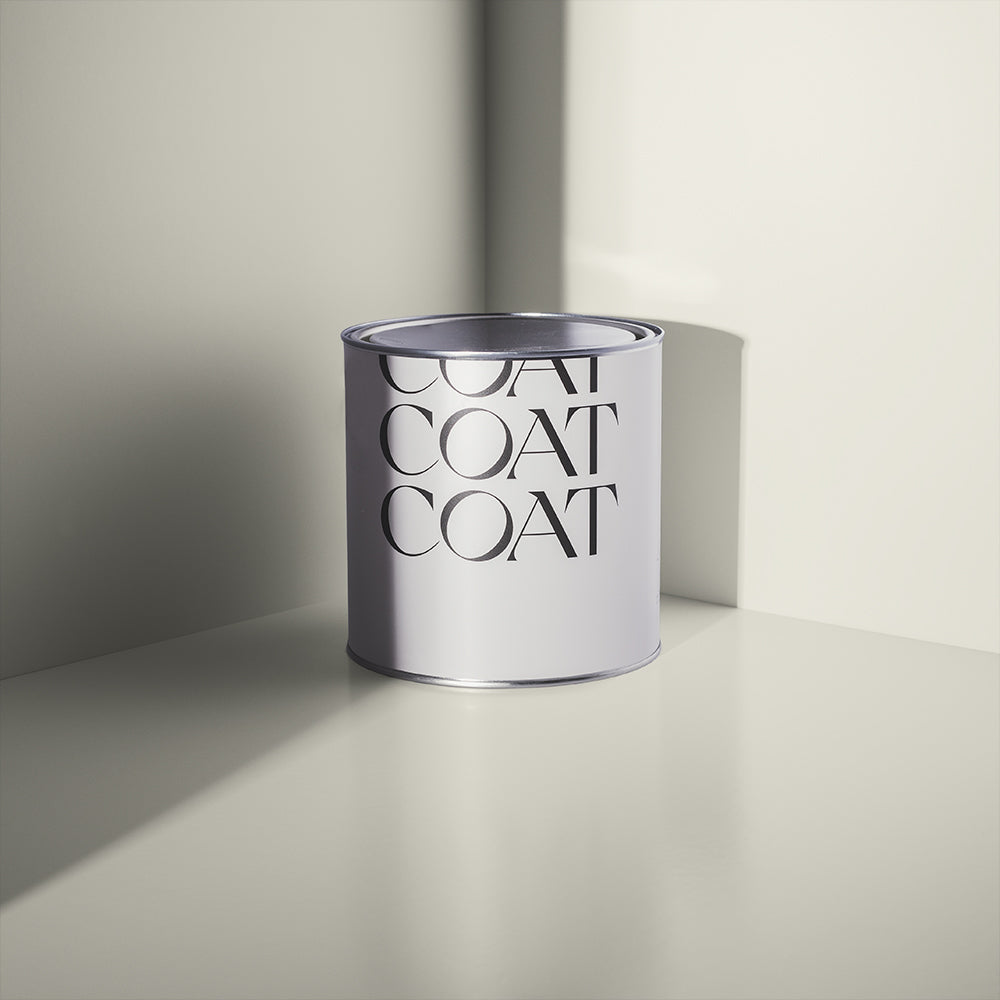
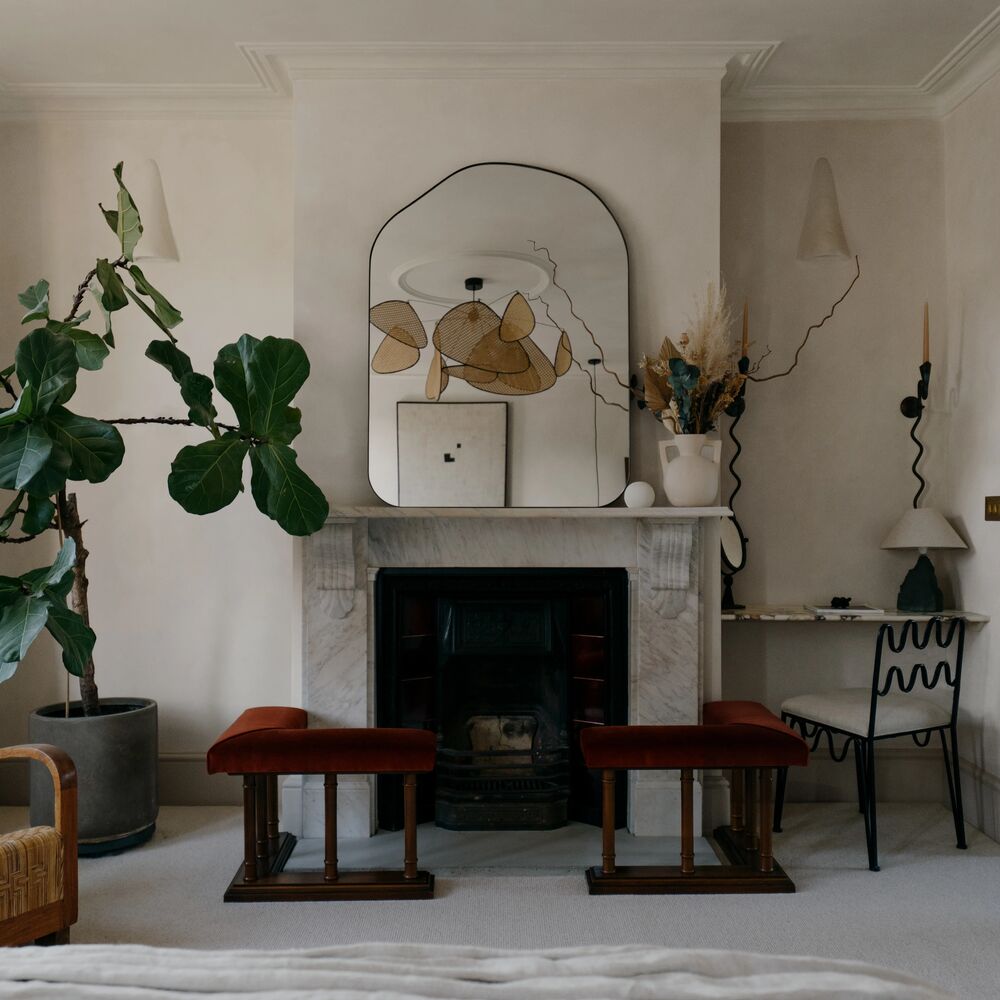
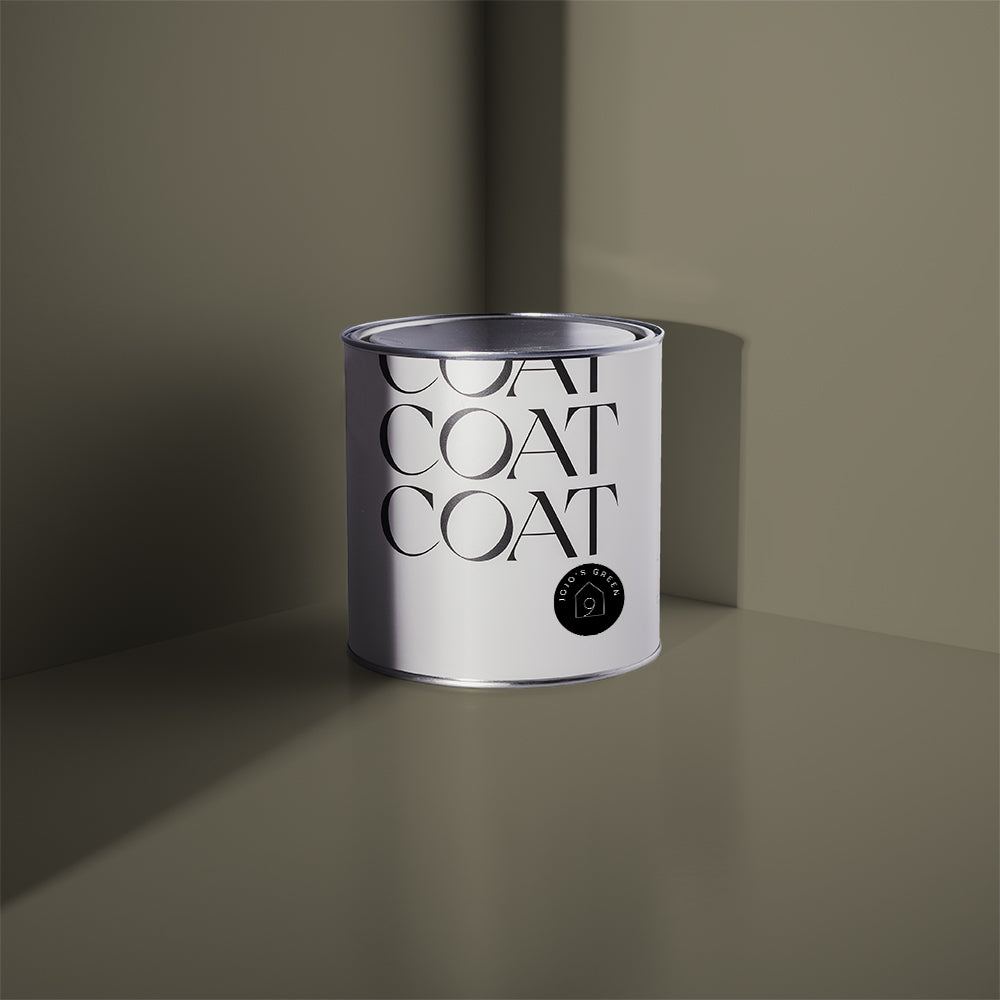
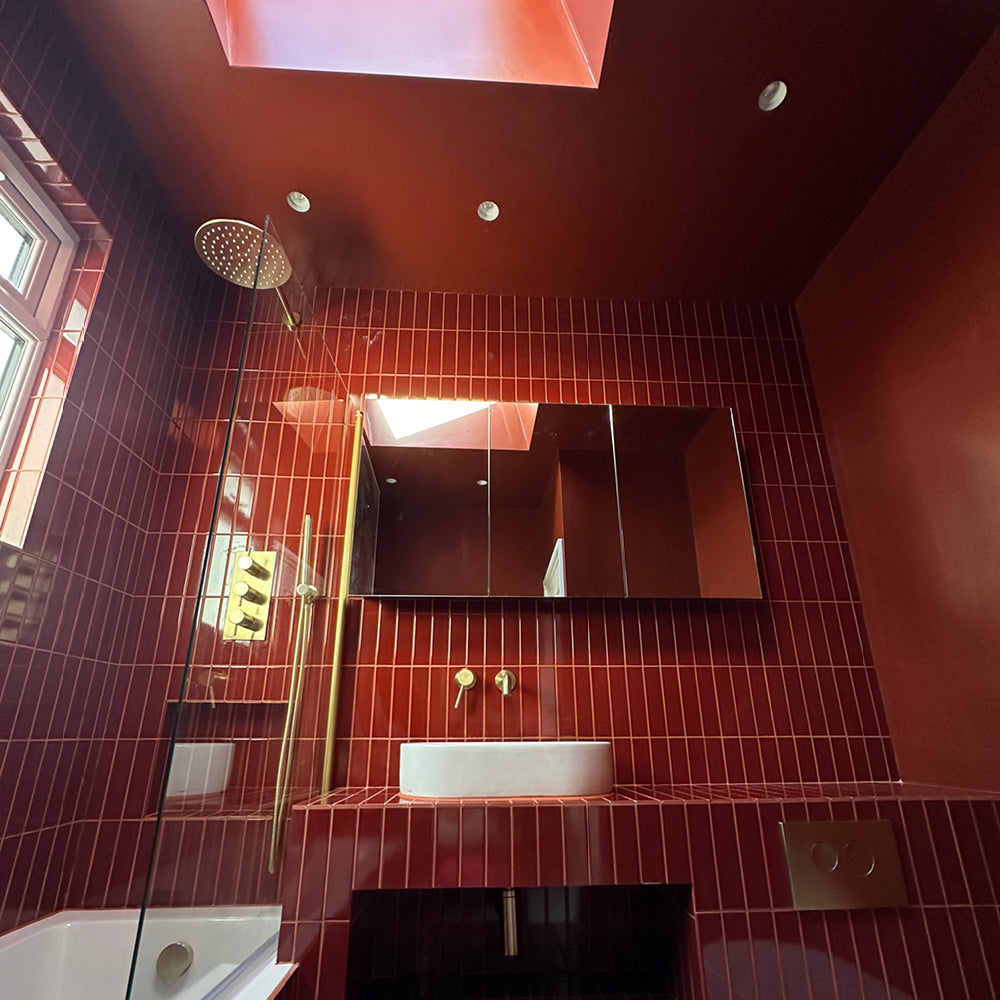
COAT Claypaint uses natural materials, and allows walls to breathe.
Is Clay Paint Right for Your Property?
Clay paint is specifically designed for raw or traditional substrates. Whilst you can use it anywhere if you want the finish and the breathability benefits (Claypaint has near-zero VOCs and is our cleanest finish), it performs best on:
- Lime plaster walls and ceilings (the primary use case)
- Lime render on internal surfaces
- Earthen or clay plasters
- Exposed stone or brick with lime pointing
If you're unsure what plaster type you have, a simple test is to press a damp cloth against the wall for 10 minutes. Lime plaster typically darkens slightly and dries back quickly. Hard plaster won't show much change. For older properties, particularly those built before 1920, lime plaster is standard unless there's been significant renovation.

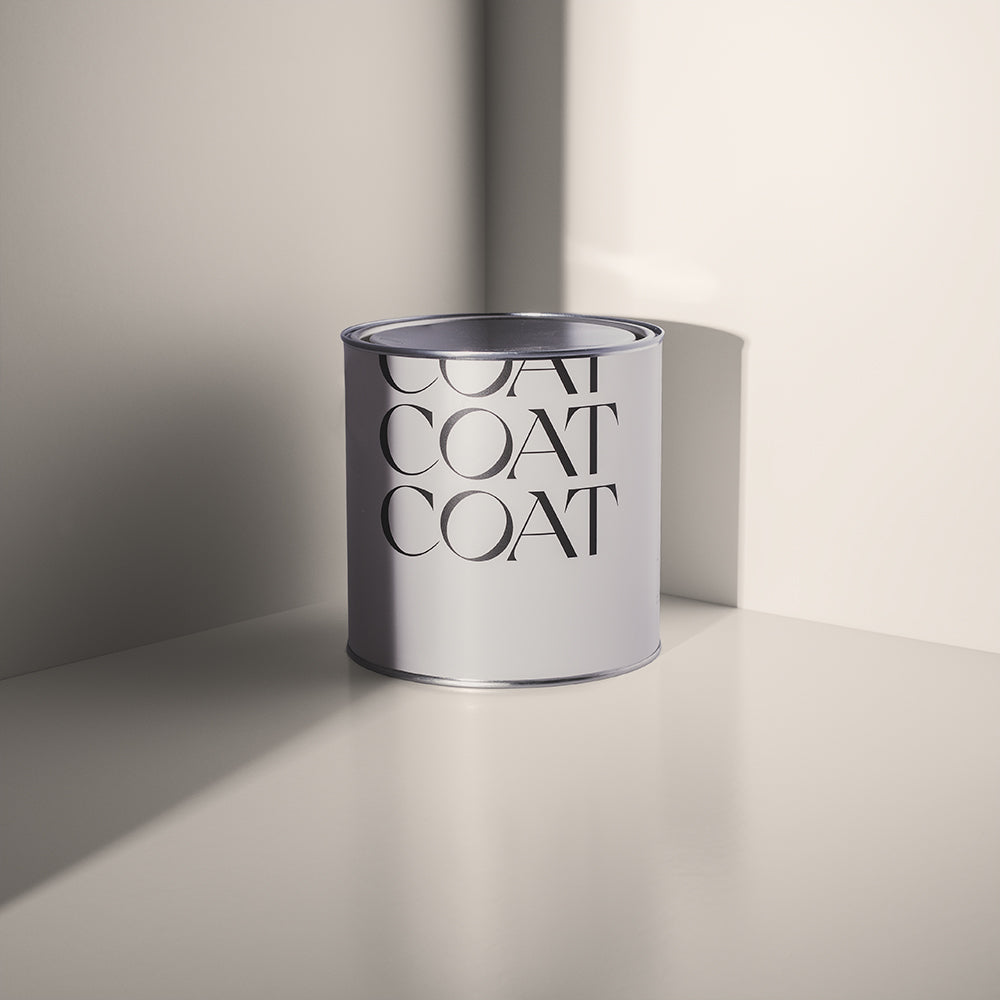
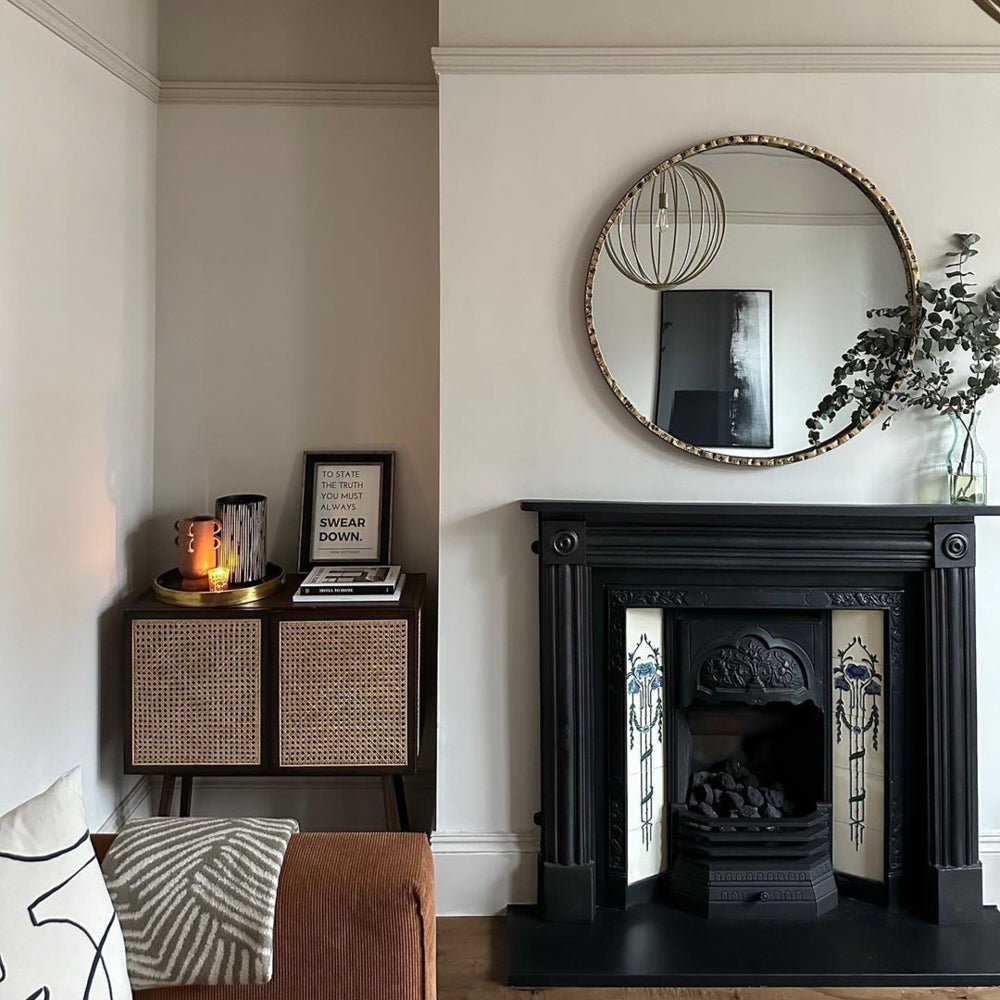
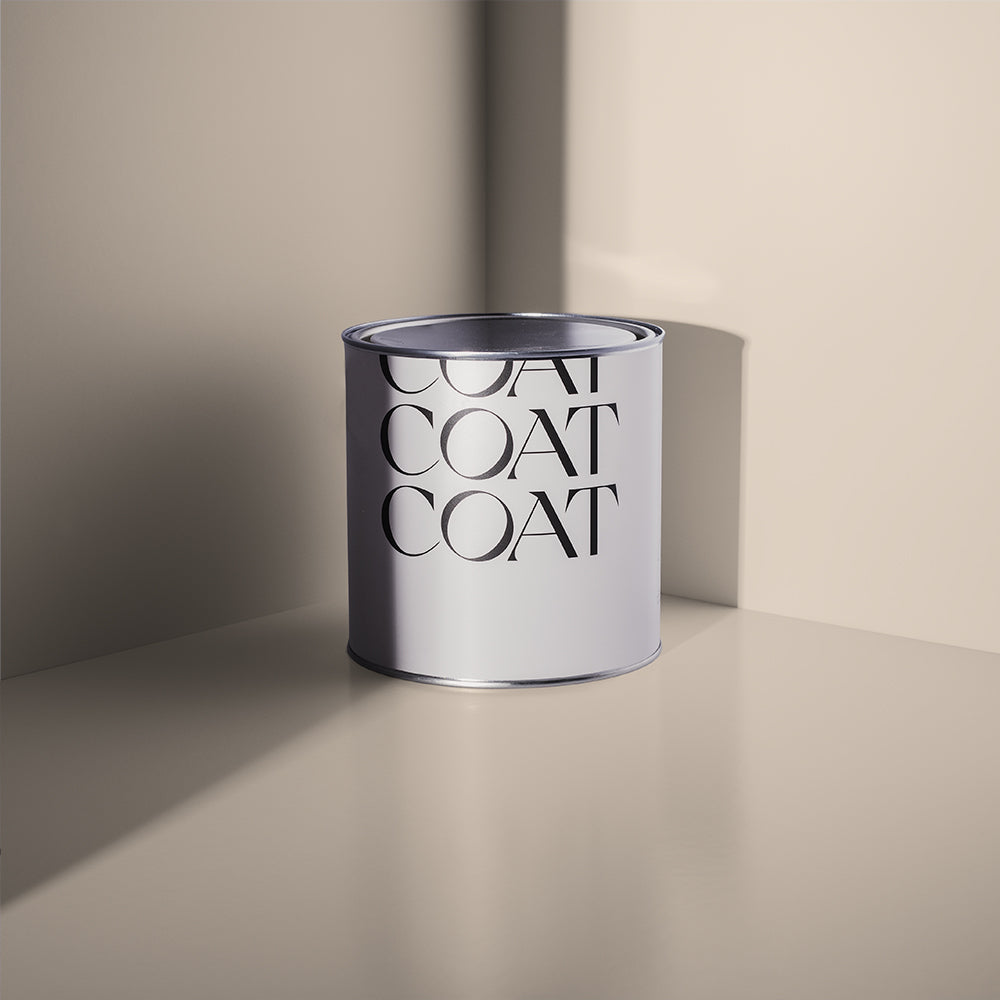
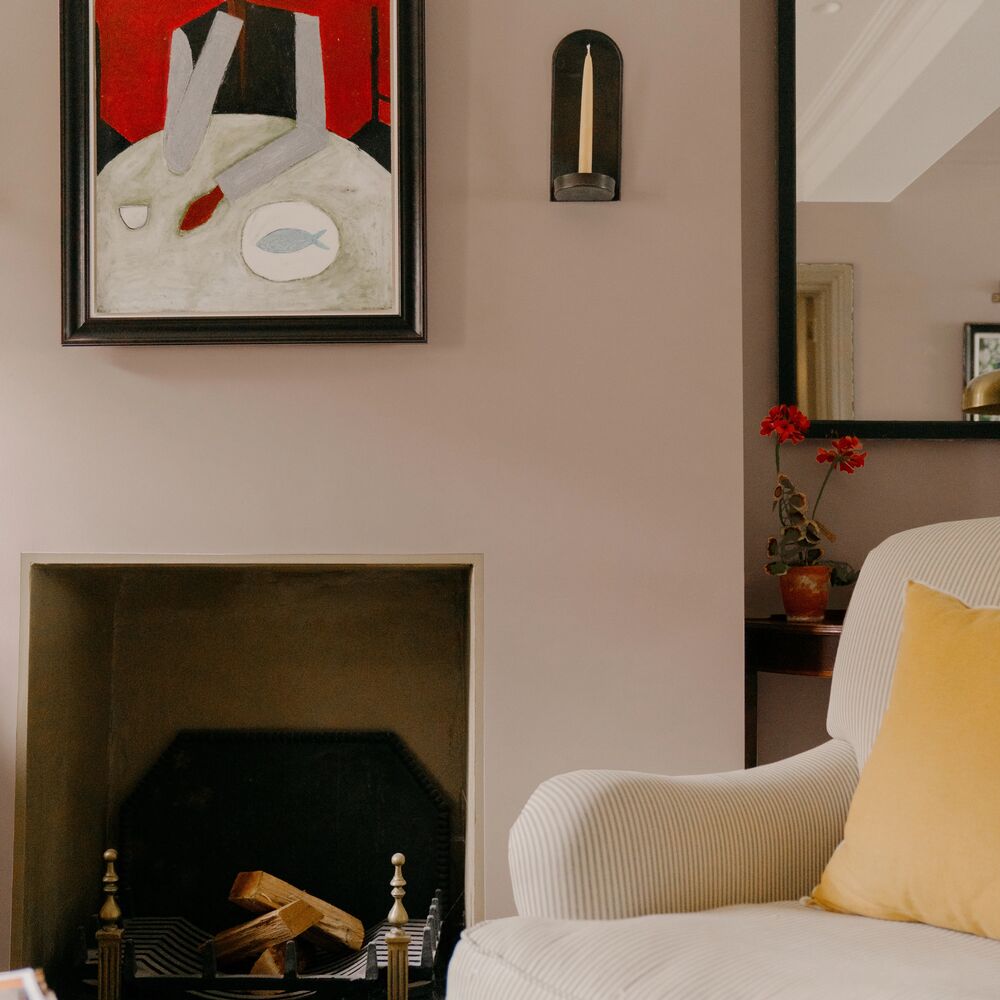
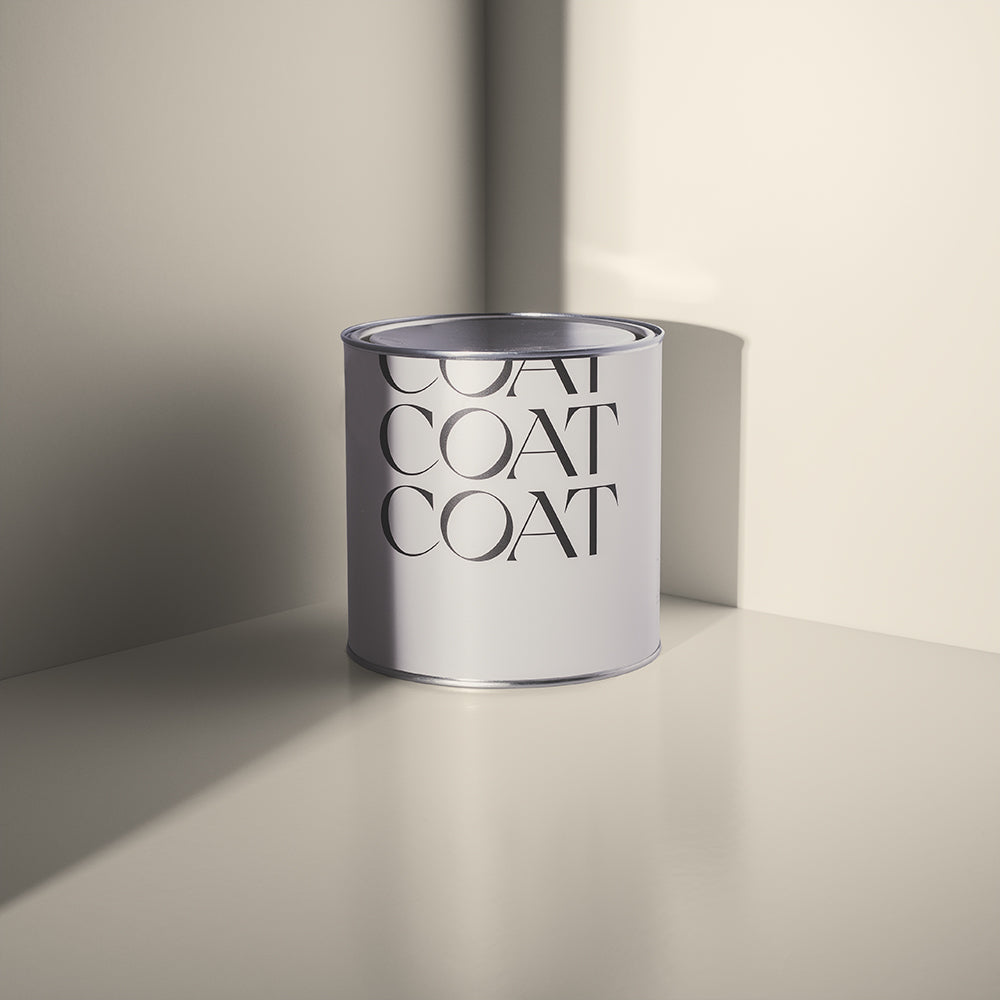
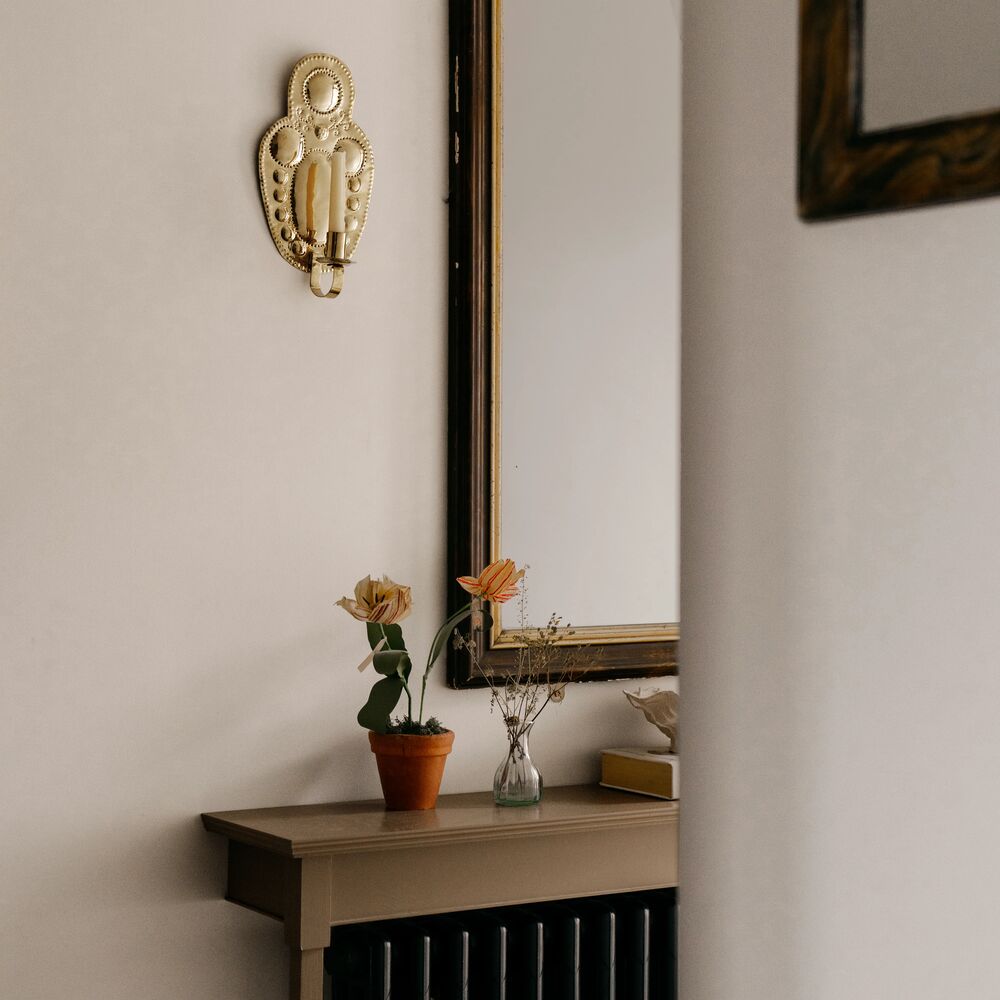
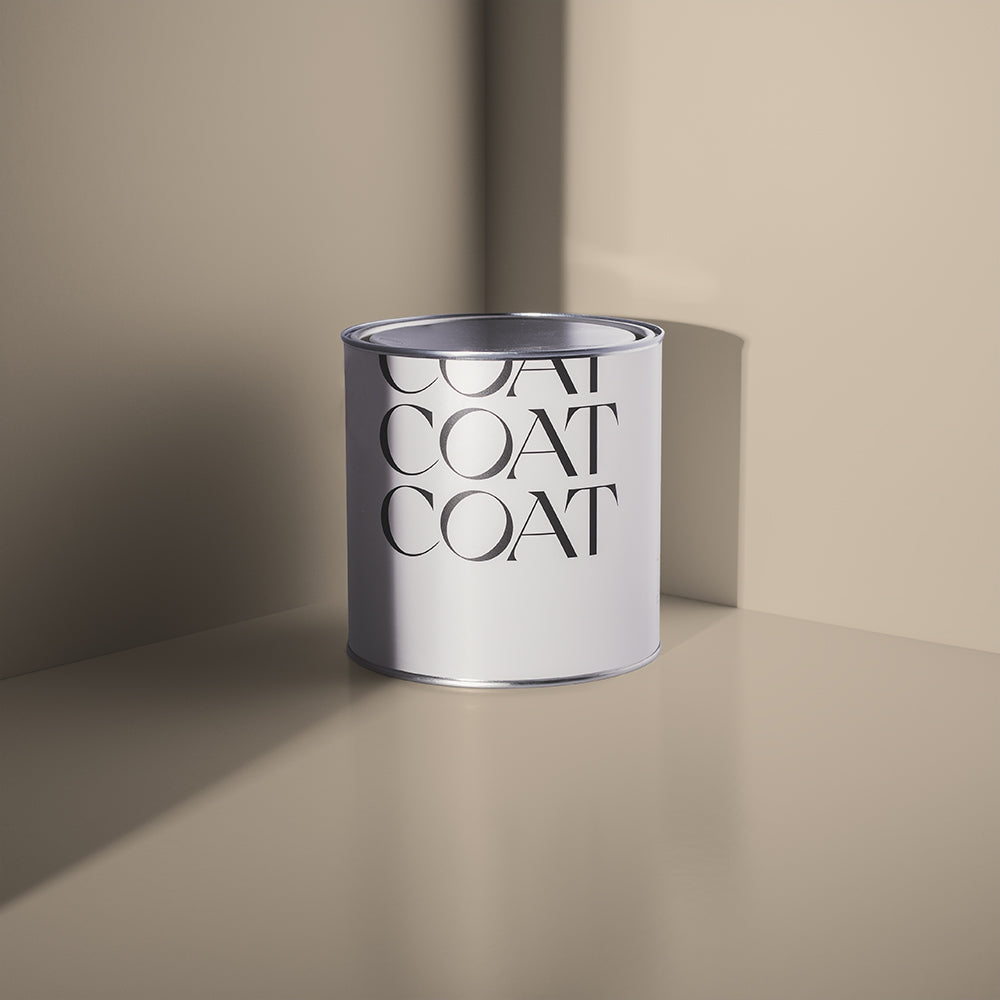
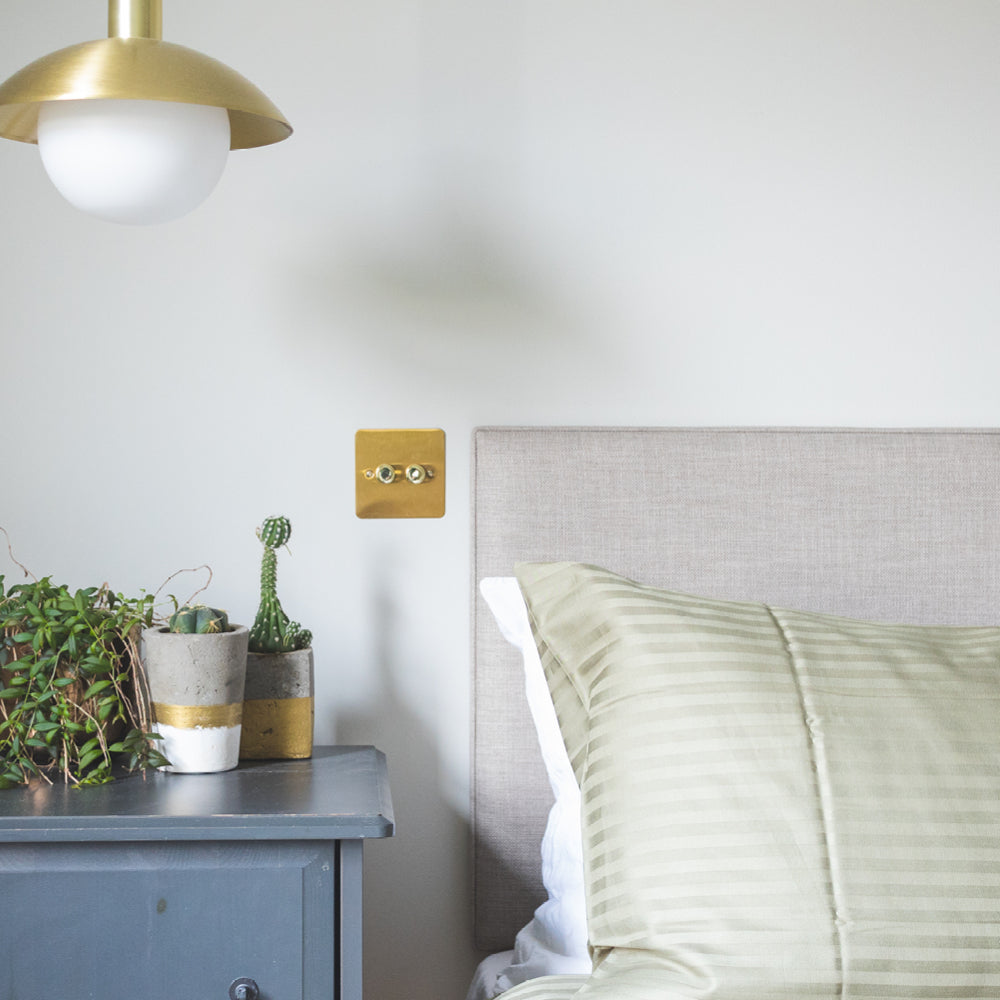
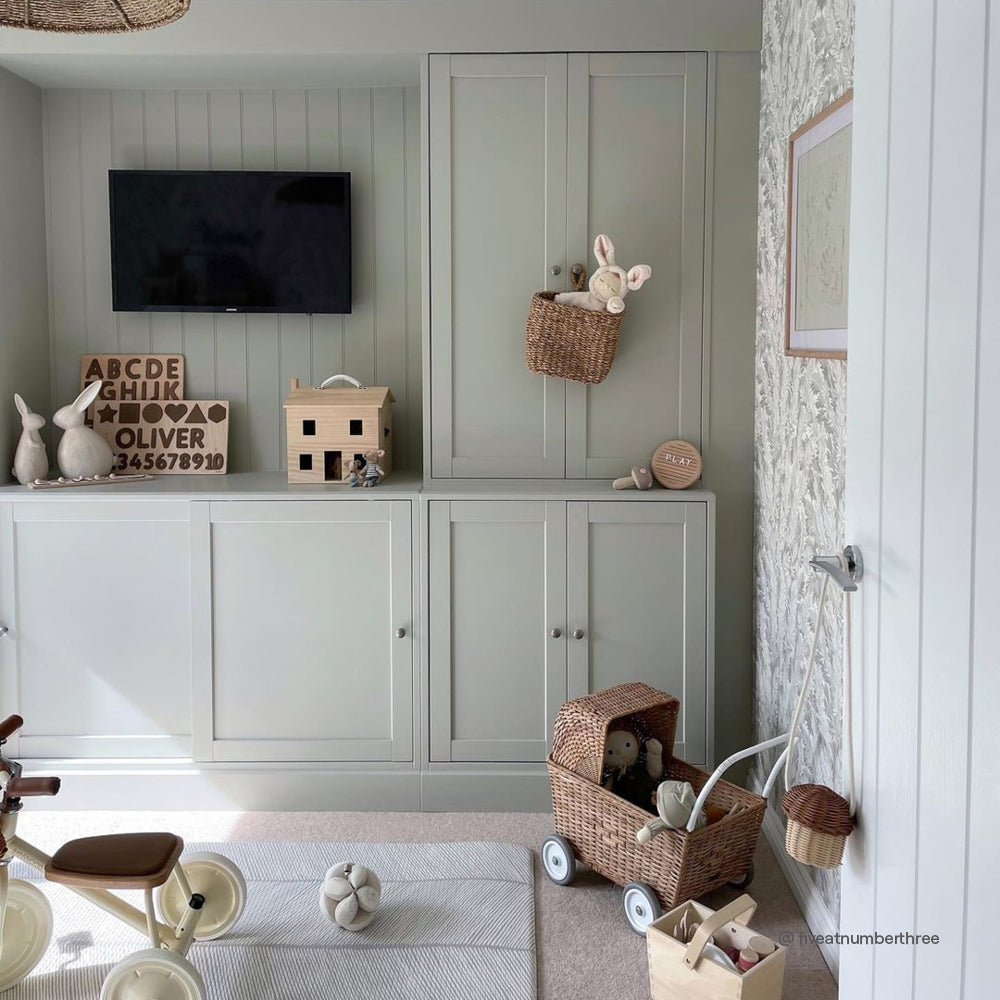
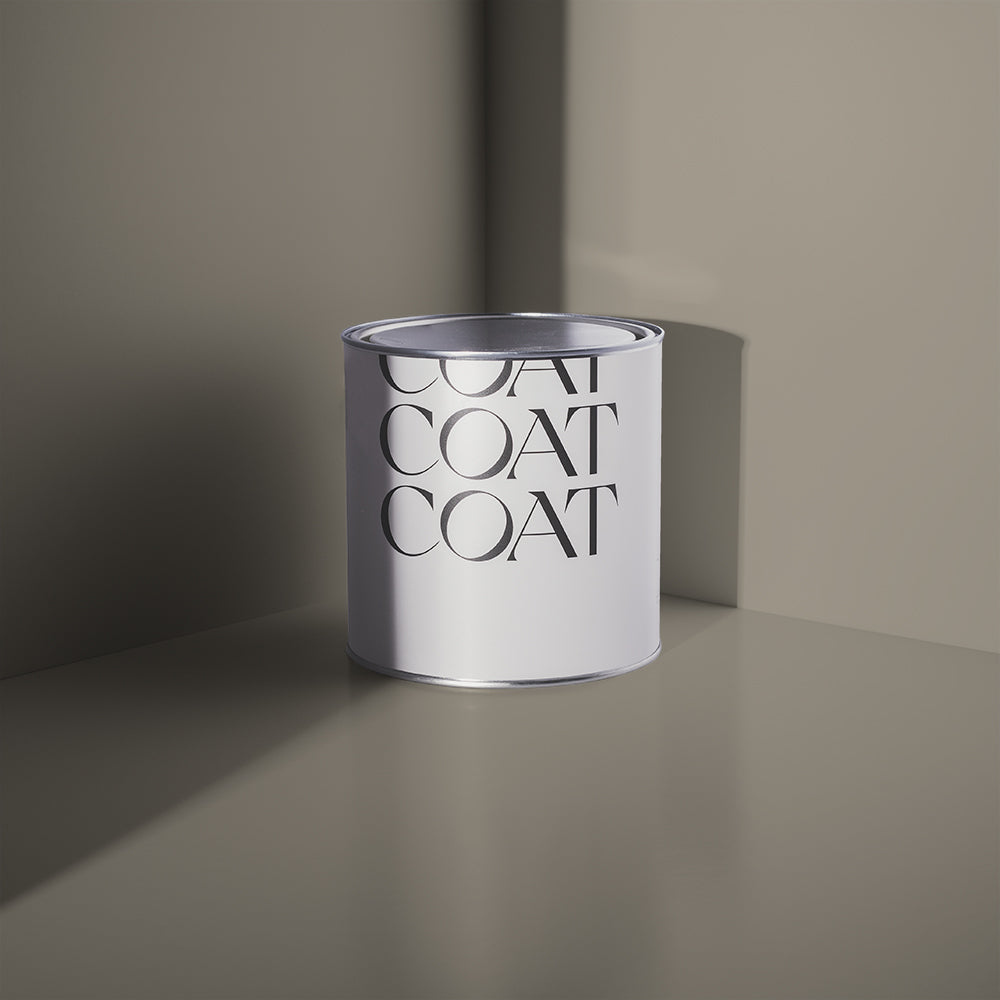
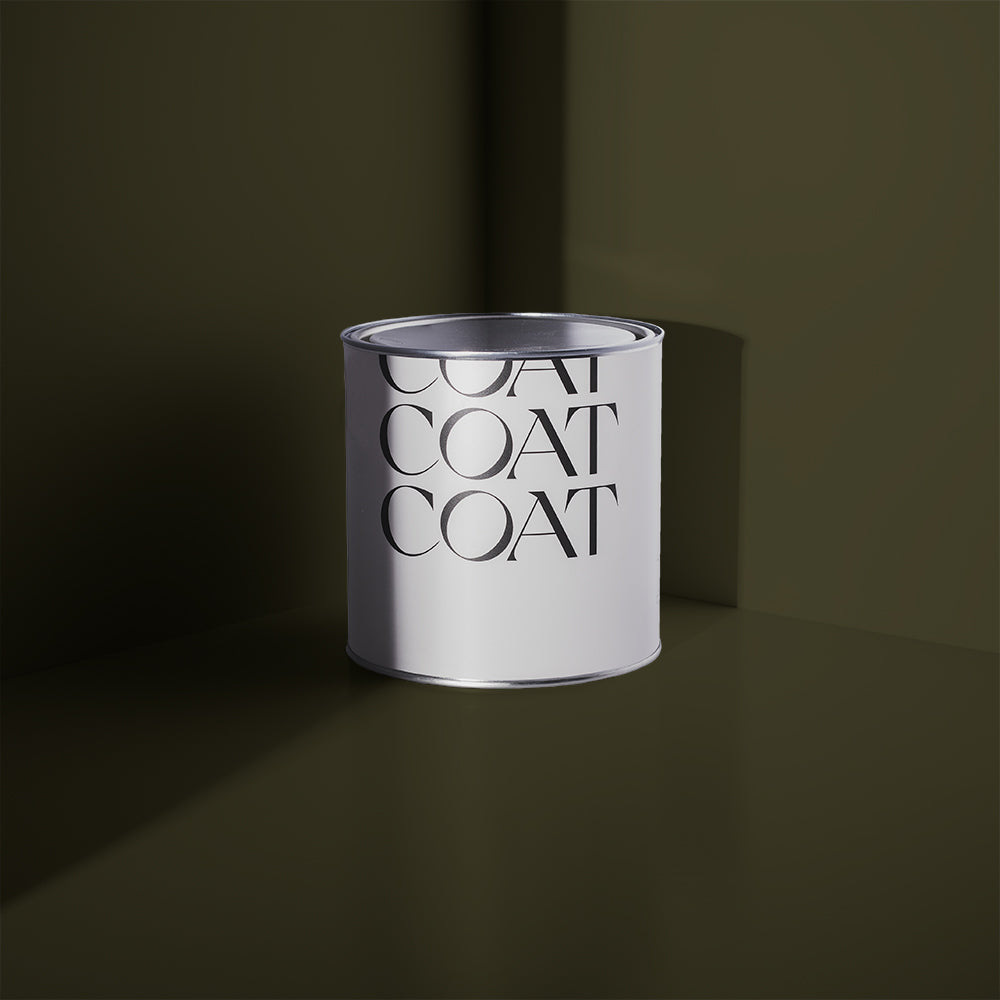
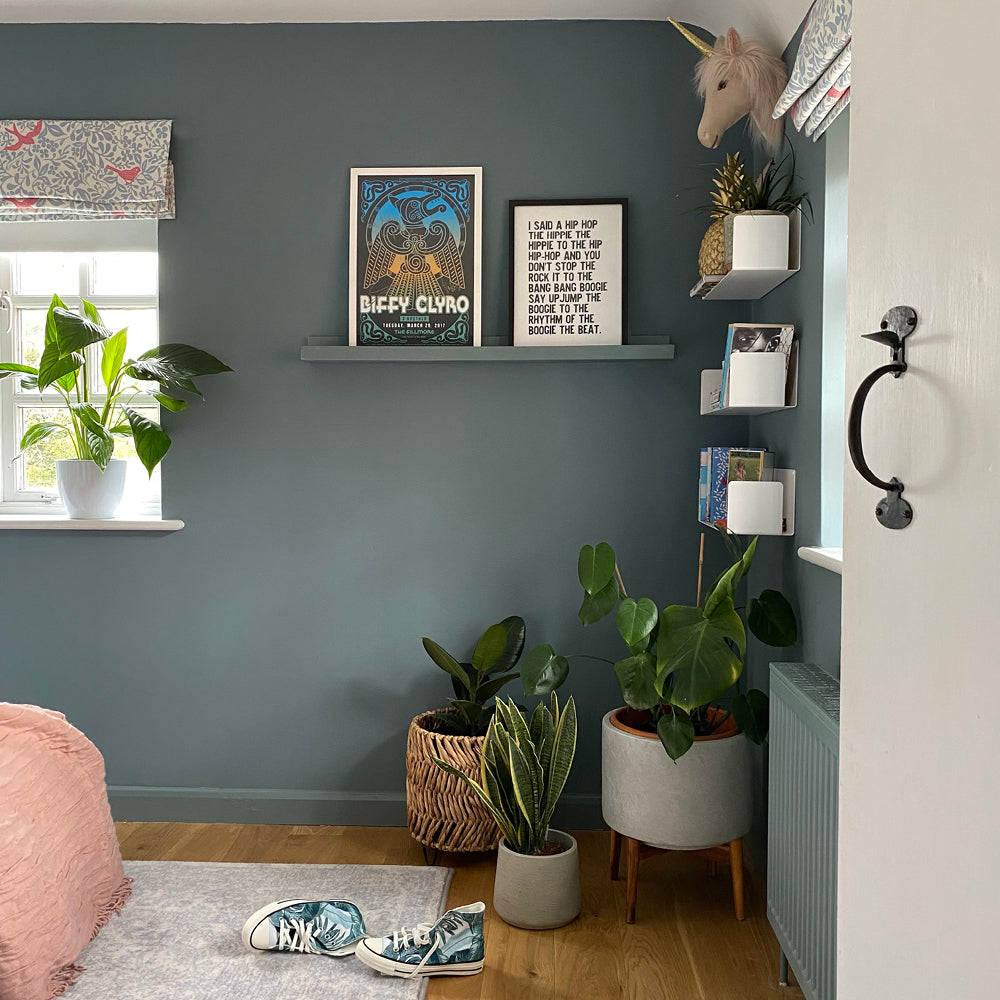
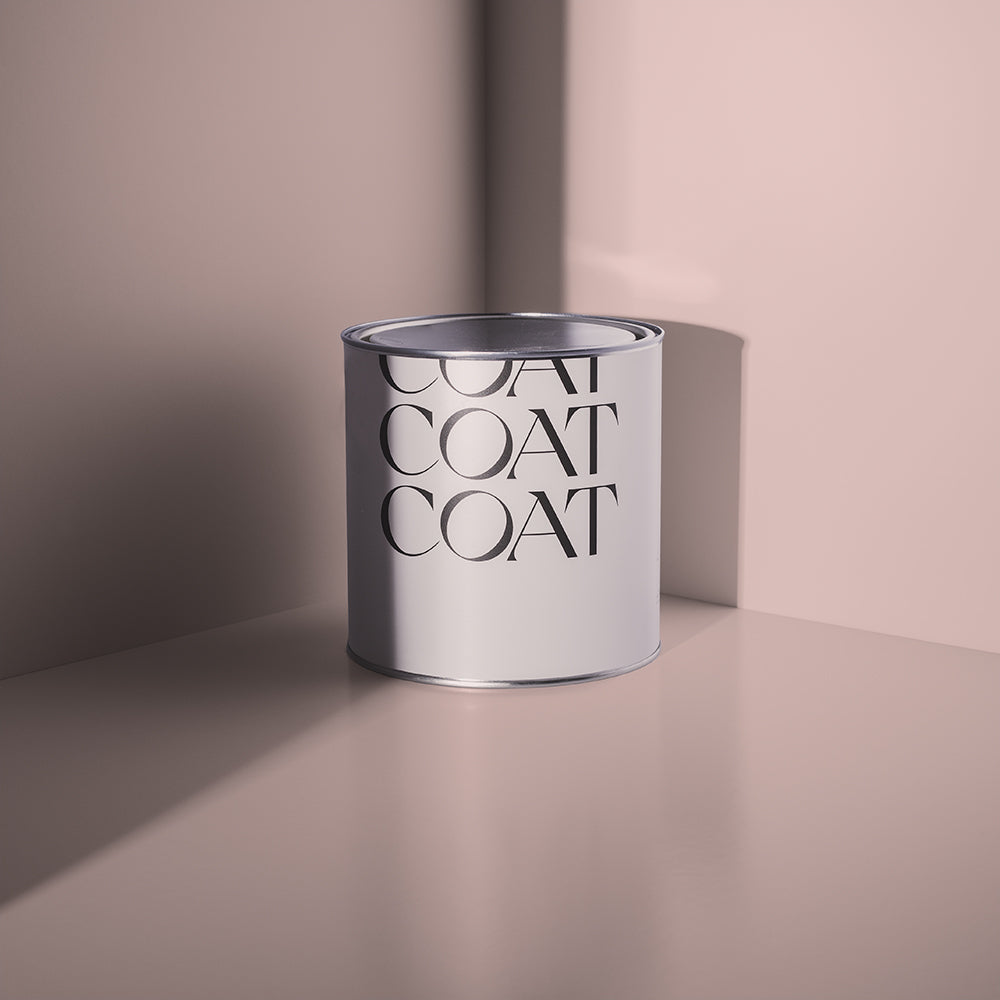
COAT Claypaint shown in Mindful, is designed to be breathable.
Listed buildings and conservation areas: Clay paint is not just appropriate for listed buildings - in many cases, it's the only type of paint that meets conservation requirements. Planning officers and conservation architects increasingly specify breathable lime-compatible finishes for protected structures. Using film-forming paints on Grade I or Grade II listed properties can in some cases contribute to structural damage and may not comply with conservation conditions. Always check with your local conservation officer if in doubt.
What Makes COAT's Clay Paint Different
COAT's Flat Matt Clay Paint is made to order in the UK, freshly produced for each order with zero waste. It is formulated with ultra-low VOCs (Max 0.01g/l) - market leading, and the lowest of any product in the COAT range - with an A+ indoor air quality rating, too.
Key specifications:
- Finish: Flat Matt, 2% no sheen
- SD Value: 0.02 (highly breathable)
- VOC: Max 0.01g/l
- Indoor Air Quality Rating: A+
- Coverage: 10-15m² per litre (2 coats recommended)
- Drying time: Touch dry in 2 hours, re-coatable in 4 hours
- Available in: 2.5L and 5L
- Application: Brush or roller - not sprayer
Unlike other Clay paint products, COAT's is also made to be durable enough to stand up to modern life. You'll find that many other natural-based paint products lack this durability - verified as Scrub Class II by industry standards - and ease of use. Our hybrid formulation provides both the natural base ingredients, and modern resin technology that gives you the best of breathability and a long lasting finish.
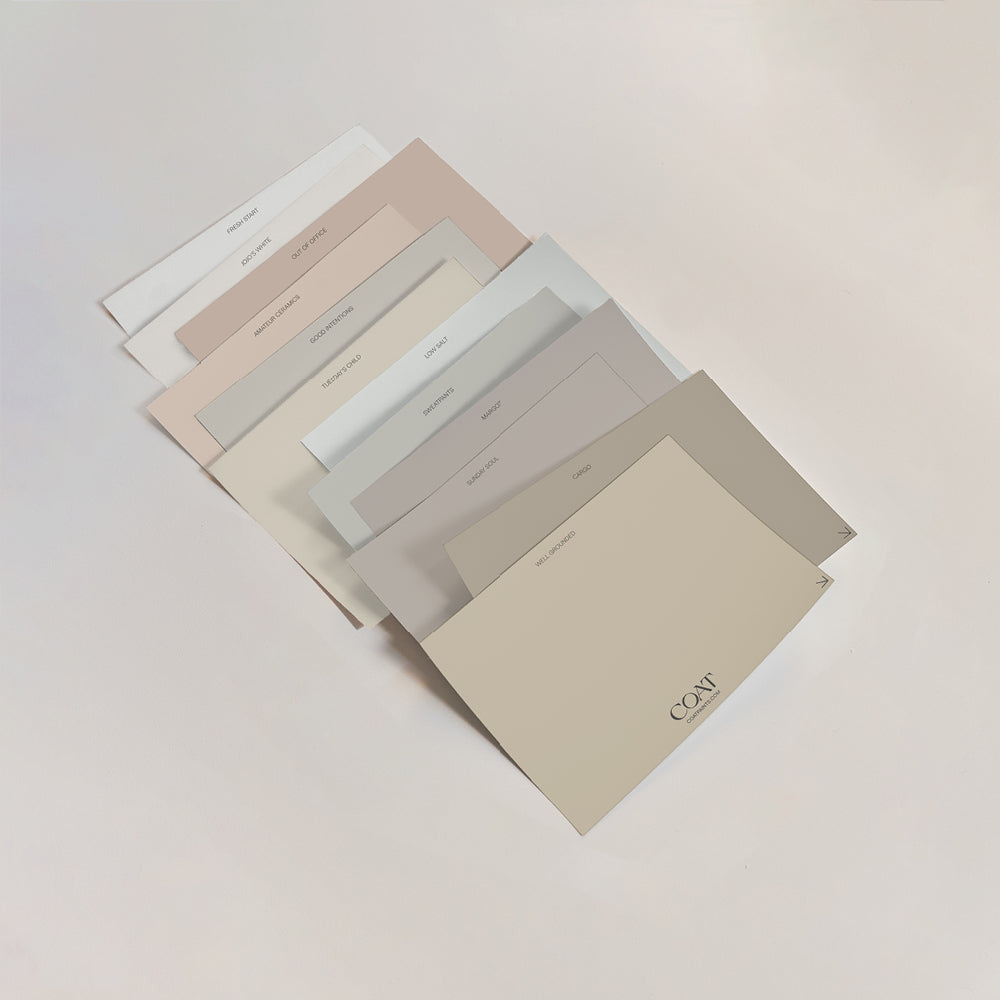
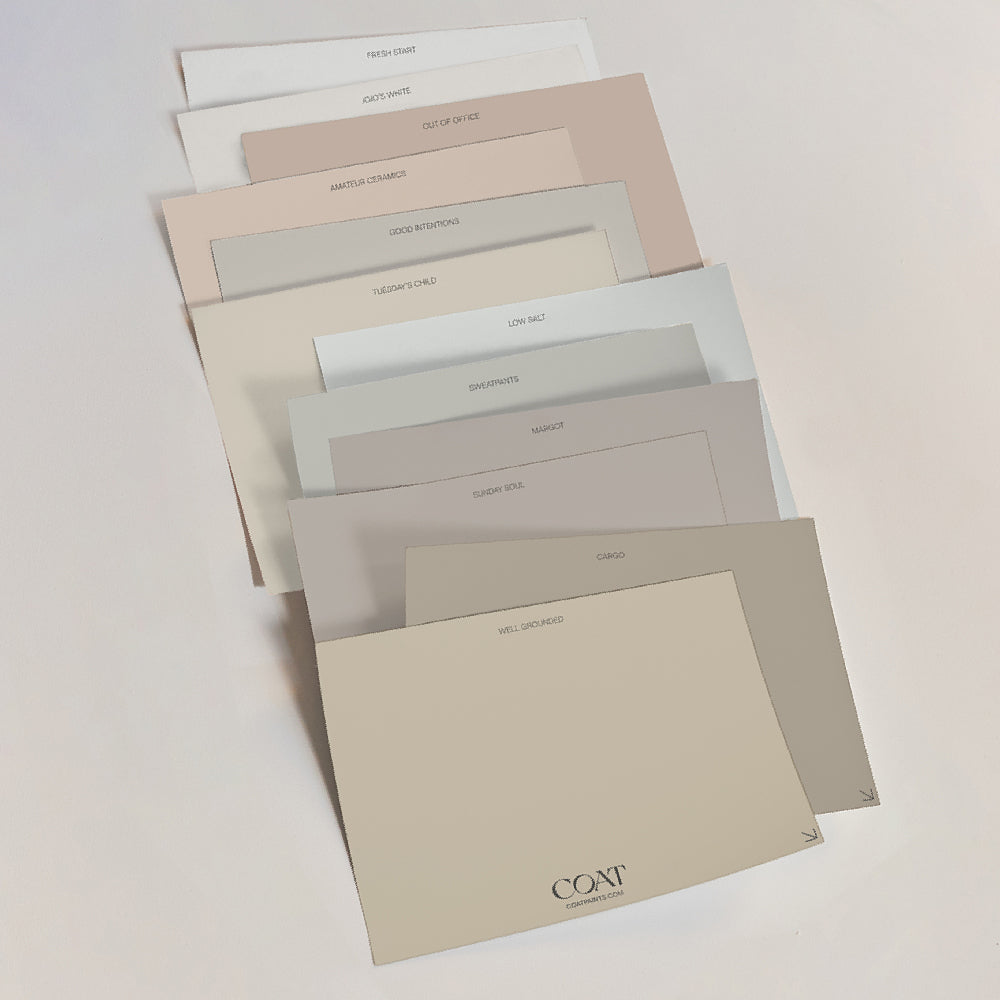
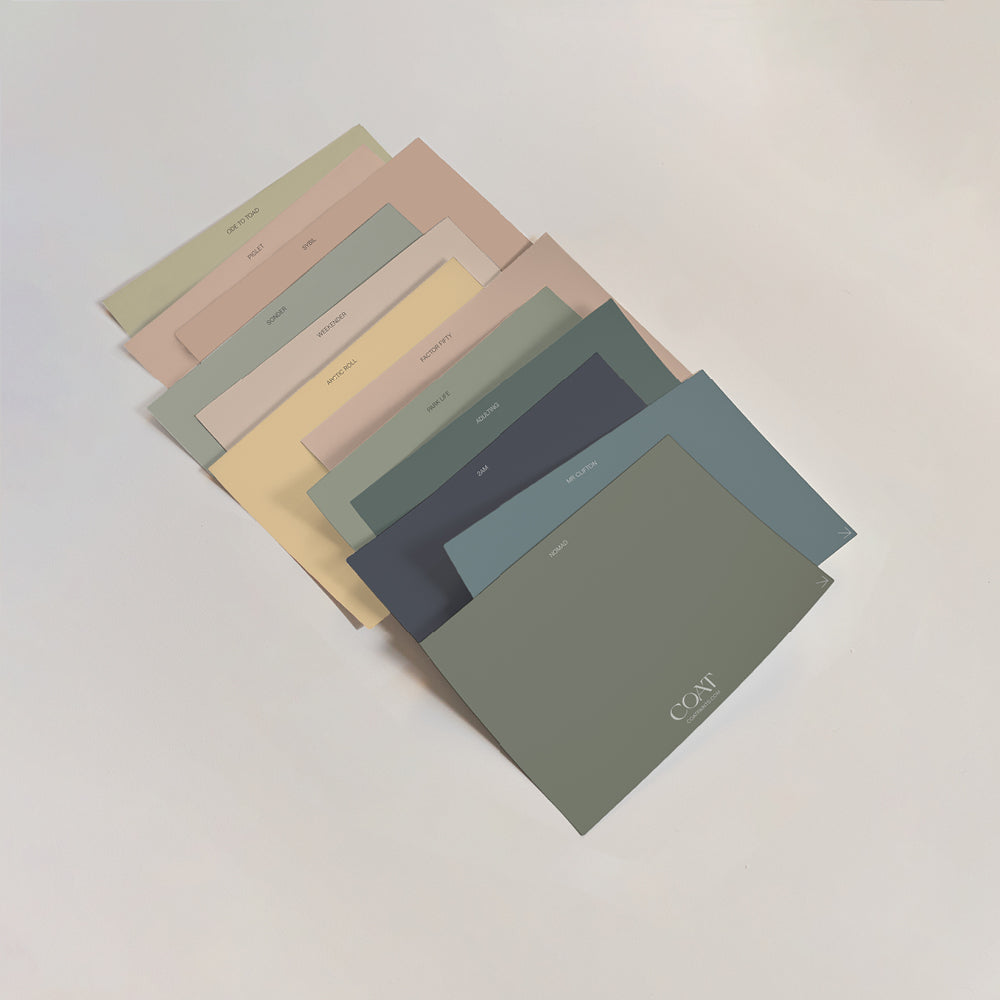
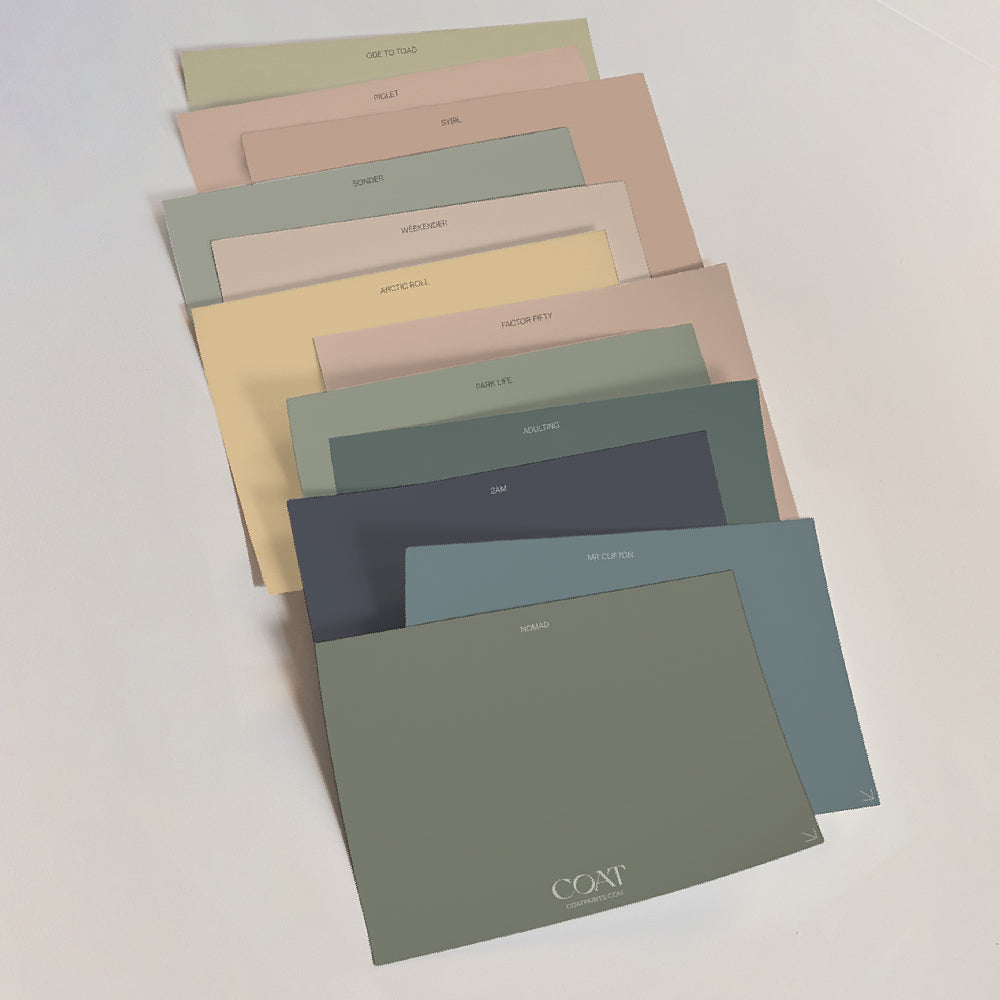
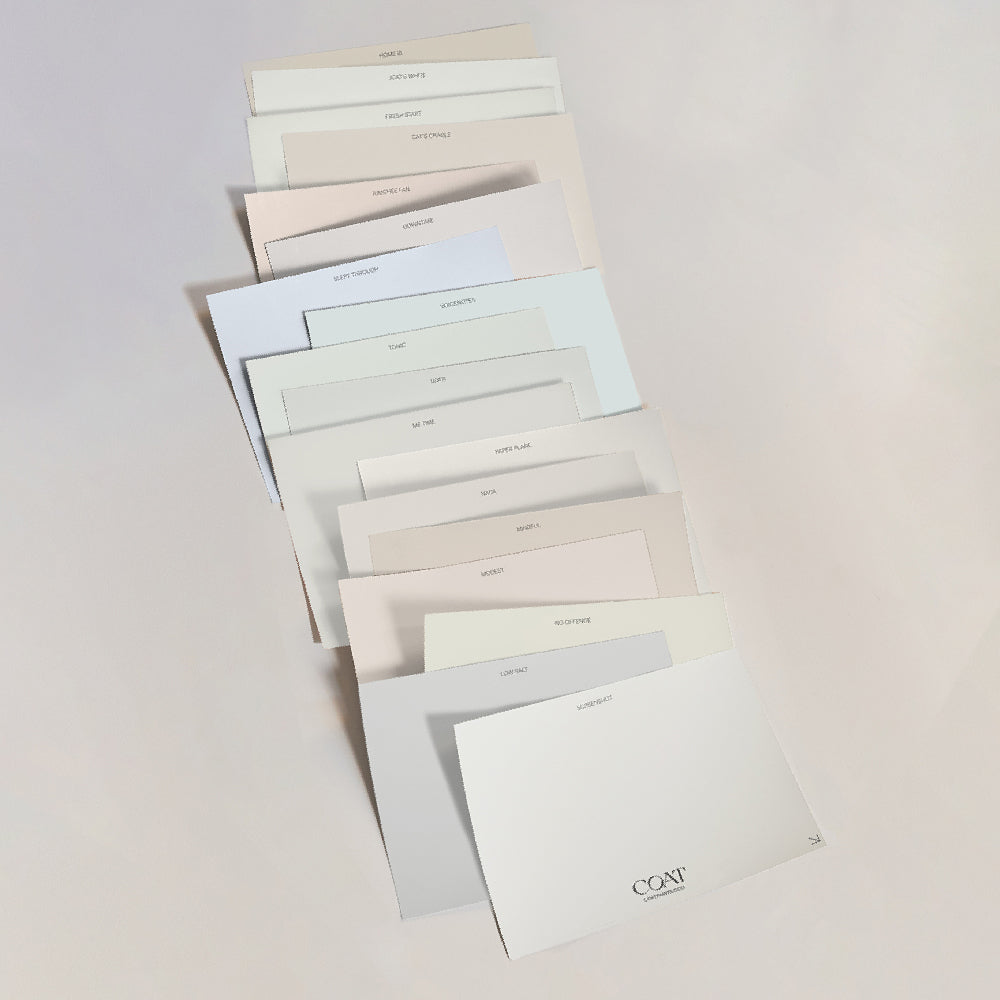
90% of COAT's colour palette is available in the Clayaint range, too. So whether you're drawn to the warm plaster feel of Weekender, the grounded depth of Cold Brew, or the effortlessness of Sunday Soul - there's a colour for you.

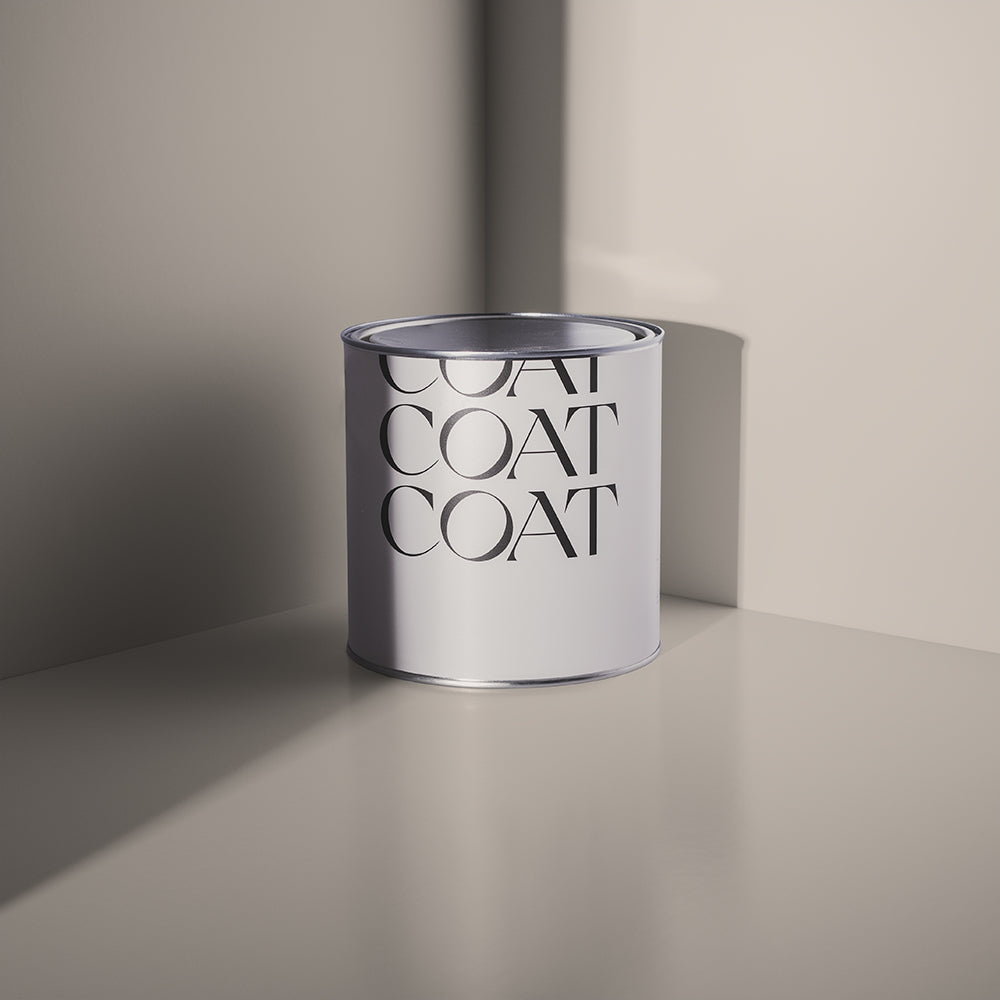
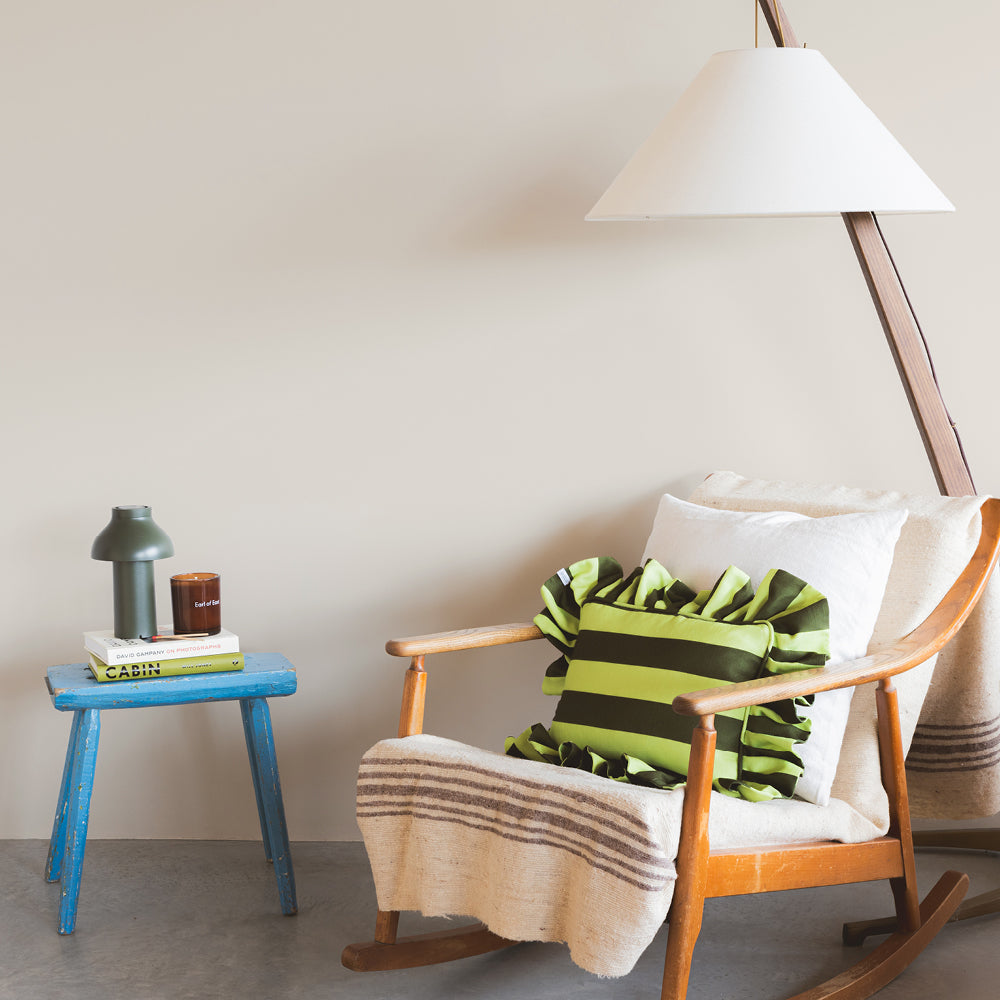
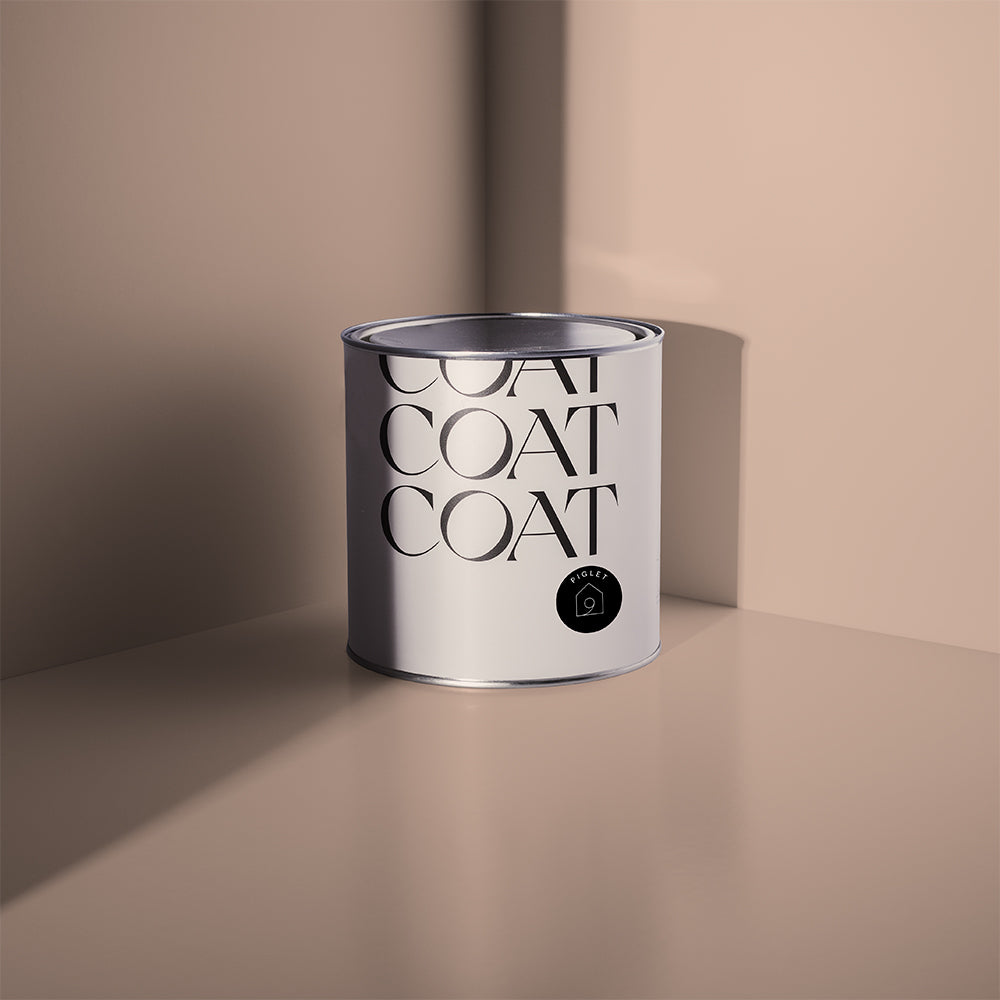
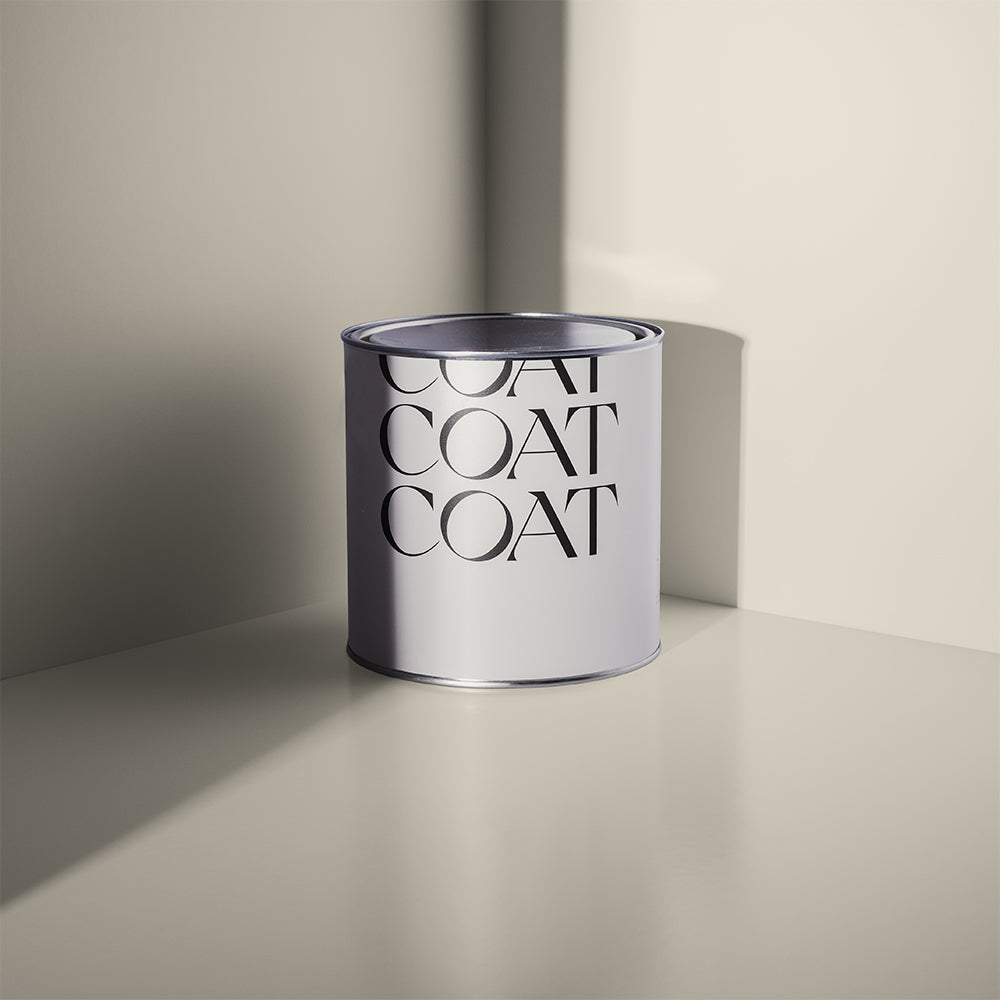
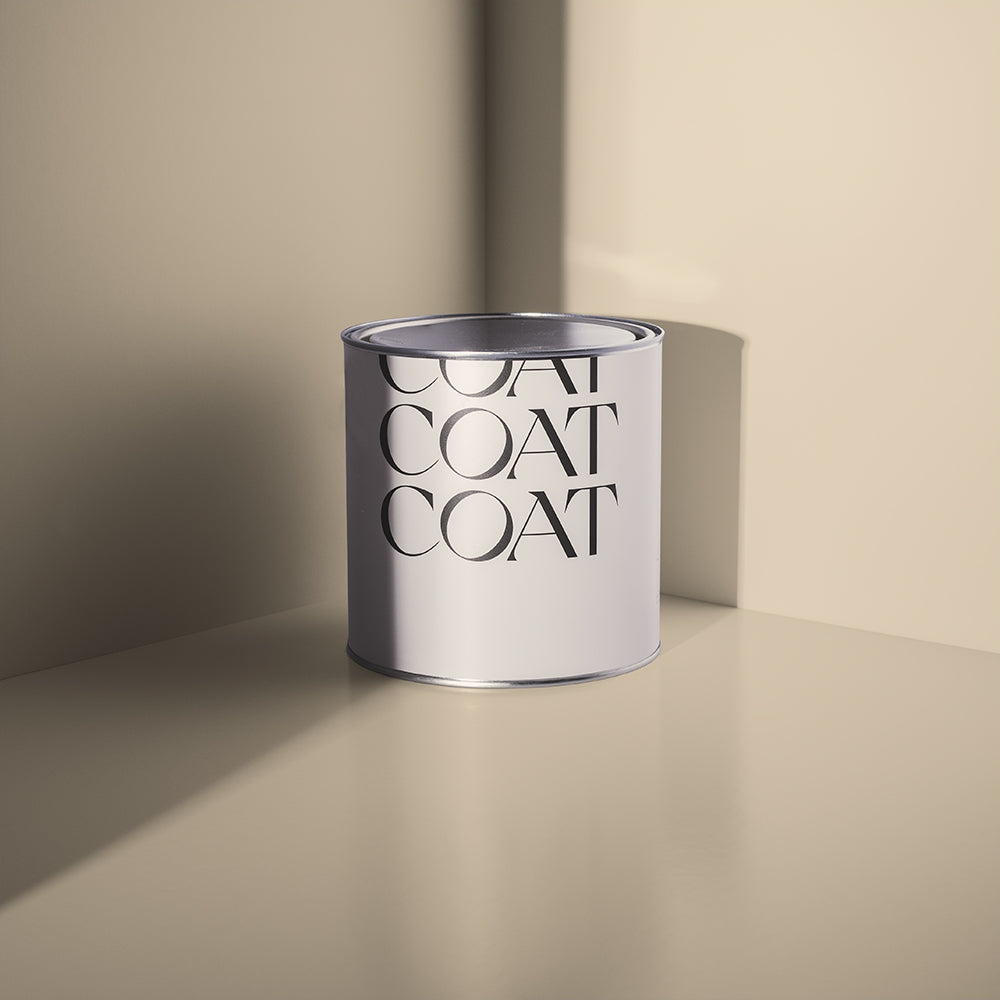
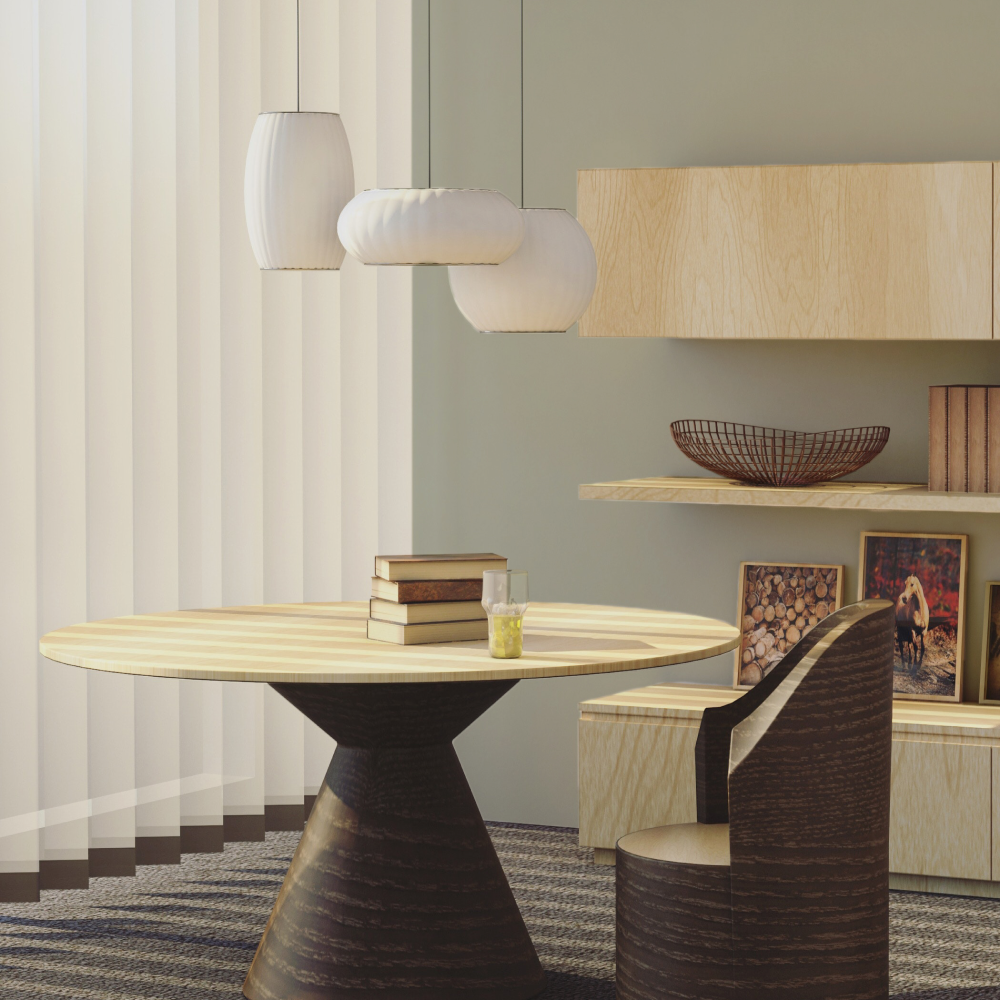
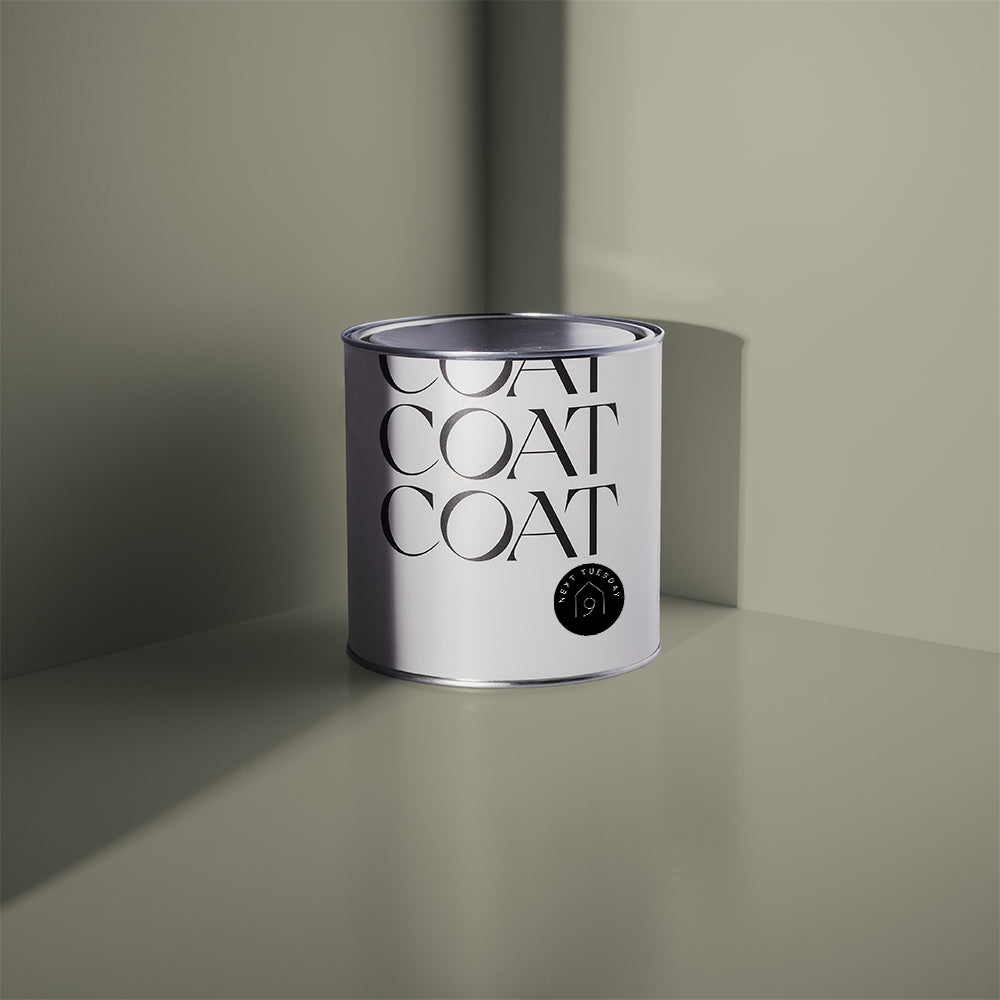
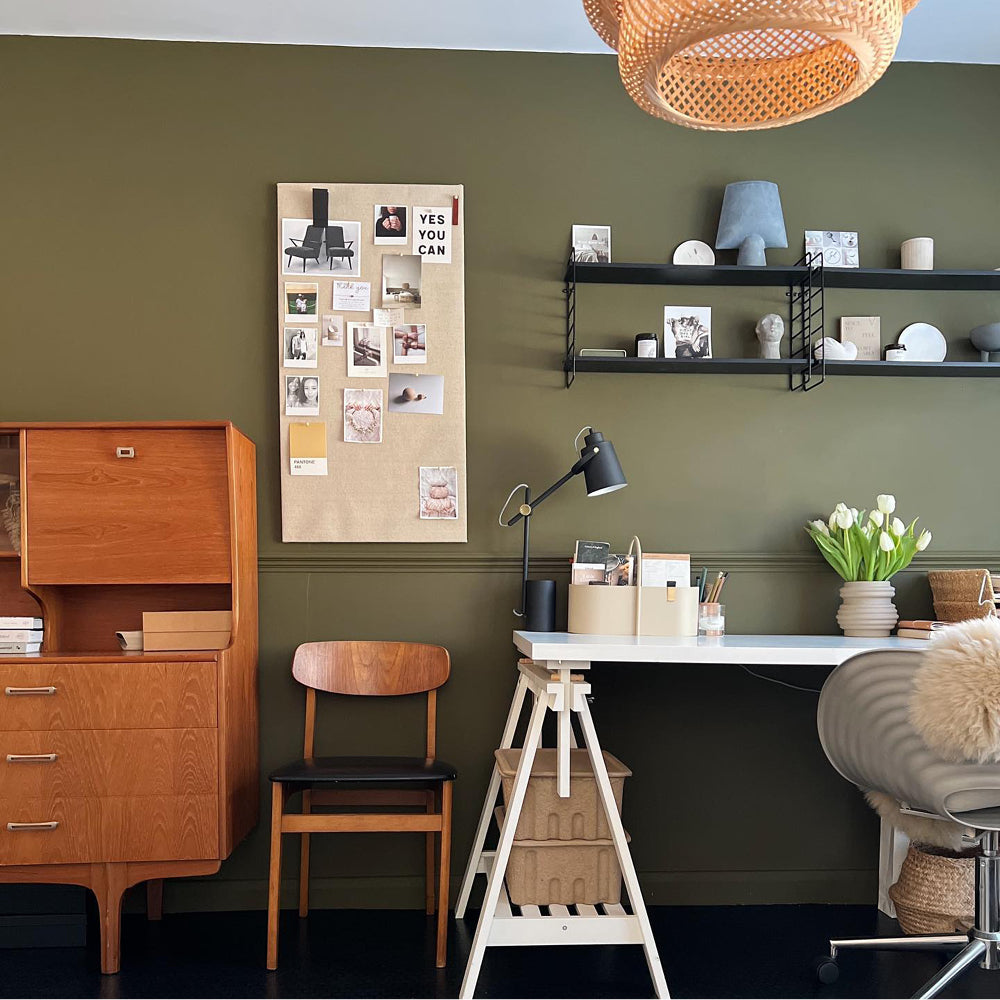
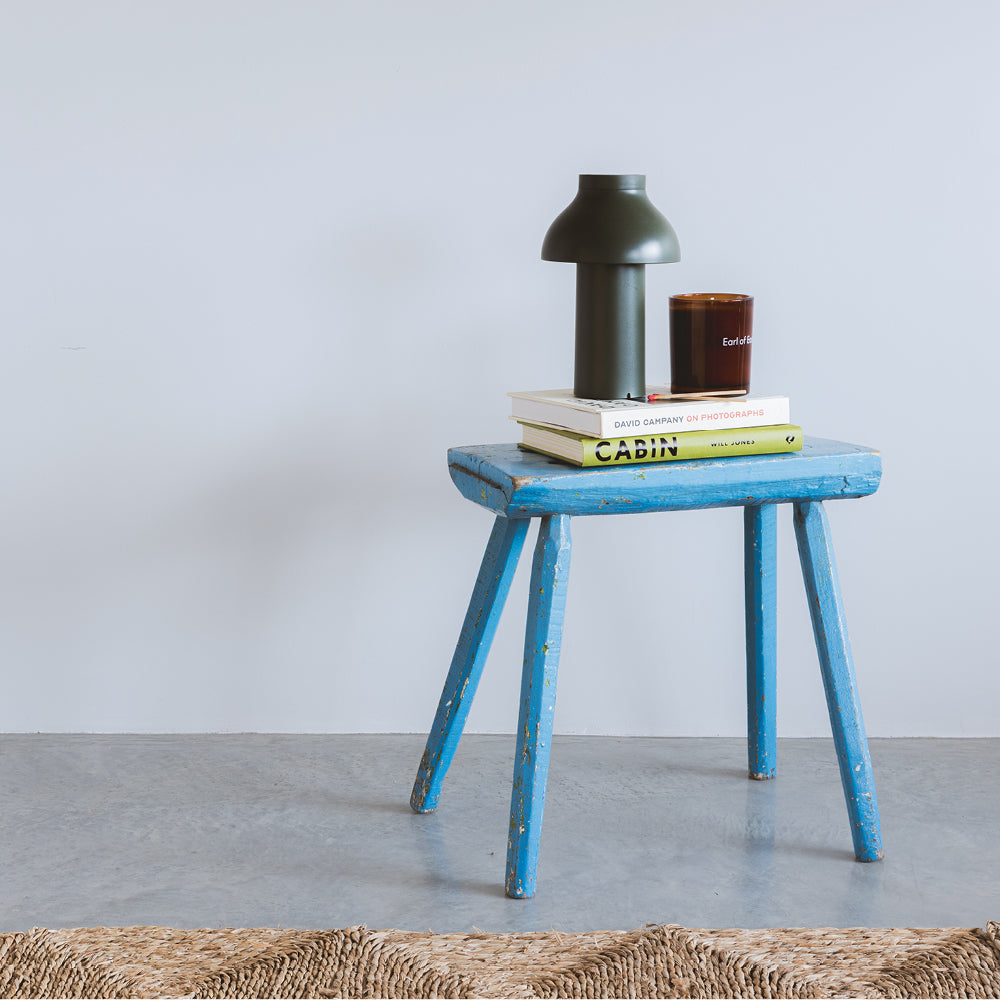
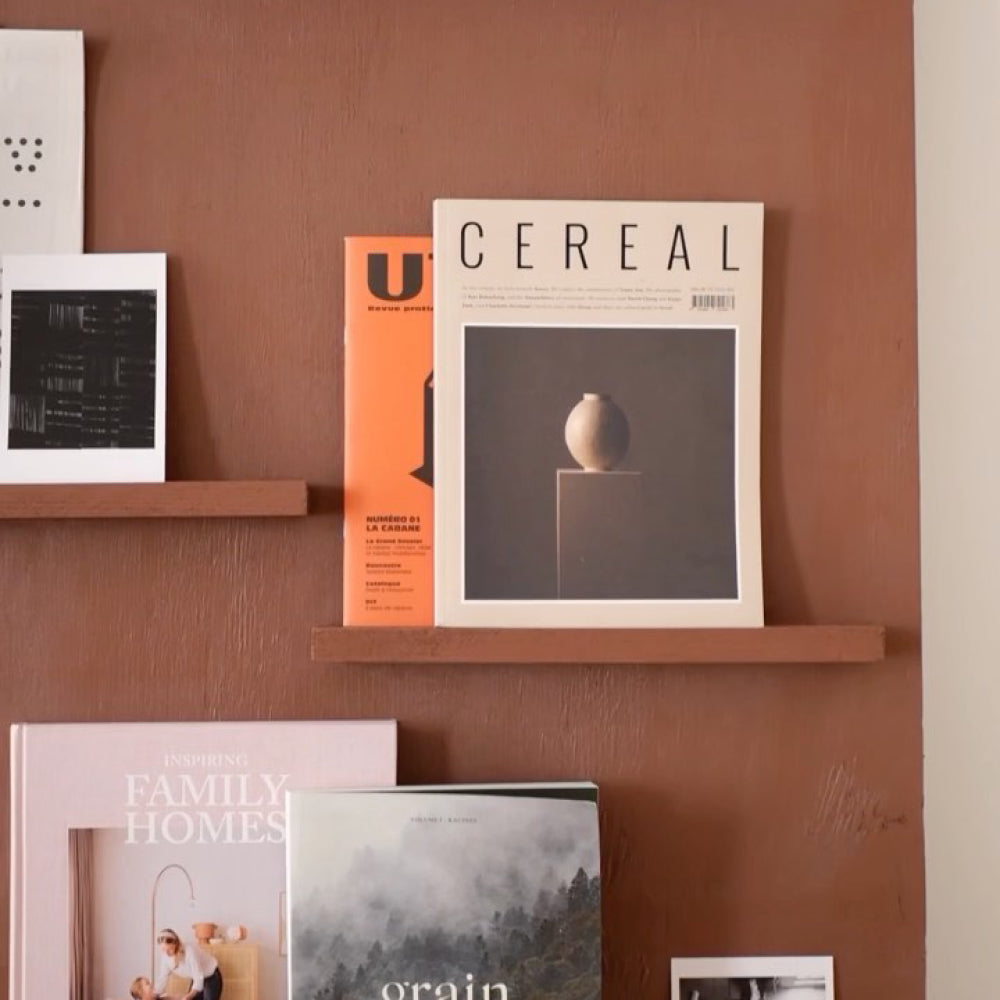
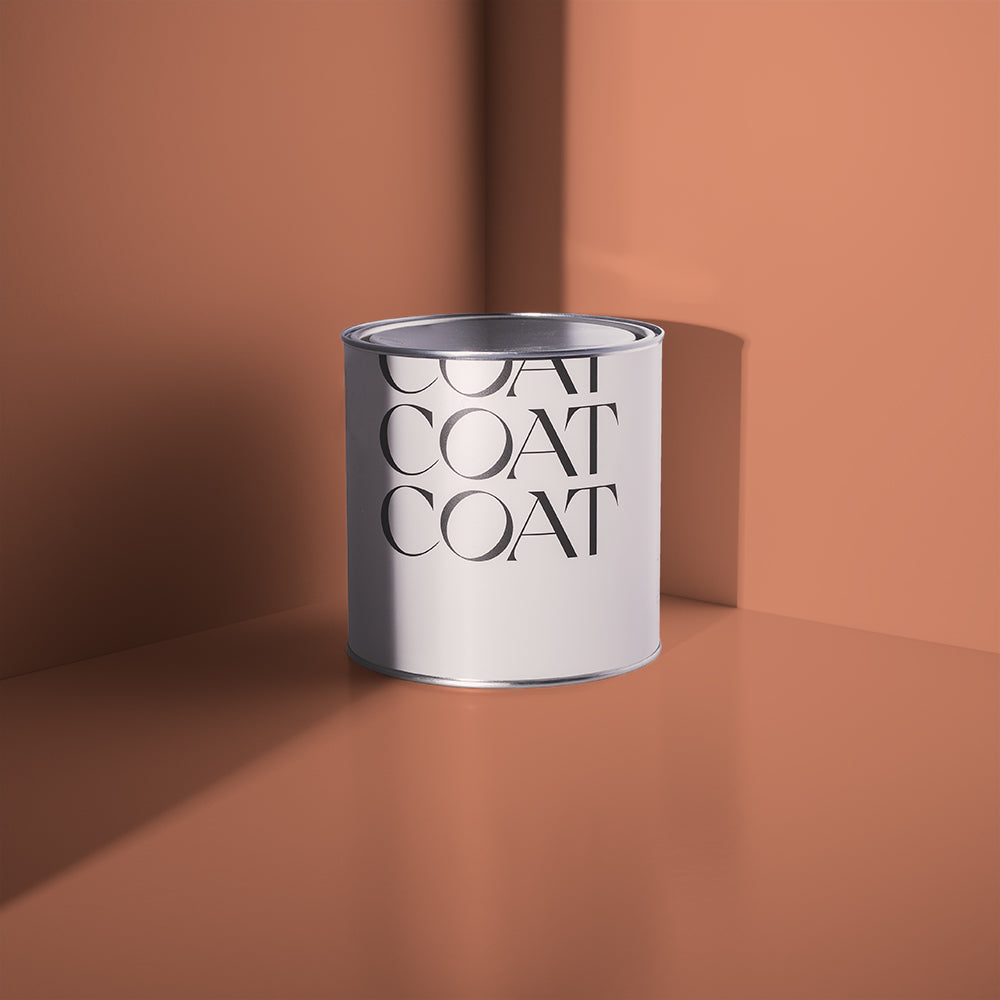
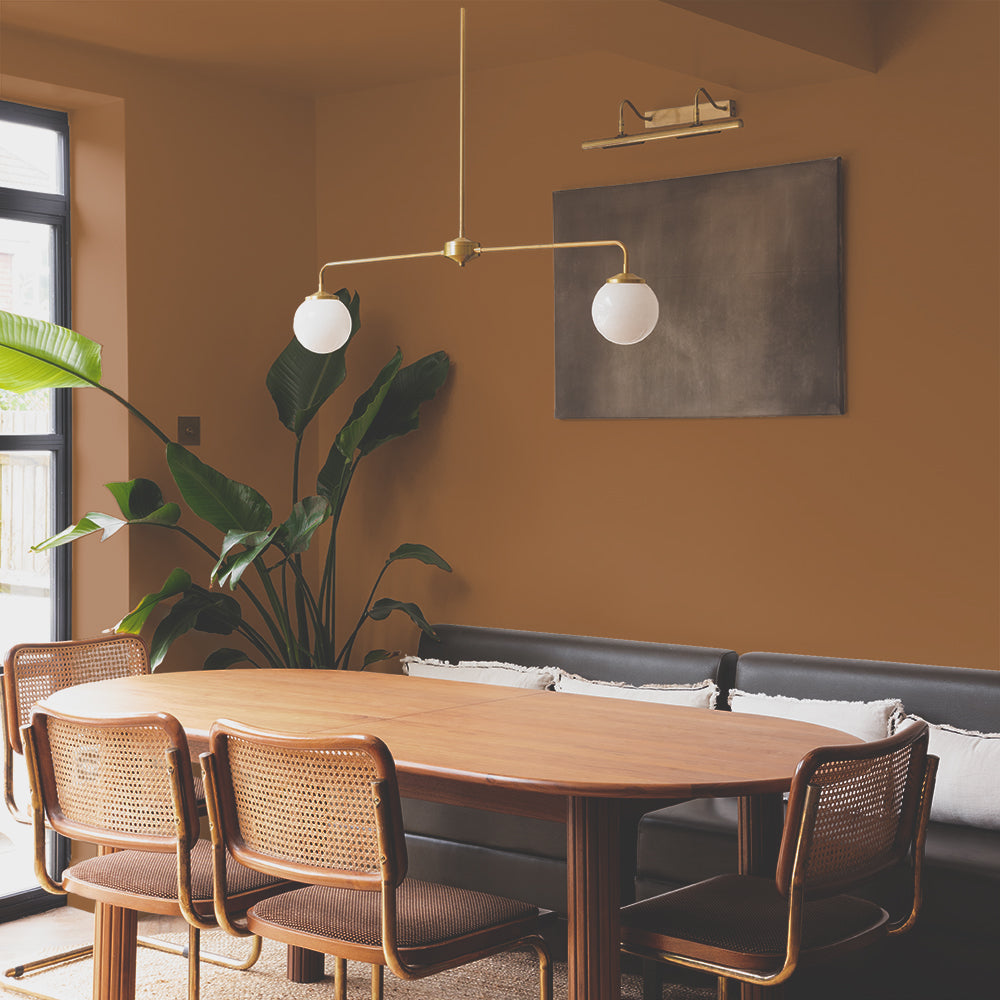
COAT Claypaint shown in Weekender, is both natural-based and durable.
Colour for Period Properties: Where to Start
One of the quiet strengths of Clay paint is that the finish itself does a lot of the work. The chalky, light-absorbing flat matt finish is inherently sympathetic to period interiors - it doesn't fight the age-earned architecture. That said, colour choice still matters, and old houses reward colours that feel considered rather than stark.
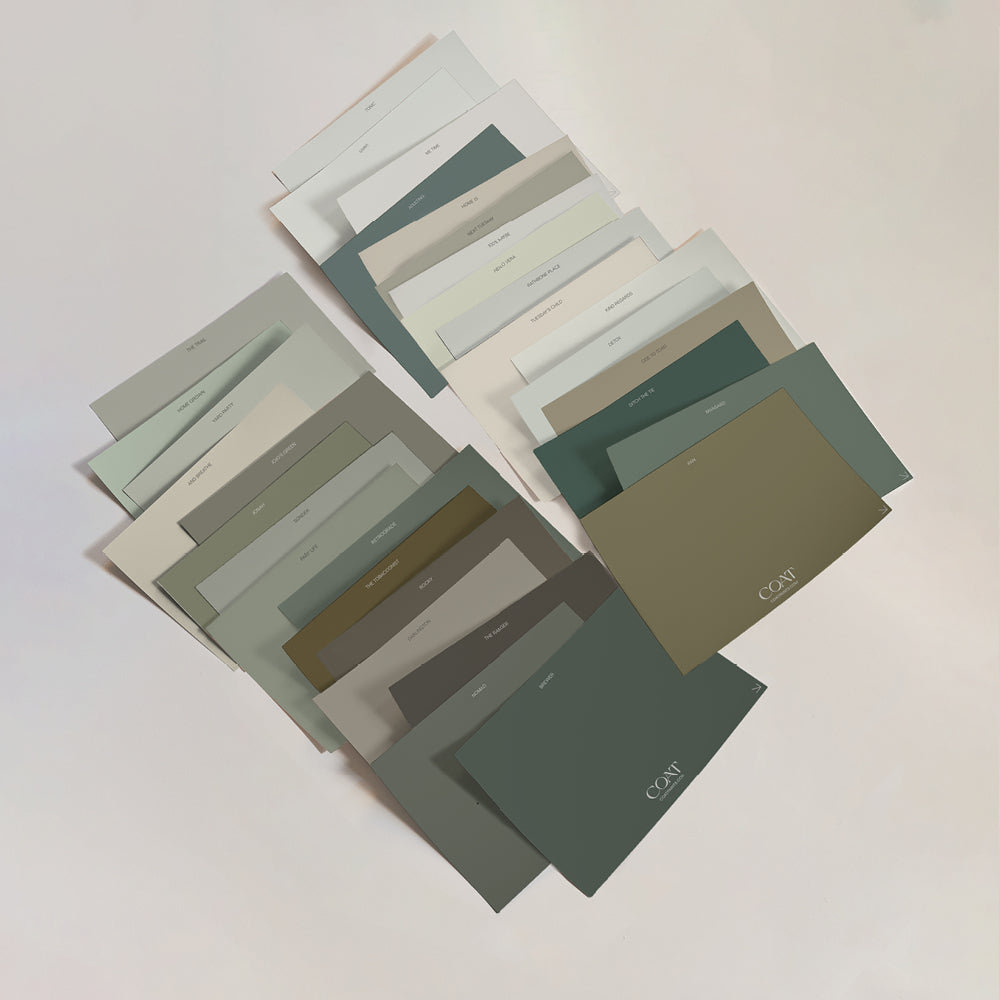
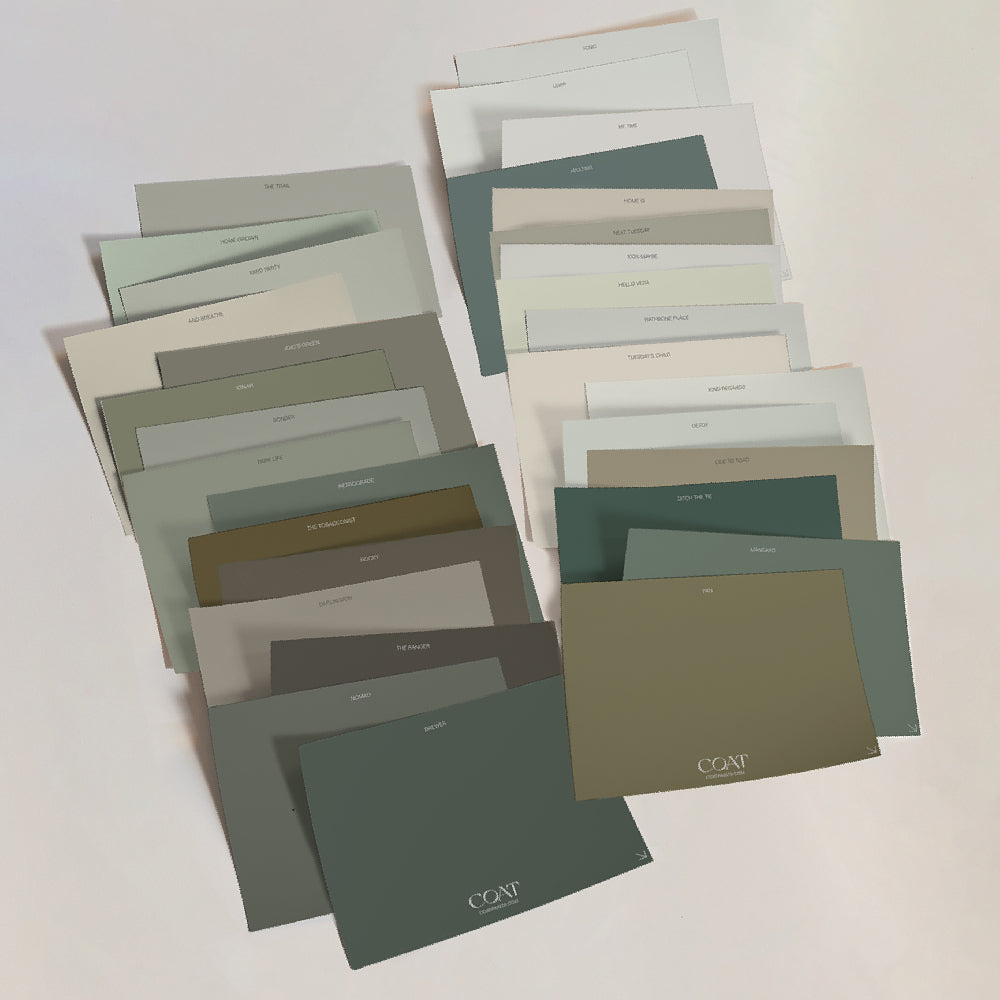
Here are some natural starting points from the COAT palette, all available in the Claypaint range:
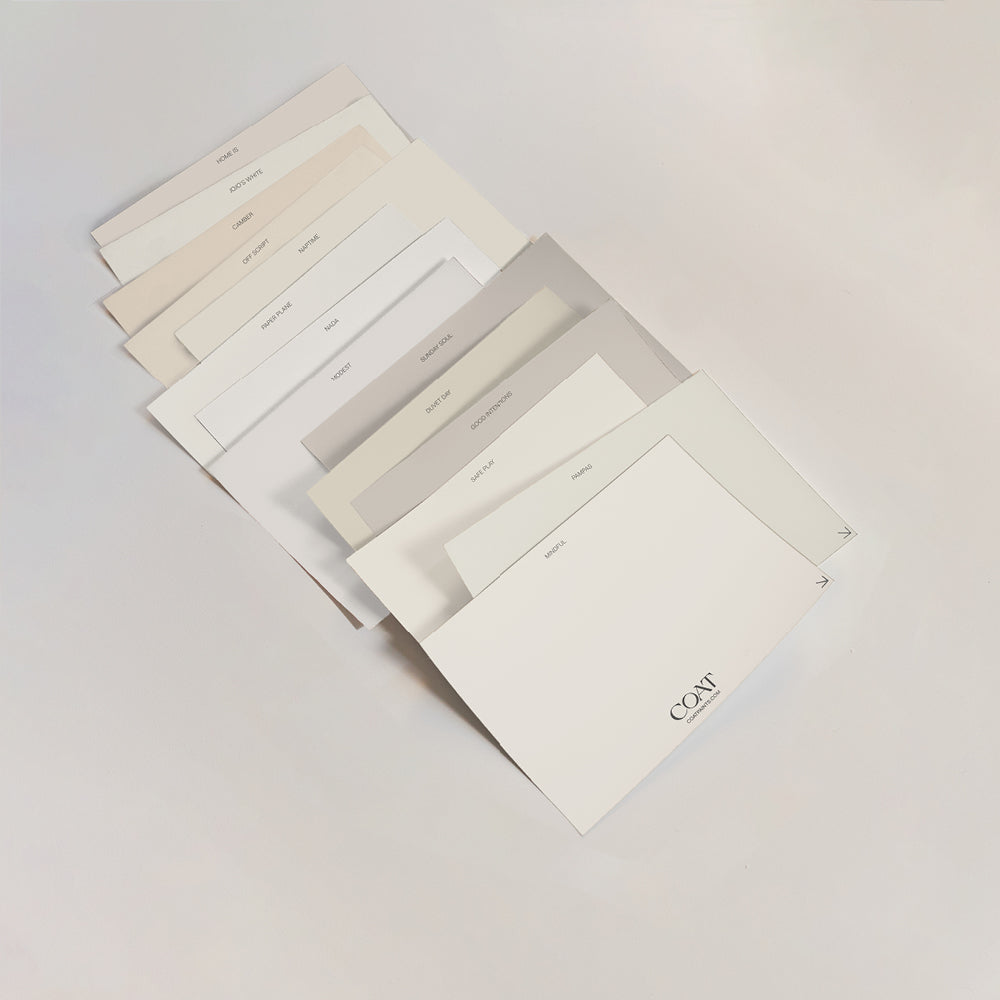
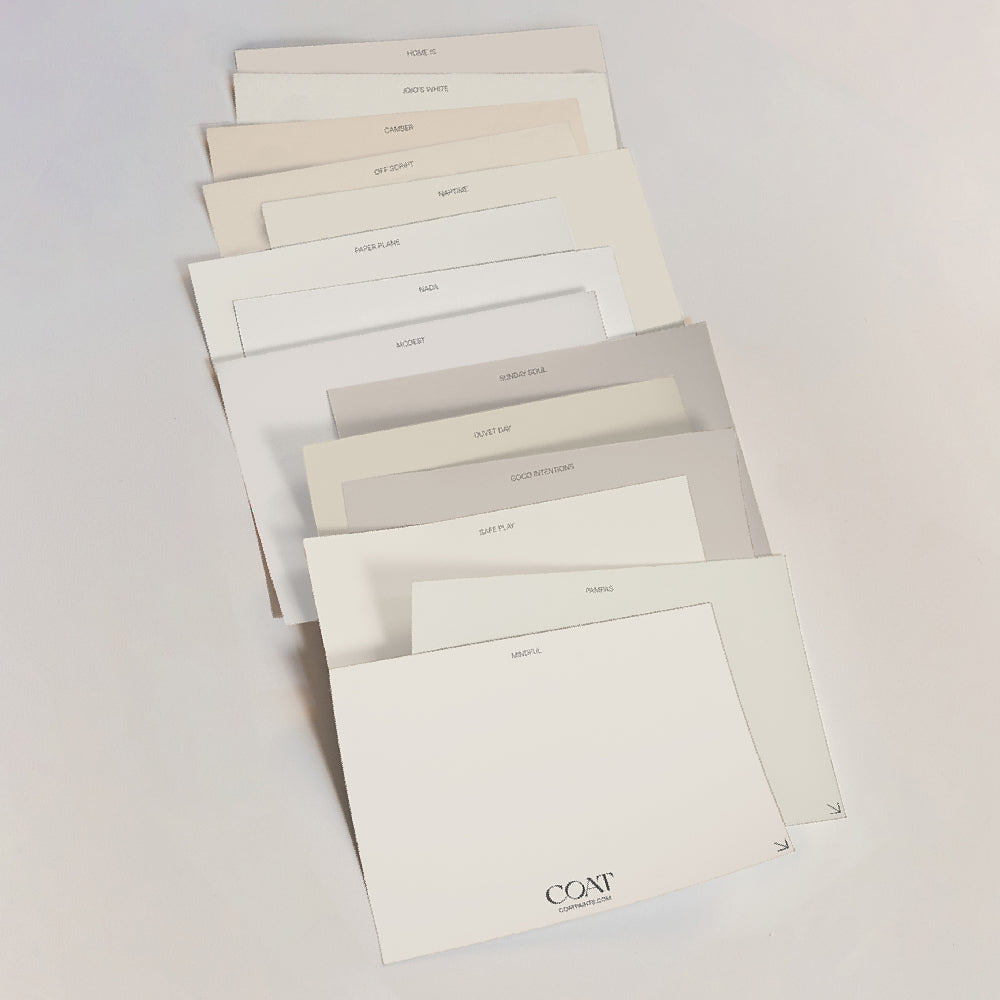
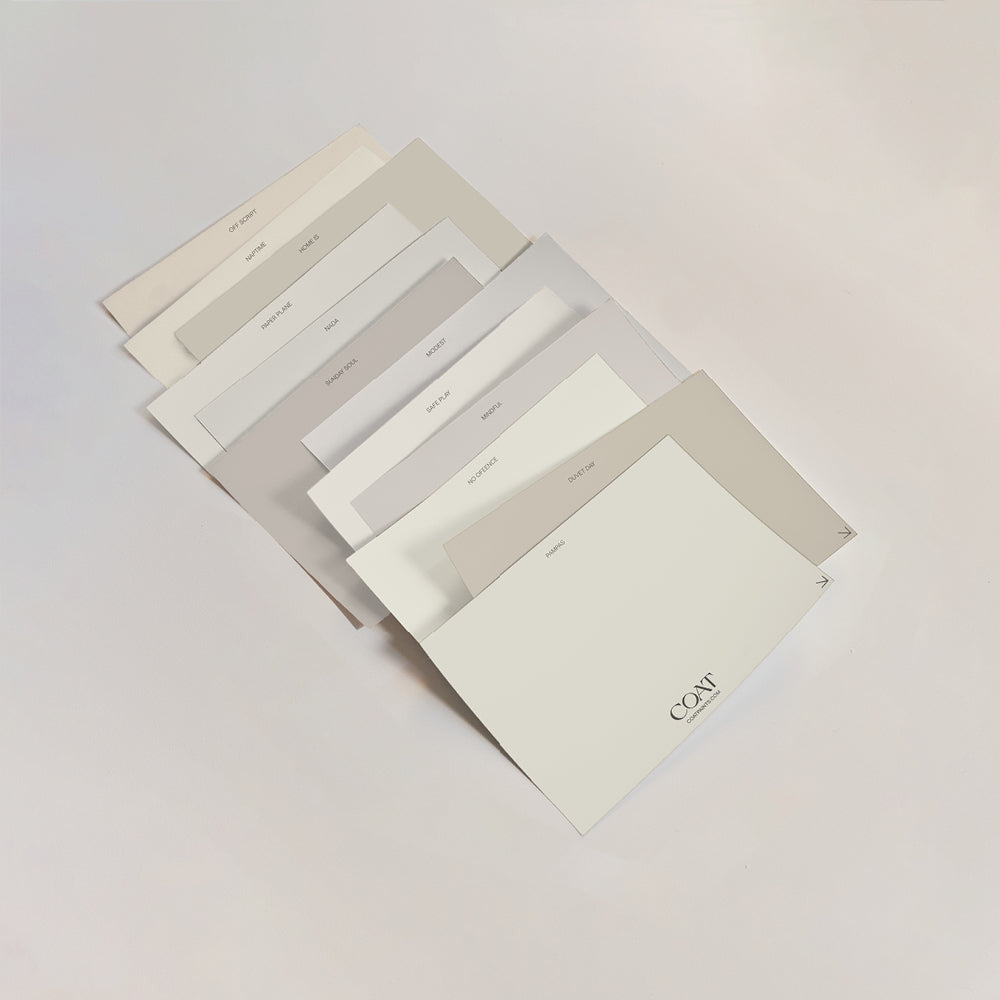
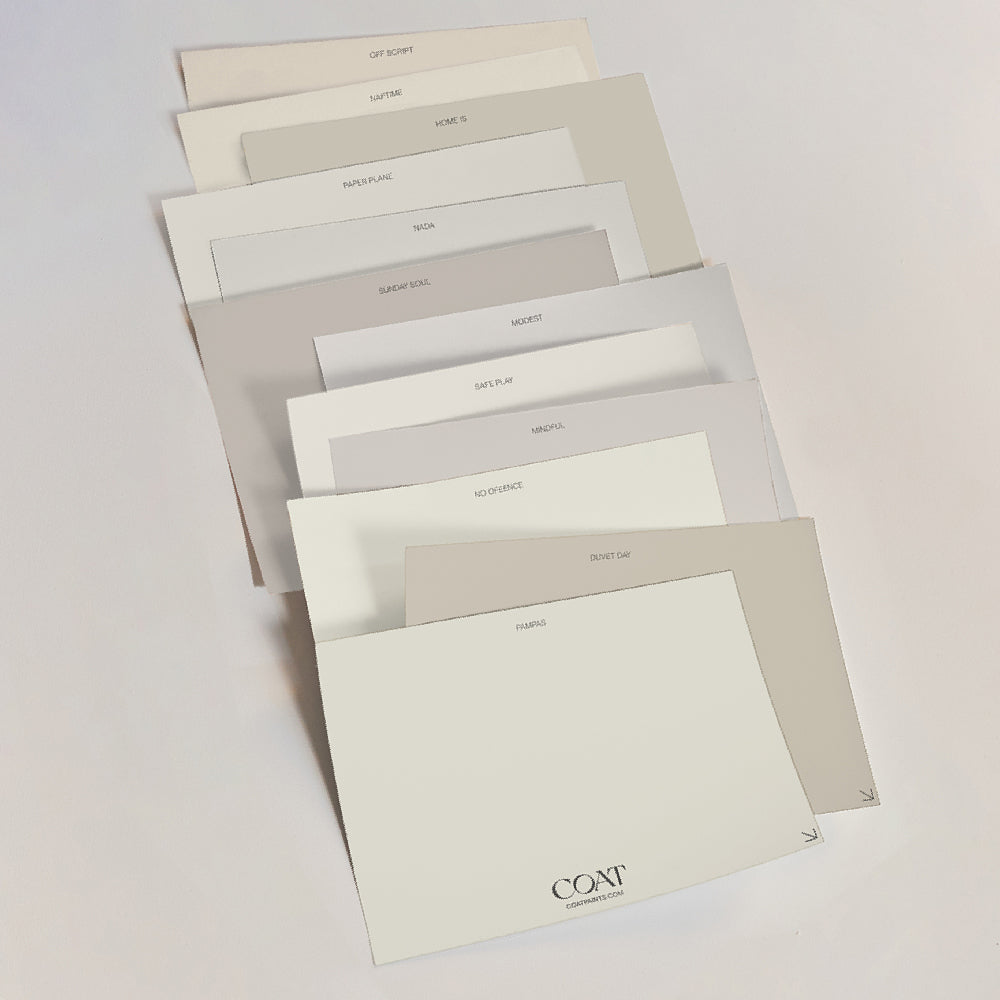
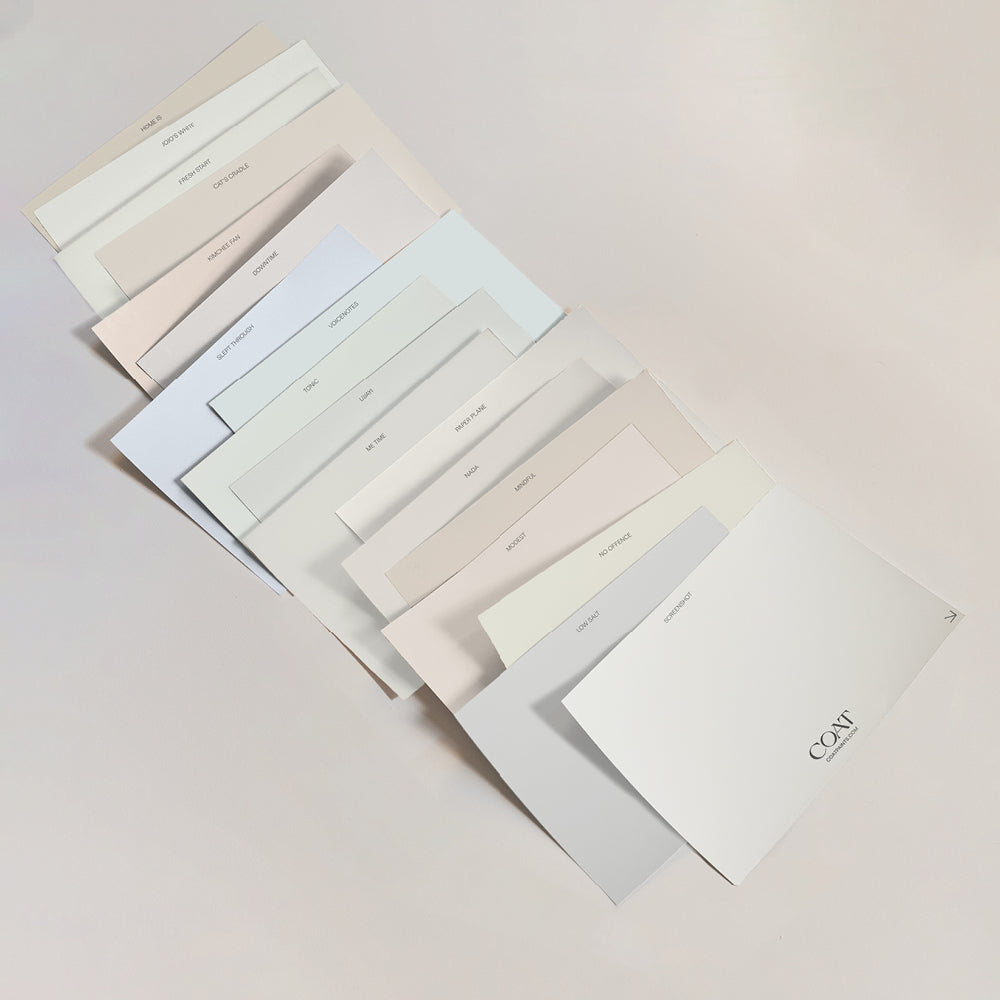
Warm whites and off-whites The classic choice for lime plaster walls, and for good reason. Modest is a grounded off-white with just enough warmth to feel right in any light - a reliable base for period reception rooms or bedrooms. Pampas has an organic, slightly greige warmth that pairs particularly well with original timber and natural materials. For ceilings on lime plaster, Ujjayi - a sage-tinged off-white - adds subtle freshness without feeling too clean or contemporary.
Soft neutrals and plaster tones Period properties have their own palette memory - the plasters, stones, and earths that were always present. Weekender captures exactly this: a warm plaster tone with genuine depth that feels like it belongs rather than was chosen. Buon Fresco, named after the Italian technique of painting into wet plaster, has a rich, wet-plaster vibe that's quietly confident on lime walls. Well Grounded is a biscuity beige that works effortlessly in mid-century and Georgian interiors alike.
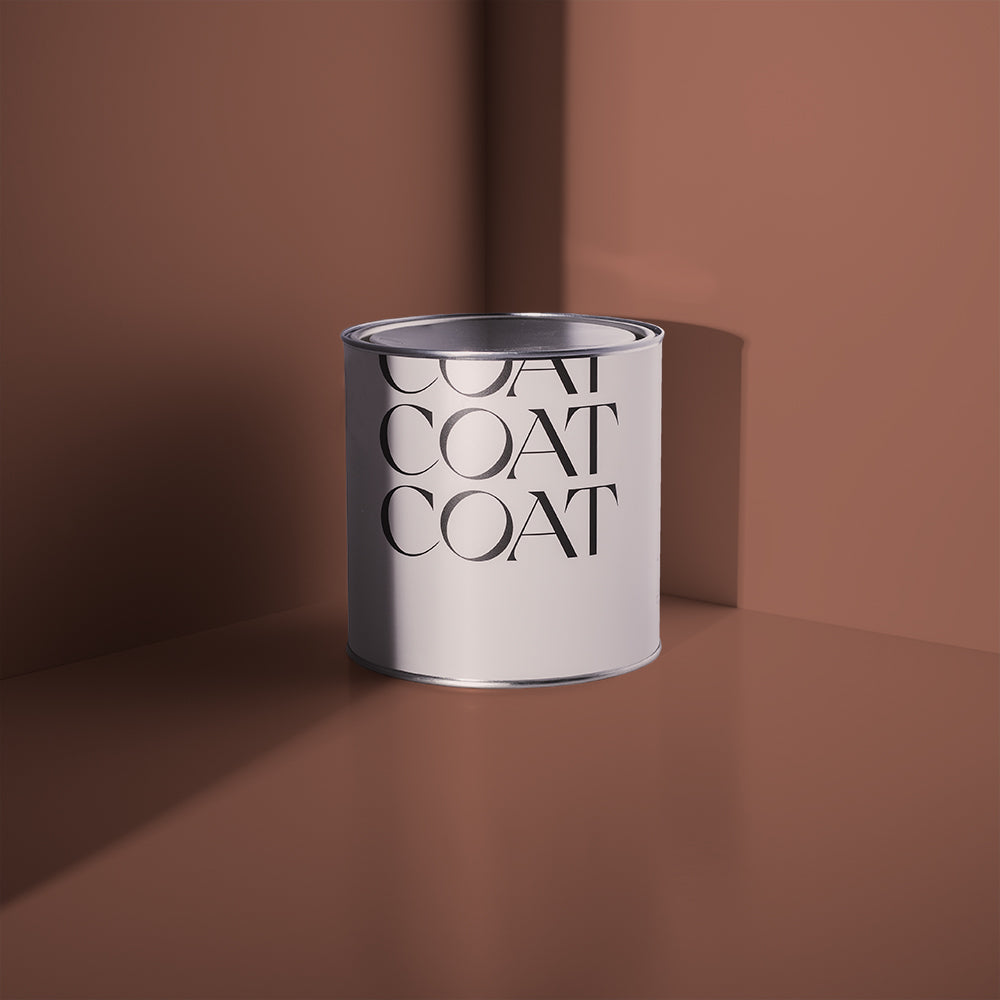
Deeper, more character-led choices Older houses, particularly Victorian and Edwardian properties, often have the wall depth and proportions to take darker colours with real conviction. The Coal Drop is a charcoal with a touch of green; moody, nuanced, and unexpectedly liveable in north-facing rooms where the soft yellow and green undertones stop it from feeling cold. Cold Brew is a full-bodied taupe that colour-drenches beautifully in dining rooms or studies. Baked - a soft, slightly aged terracotta - feels genuinely at home in older kitchens or hallways, and responds well to the texture that old lime plaster naturally shows off.
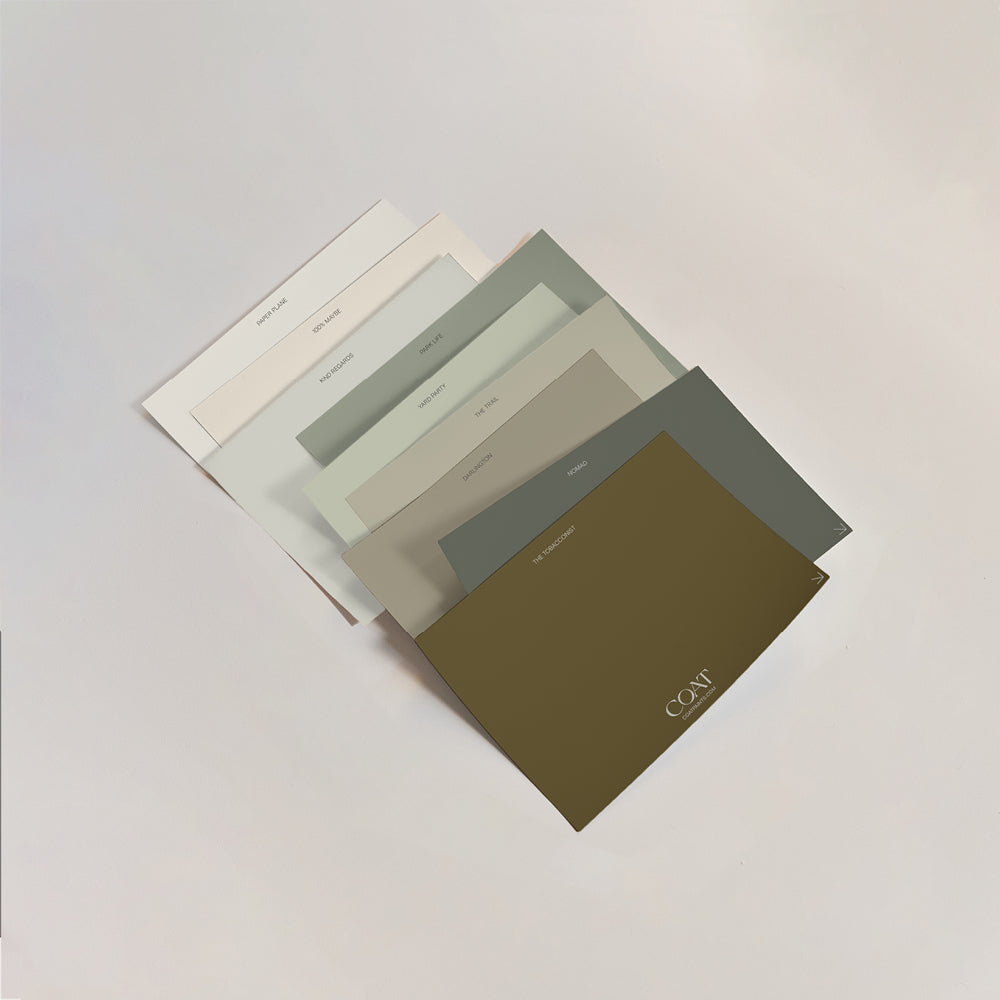
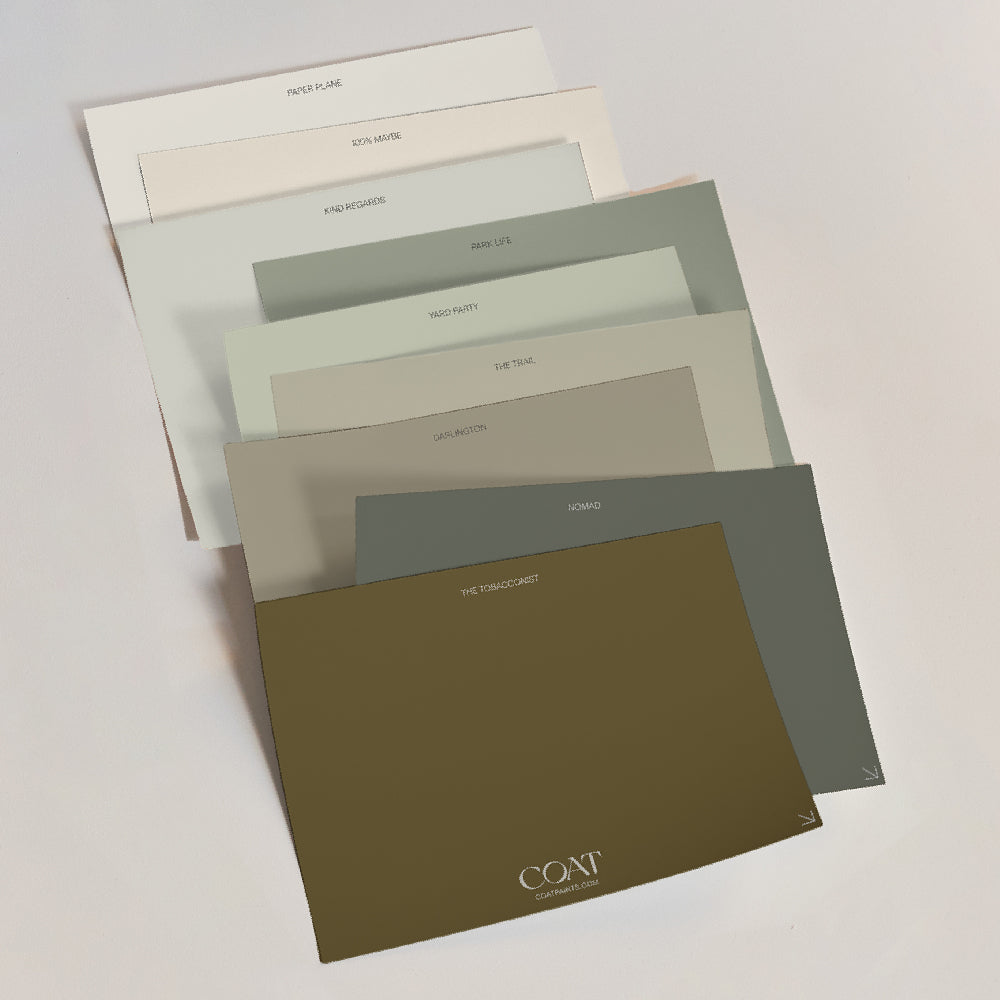
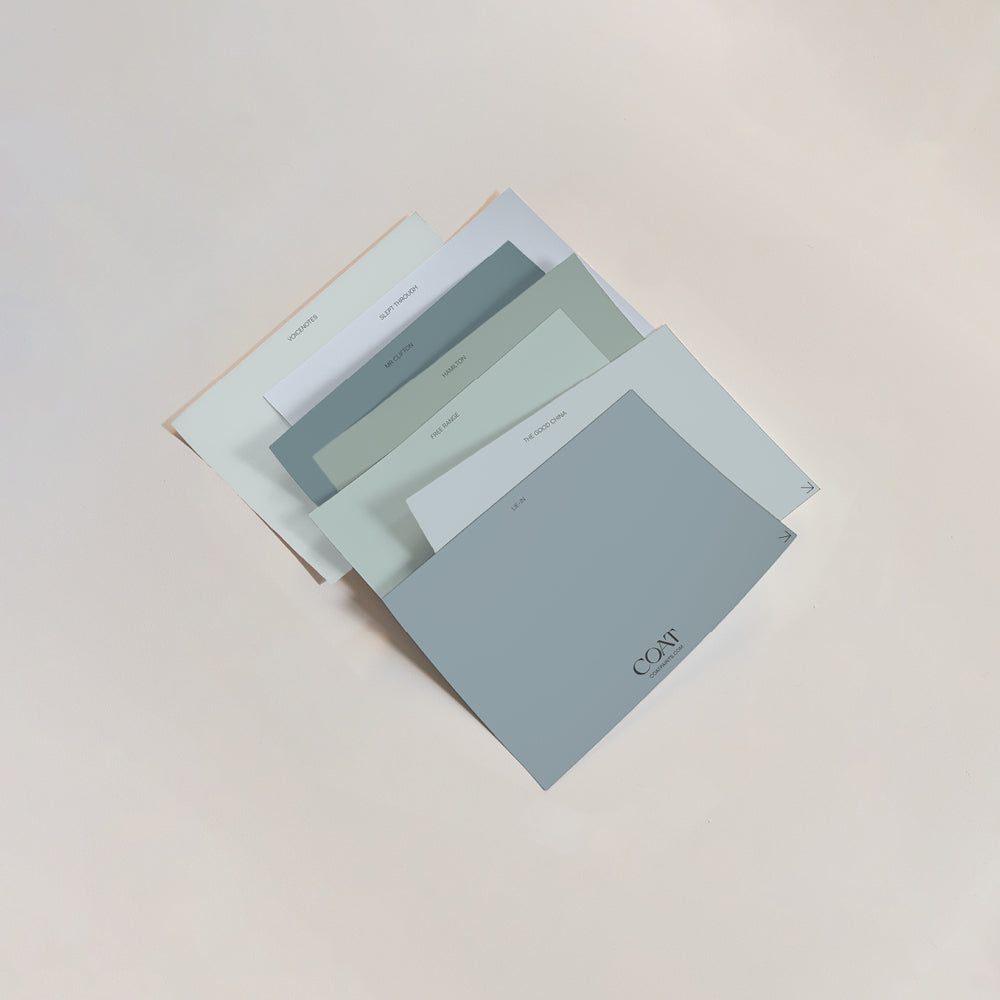
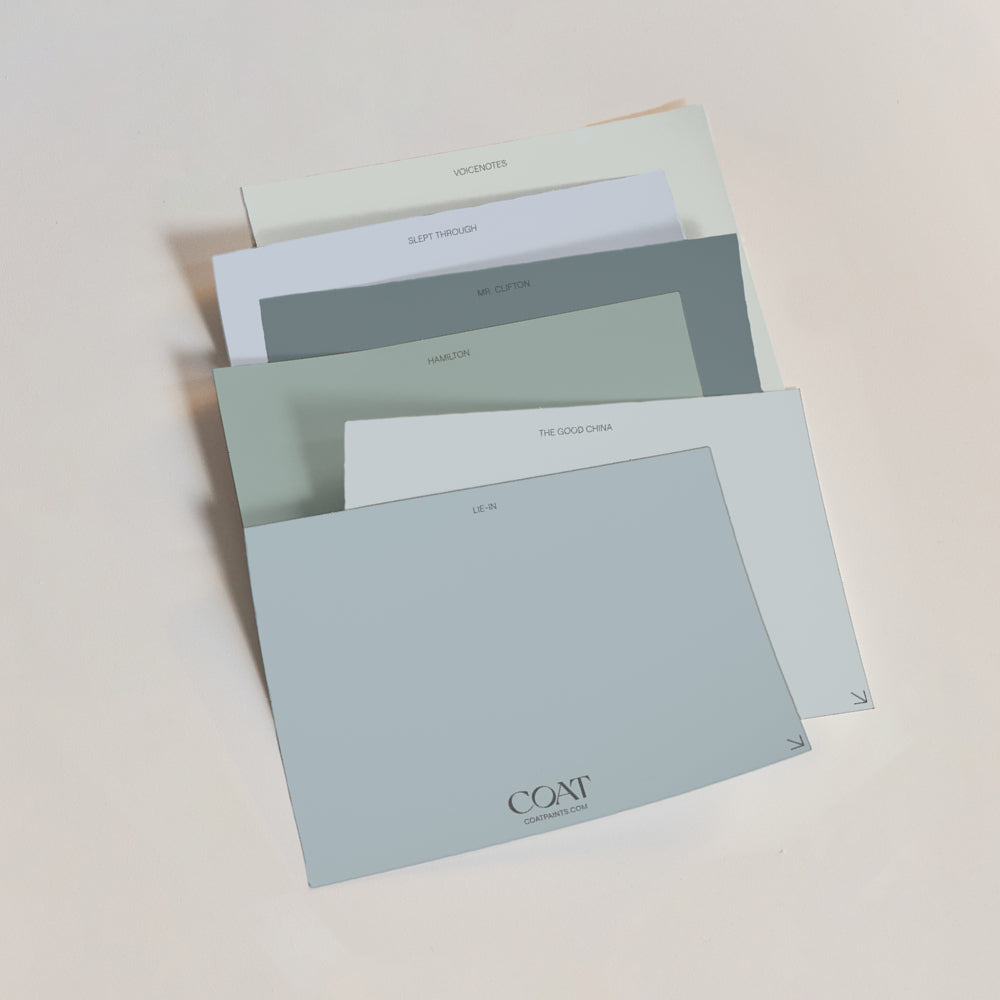
Greens and naturals Green has always had a place in British period interiors, and clay paint brings a particular earthy quality to the greener shades. Me Time is an off-white with the faintest warm green undertone - one for rooms where you want calm without colour. Yard Party is an uplifting sage grey-green that works in any light and reads almost as a sophisticated neutral on lime walls.

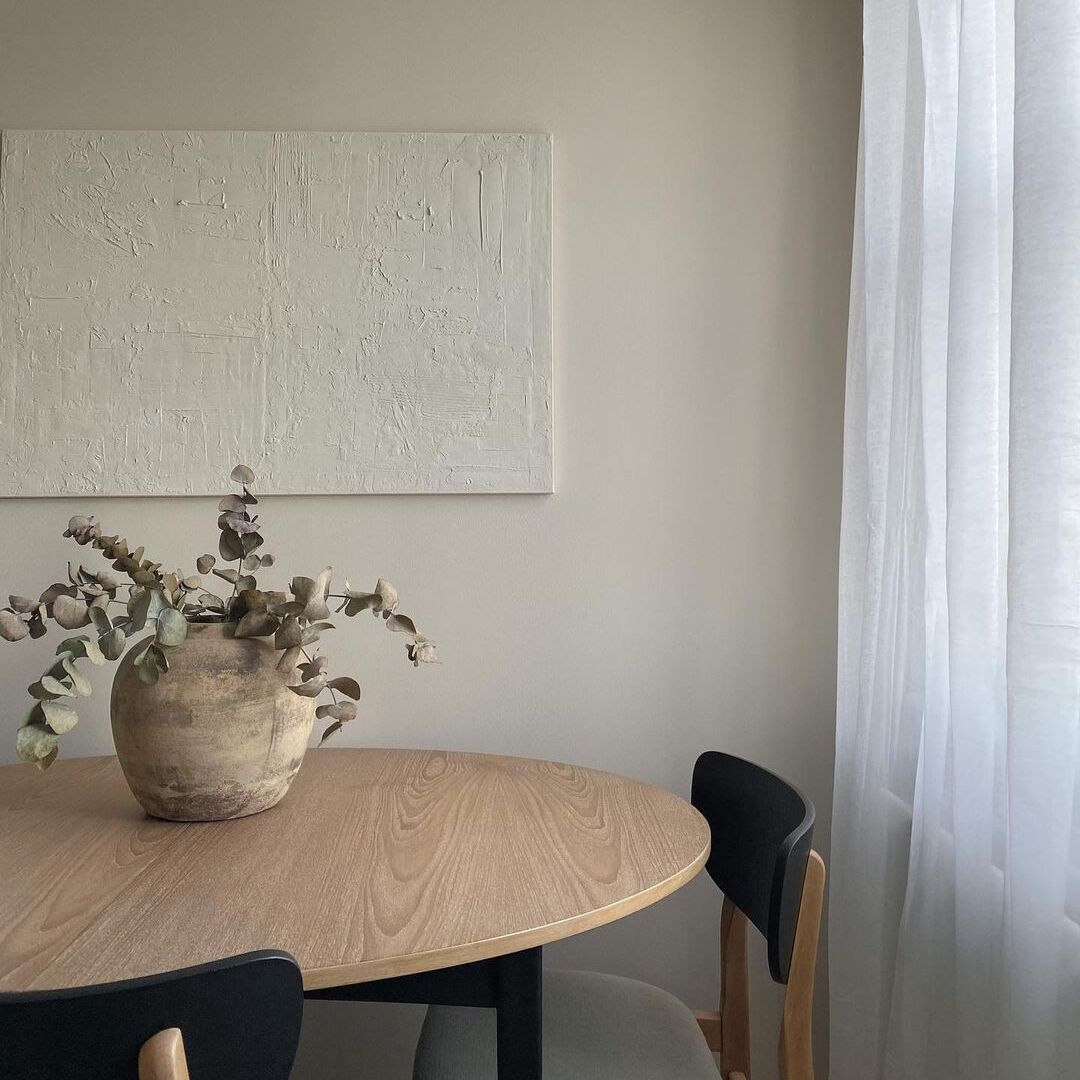
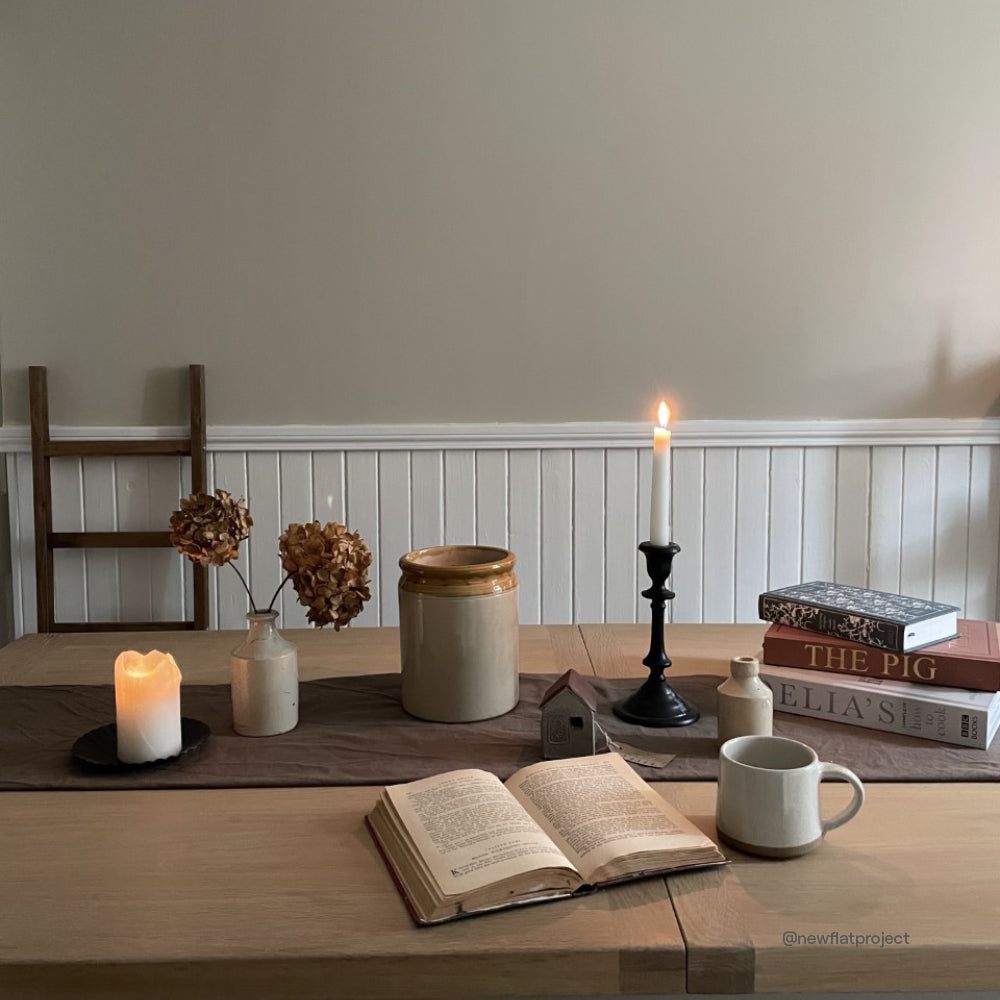
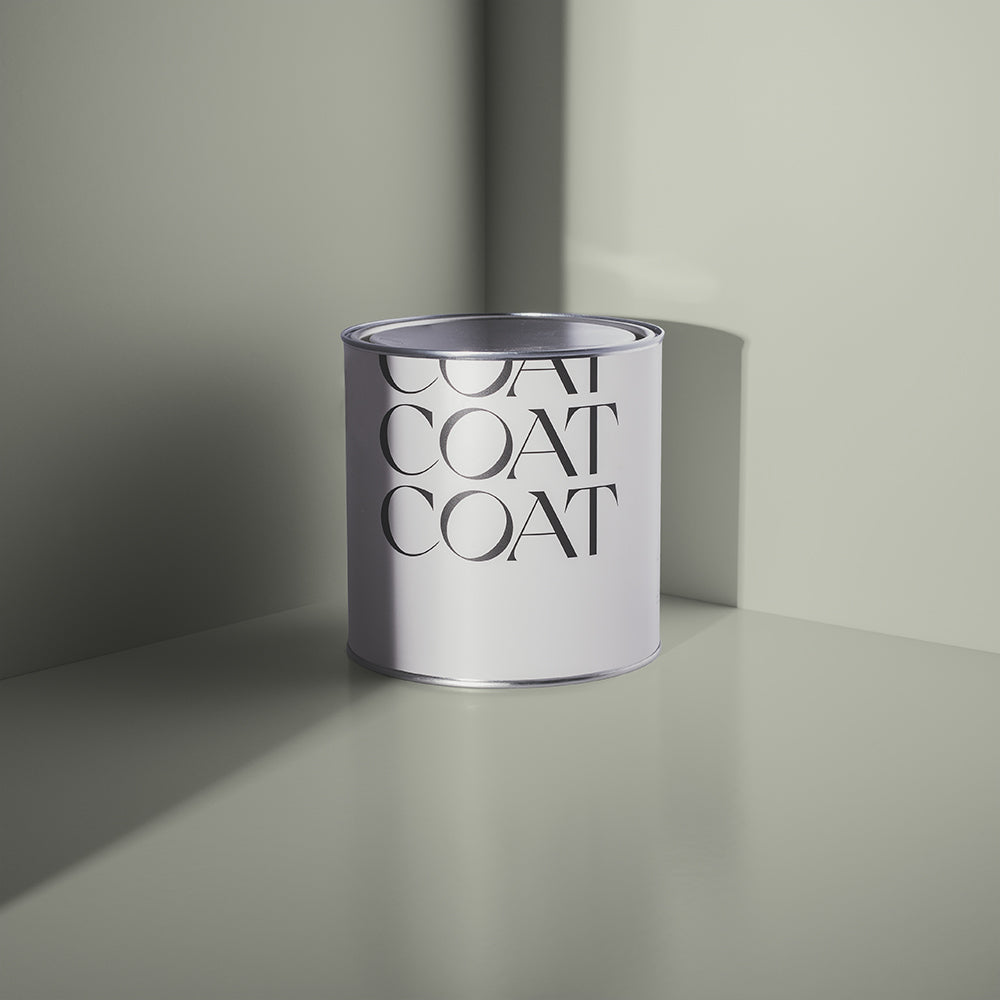
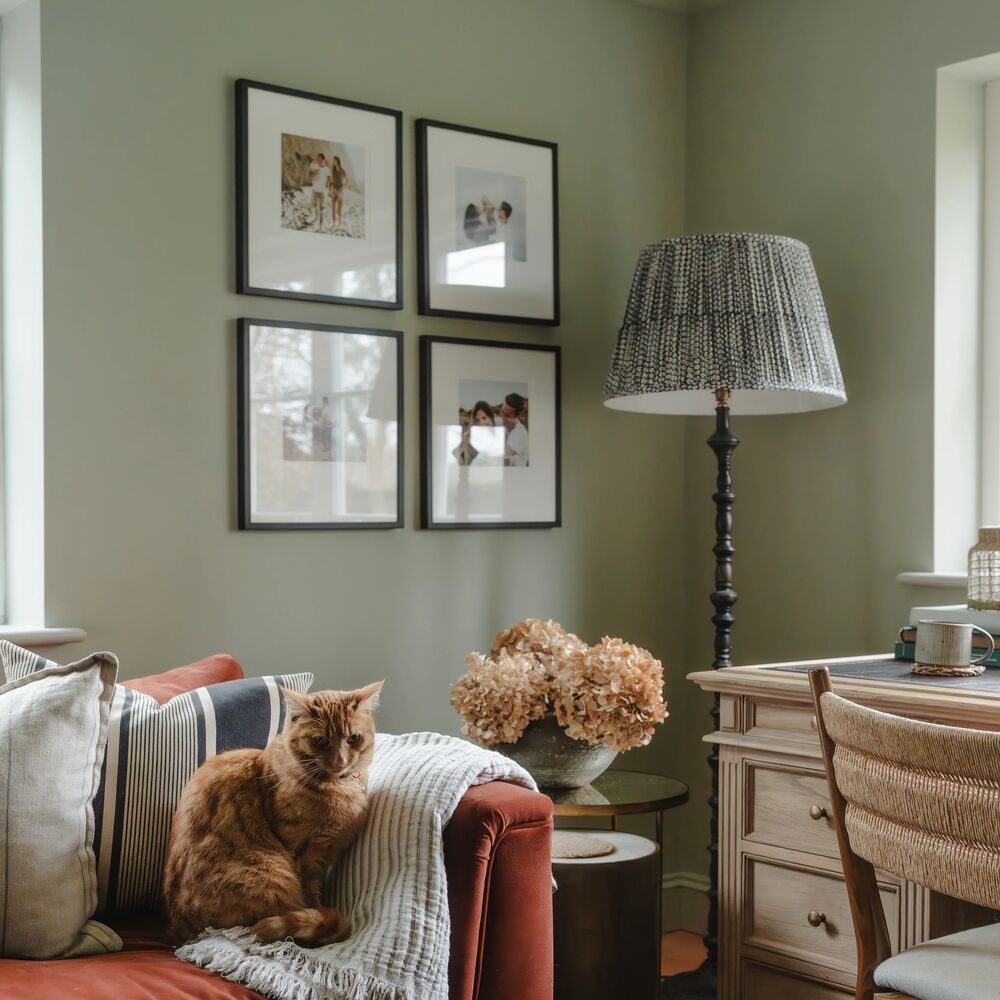
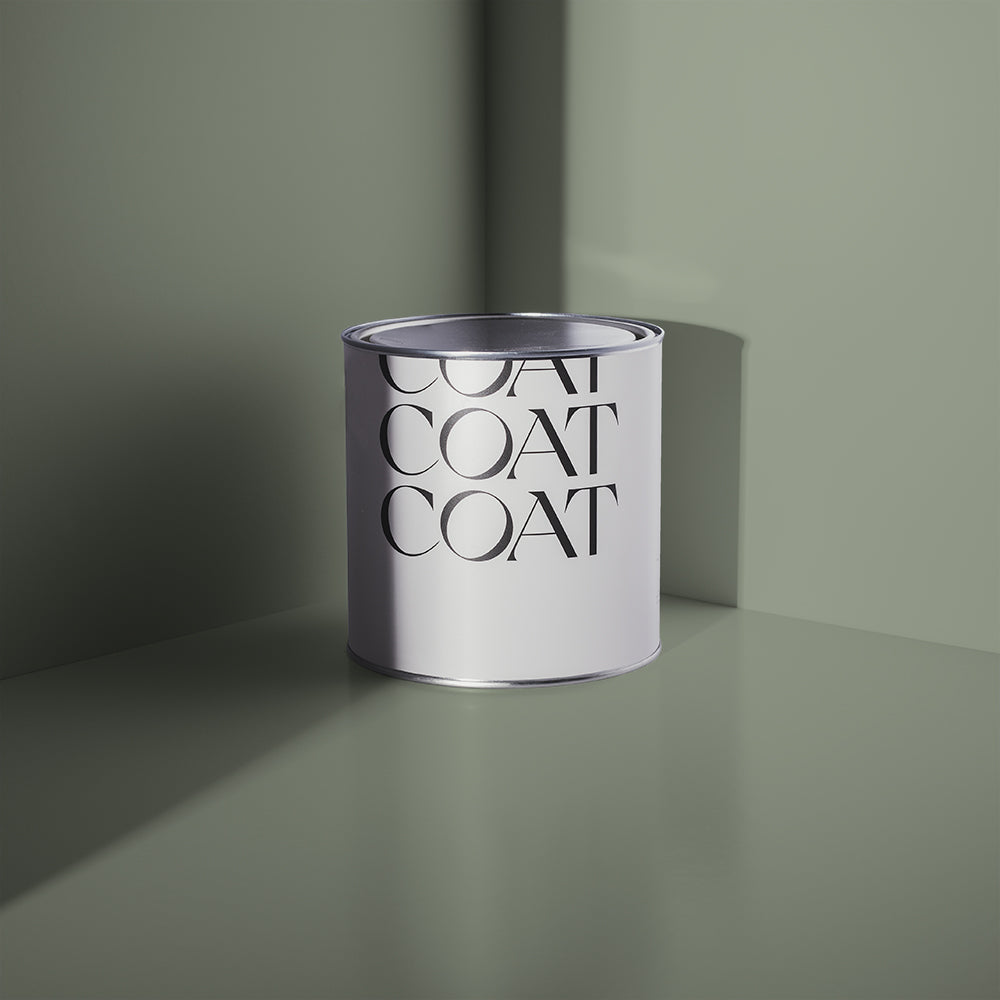
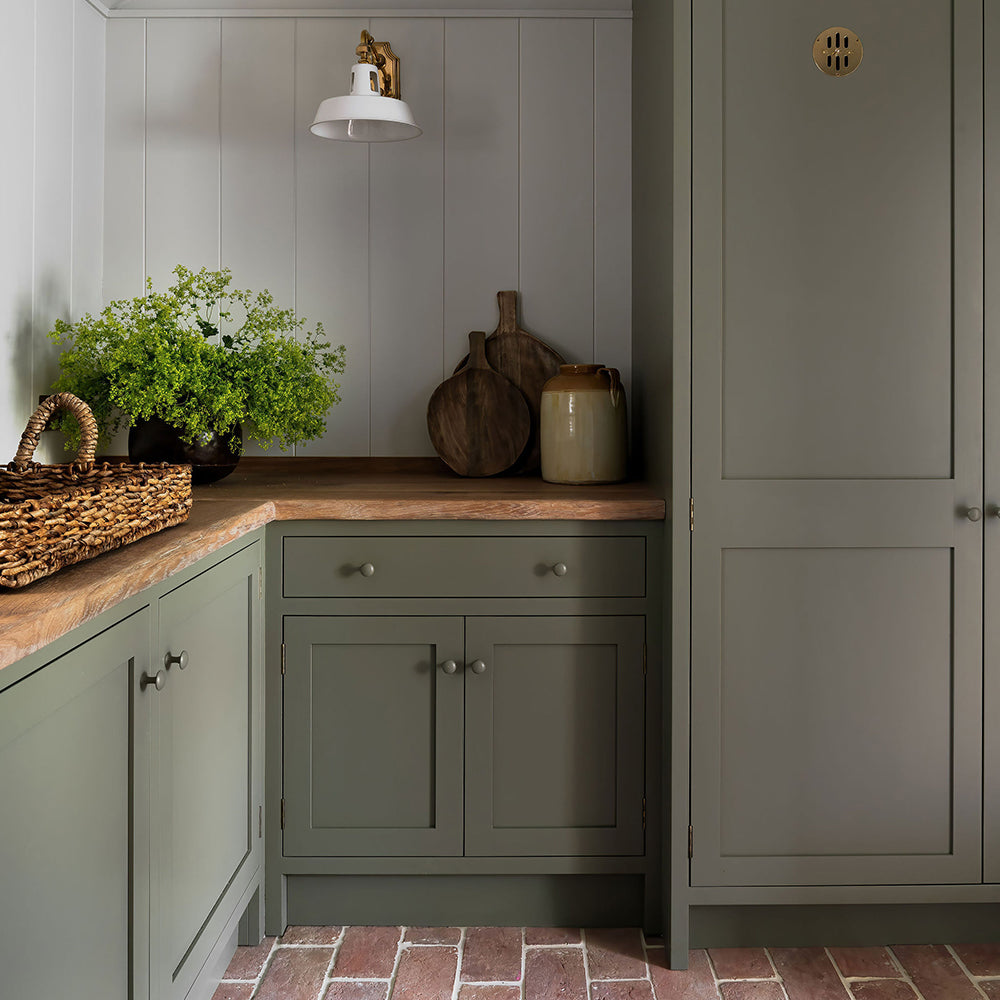
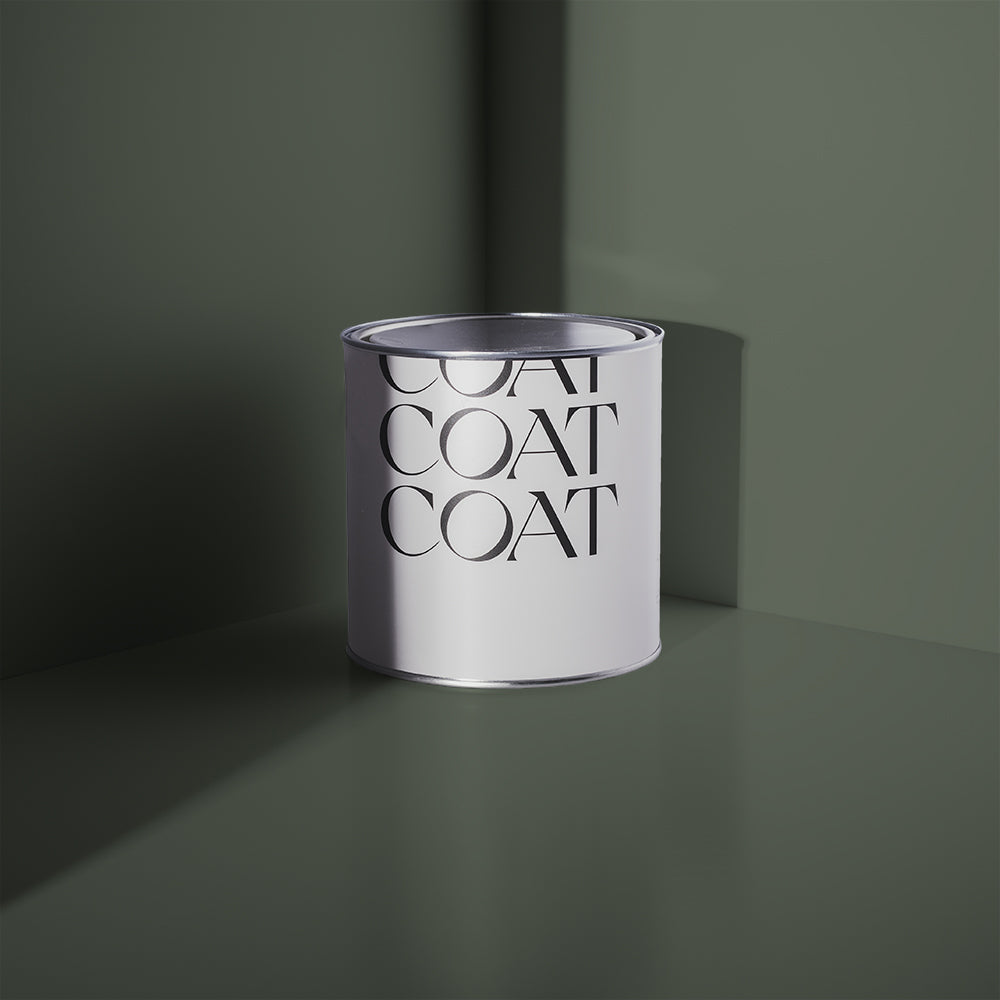
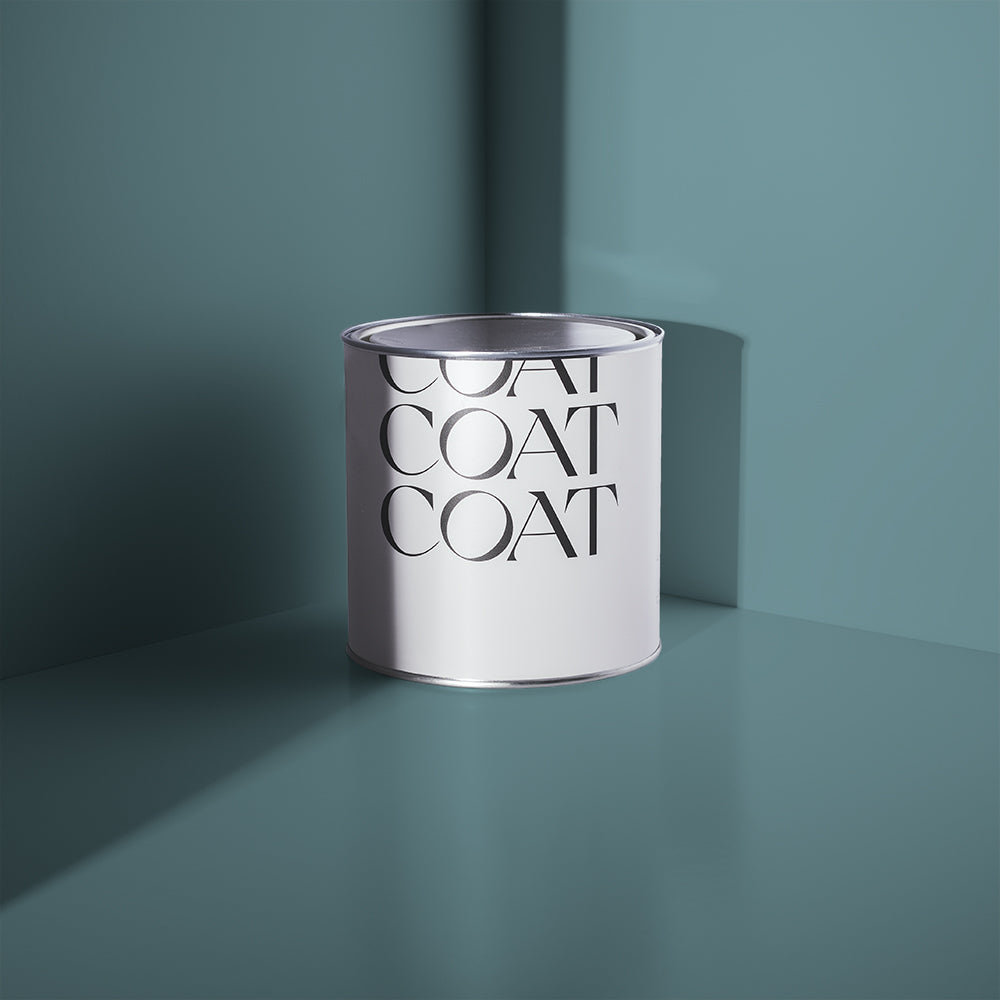
Yard Party is an uplifting sage green that works so well in Claypaint.
How to Apply Clay Paint to Lime Plaster Walls
Preparation is important with any paint job, but particularly so on old walls. COAT's Claypaint formula is much easier to apply than some natural paints, thanks to our hybrid formuation:
1. Assess the surface. Check for any loose, crumbling, or blown plaster. Lime plaster repairs should be made with a lime-based filler or mortar - not modern gypsum fillers, which can be incompatible and may cause adhesion issues at the repair site.
2. Clean the surface. Remove any dust, salt deposits, or previous flaking paint. For old walls with layers of historic paint, removing down to a stable layer is much better than trying to paint over loose material.
3. Wet the wall before application. This is a specific requirement for clay paint on lime plaster. Lightly dampen the wall with clean water before applying your first coat. This slows absorption, reduces the risk of the clay paint drying too quickly, and improves adhesion.
4. Apply two coats by brush or roller. Work the paint into the surface rather than dragging across it.
5. Allow proper drying time between coats. Touch dry in 2 hours; re-coat after 4 hours. In older properties with thicker walls or lower ambient temperatures, allow additional time.
A note on priming: COAT's paints are self-priming in most cases. On very porous or patchy lime plaster, a thinned mist coat first (1 part water to 9 parts Claypaint) will even out absorption and improve the final result. Don't use regular paint primer as this defeats the object as it can seal the surface.

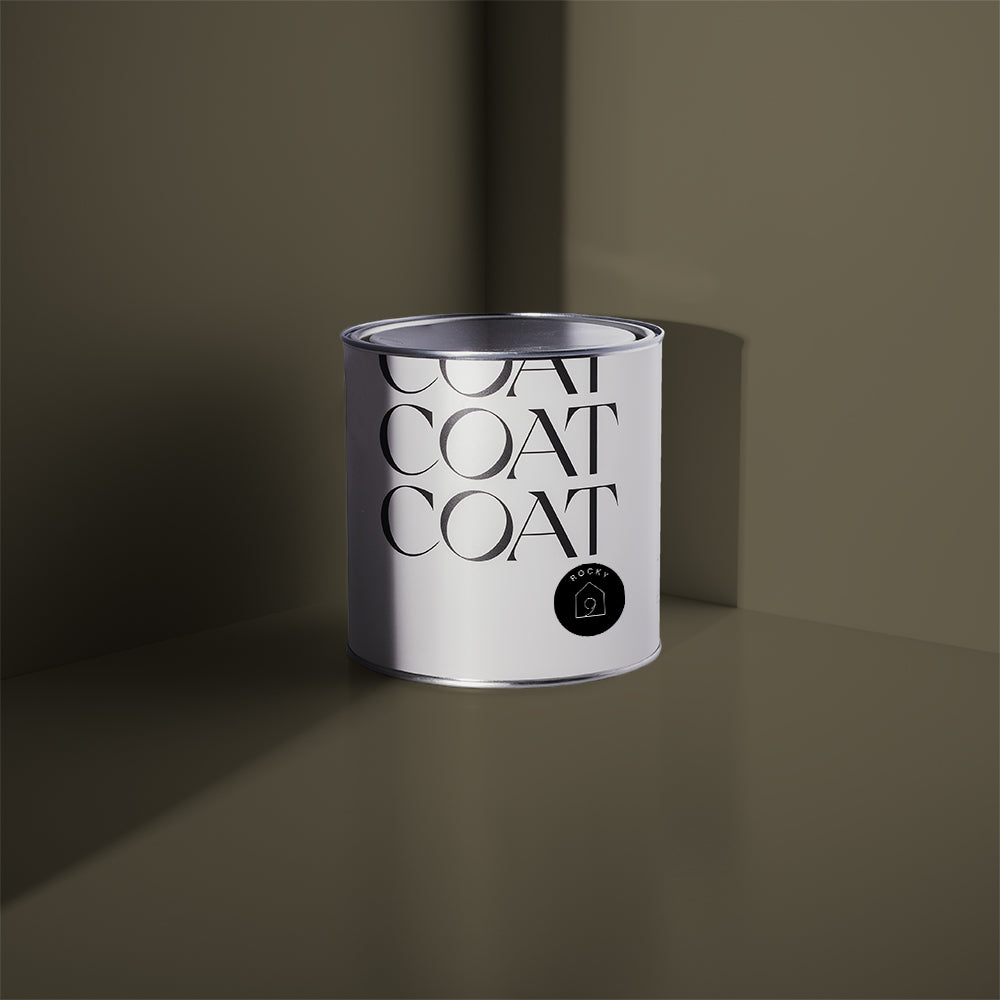
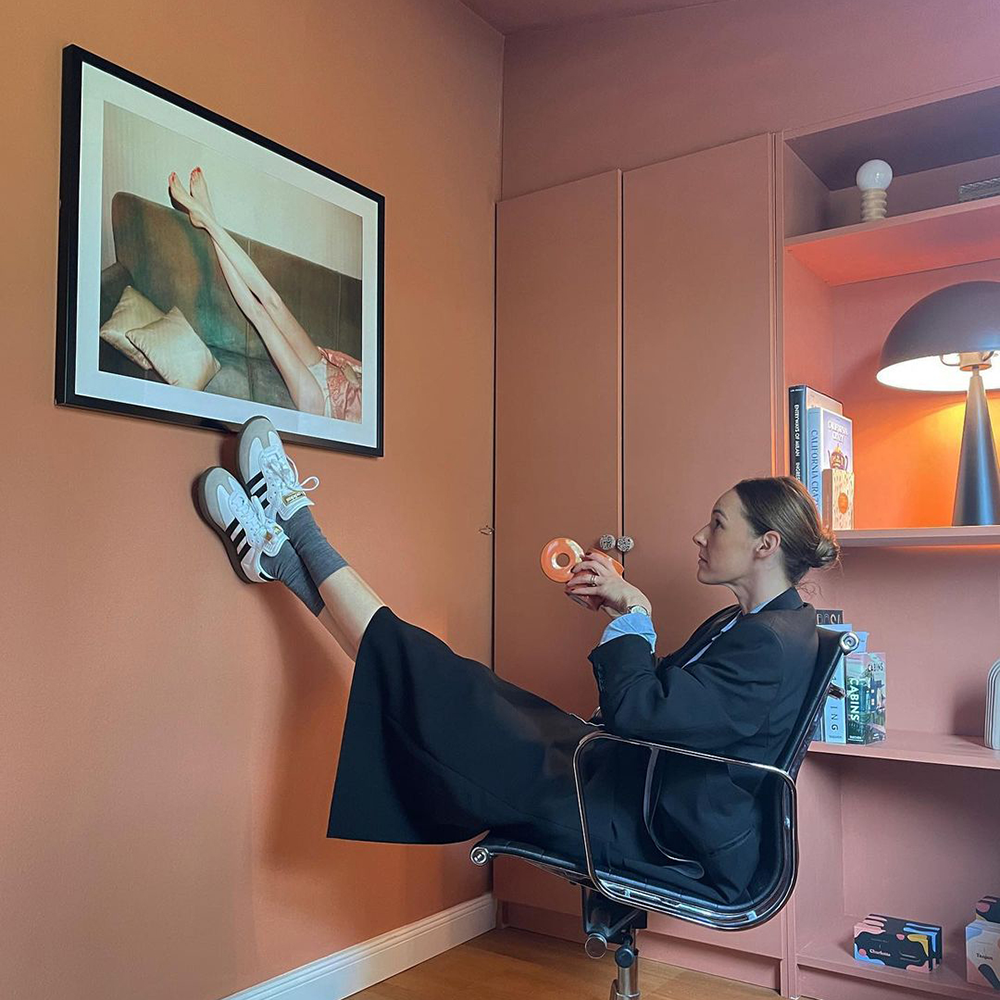
COAT Claypaint is much easier to apply and touch-up than some other natural paints.
The Finish: What to Expect
Clay paint has a different character to some modern emulsions. The chalky, deeply flat matt finish absorbs light in a way that brings texture forward rather than flattening it - which is exactly what you want on the slightly undulating surfaces of original lime plaster.
Where modern emulsions with a sheen can make old walls look a little stark and accentuate imperfections in an unflattering way - clay paint works with the natural irregularity of period surfaces and softens it. The result feels authentic, not applied.
It's worth noting that Claypaint is wipeable but not as scrubbable as COAT's Flat Matt or Soft Sheen finishes. For lime plaster in high-traffic areas like hallways or kitchens, ours works better than most thanks to it's higher durability rating.
Common Questions
Can I use clay paint over existing paint? Only if the existing paint layer is fully stable, well-adhered (i.e. not flaking or peeling), and also breathable. Applying COAT Claypaint over a vinyl or oil-based finish undermines the breathability benefit - moisture vapour will still be blocked at the layer beneath. Where possible, remove old non-breathable paint back to the plaster before applying clay paint.
Does clay paint cover well? Yes, though coverage per litre is slightly lower than COAT's Flat Matt (11m² vs 15m² per litre at two coats), due to the more absorbent nature of the substrate. Allow for this when calculating quantities.
Will clay paint work on my ceiling? Yes. COAT's Claypaint is suitable for lime plaster ceilings as well as walls.
Is it suitable for external walls? No. COAT's Exterior Eggshell is the correct product for external masonry and render. Claypaint is formulated for interior use only.
Summary
For anyone with a period property and lime plaster walls, choosing a breathable paint isn't just an aesthetic preference - it's a matter of building health. Clay paint works with the physics of traditional construction rather than against it. It protects the integrity of the plaster, helps manage moisture, and contributes to a healthier indoor environment.
COAT's Flat Matt Claypaint is made to order in the UK, available in most timeless COAT shades, and formulated to the highest breathability and air quality standards. It's the right paint for old walls - and it happens to look incredibly chic on them.
Explore COAT Flat Matt Claypaint
COAT is the world's first Climate Positive and B Corp certified paint company. Every tin is made freshly to order, here in the UK, with zero waste.
Publish Date
Author