How To Decorate North Facing Rooms
North-facing rooms have a bit of a reputation. They are cooler, moodier and often feel harder to get right. Even on a bright day, the light can feel flat, making colours appear dull or washed out. And that is before you even open a paint tin.
The reason comes down to light. North-facing rooms receive cooler, greyer light, which can exaggerate blue and purple undertones in paint. That is why a shade that looks warm and balanced in one room can suddenly feel cold or lifeless in another. It is not the colour itself. It is the direction the room faces.
The good news is that a north-facing room does not have to feel chilly or uninviting. With the right approach to light, colour and finish, these spaces can become some of the cosiest in your home. So if you have a room that never quite catches the sun, grab a brew and take five. We will show you how to work with the light you have got and make it feel intentional.
What is a north-facing room?
So, what exactly is a north-facing room? Simply put, it is a space that receives reflected light rather than direct sunshine. Most homes have at least one. Because this light is cooler and more consistent throughout the day, north-facing rooms can appear darker and slightly cooler in tone.
South-facing rooms, by contrast, enjoy plenty of direct sunlight. This creates warmth, but also strong shadows and contrast as the light shifts. North-facing rooms do not have the same variation. The light is steadier and more even, which can make these spaces feel calm, still and, in some cases, wonderfully tranquil.
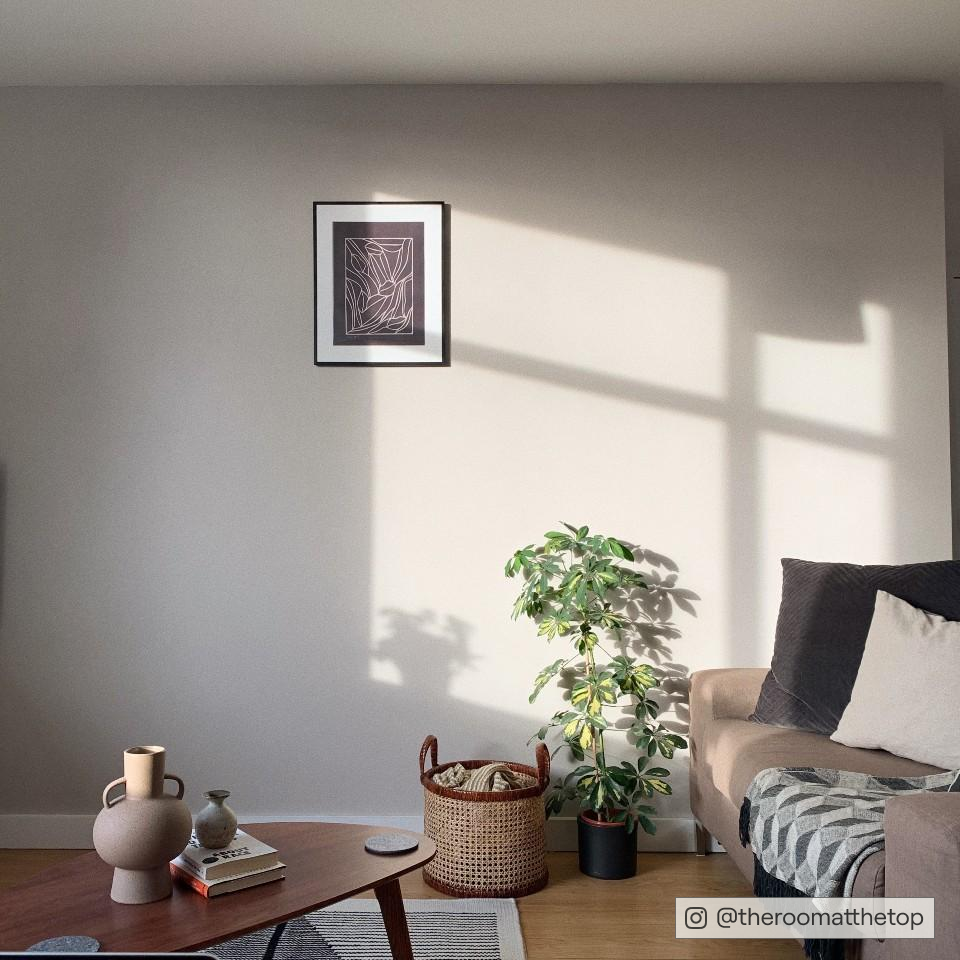
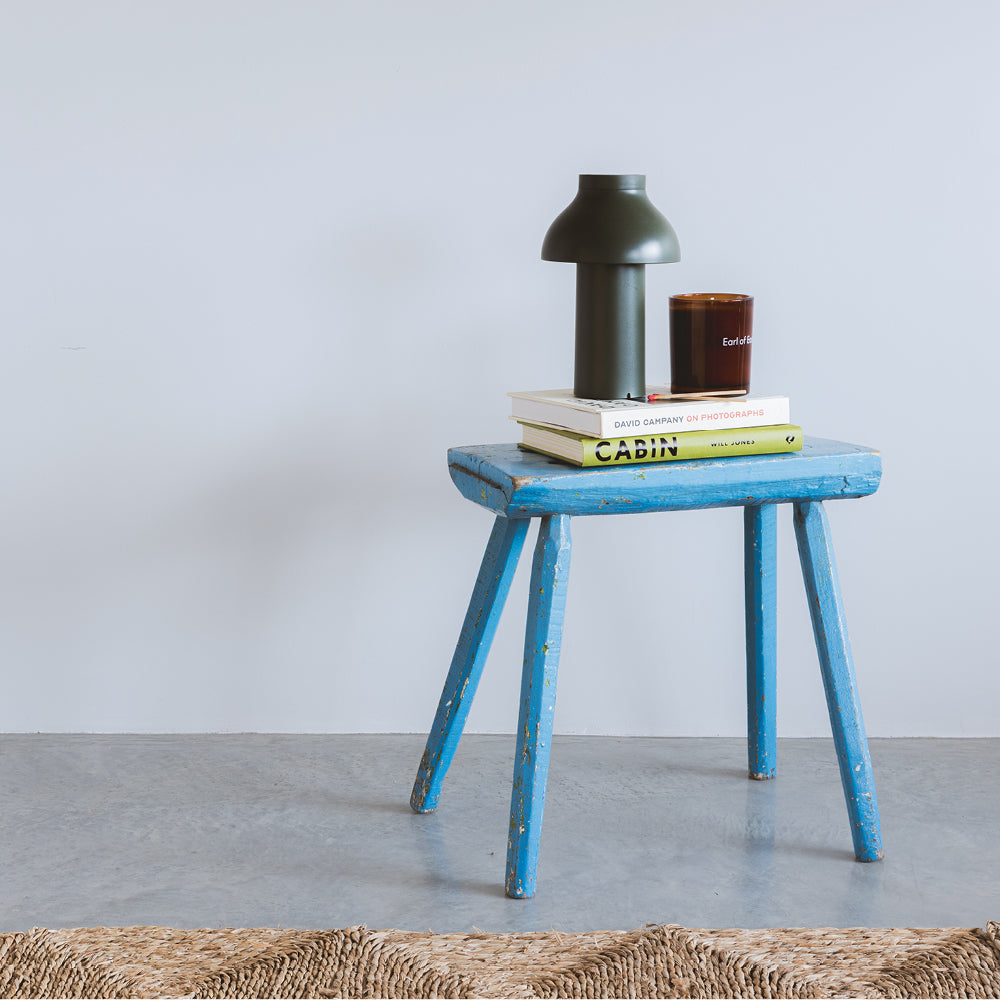
When it comes to choosing paint, direction really matters. Northern light has cooler, grey-blue undertones, which can dramatically affect how colour appears on the wall. Shades with cool undertones can look flatter or bluer than expected. For example, a grey paint in a north-facing room may read slightly purple or blue, while the very same shade in a south-facing room will appear warmer and more balanced. It is a subtle difference, but one that makes all the difference.
How to use light to brighten up a north facing room
Light plays a huge role in how a north-facing room feels. Without strong natural sunlight, colours can appear flatter and the space can lack depth. But with the right approach, light can be used to lift the room, improve the mood and make it feel far more inviting.
Whether your space is large or small, introducing more light and using it thoughtfully can completely change the way it looks and feels. From maximising natural light to layering artificial sources, here are some simple ways to brighten a north-facing room and make the most of what you have.

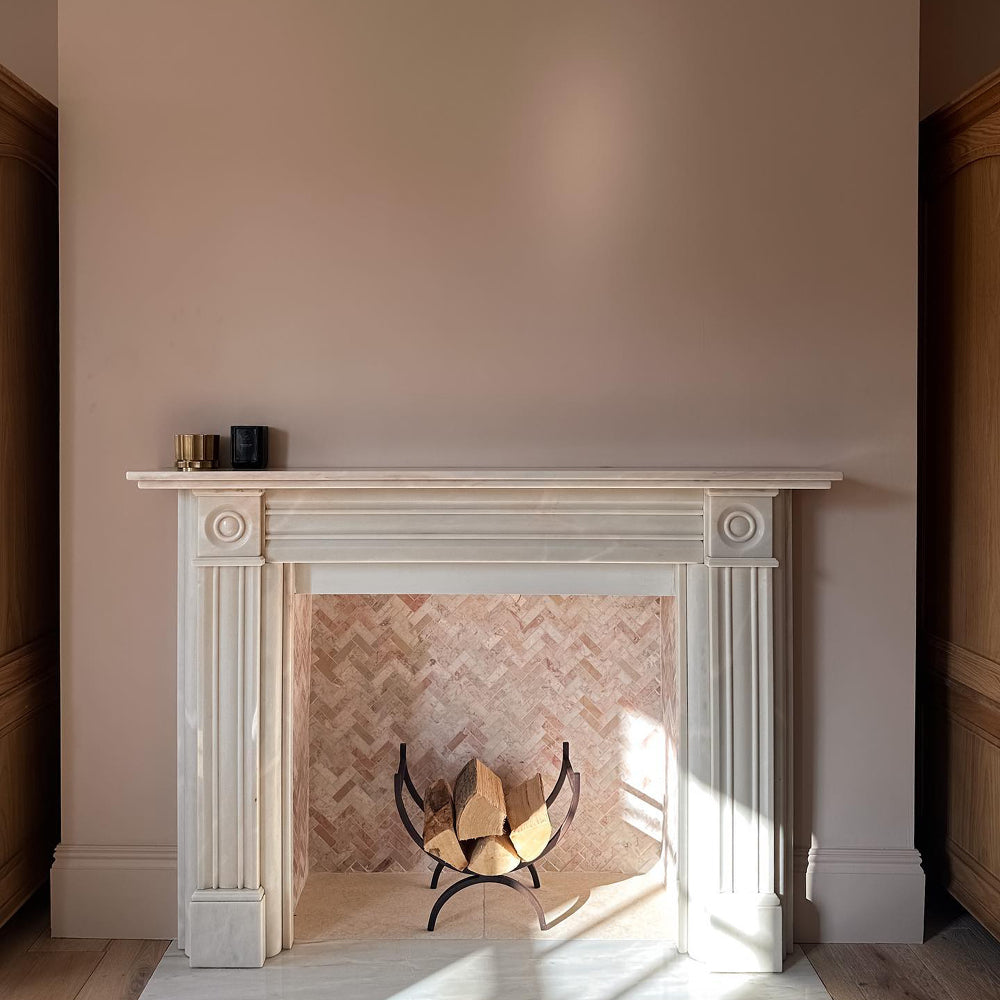
We're envious of @its_all_about_the_house's natural light, check out those rays☀️
Natural light
If a north-facing room feels gloomy, making the most of natural light is key. Even small changes can help the space feel brighter and more open. Skylights, for example, can dramatically increase the amount of daylight in a room, helping it feel lighter even on overcast days.
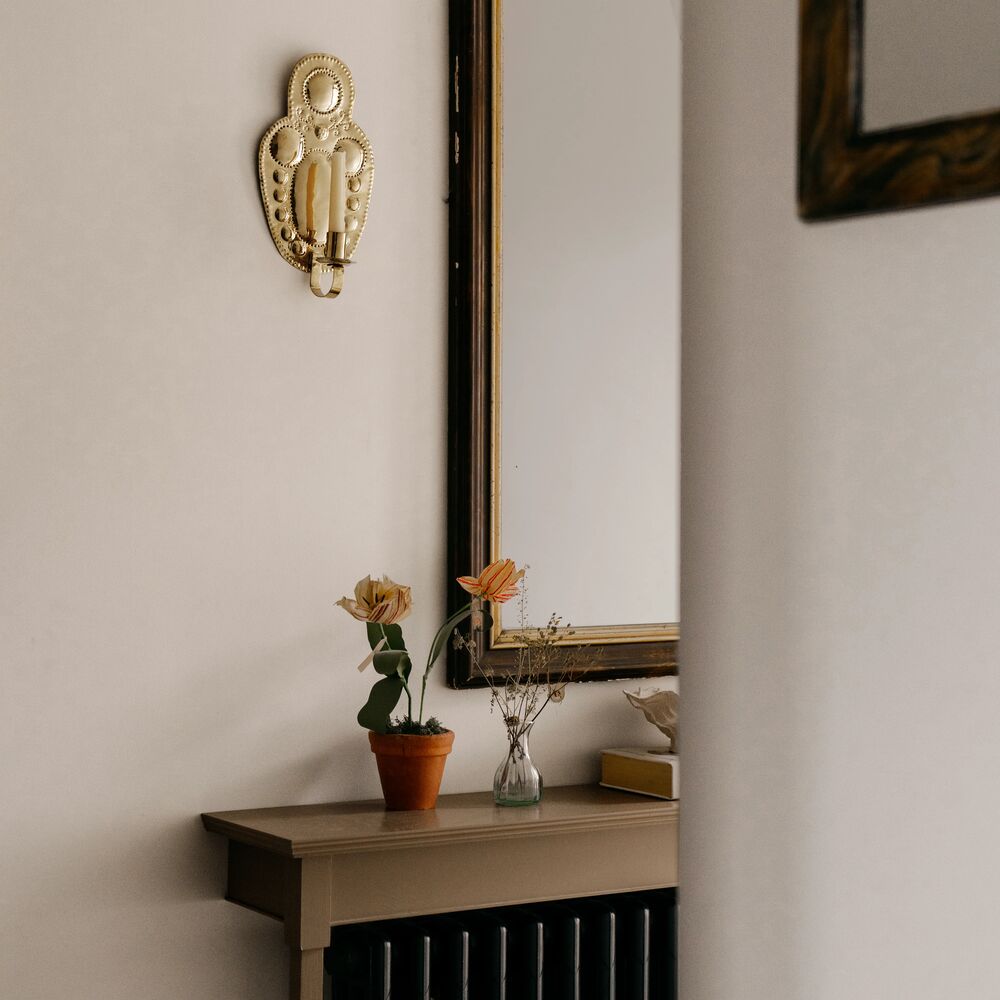
Mirrors are another effective way to enhance natural light without major disruption. Placing a mirror opposite a north-facing window will reflect light back into the room, instantly lifting the space. They also work well alongside artificial light, helping to amplify lamps and wall lights. In darker rooms, positioning a light source near a mirror can make a noticeable difference to how bright and balanced the space feels.

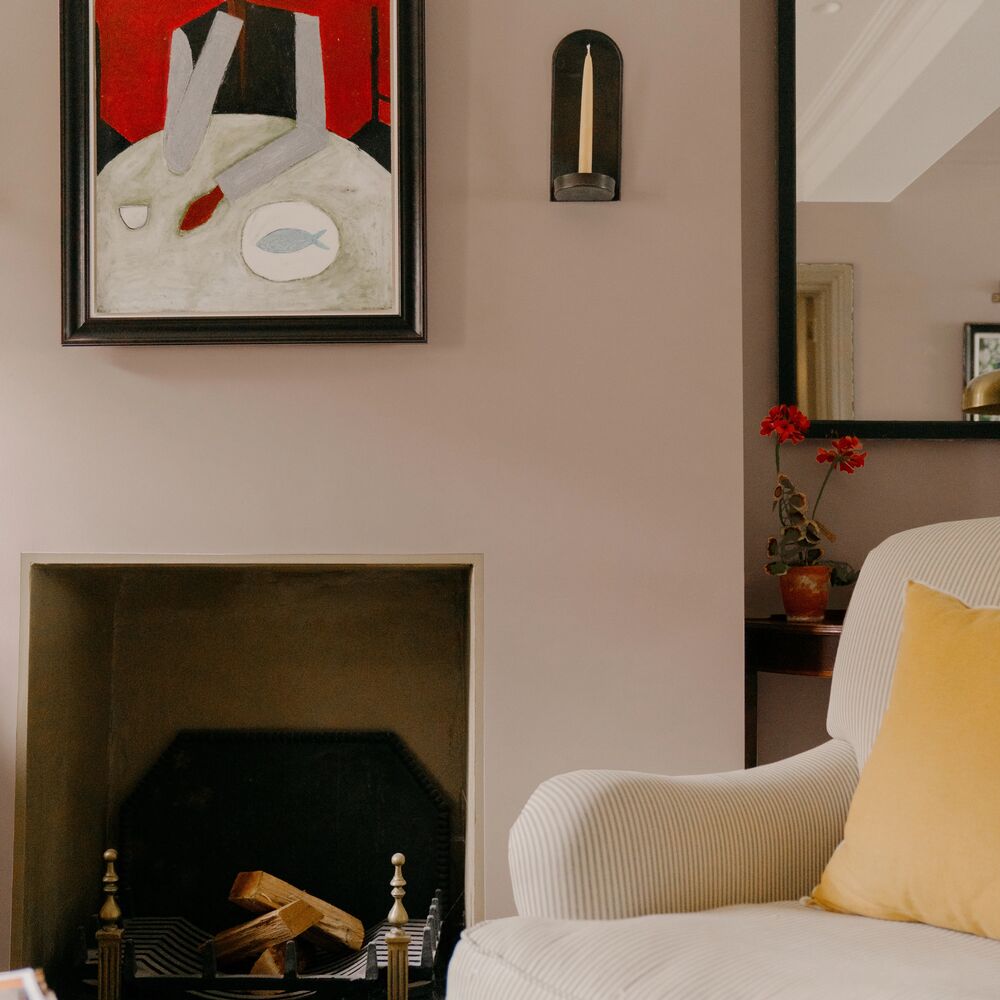
If you're not blessed with natural light, play around with light fixtures light @danlovattdesign has, making them a focal point.
Artificial light
Good lighting can completely transform a north-facing room. Poor lighting not only makes a space feel darker, it can also affect how comfortable it is to use day to day. By introducing well-planned lighting, you can change the mood of the room and add a sense of depth and height.
No matter the room’s orientation, a layered approach works best. Aim to combine three types of lighting: ambient, task and accent. A central pendant provides an even, welcoming layer of light, while wall lights and floor lamps help create warmth and balance throughout the space. Dimmable overhead lighting allows you to adjust the atmosphere as the light changes throughout the day.
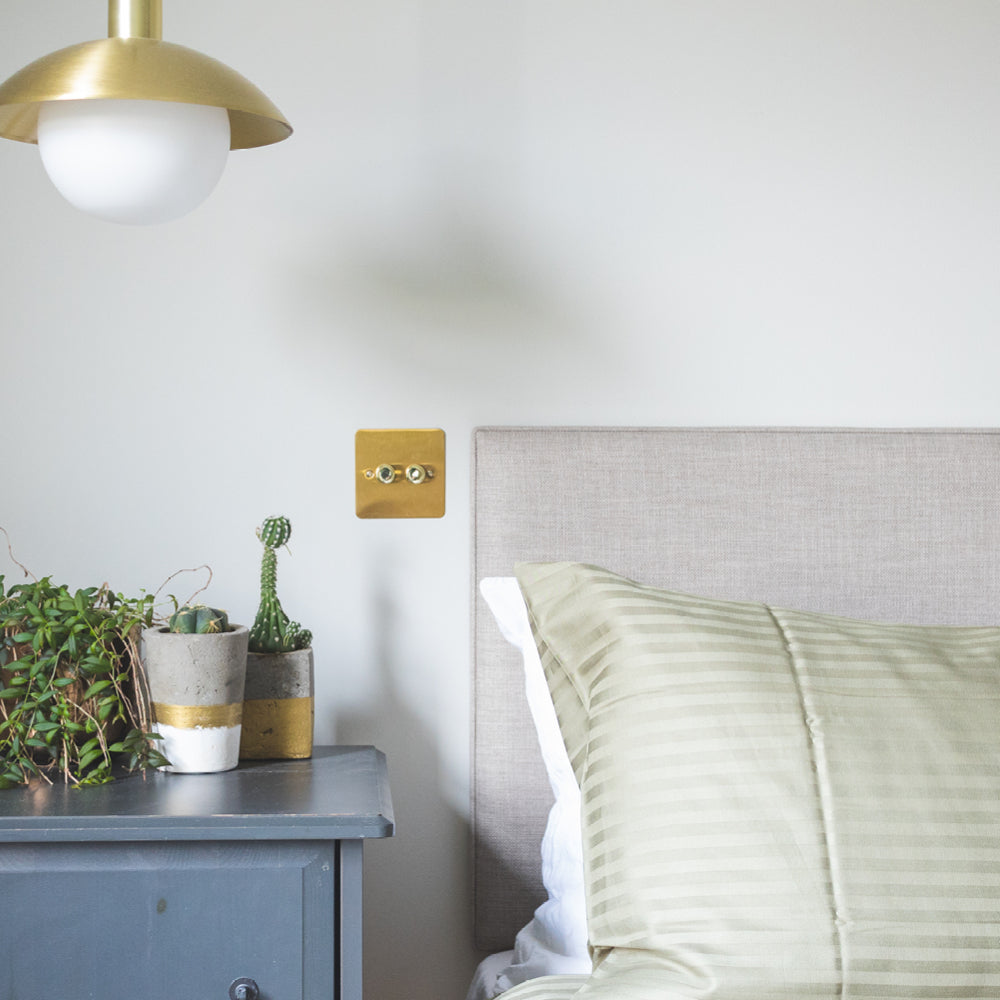
Finish with warm-toned bulbs rather than cool LEDs to avoid emphasising the cooler light already present in north-facing rooms. The result is a softer, more even glow that makes the space feel calm, cosy and inviting.
How to use colour to create an illusion of light and space
North facing room colours are just as important as light and will ensure your home feels bright and airy all day. Need a little help with your scheme? We get the gist. Let’s look at using colour in north-facing spaces.

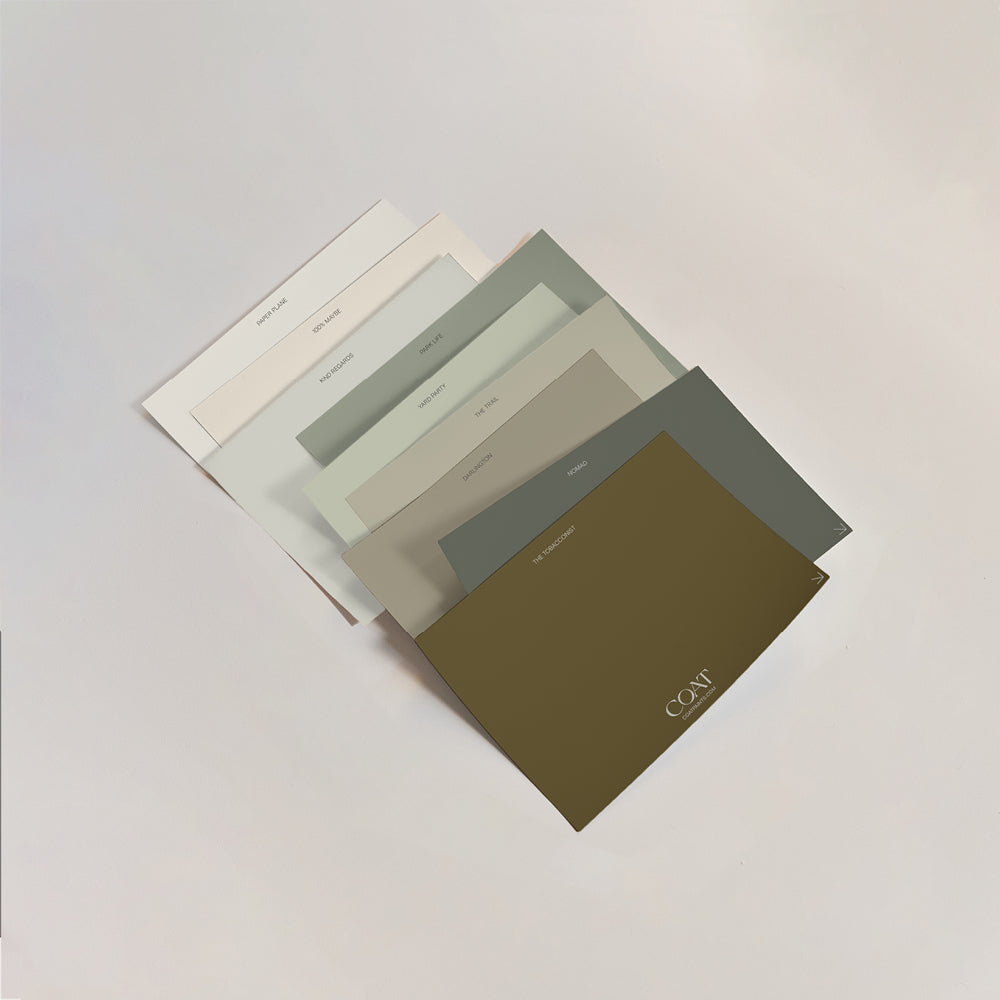
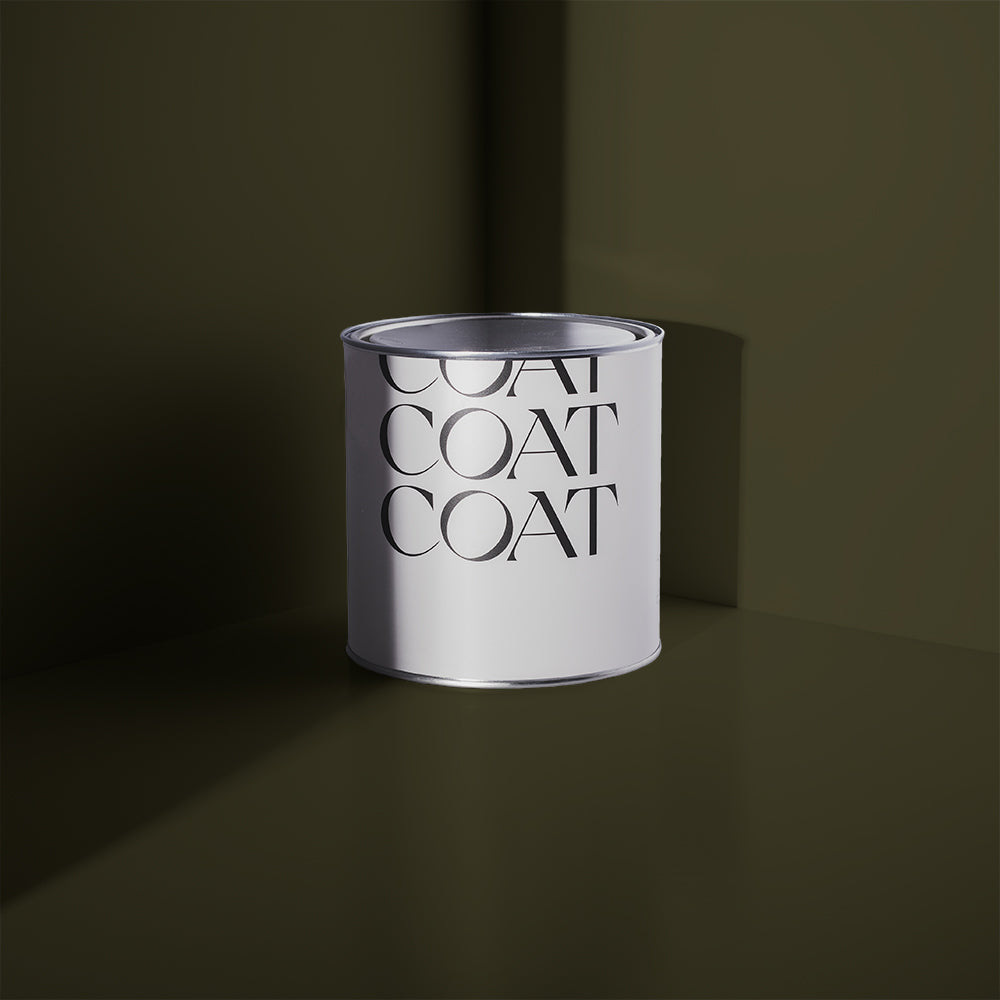
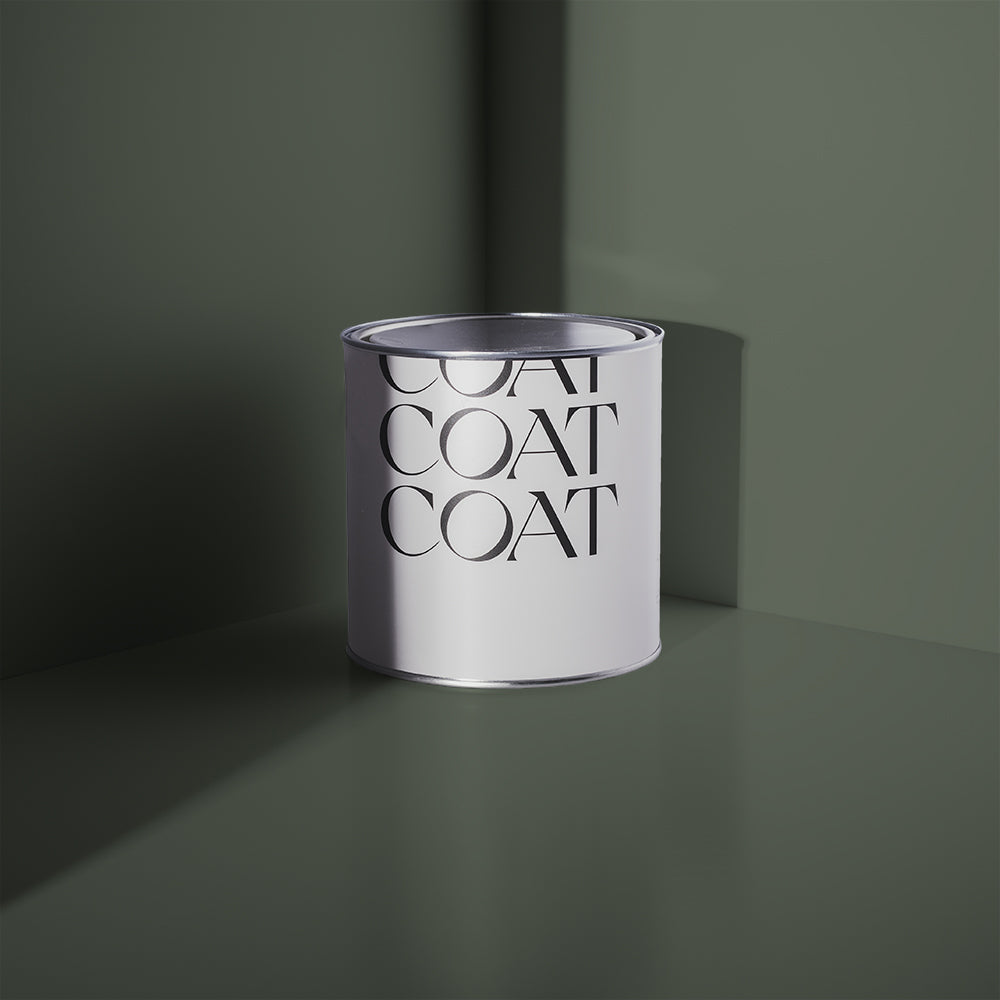
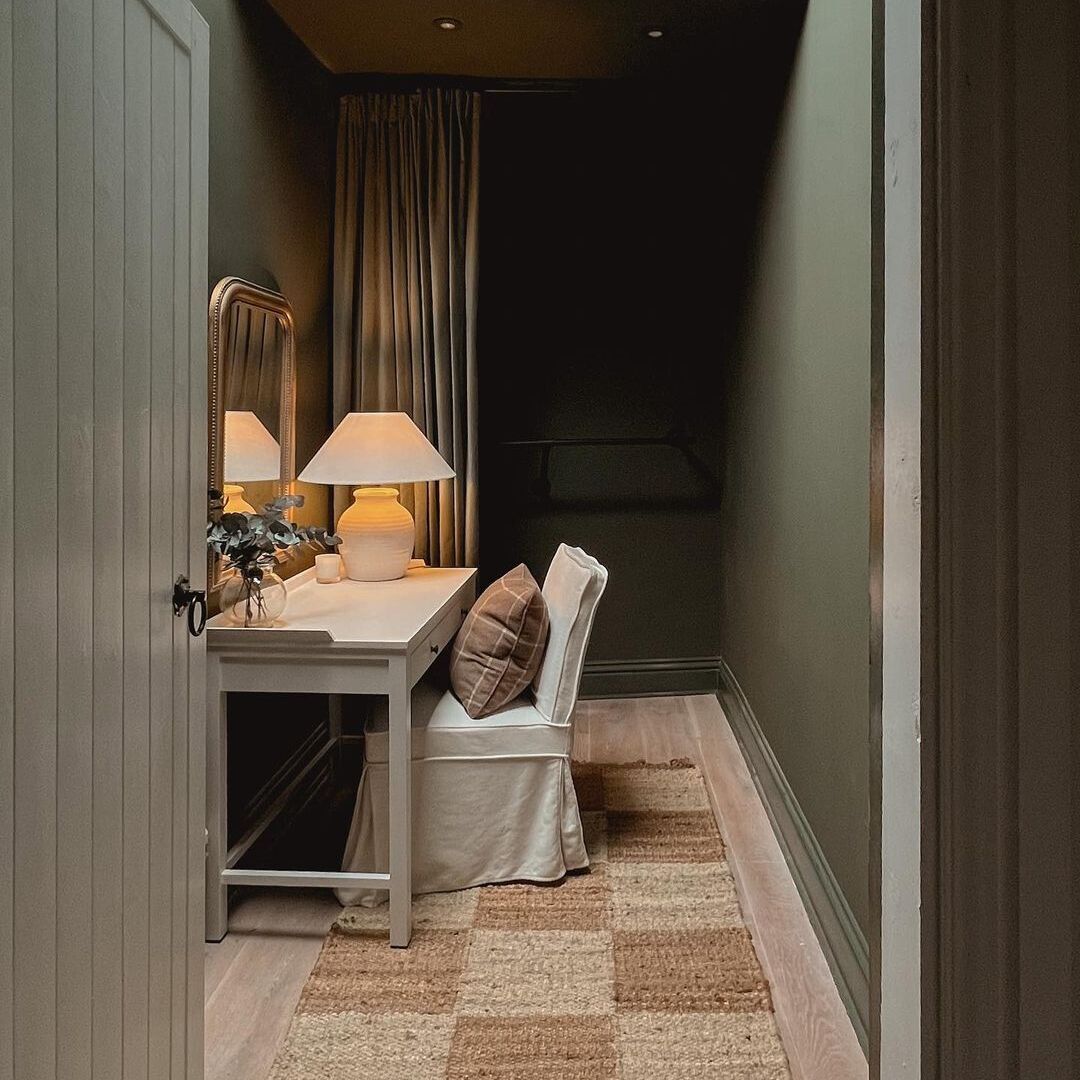
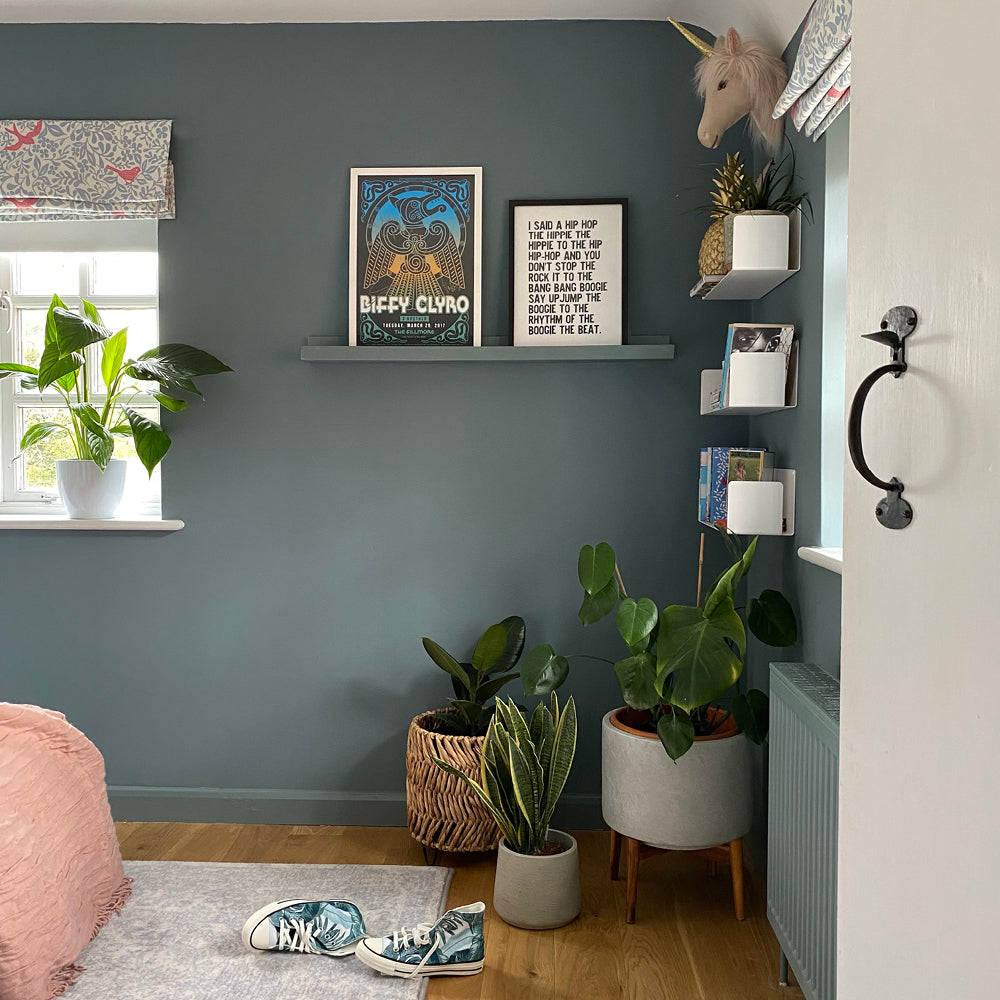
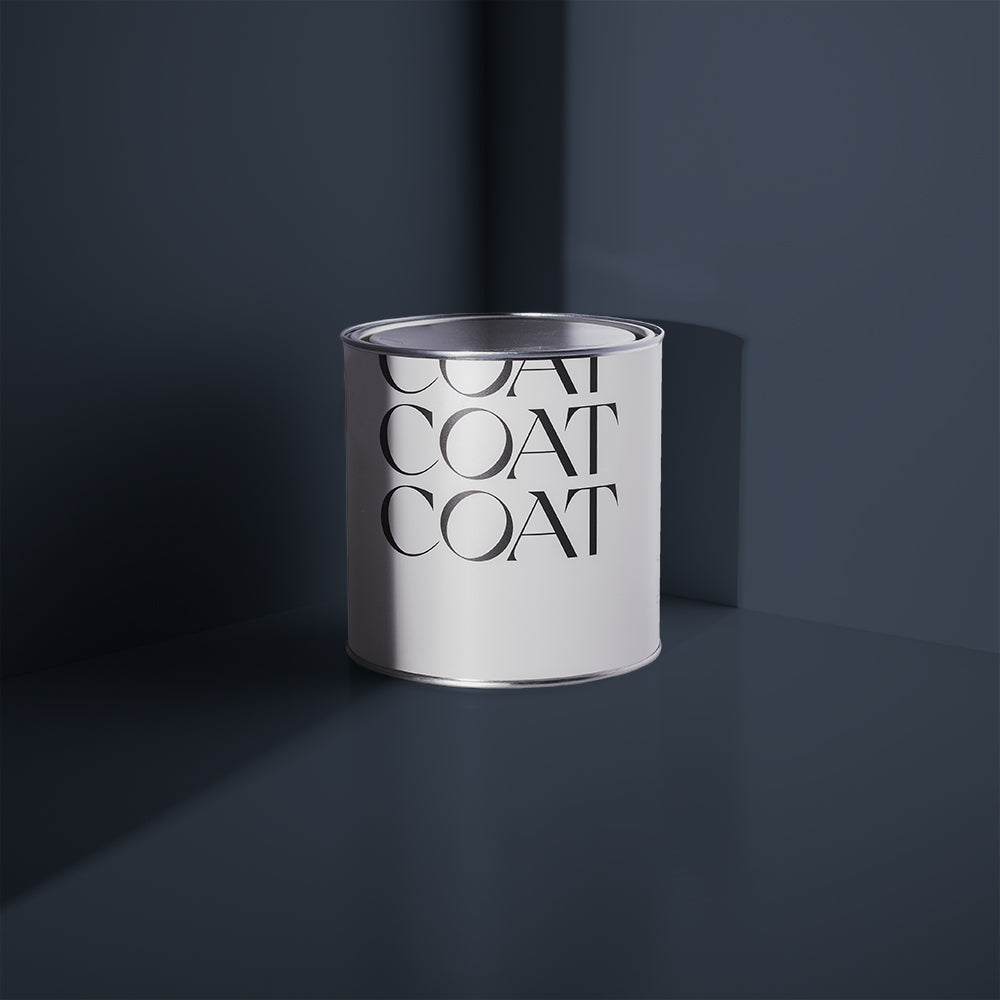
You don't have to steer clear of dark colours in a dark room, check out our moody colours to find one that works for your darker spaces.
Walls
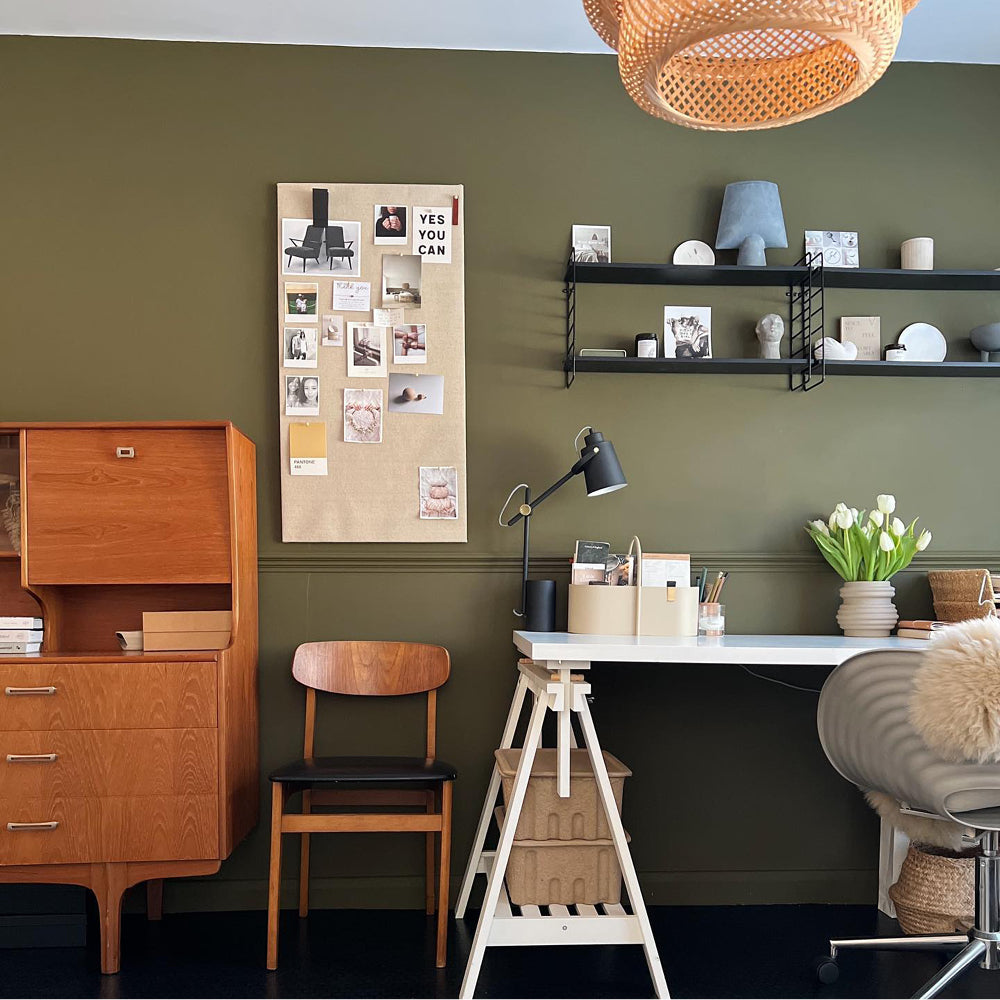
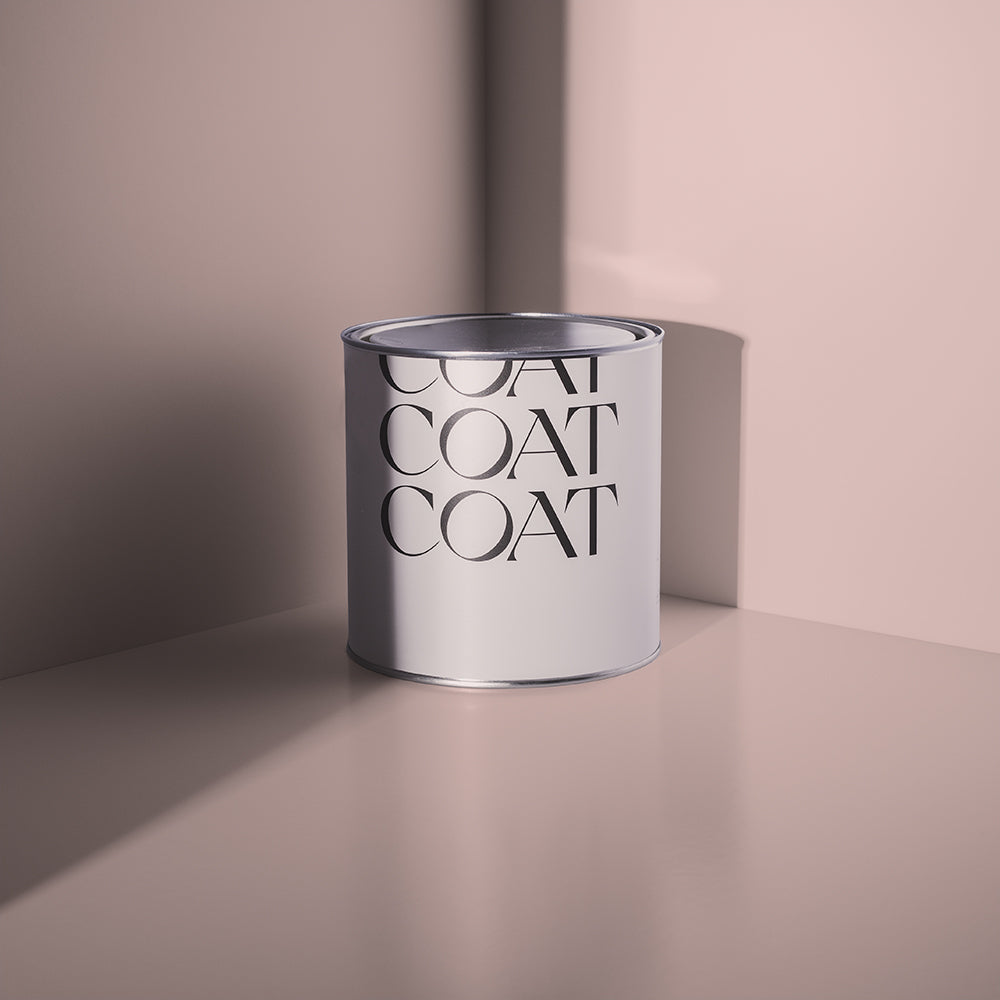
Ever heard of the ‘Purkinje effect’? Neither did we. But it explains a lot. A theory used to describe the way different colours can change, depending on the level of light, it makes total sense why some shades don’t work. For example, take a north facing living room where the light is dimmer; tones of blues can feel way too cold. White, however, will warm the space up and look brighter. But decent lighting is A MUST to bring it to life. Dark shades will also work too, which almost doesn’t make sense. Think of it like embracing nature for a cosy, cocooning feel. Likewise, pastel paint colours with warm undertones will help to bounce light around.

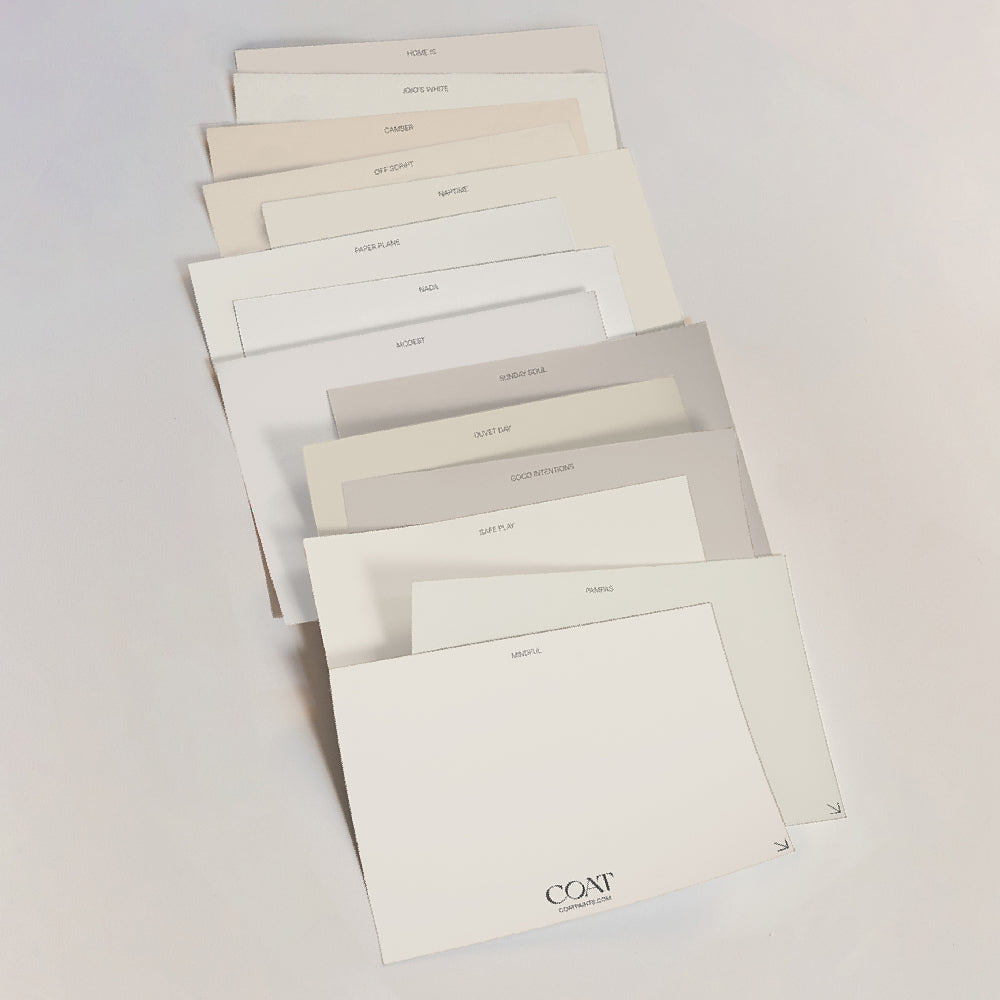
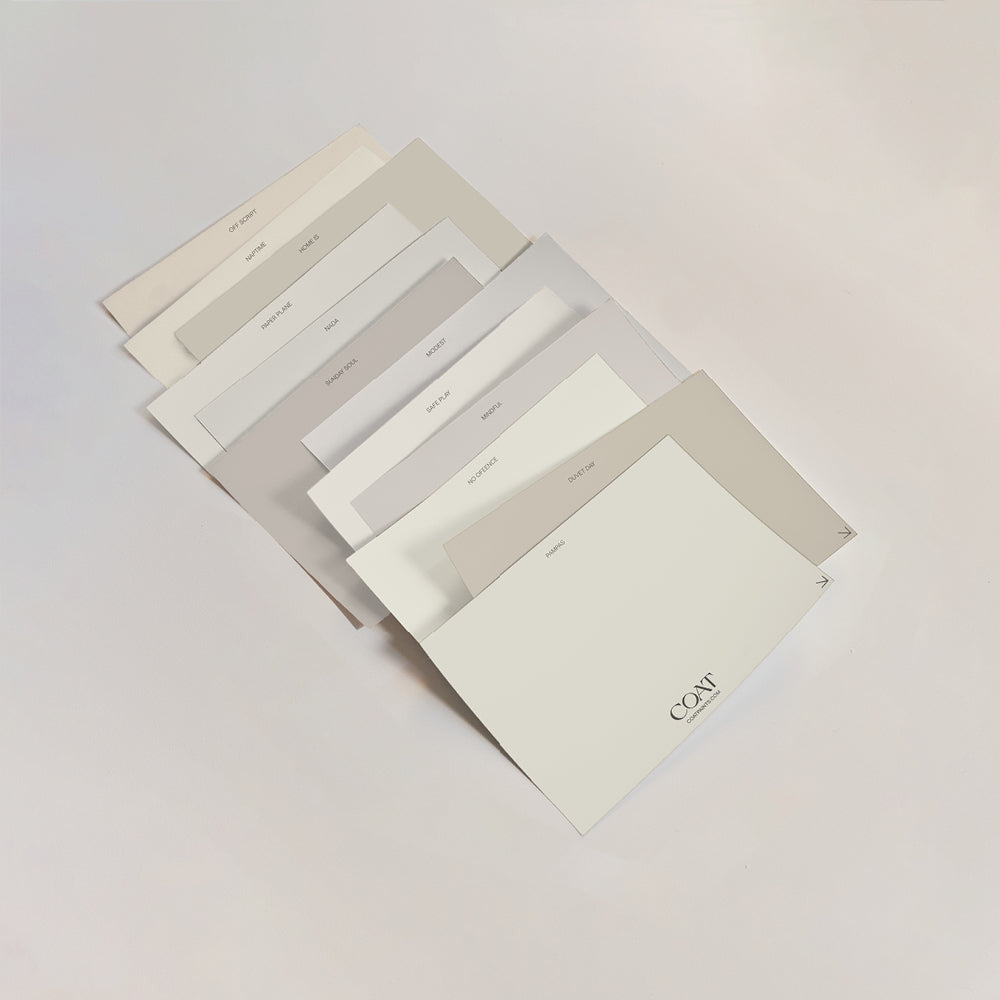
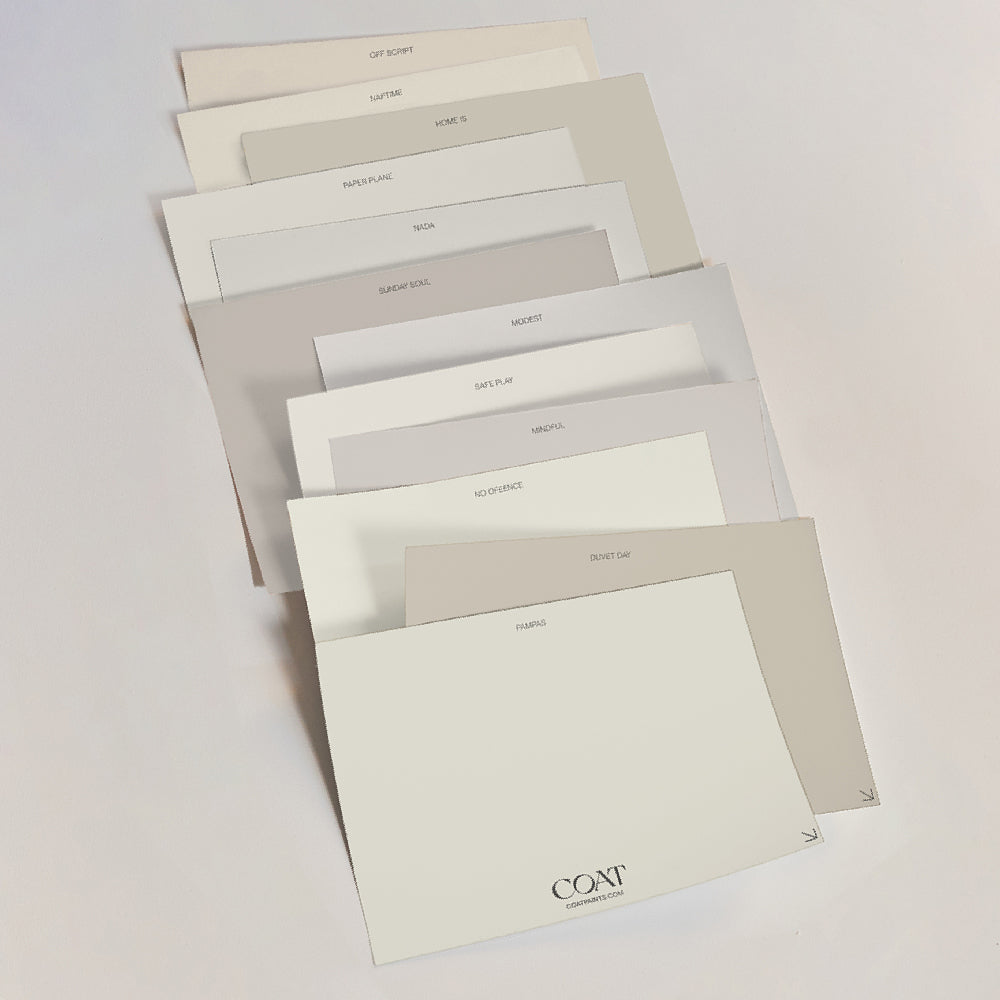
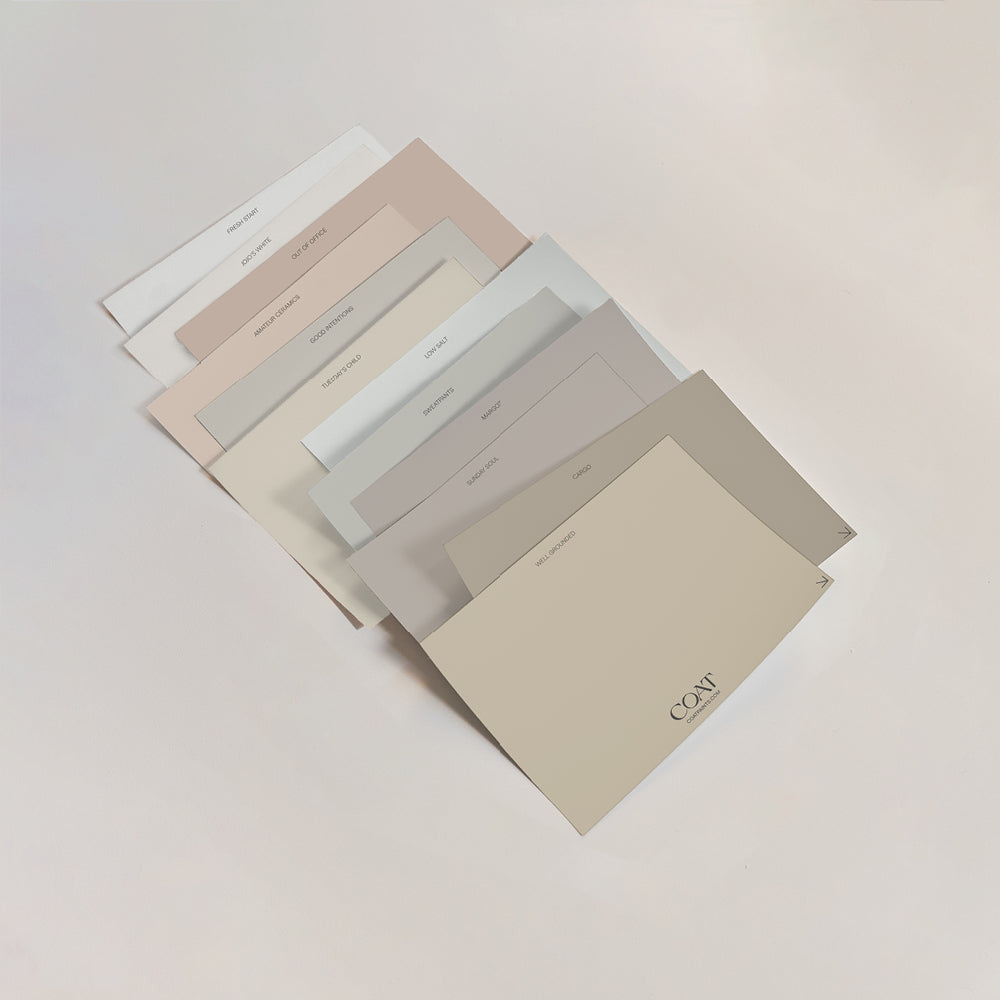
Painting your ceiling darker can make your room appear smaller, why not have a look at our white sample pack to find the perfect one?
Ceiling
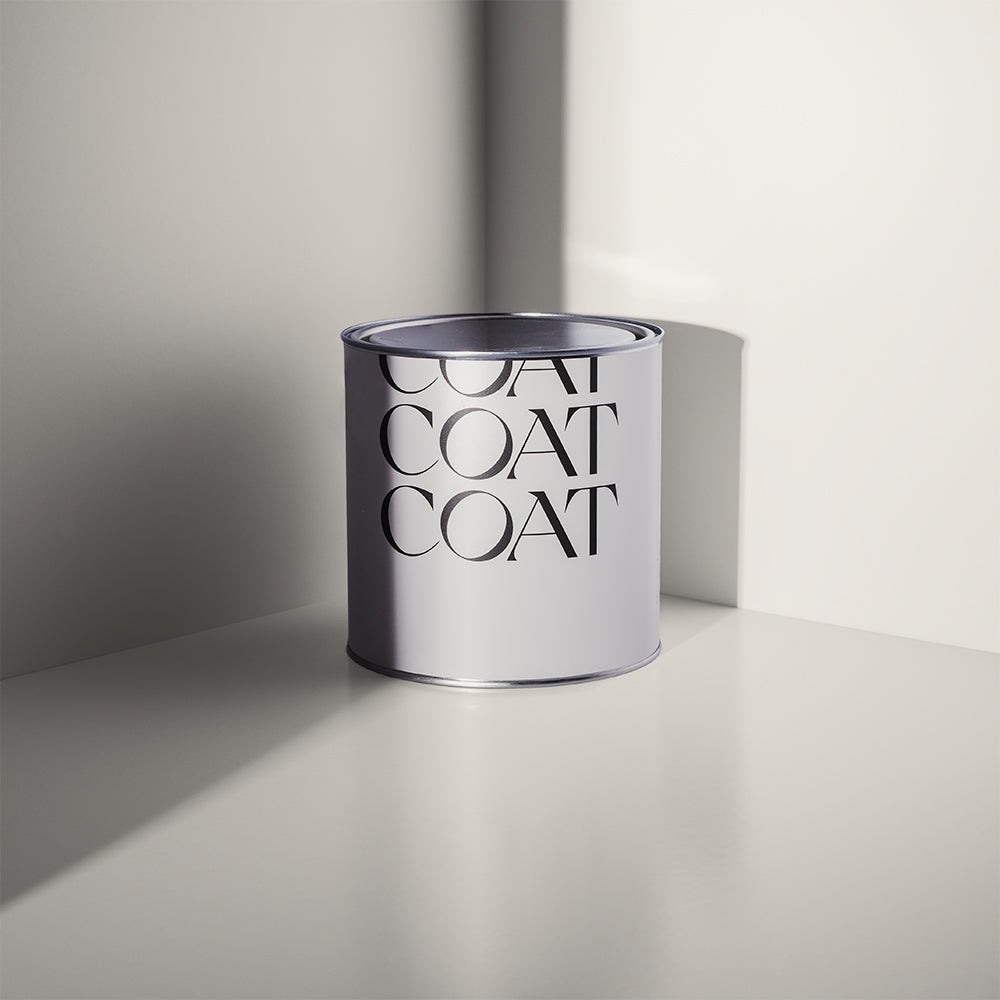
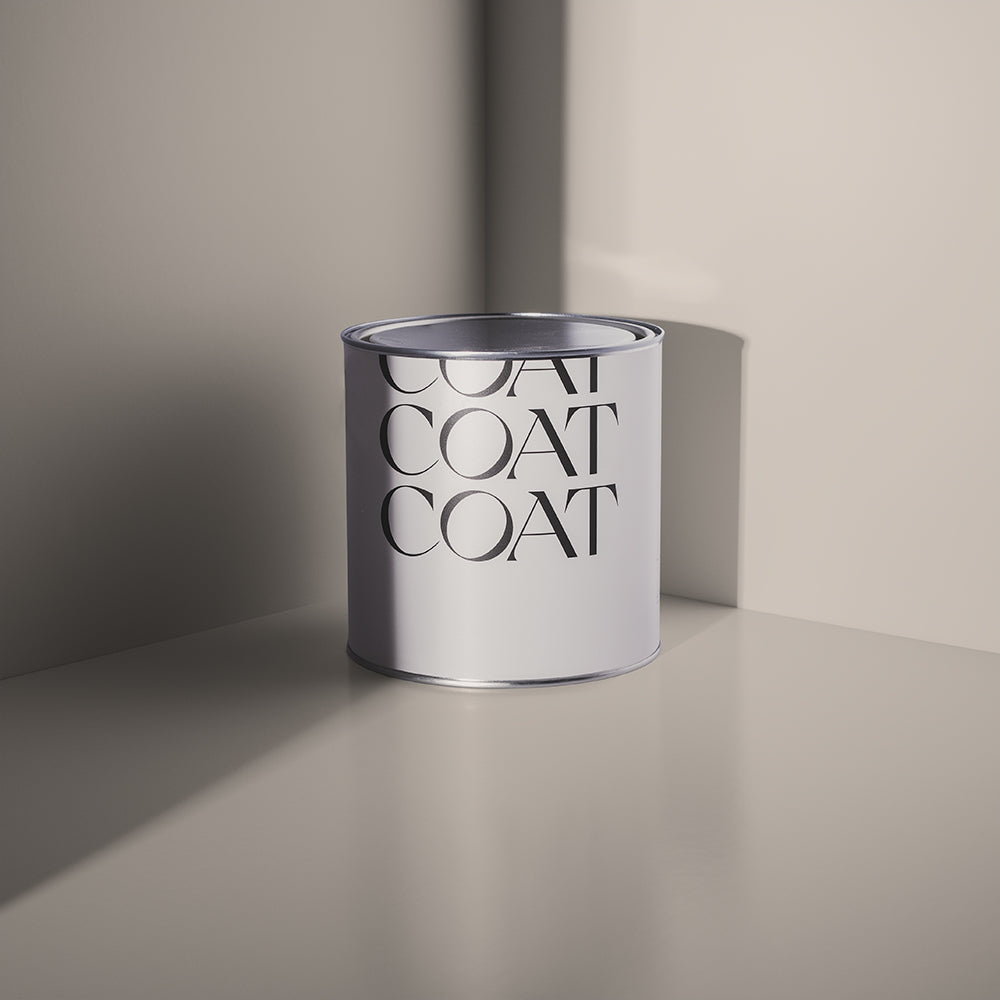
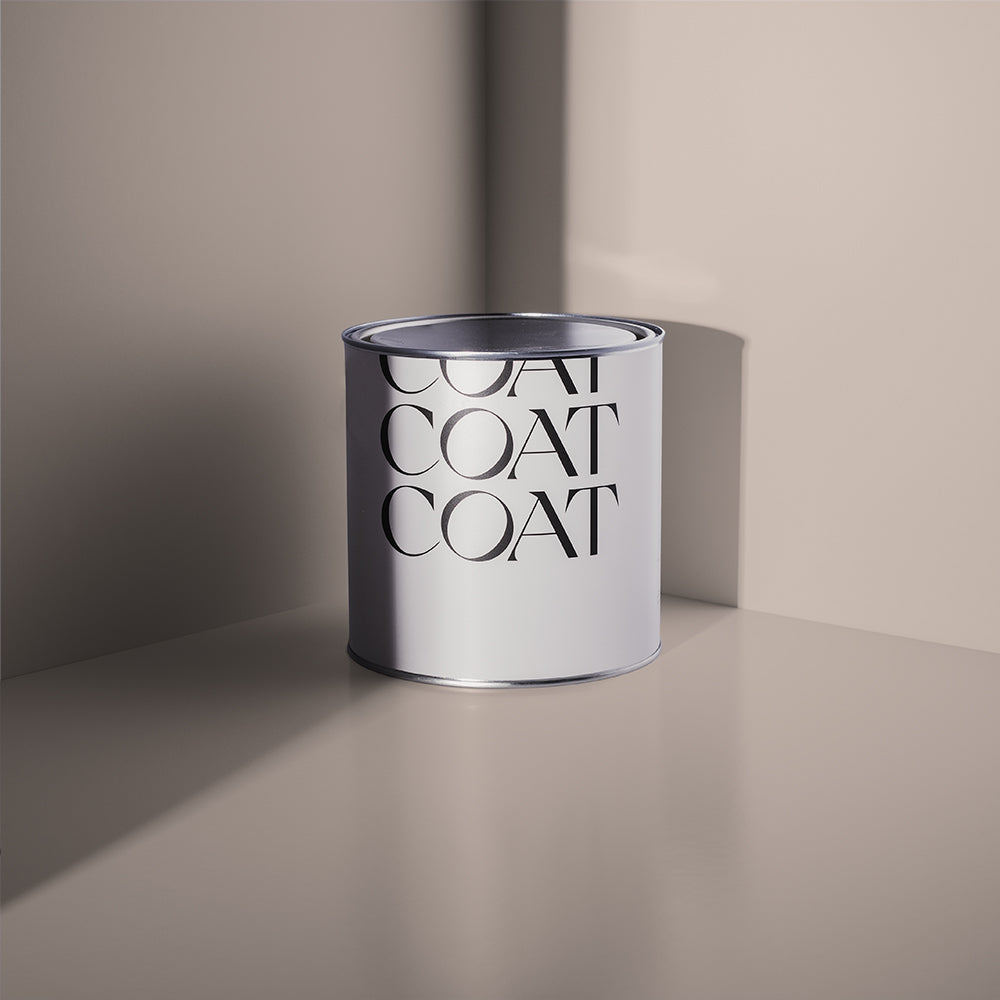
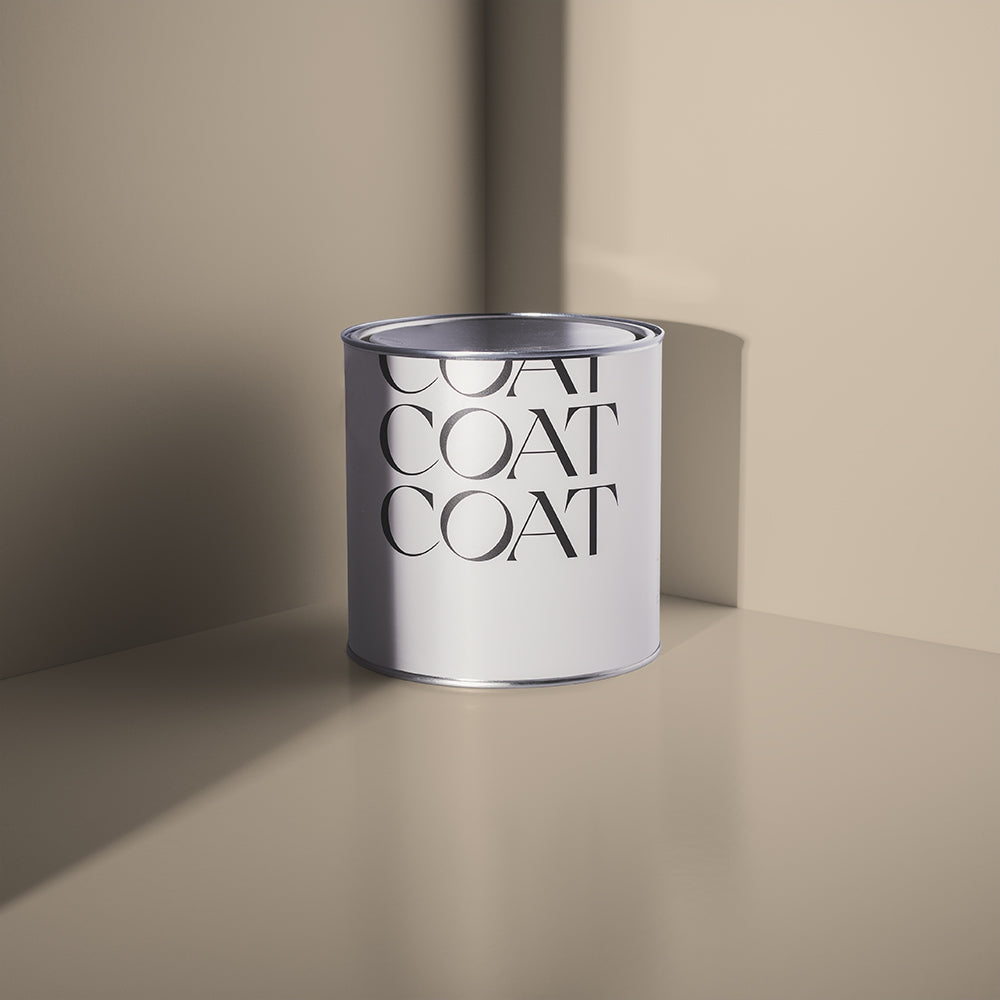
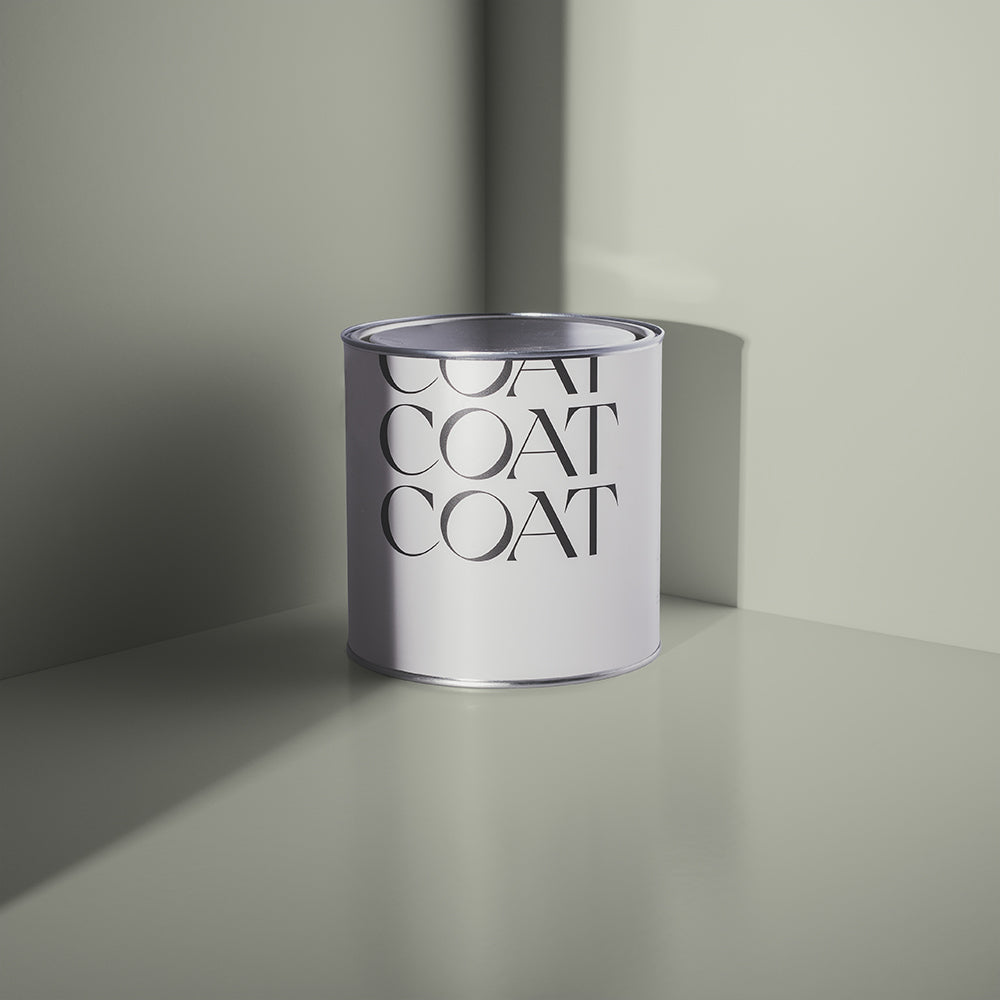
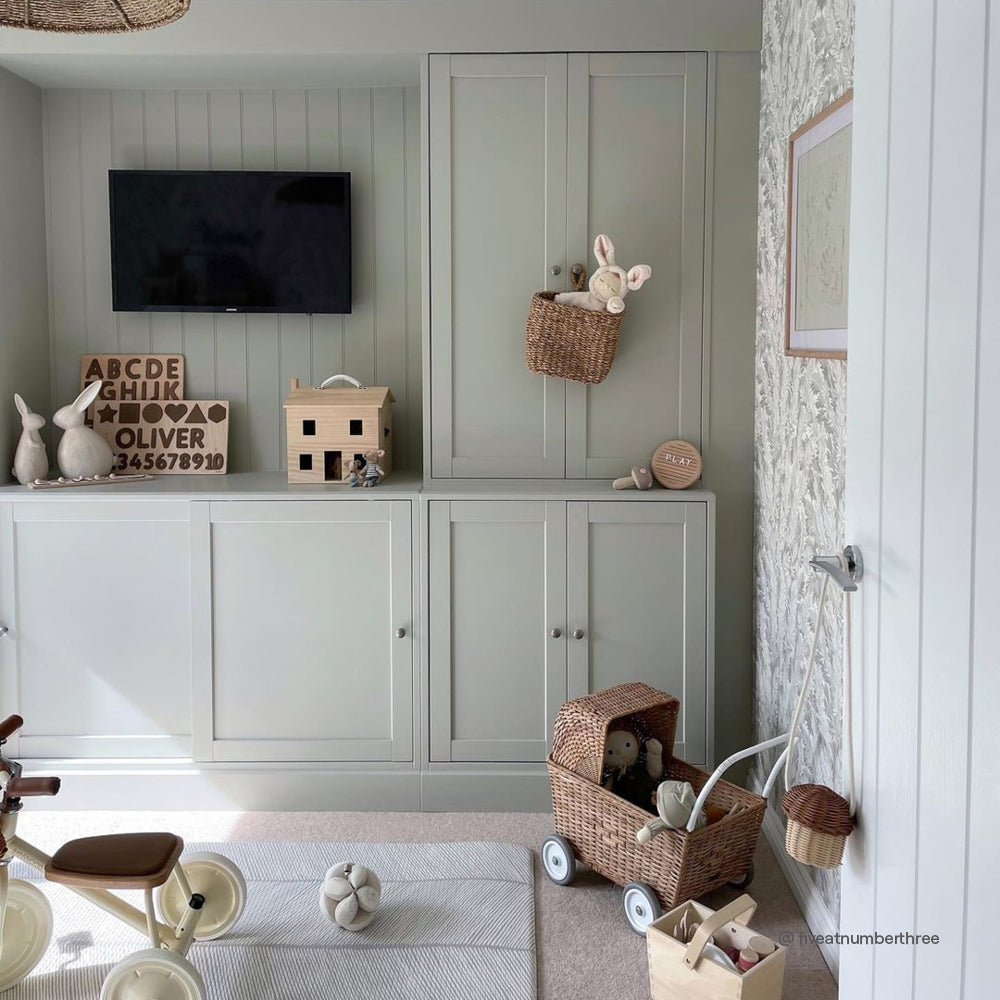
So what are the best ceiling colours for north facing rooms? Bright white can give the illusion of taller walls. Perfect for north-facing lounges and bedrooms, it’ll create the illusion of light and reflect any there is too. Although a little cliche, white ceilings work well and go with any style of decor. We say, why fix it if it ain’t broke? Try a warm, putty shade like COAT’s Safe Play. With paint, it’s also essential to bear in mind the type of finish you use. Not every tin is the same. While matt paint tends to absorb light, gloss paint likes to reflect. Try a soft sheen if your aim is to brighten a north facing room.
Furniture
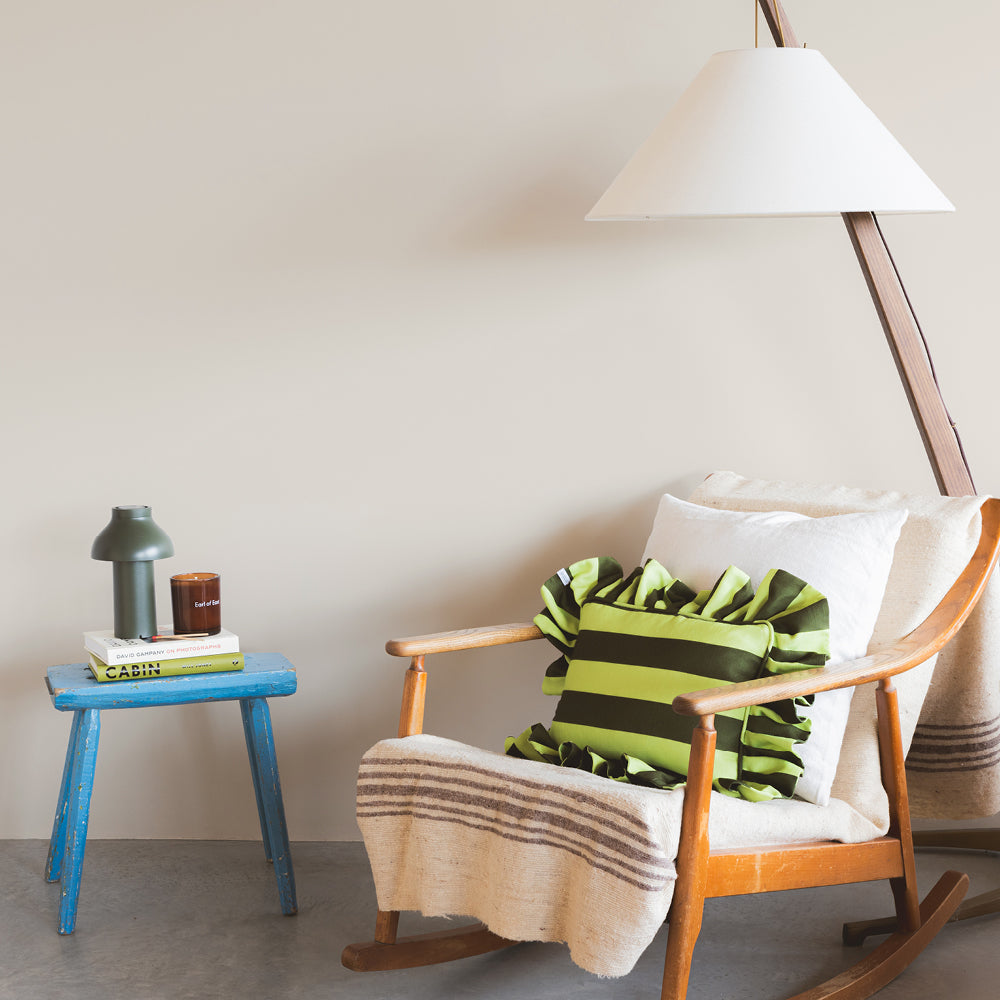
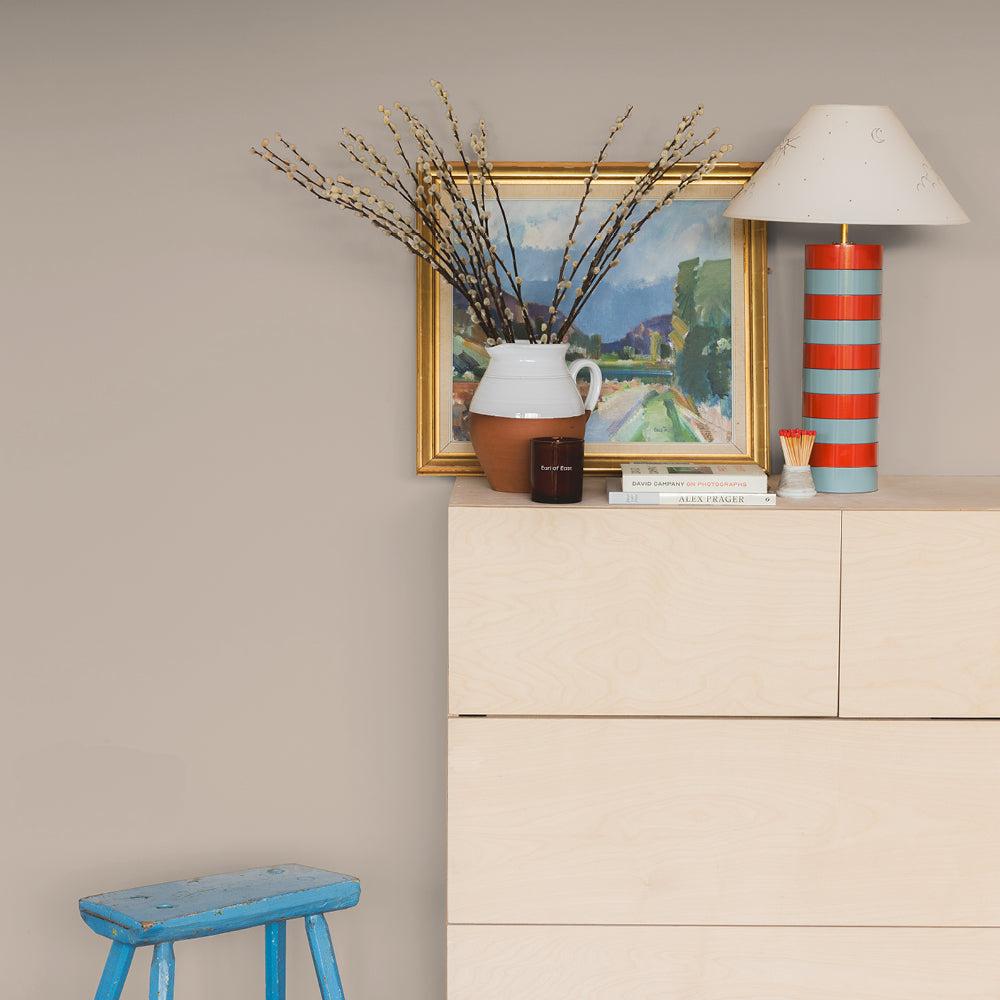
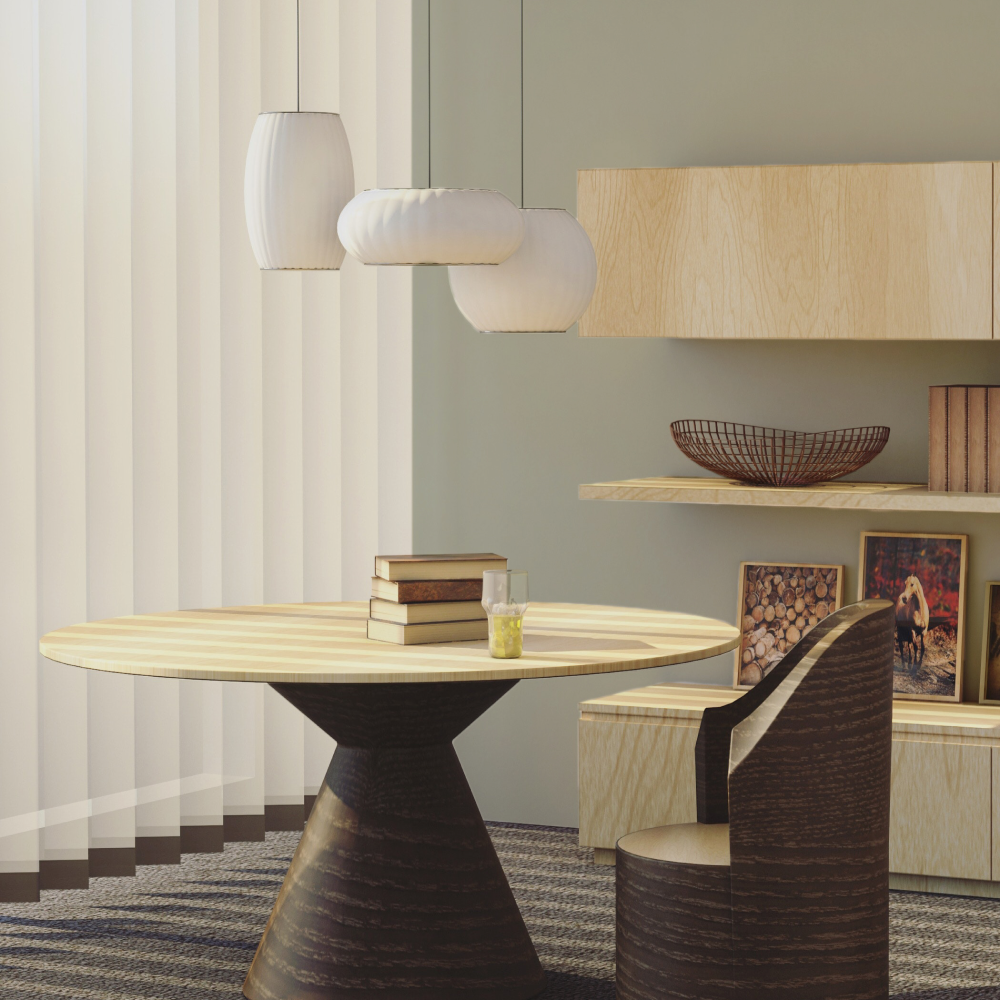
Rooms with a lack of daylight can feel gloomy. But that doesn't mean you have to be restricted on furniture style. Simply avoid bulky designs and steer clear of dark wood. These will drain the light from your space. Low-slung and slimline will really pay off. As will tapered legs, thin frames and glass. Natural finishes like polished marble or oak will also create an effortless flow. And keep your theme flexible. This way, you can chop and change the paint colours you use, as long as they’re warm. North facing living room colours include greiges and whites. A neutral sofa will also help lighten the space, but it doesn’t have to be plain. Tactile textures like fluting are super cute.

Flooring
When it comes to the floor, dark wood is a no. And so are swirly carpets and hideous rugs. Light colours can brighten a room, especially when used underfoot. And they’ll make a north-facing space seem so much more open than it actually is. Opt for a pale hardwood floor or light coloured carpet. They’ll reflect the light so much better, we promise. On a budget? Try vinyl flooring instead. There’s loads of colours that can mimic the effect of natural wood. We’re also loving the idea of white Scandi floorboards for a paired-back, chic look. Although they will need to be cleaned more often. Top tip? Throw down some rattan oversized rugs. Or jute will work too. And the best bit? They can be easily thrown in the wash.
Accessories
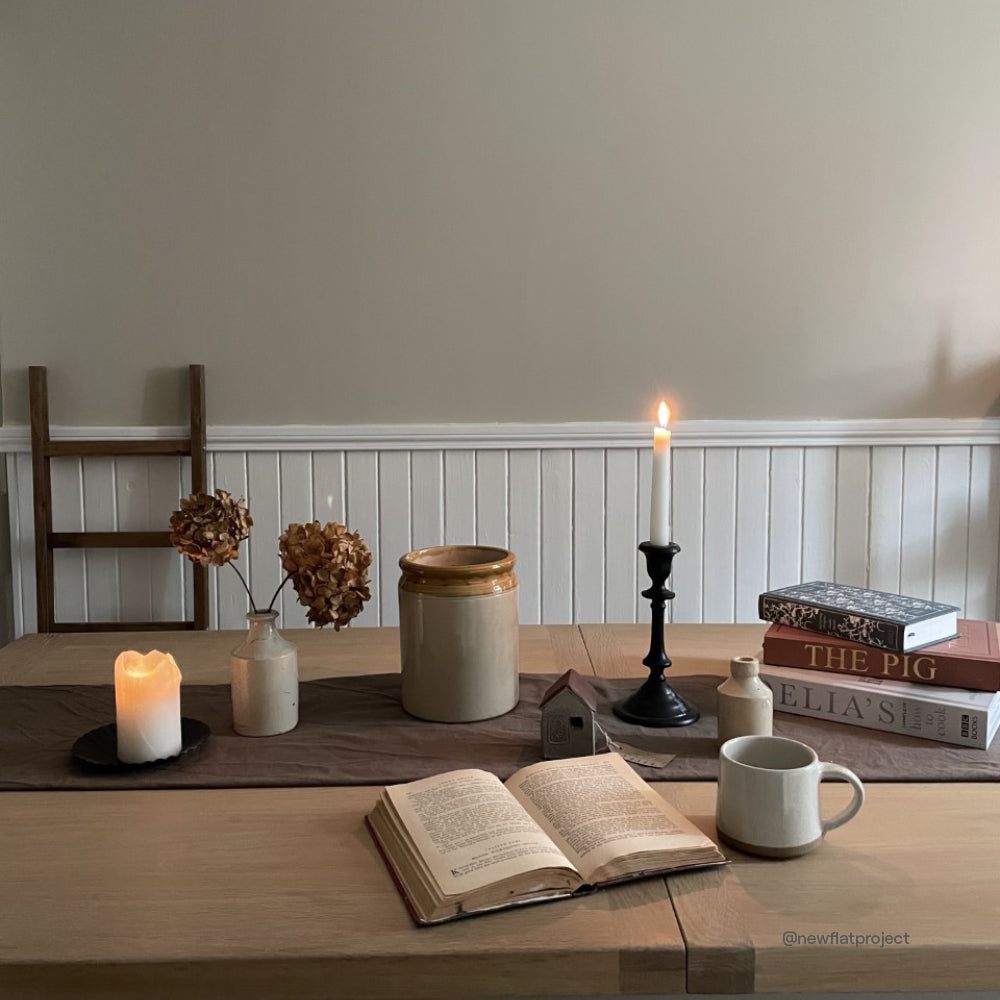
It’s amazing how the finishing touches can make an impact. Especially when they’re cleverly layered. Always layer large accessories like cushions first, sparingly mind. These will add a nice balance to the room where needed. Smaller, much brighter knick-knacks can then fill in the gaps. Like vases, artwork and books. A few pops of colour will also brighten the space. Who said living room north facing colour schemes had to be boring? A word of warning, however, don’t take it too far. A clean aesthetic always looks so much better than a room bursting with stuff. Better living room storage will keep it airy. It’s a fine line between stylish and over-kill.
How to make a north facing room feel cosy
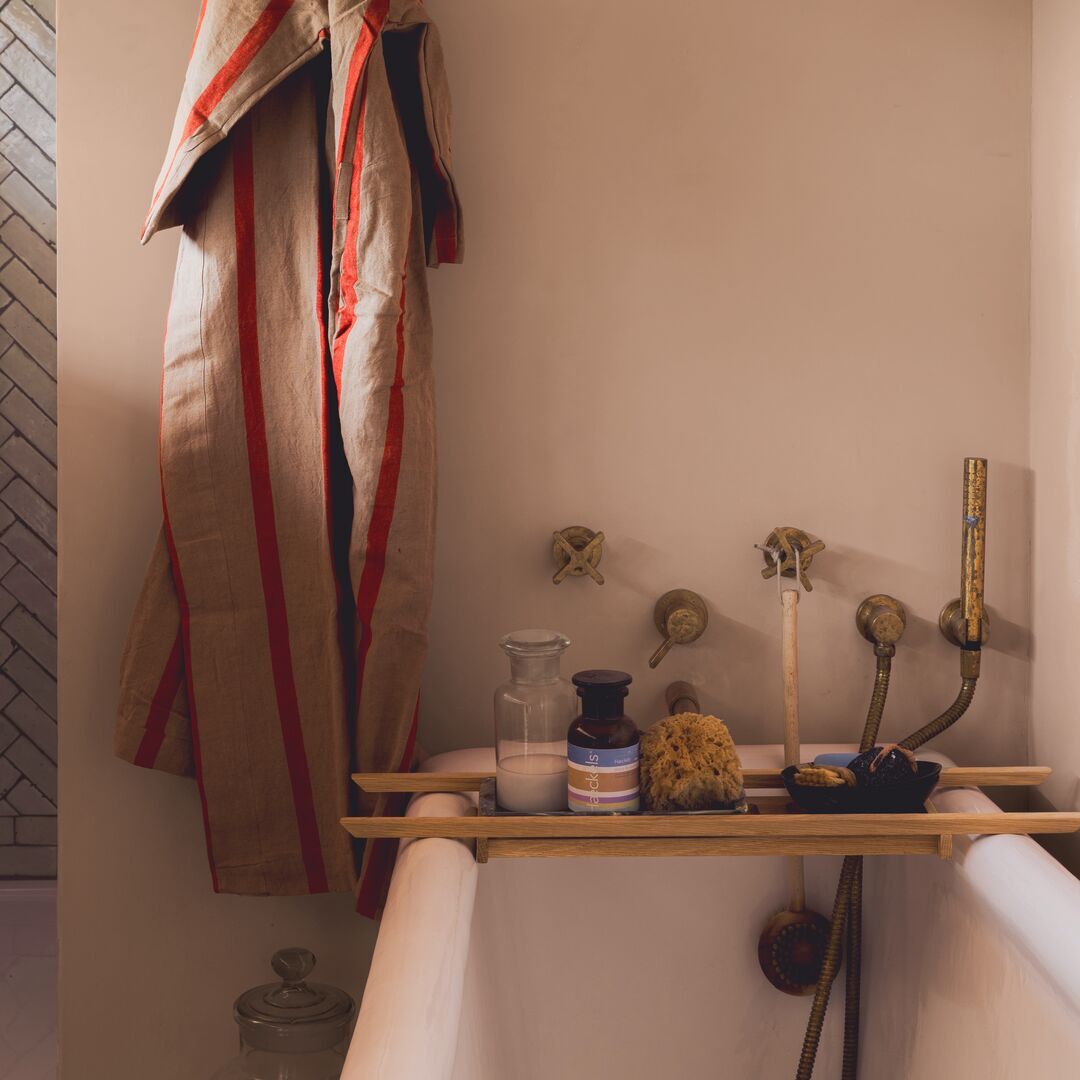
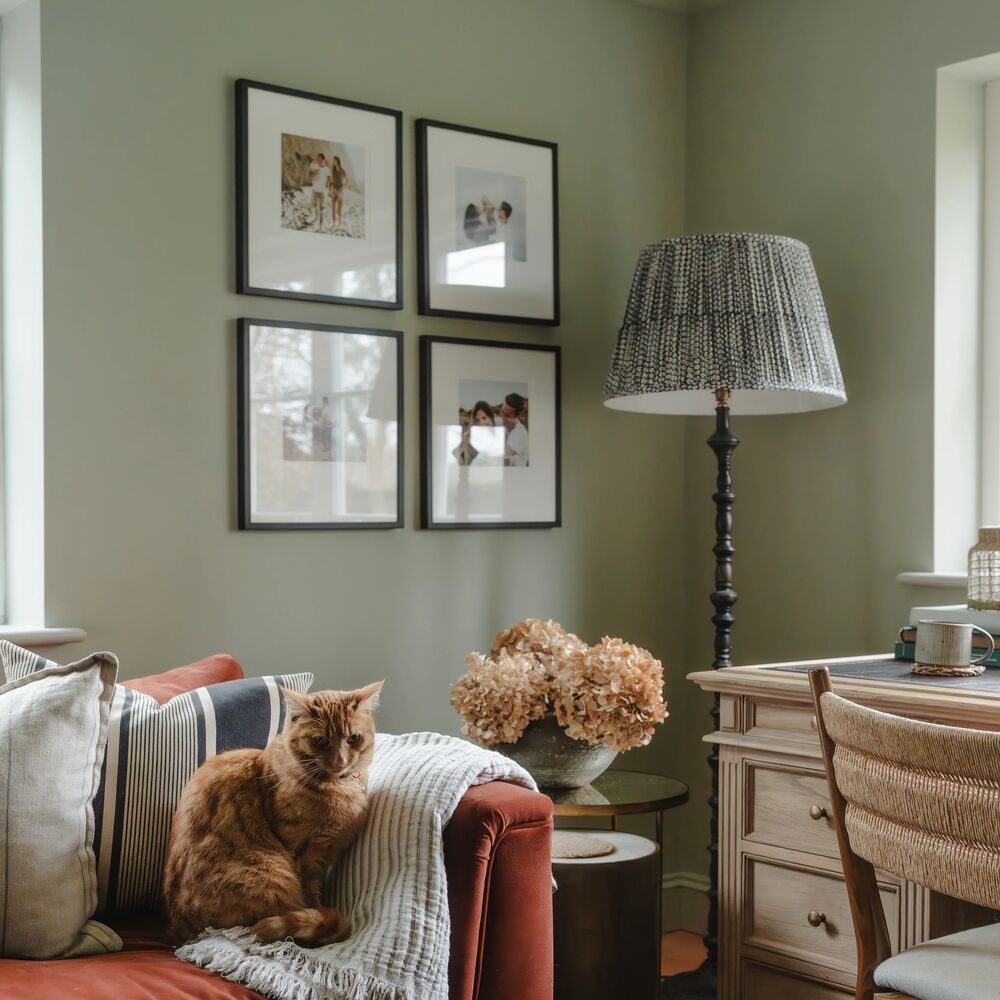
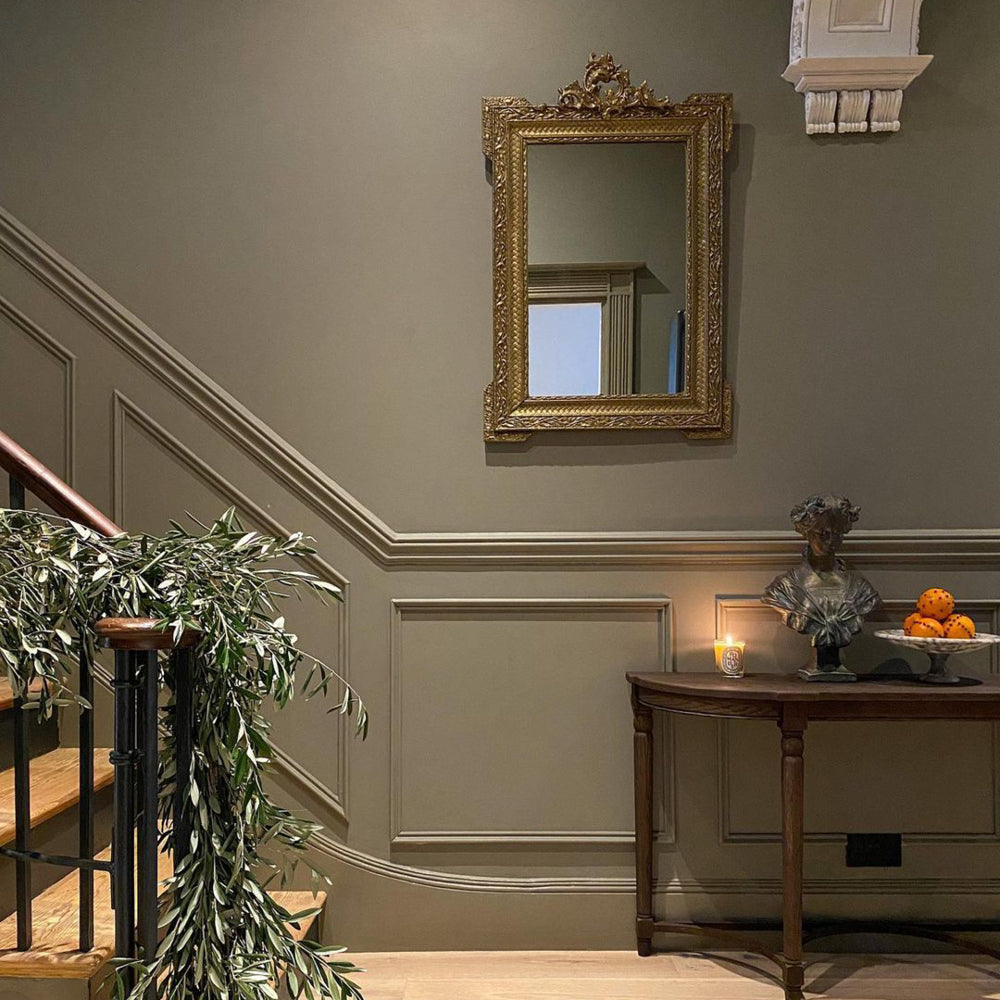
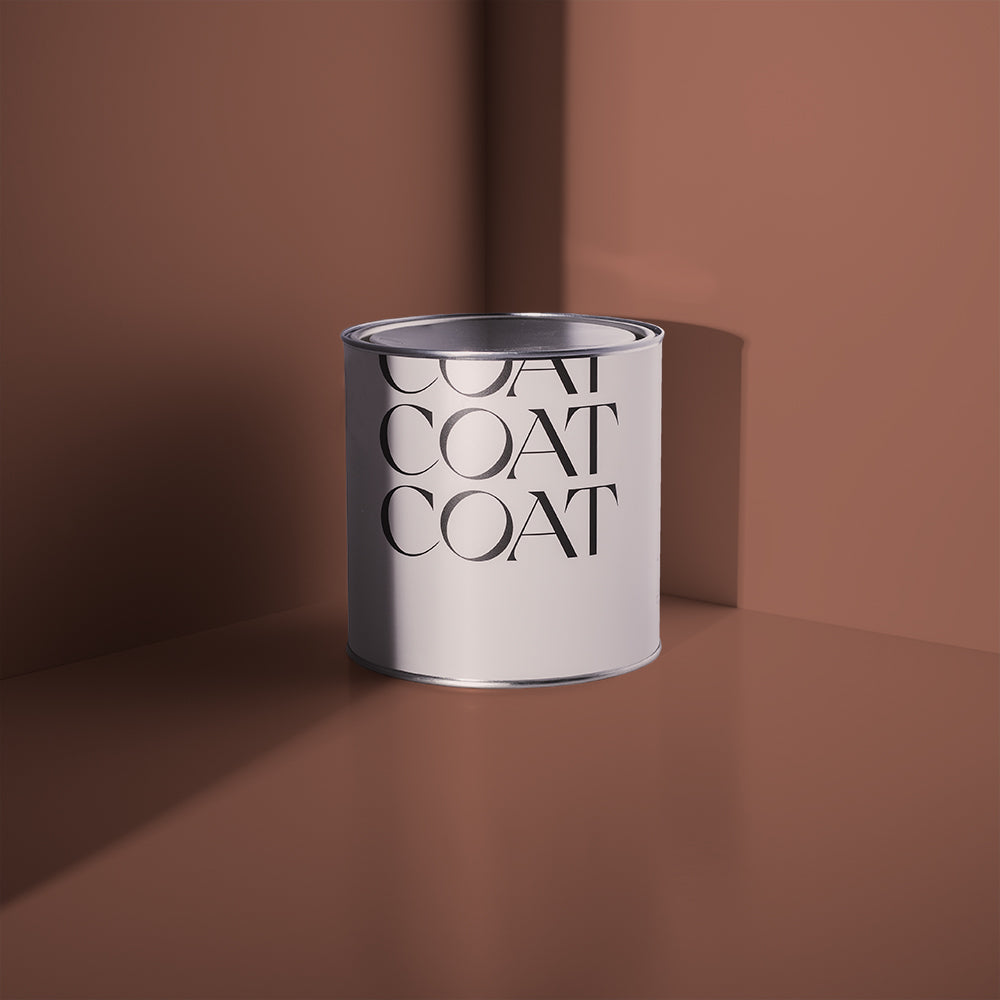
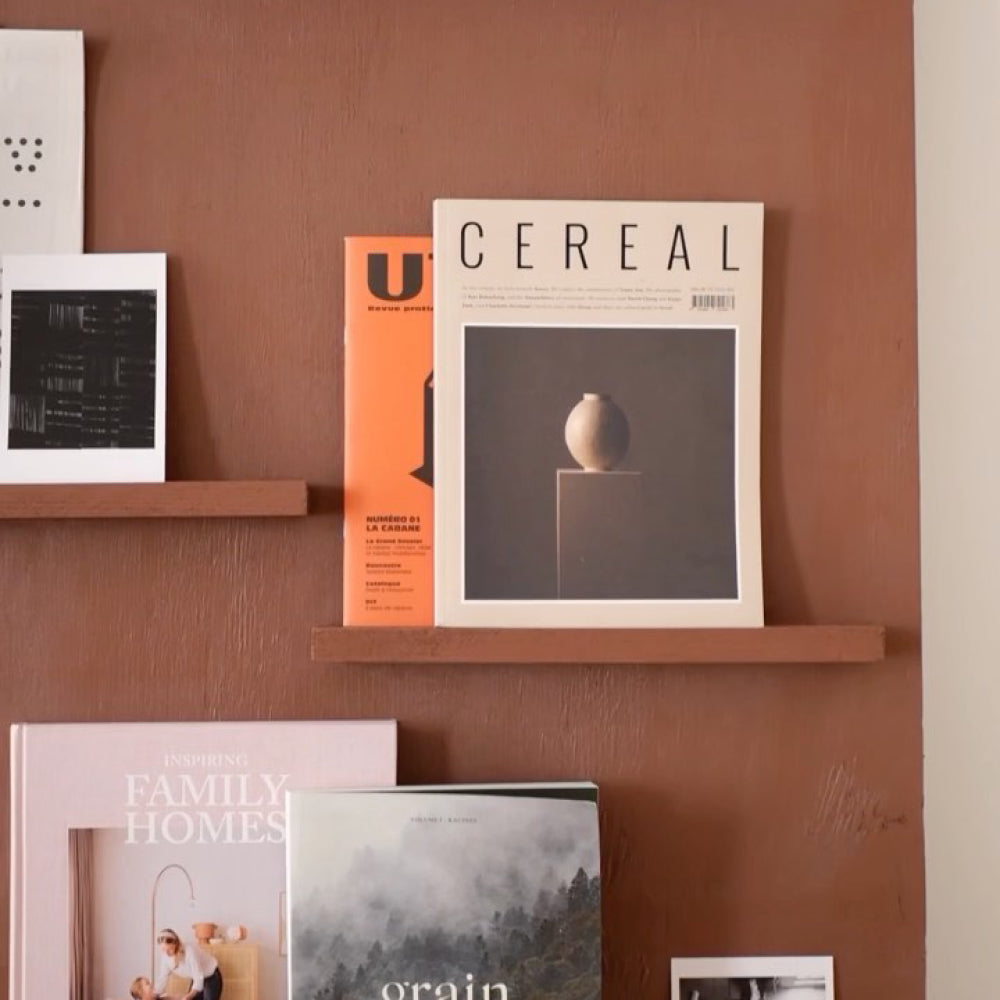
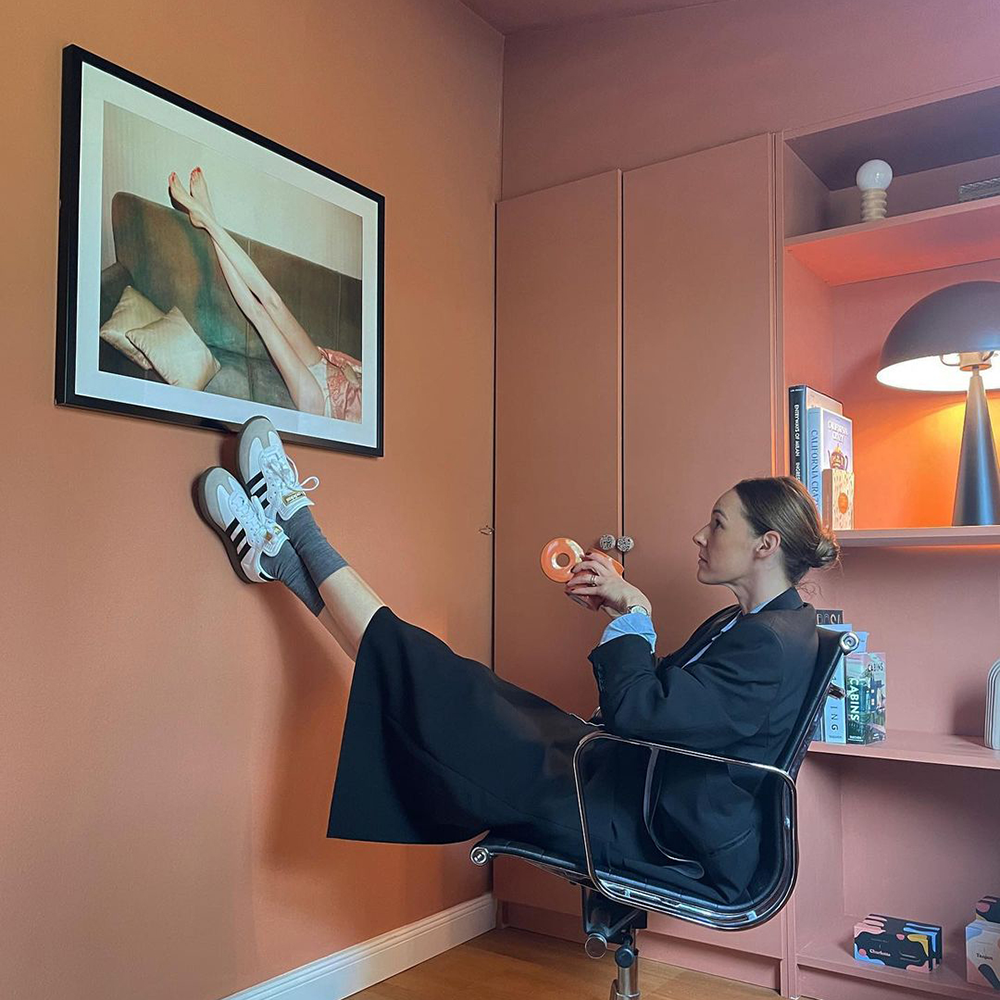
Although north-facing rooms can be a pain in the arse, there’s no reason that they can’t feel nice. After all, they’re a room in your home; you can’t exactly leave them to rot. North-facing spaces need our love too. So to summarise the above, warm colours will be your best mate when it comes to wall paint. Neutrals like terracotta and greige will create the cosiest mood. Accessorise with rugs and blankets to make the space inviting.

Top tips to decorate a north facing room
Now that you’ve got the basics under your belt for tricky north-facing rooms, check out these savvy decor tips:
1) Hang your curtains as high as poss. By attaching the rail as close to the ceiling as poss, you’ll trick the eye into believing the wall is much bigger. Visually expanding the space, a good rule of thumb is to place the rail 4’’ above the window.
2) Use furniture to create different zones. There’s nothing wrong with defined spaces to make a north-facing room cosy.
3) Add a few plants. In our opinion, you can never have too many either.
4) Accessorise with care. Like we said, too many bit and bats is crowding.
5) Consider the space as a whole. Don’t forget; you’ll be using this space all year round.
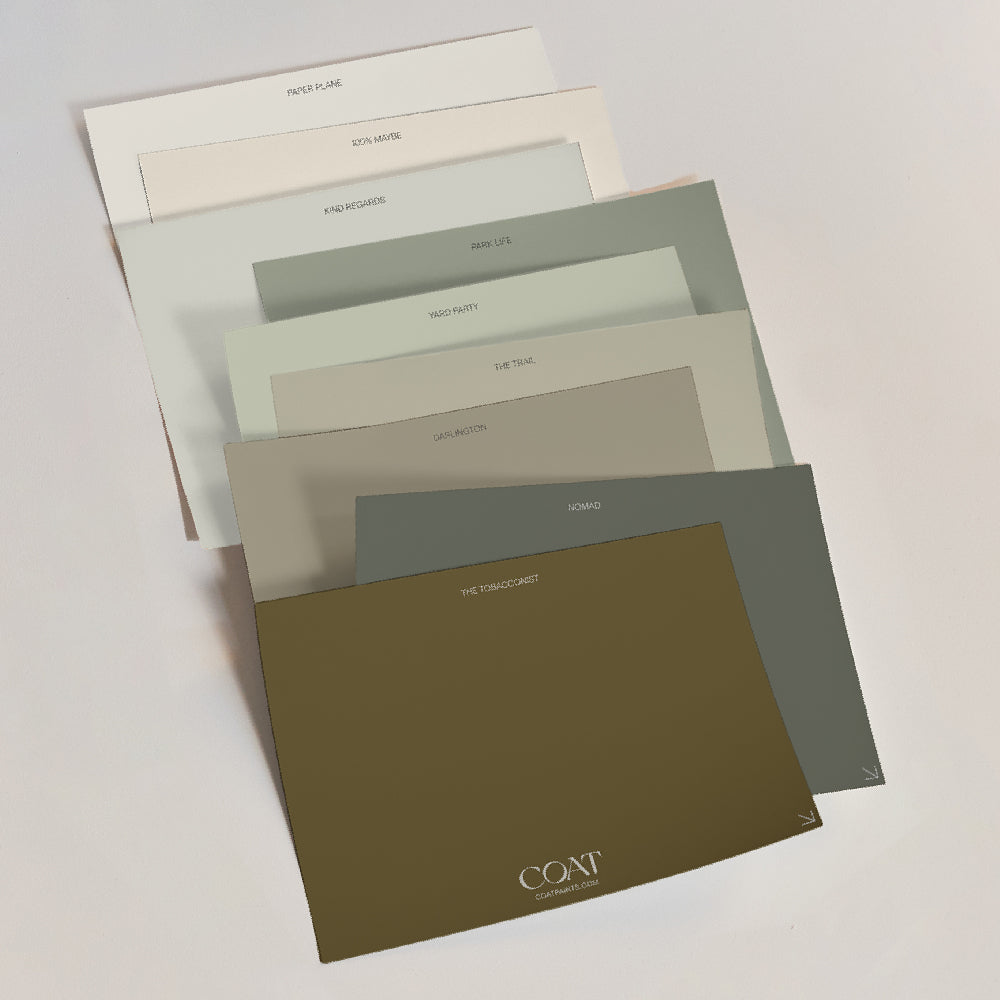
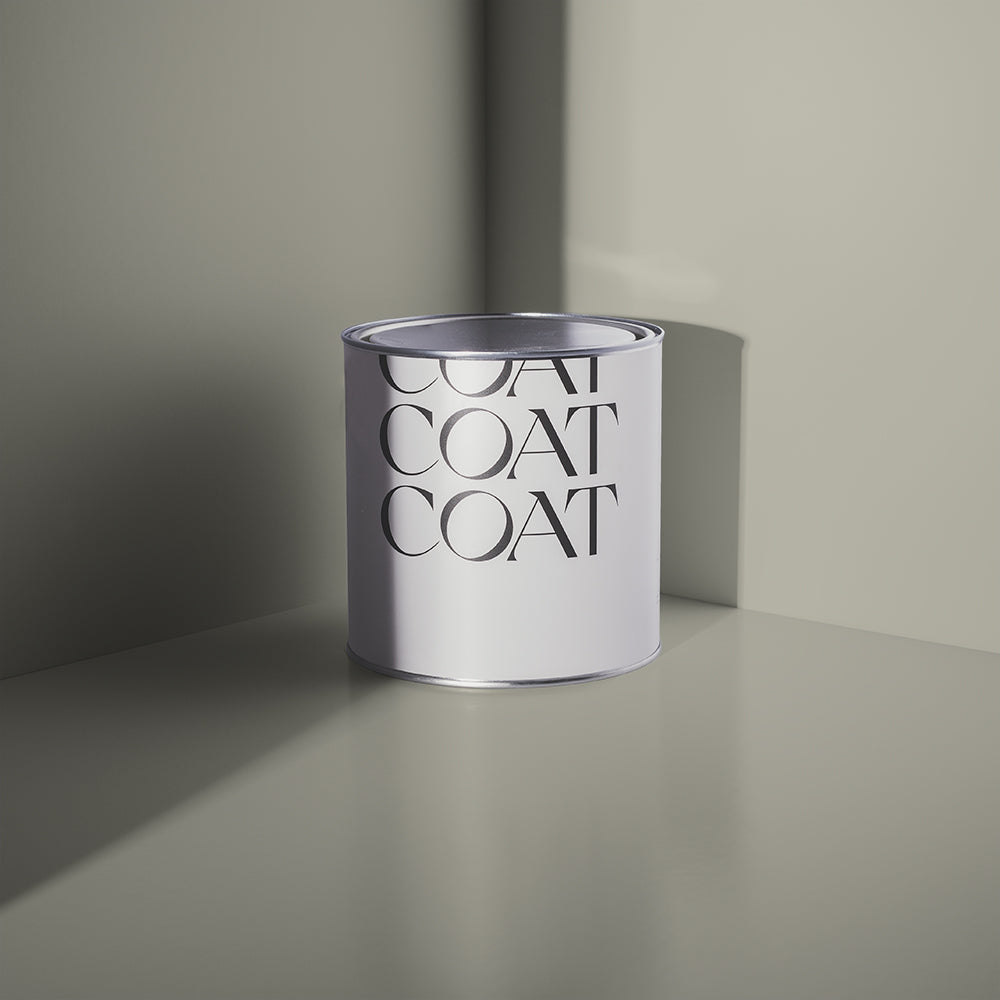
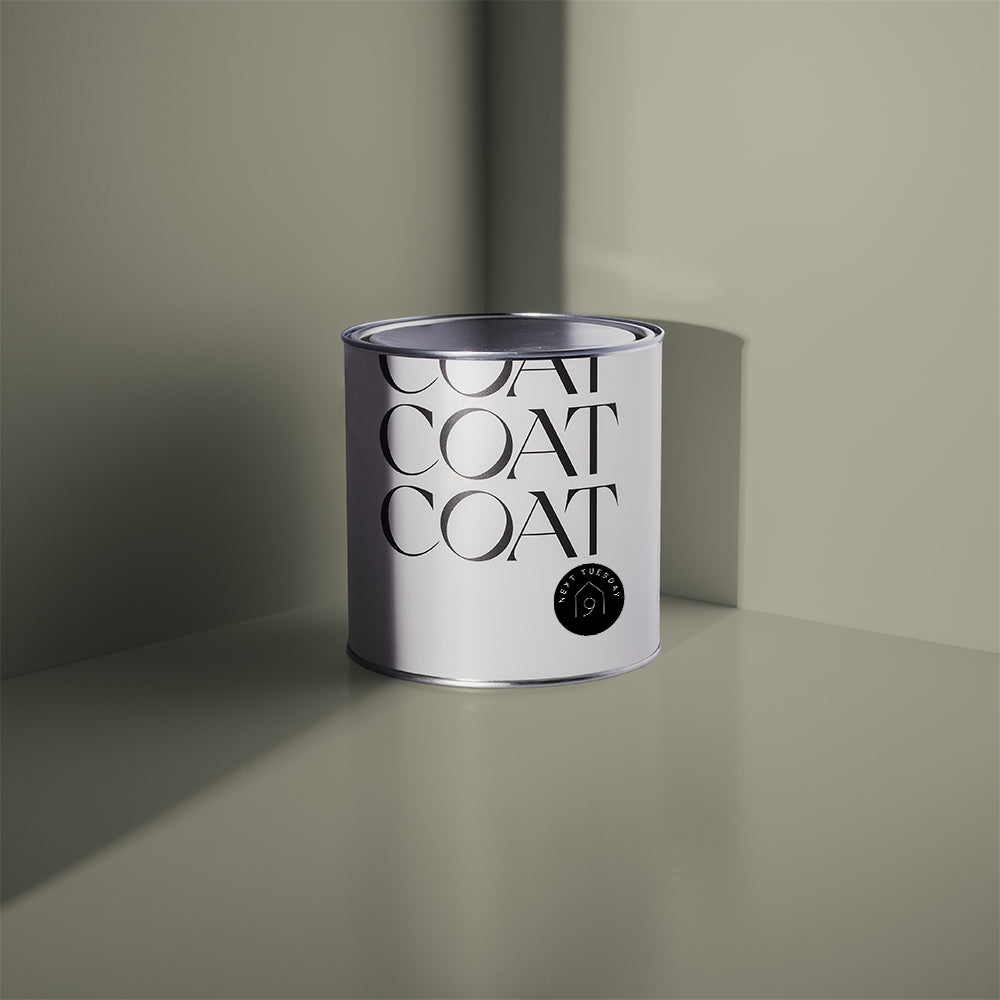
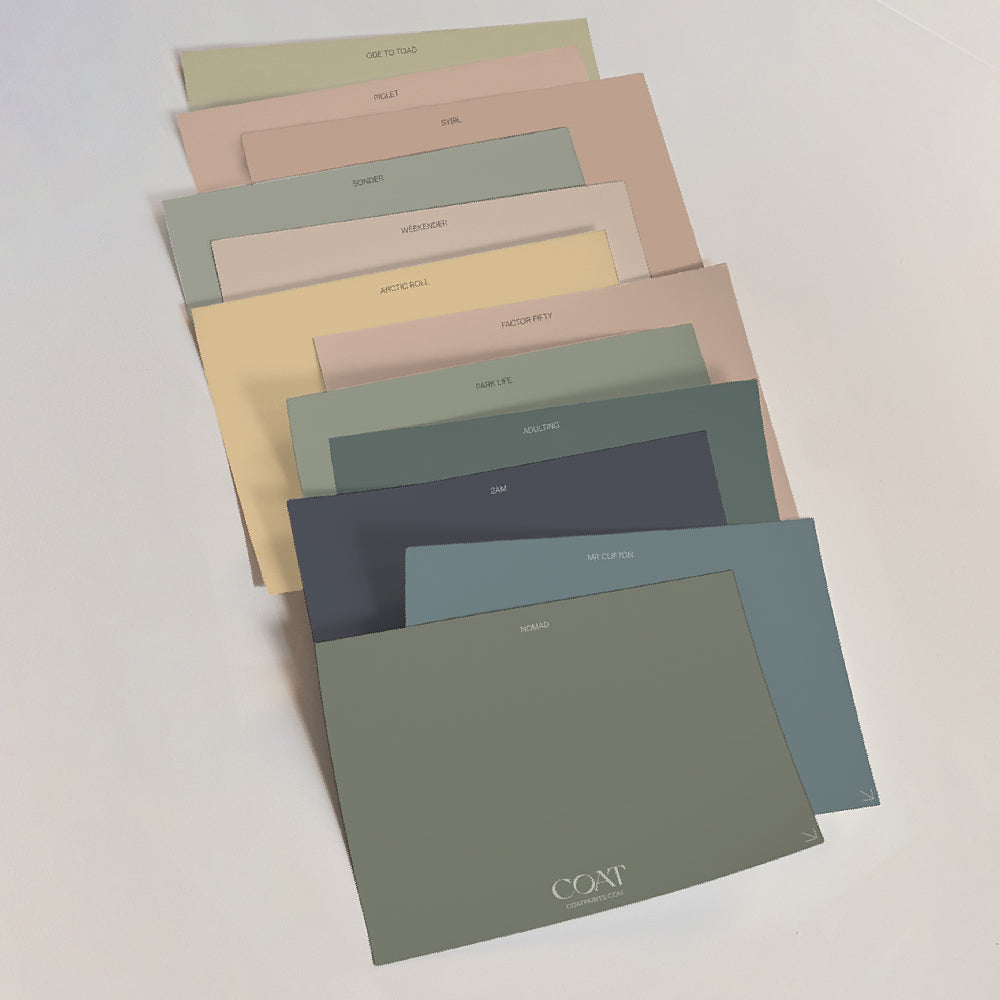
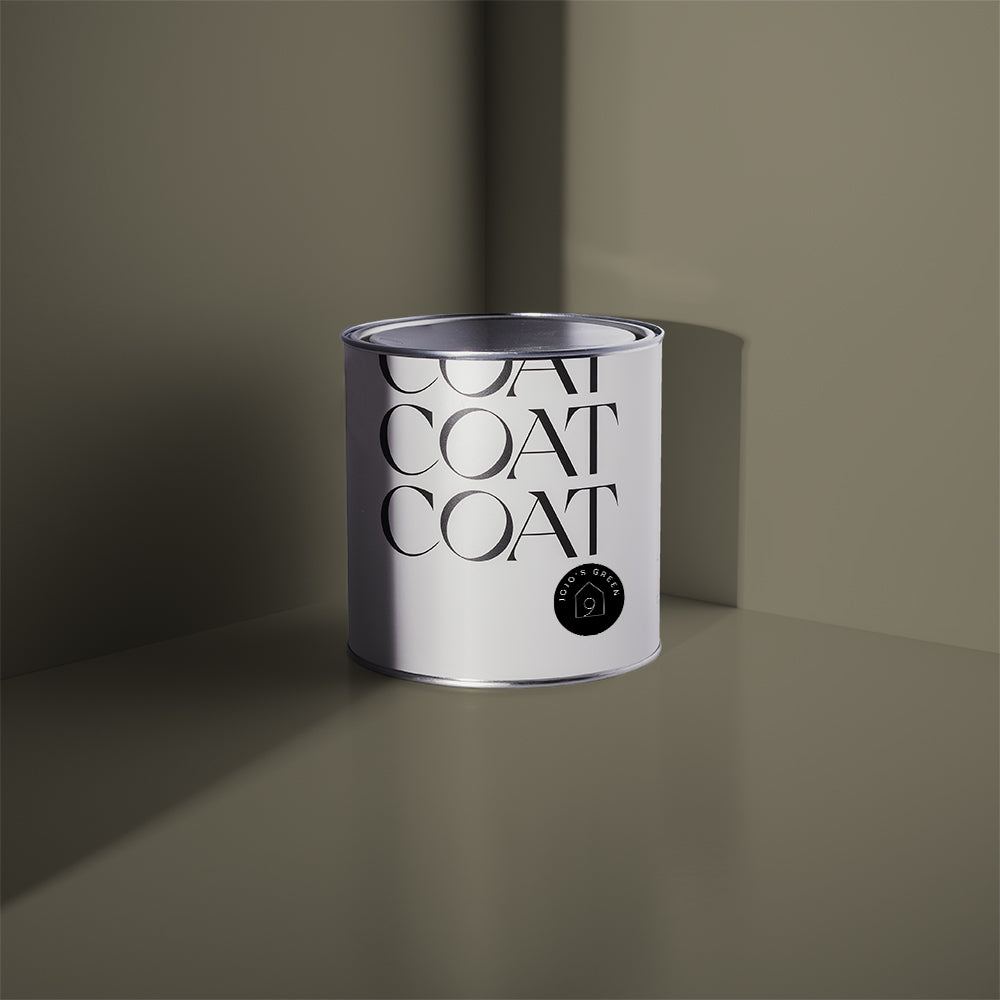
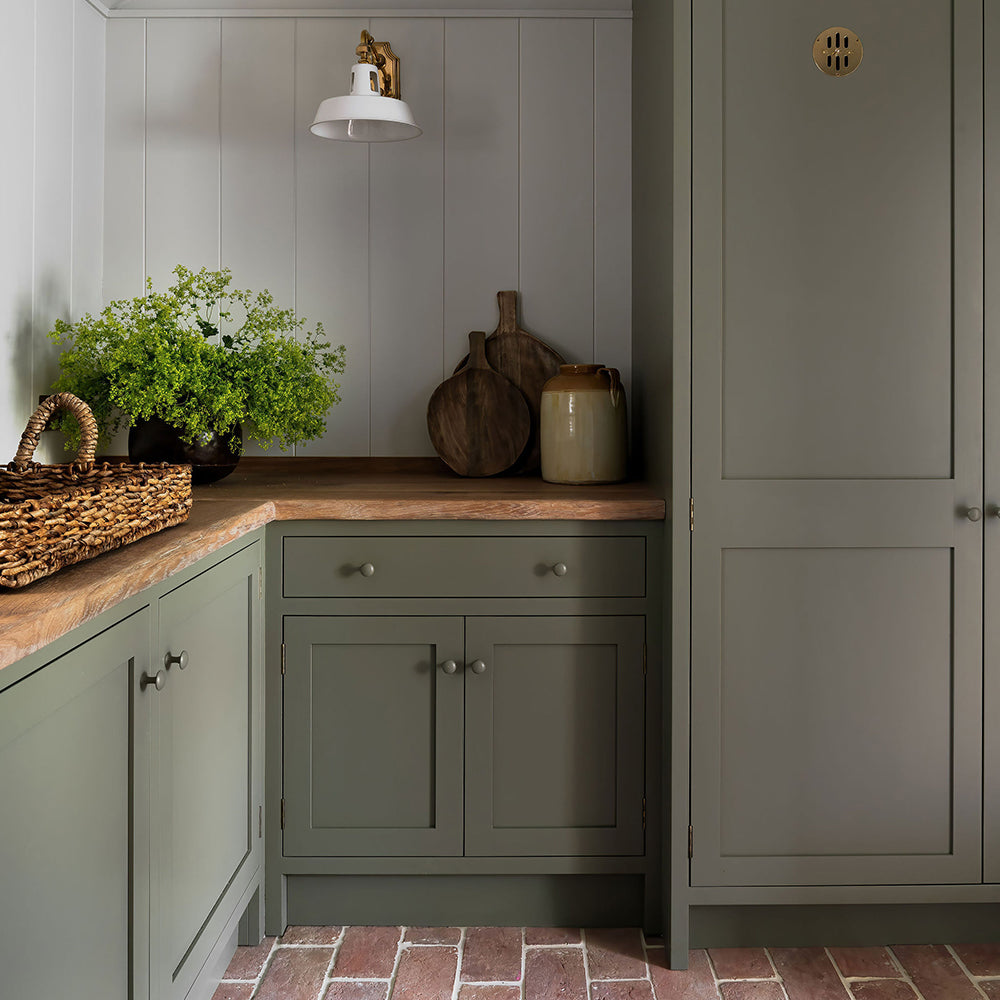
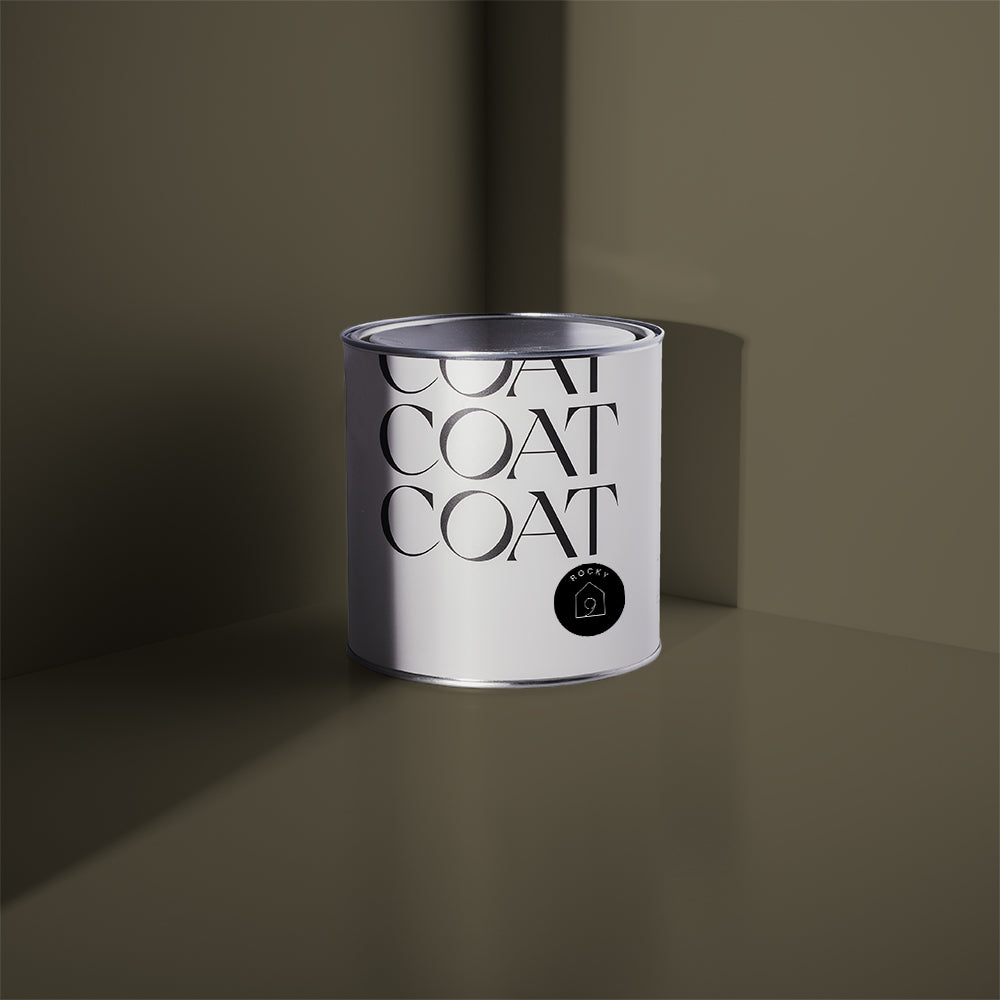
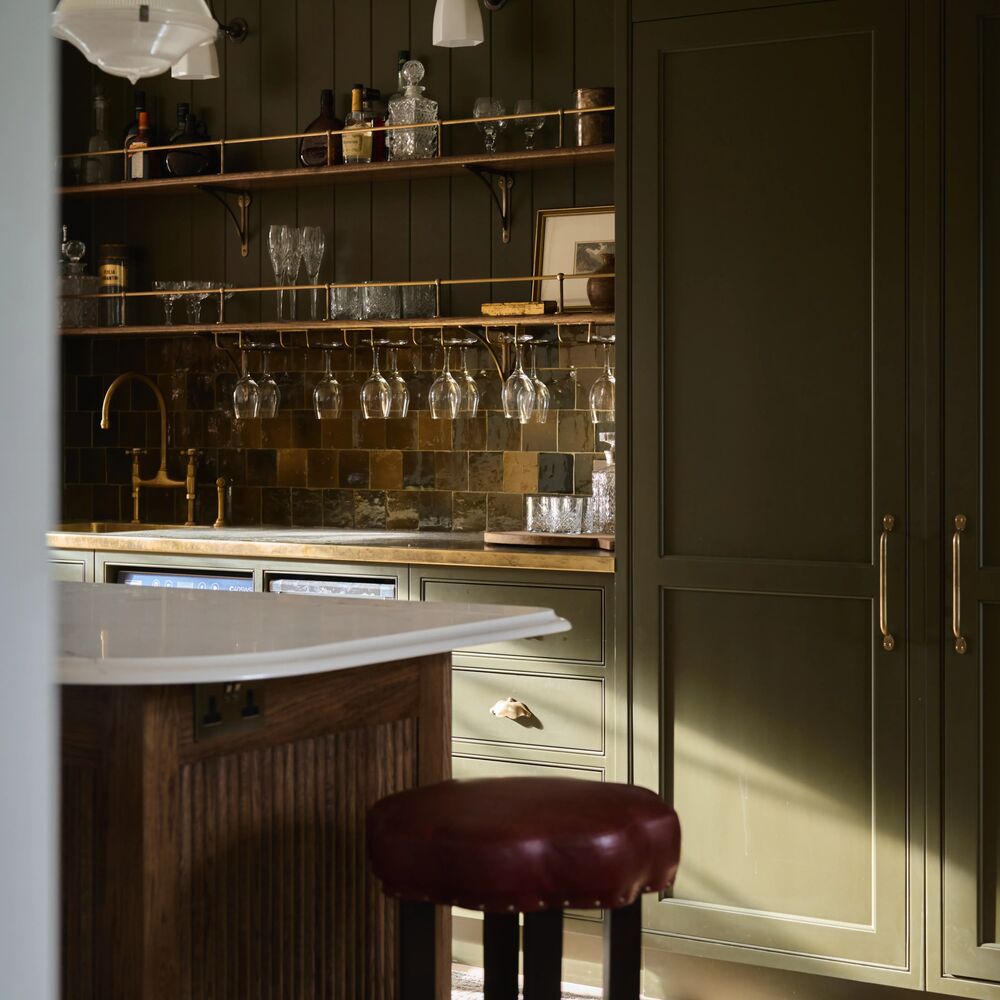
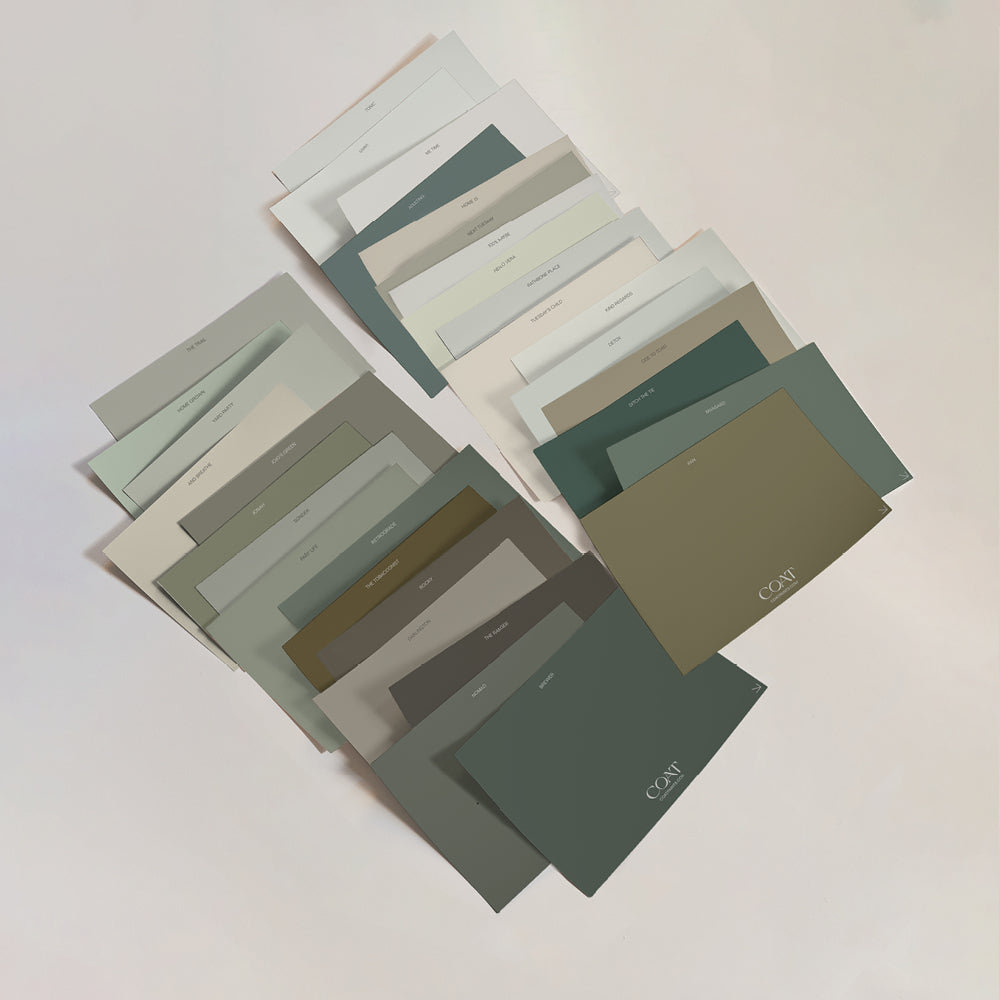
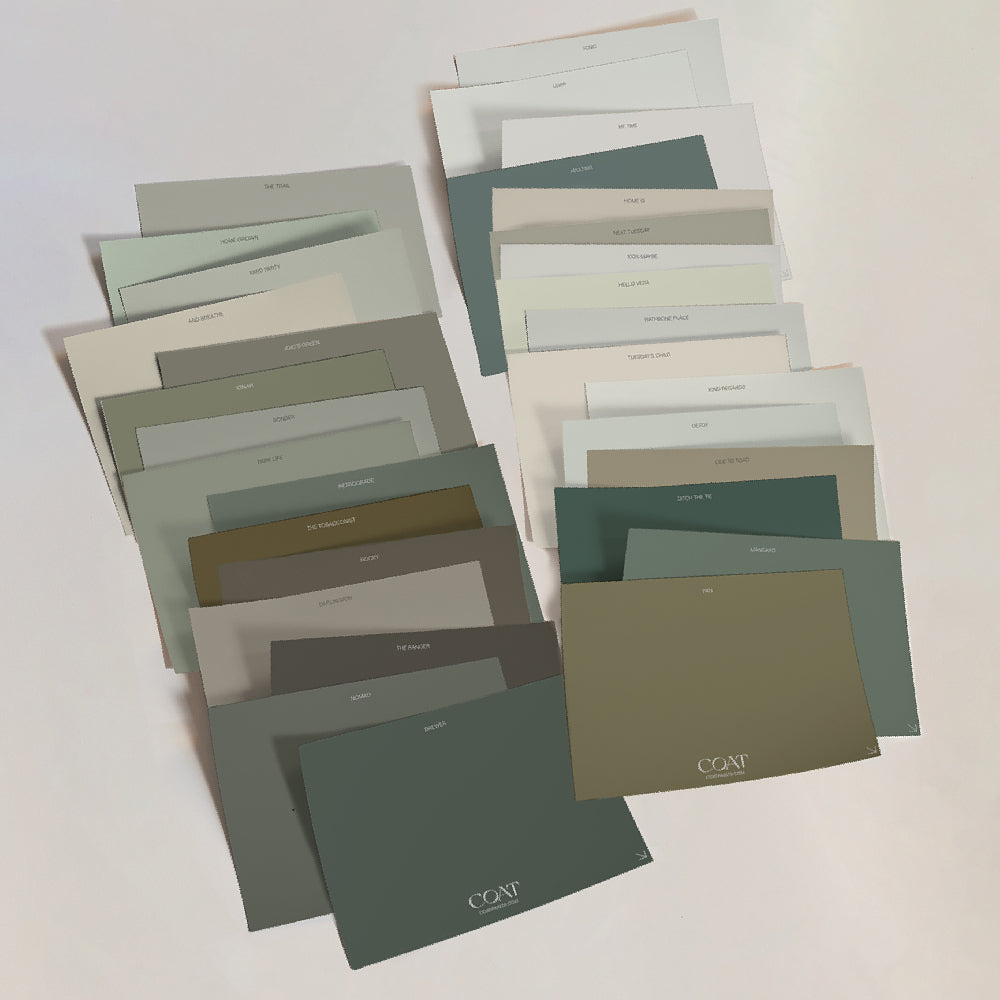
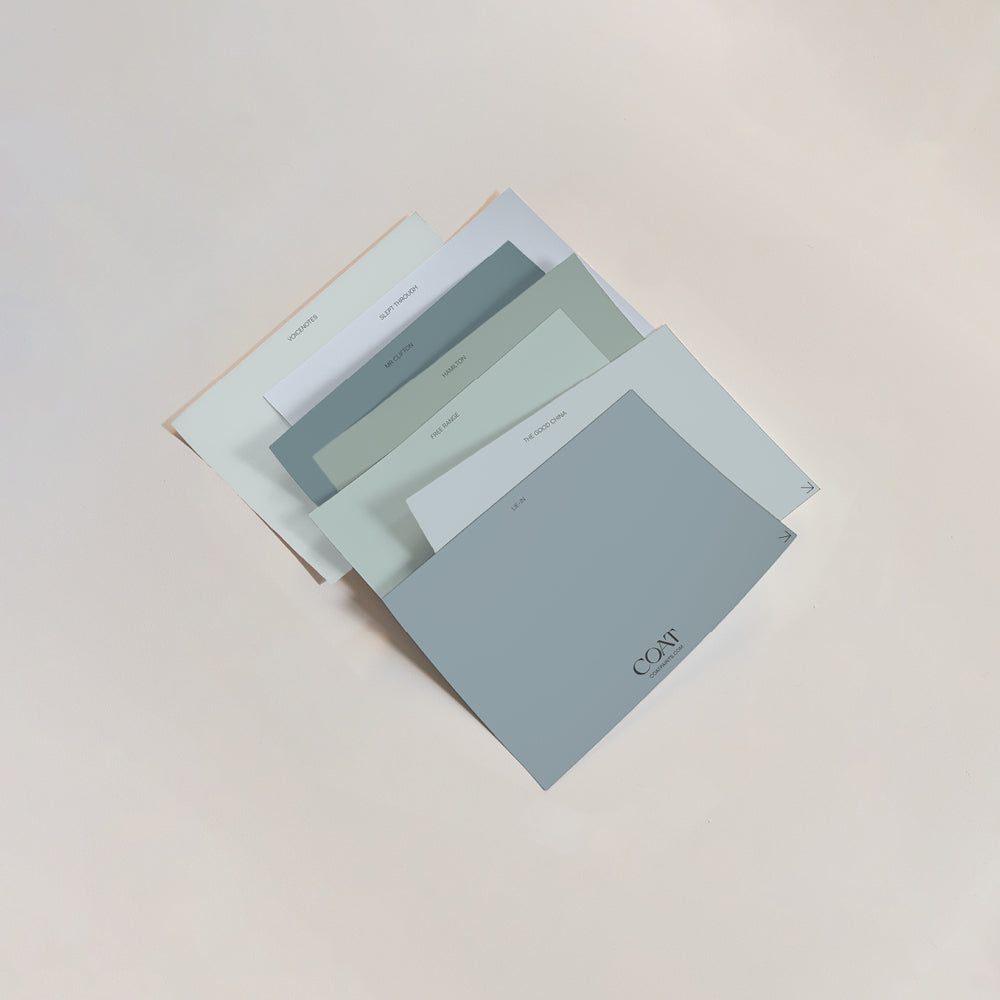
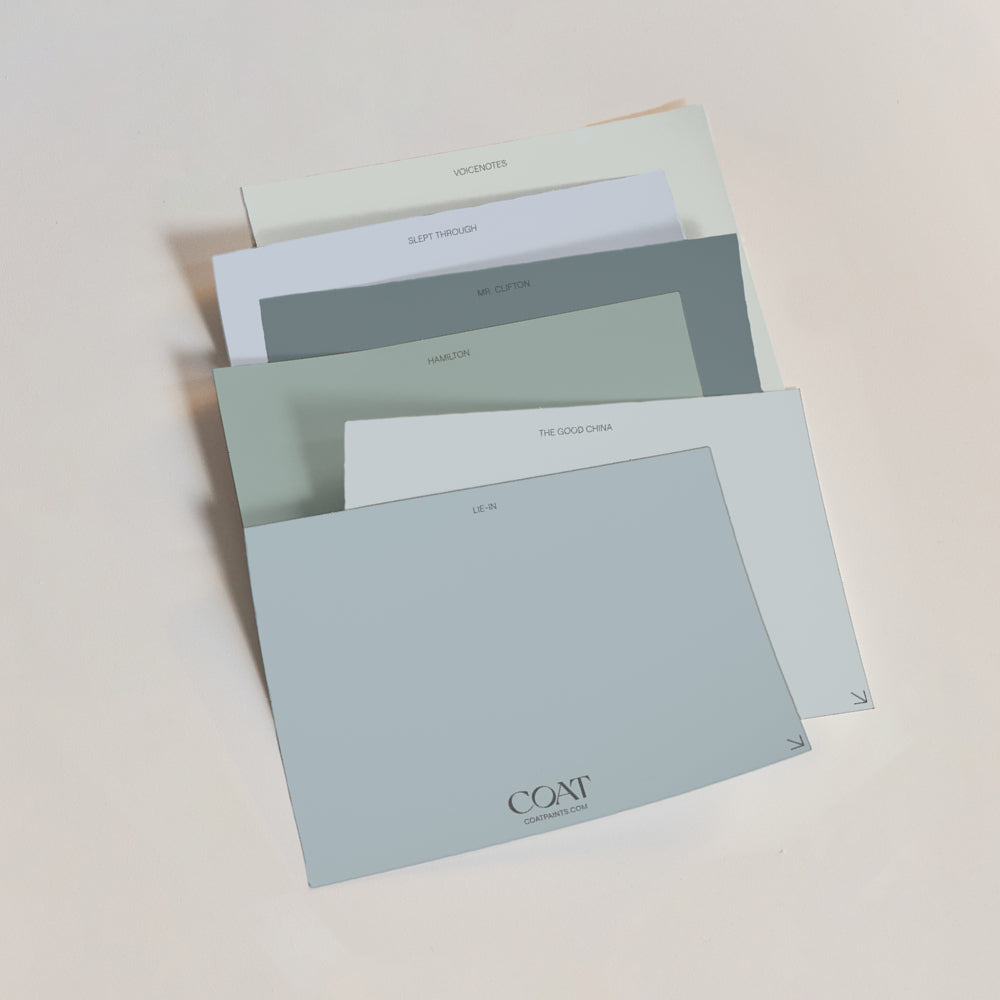
Shop the north-facing room paint collection. These are shades we think will work perfect in the UK light.
Publish Date
Author